

Court judgments and decisions must be respected by agencies, organizations and all citizens.
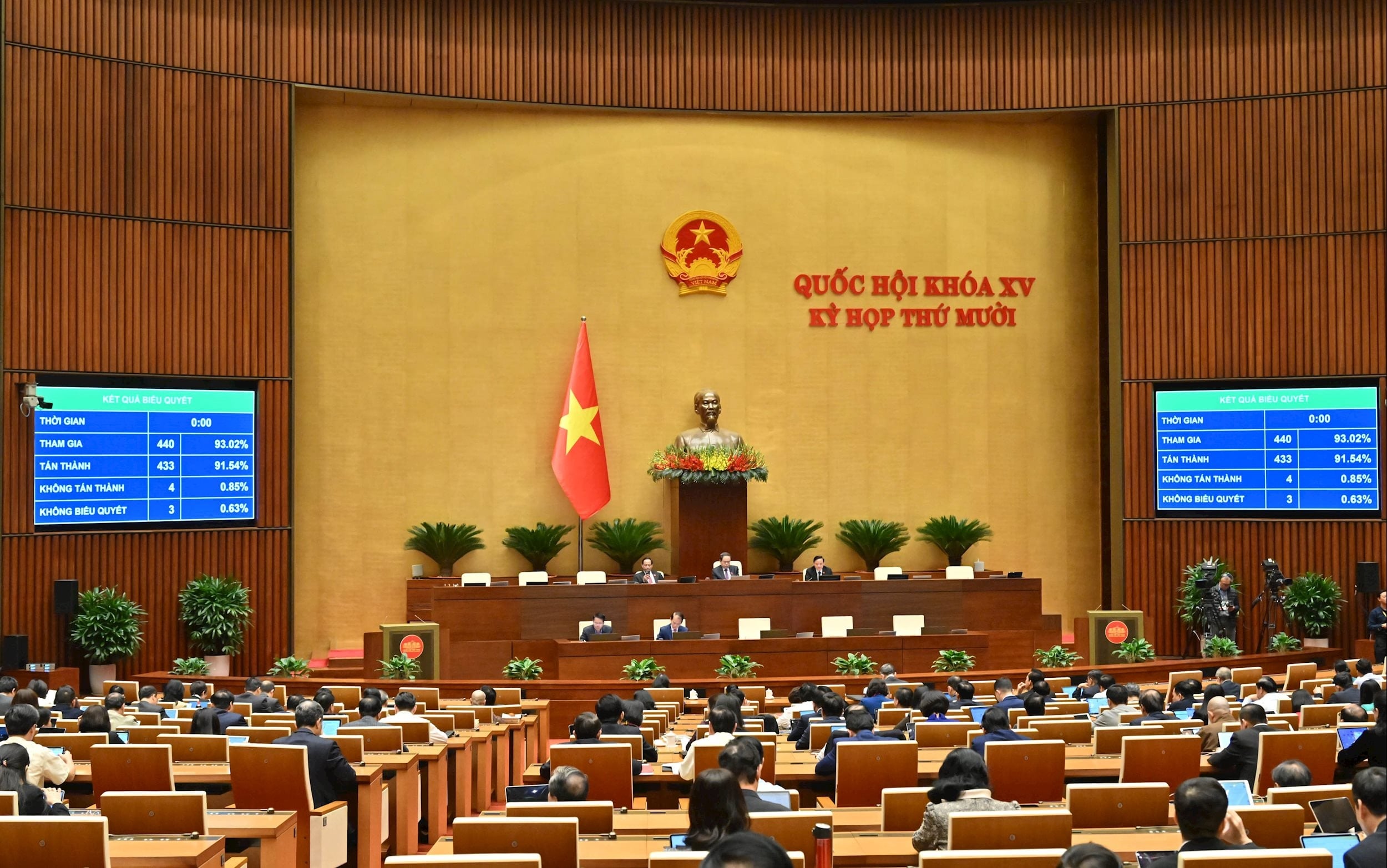
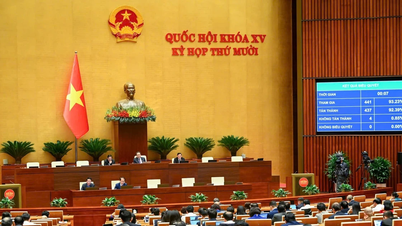
The Law on Civil Judgment Enforcement (amended) passed by the National Assembly includes 5 chapters and 116 articles, institutionalizing the Party's viewpoints, policies and guidelines, removing practical obstacles, innovating the civil judgment enforcement system, promoting socialization and digital transformation in civil judgment enforcement work.
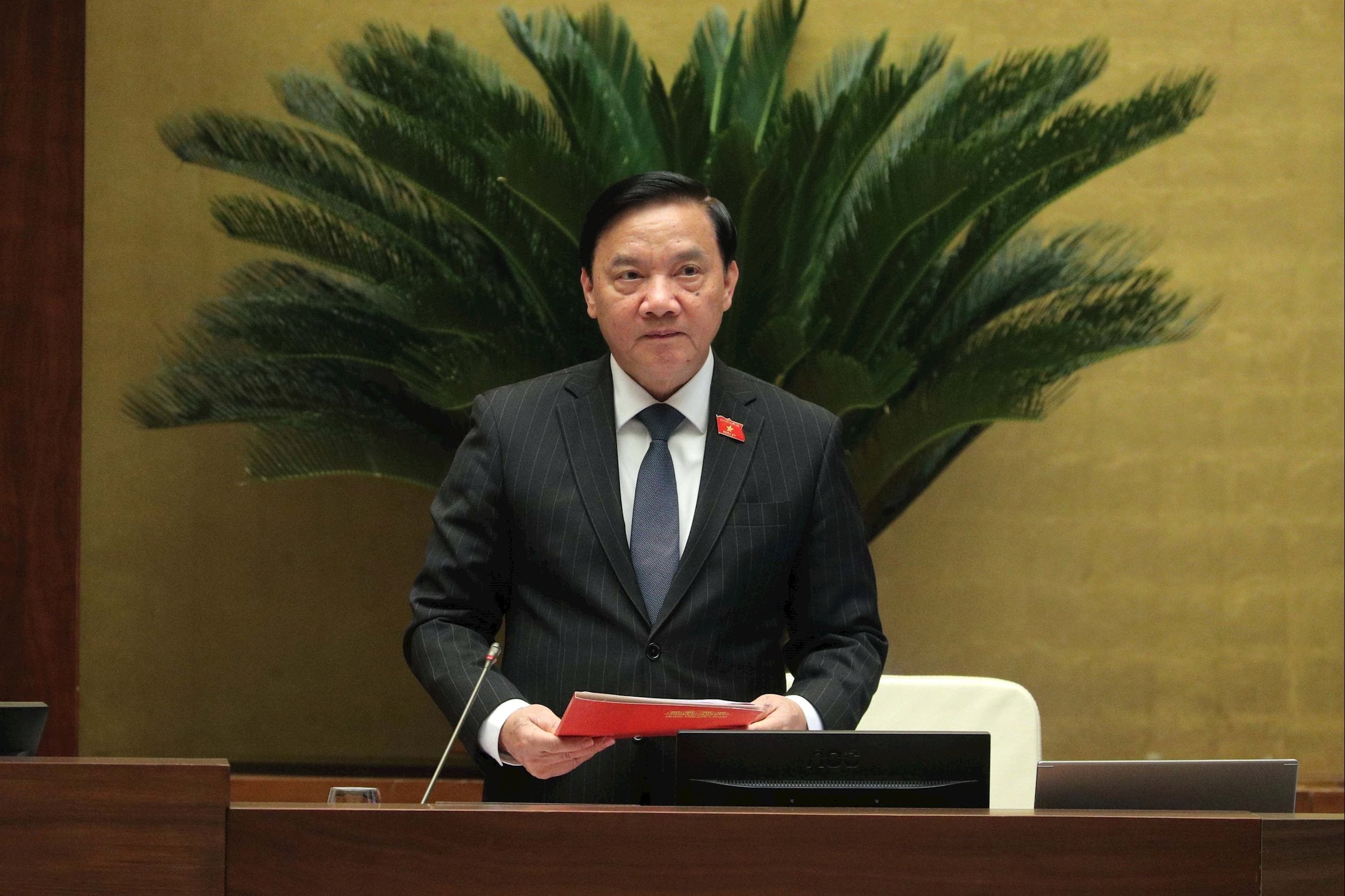
Regarding the principles of civil judgment enforcement, the Law stipulates that judgments and decisions stipulated in Article 2 of this Law must be respected by agencies, organizations and all citizens. Relevant agencies, organizations and individuals, within the scope of their responsibilities, must strictly comply with judgments and decisions and must be responsible before the law for the enforcement of judgments.
A person who is required to execute a judgment but does not voluntarily execute it shall be subject to enforcement. A person who obstructs the organization of execution of a judgment, a person who is managing, possessing, or using the property subject to execution, or a person who is in charge of a minor, if failing to comply with the request of the civil judgment enforcement agency, may be subject to enforcement in accordance with the provisions of this Law.
The interests of the State and the legitimate rights and interests of the parties and persons with related rights and obligations are respected and protected by law.
The language and script used in civil judgment enforcement is Vietnamese. The parties and persons with related rights and obligations have the right to use their own language and script, but must have an interpreter. In case the person is an ethnic minority who does not know Vietnamese or is hearing, speaking, or seeing disabled, the civil judgment enforcement agency or civil judgment enforcement office must arrange or request the competent authority to arrange an interpreter.
The Law stipulates that the civil judgment enforcement agency is the agency with the function of organizing the enforcement of judgments and decisions according to the provisions of this Law and relevant legal provisions.
The civil enforcement agency has a Chief, Deputy Chief, legal entity status, a seal with the national emblem, its own headquarters and account. The head of the civil enforcement agency is the Chief of the civil enforcement agency.
The organizational structure of the provincial and municipal civil judgment enforcement agency includes the following units: Department of Judgment Enforcement and Organization; Regional Civil Judgment Enforcement Department; and other department-level units.
The Minister of Justice shall prescribe the names, functions, tasks, powers and organizational structure of civil judgment enforcement agencies of provinces and cities. The Minister of National Defense shall prescribe the names, functions, tasks, powers and organizational structure of military-region-level judgment enforcement agencies.
The Law on Civil Judgment Enforcement (amended) also clearly stipulates the Civil Judgment Enforcement Office. Accordingly, the Civil Judgment Enforcement Office is a professional organization of the Enforcement Officer to carry out the organization of judgment enforcement and other tasks as prescribed by law.
The civil enforcement office established by 1 Enforcement Officer is organized in the form of a private enterprise. The owner of the private enterprise is also the Head of the civil enforcement office and must be an Enforcement Officer who has practiced as an Enforcement Officer for at least 2 years.
A civil enforcement office established by two or more enforcement officers is organized as a partnership. The head of the civil enforcement office must be a general partner of the civil enforcement office and have practiced as an enforcement officer for at least two years.
The Civil Judgment Enforcement Office will not be given full enforcement power.
Before voting to pass, the National Assembly listened to Chairman of the Committee on Law and Justice Hoang Thanh Tung present the Report of the National Assembly Standing Committee on a number of major issues in explaining, receiving and revising the draft Law on Civil Judgment Enforcement (amended).

Accordingly, regarding the Civil Judgment Enforcement Office, Enforcement Officers and the authority to enforce judgments (Article 17, Article 30), many opinions proposed expanding the authority for the Civil Judgment Enforcement Office and Enforcement Officers to apply enforcement measures to improve the effectiveness of socialization of civil judgment enforcement.
Regarding this issue, the Standing Committee of the National Assembly recognizes that the policy of promoting the socialization of civil judgment enforcement activities has been proposed in many Party documents. However, compulsory enforcement of judgments is an activity of state power, directly affecting the basic rights of citizens (property, residence, etc.). Granting this power to the Civil Judgment Enforcement Office, a non-public organization, poses potential risks to security and order if not strictly controlled. Therefore, the Standing Committee of the National Assembly proposes that the National Assembly allow regulations in the direction of not granting comprehensive compulsory enforcement power to the Civil Judgment Enforcement Office. Executors only have the right to request competent authorities to freeze accounts, assets, and suspend transactions to prevent the dissipation of assets.
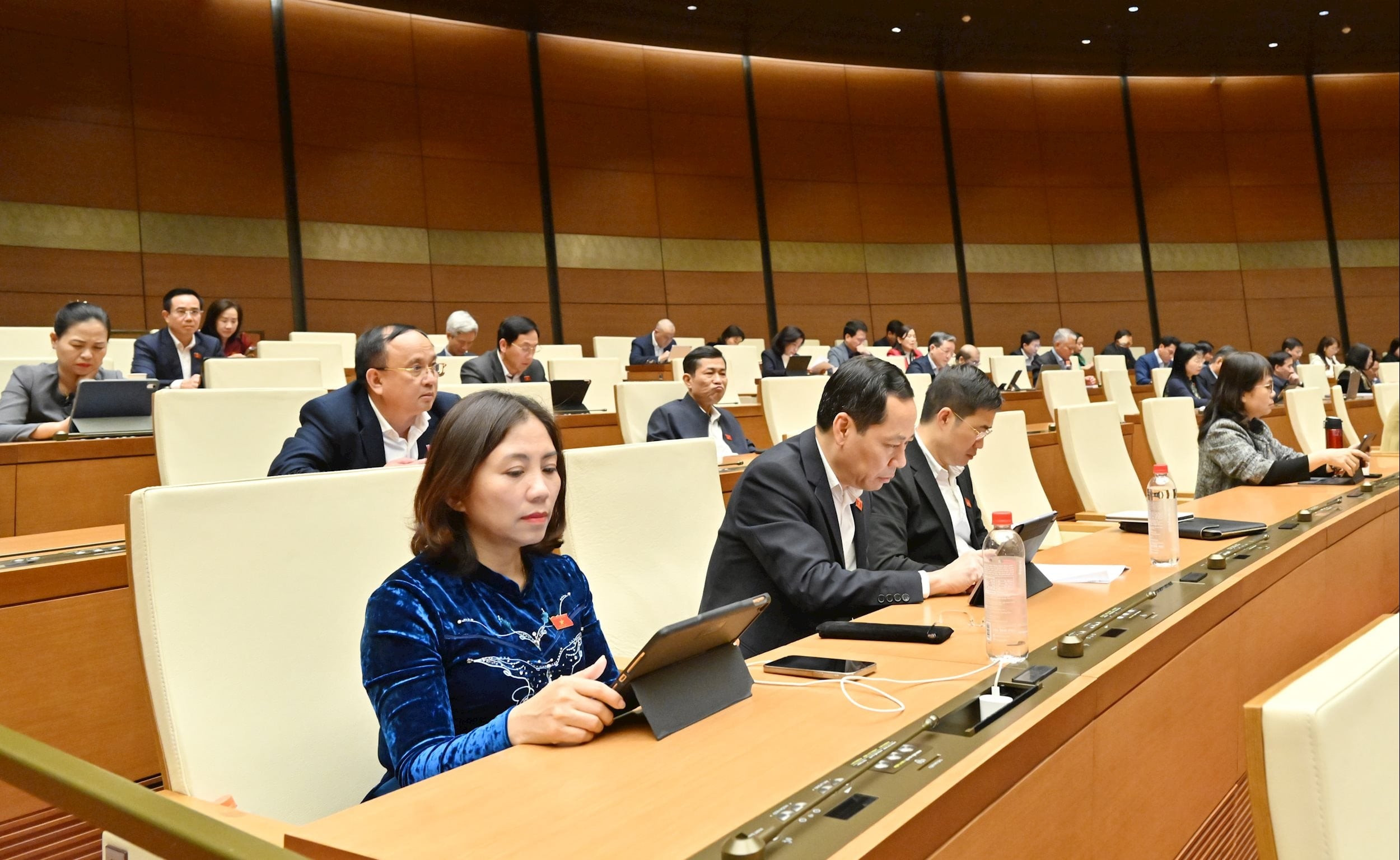
Regarding the time limit and procedures for execution of judgments (Article 35, Article 37, Article 83), many opinions suggested reviewing and shortening the time limits in the execution organization process to minimize costs and execution time in the spirit of Resolution No. 27-NQ/TW.
In response to the opinions of National Assembly Deputies, the Report stated that the National Assembly Standing Committee has directed the shortening of many important deadlines in the process of organizing the execution of judgments such as: deadline for verifying the conditions for execution of judgments, deadline for notifying the execution of judgments, deadline for signing the contract for exploiting assets for execution of judgments, deadline for prioritizing the purchase of assets for execution of judgments, etc.
In addition, the National Assembly Standing Committee has directed the review and maximum absorption of National Assembly deputies' opinions to perfect regulations on handling special assets (digital assets, virtual currencies), transferring evidence warehouses to the Ministry of Public Security for management, the responsibility of the People's Procuracy in supervising the execution of judgments and many other provisions of the draft Law.
Source: https://daibieunhandan.vn/quoc-hoi-thong-qua-luat-thi-hanh-an-dan-su-sua-doi-10399376.html



![[Photo] 60th Anniversary of the Founding of the Vietnam Association of Photographic Artists](/_next/image?url=https%3A%2F%2Fvphoto.vietnam.vn%2Fthumb%2F1200x675%2Fvietnam%2Fresource%2FIMAGE%2F2025%2F12%2F05%2F1764935864512_a1-bnd-0841-9740-jpg.webp&w=3840&q=75)
![[Photo] National Assembly Chairman Tran Thanh Man attends the VinFuture 2025 Award Ceremony](/_next/image?url=https%3A%2F%2Fvphoto.vietnam.vn%2Fthumb%2F1200x675%2Fvietnam%2Fresource%2FIMAGE%2F2025%2F12%2F05%2F1764951162416_2628509768338816493-6995-jpg.webp&w=3840&q=75)

























































































Comment (0)