

Prohibition of interfering with or obstructing the performance of forensic expertise
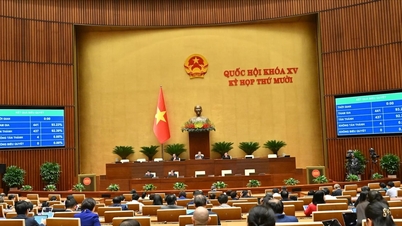
Accordingly, the Law on Judicial Expertise (amended) consists of VI Chapters and 45 Articles, regulating judicial experts; judicial expertise organizations; judicial expertise procedures; judicial expertise costs; regimes and policies in judicial expertise activities; state management of judicial expertise; responsibilities of prosecution agencies, organizations and individuals related to judicial expertise activities.
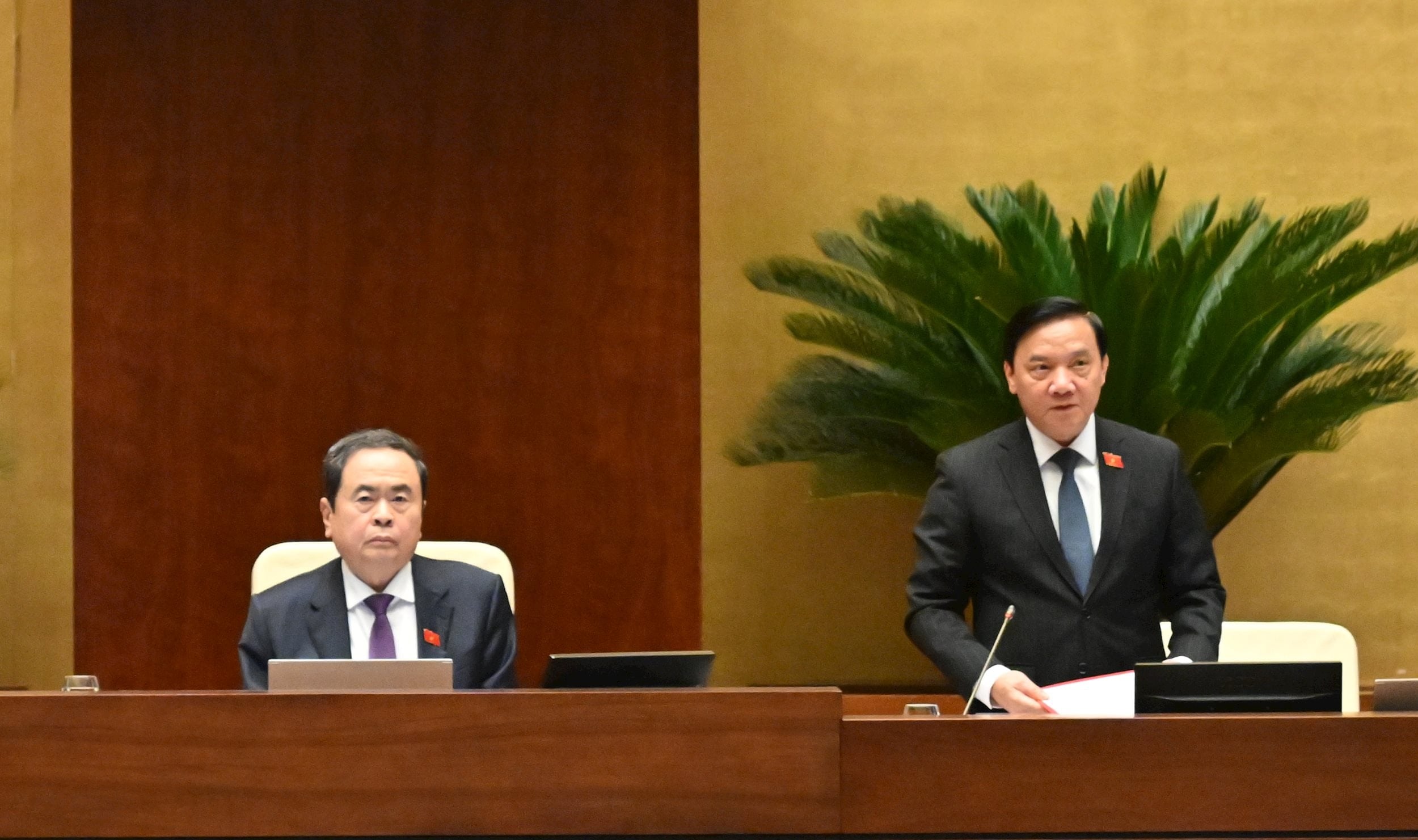
The principles of performing forensic examination are to comply with the law, to follow the order, procedures of examination, scientific methods, techniques, professional practices, forensic examination processes, and professional standards in the examination activities. Be honest, accurate, objective, impartial, and timely; Be independent in the process of conducting the examination and making forensic examination conclusions; Only make professional conclusions on issues within the scope of the request; Be responsible before the law for the examination conclusions.
Prohibited acts are:
Refusing to accept or conduct forensic examination without justifiable reasons; intentionally prolonging the time for conducting forensic examination or the time for issuing forensic examination conclusions.
Refusing to conclude a forensic examination without force majeure or objective obstacles. Disclosing information during the forensic examination process that affects the litigation process.
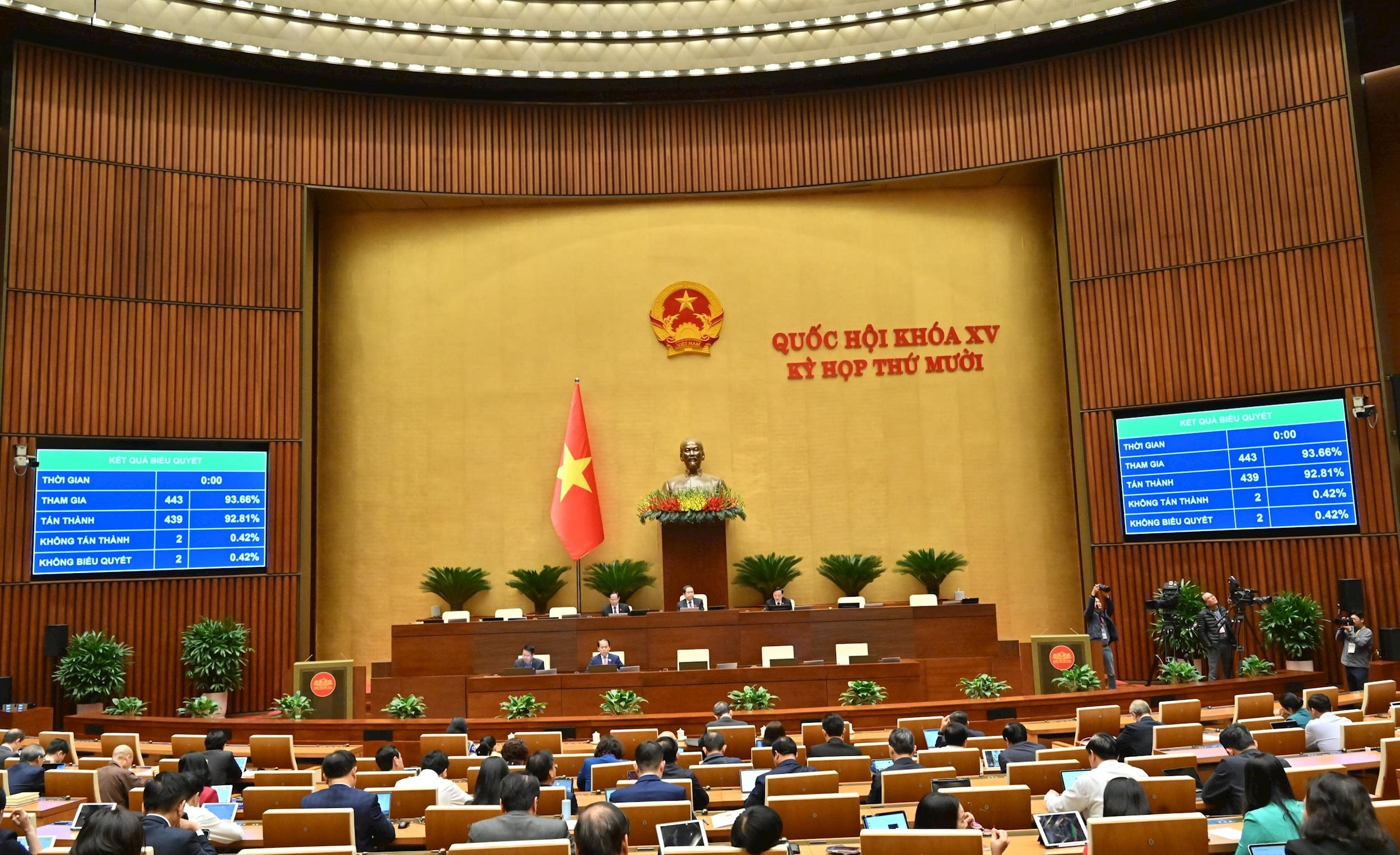
Taking advantage of the name of a forensic expert or forensic organization for personal gain. Receiving money, property or other benefits from units, organizations or individuals to distort requests for forensic expertise or to distort the results or conclusions of forensic expertise.
Intentionally giving false forensic conclusions. Taking advantage of the request for forensic examination to cause difficulties and obstruct the litigation process. Abusing the request for forensic examination in criminal proceedings to replace the investigation and the performance of the prosecution agency's obligation to prove.
Interfering with or obstructing the performance of forensic expertise. Inciting, threatening, or forcing forensic expertise to draw false forensic conclusions.
Forensic experts are considered for exemption or reduction of responsibility when they have complied with regulations.
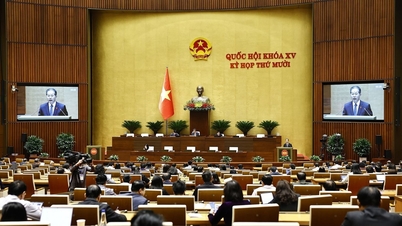
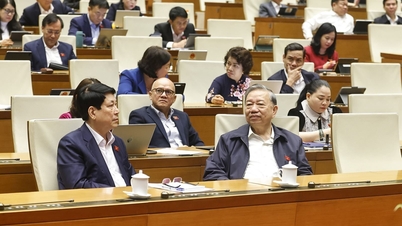
Previously, presenting the Report on the reception, explanation and revision of the draft Law on Judicial Expertise (amended) by Minister of Justice Nguyen Hai Ninh, the majority of National Assembly deputies agreed on the necessity of comprehensively amending the current Law on Judicial Expertise; proposed to continue to supplement and clarify the requirements for institutionalizing the Party's viewpoints and orientations related to judicial expertise activities in the draft Law dossier.
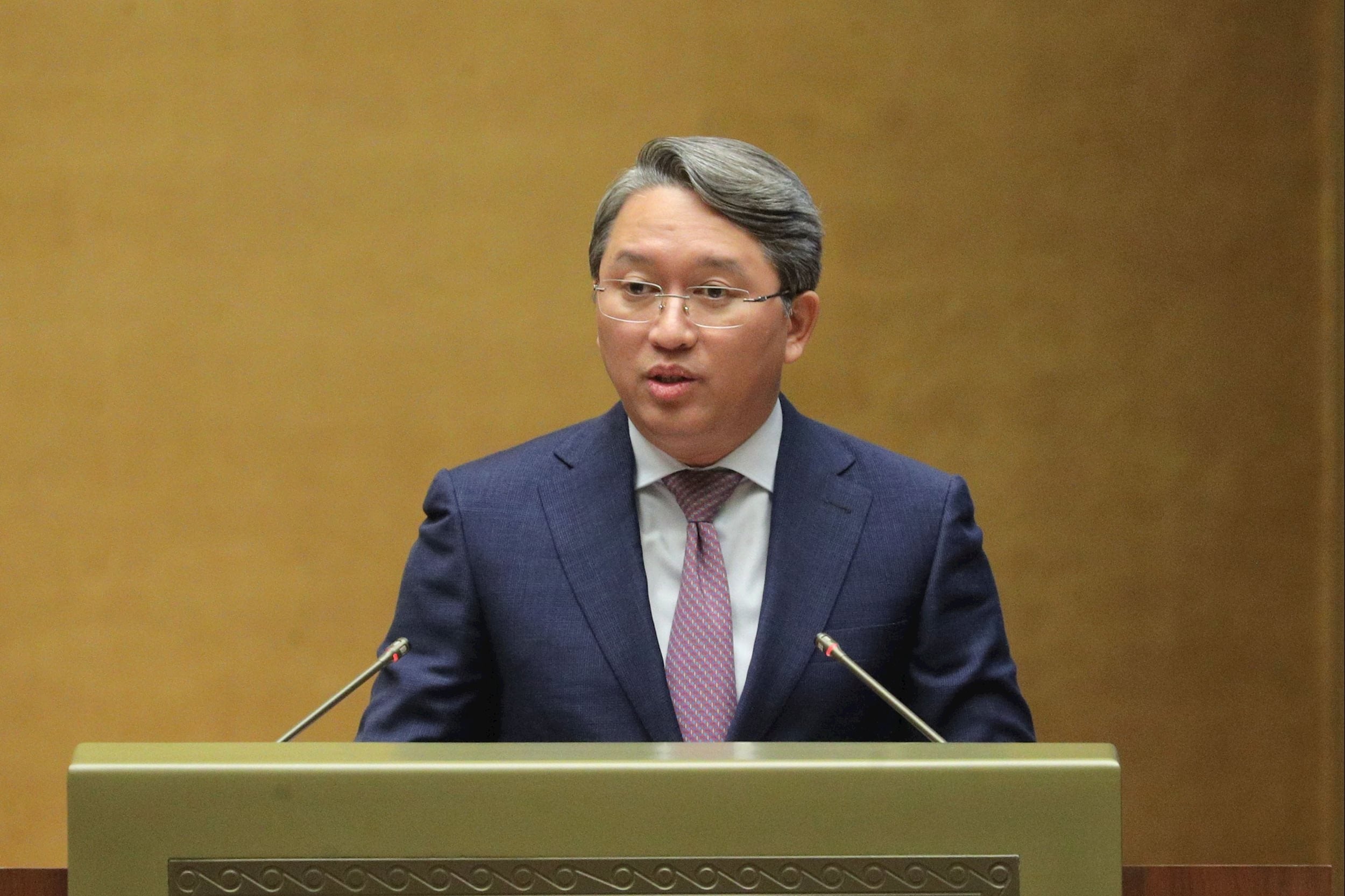
The Government said that the draft Law has ensured the full institutionalization of policies and guidelines in recent resolutions of the Party; policies and guidelines set out in the draft Document submitted to the 14th National Party Congress; reviewed and promptly institutionalized the contents of Directive No. 54-CT/TW dated November 30, 2025 of the Politburo on strengthening the Party's leadership over judicial appraisal and asset valuation in the draft Law.
Regarding the right to exemption from legal liability of judicial experts in judicial appraisal activities, some opinions of National Assembly deputies suggested not to stipulate exemption from legal liability of judicial experts in judicial appraisal activities as in the draft Law.
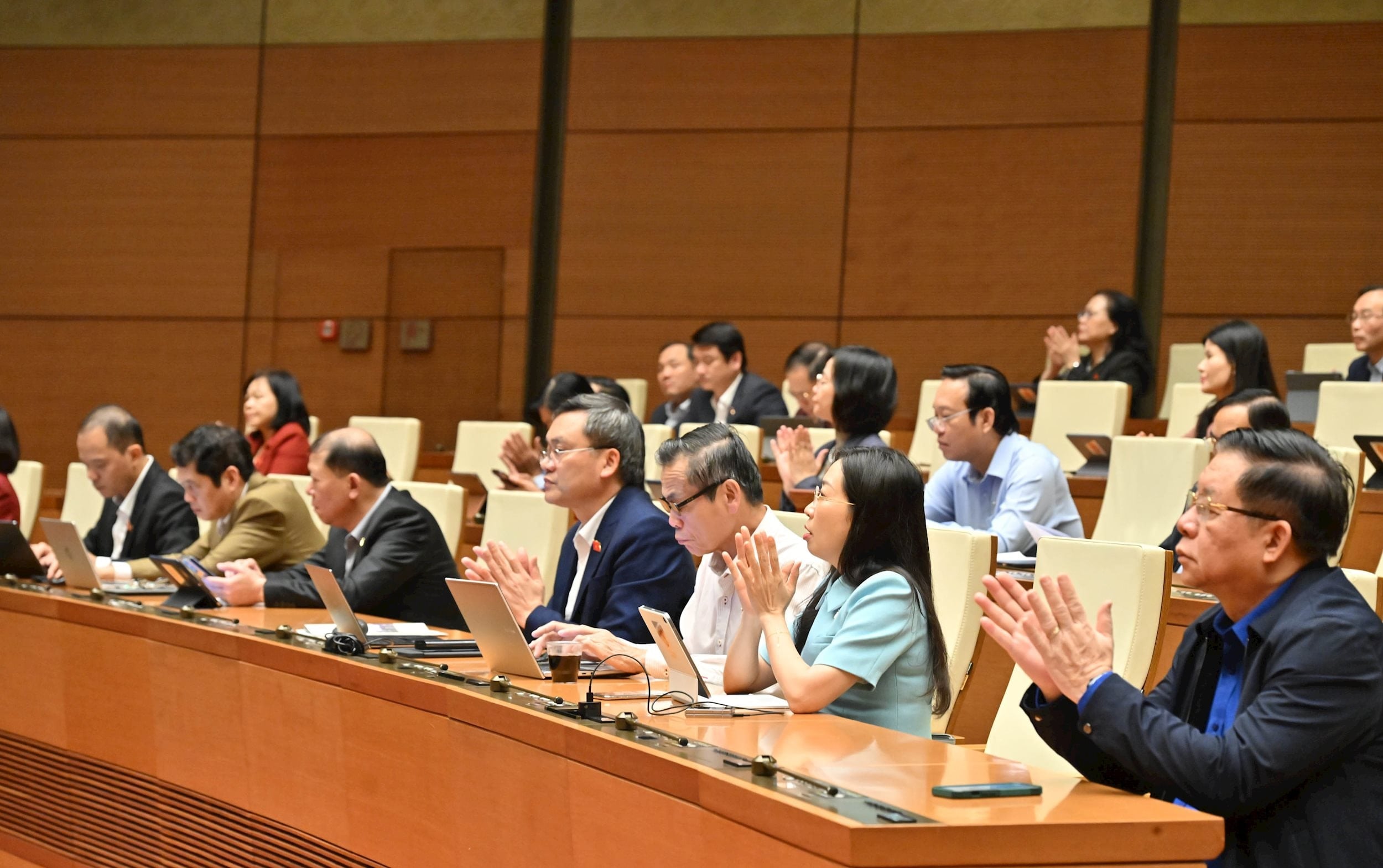
Some opinions suggest that it is necessary to carefully study the regulations on exemption from legal liability of judicial experts in judicial appraisal activities or to strictly regulate, conditionally exempt or supplement the scope of exemption.
The Government said that, taking into account the opinions of National Assembly deputies, the draft Law was studied and revised in the direction that judicial appraisers are considered for exclusion, exemption, or reduction of responsibility according to the provisions of relevant laws and of competent authorities when they have performed appraisals in accordance with the provisions on order, procedures, judicial appraisal processes, professional standards in appraisal activities, impartially, objectively, and without profit; in case of making false conclusions or refusing to make appraisal conclusions without force majeure or objective obstacles, they must bear criminal responsibility according to the law.
Source: https://daibieunhandan.vn/quoc-hoi-thong-qua-luat-giam-dinh-tu-phap-sua-doi-10399366.html
![[Photo] National Assembly Chairman Tran Thanh Man attends the VinFuture 2025 Award Ceremony](/_next/image?url=https%3A%2F%2Fvphoto.vietnam.vn%2Fthumb%2F1200x675%2Fvietnam%2Fresource%2FIMAGE%2F2025%2F12%2F05%2F1764951162416_2628509768338816493-6995-jpg.webp&w=3840&q=75)


![[Photo] 60th Anniversary of the Founding of the Vietnam Association of Photographic Artists](/_next/image?url=https%3A%2F%2Fvphoto.vietnam.vn%2Fthumb%2F1200x675%2Fvietnam%2Fresource%2FIMAGE%2F2025%2F12%2F05%2F1764935864512_a1-bnd-0841-9740-jpg.webp&w=3840&q=75)


























































Comment (0)