

Implementing the National Target Program on Socio -Economic Development of Ethnic Minority and Mountainous Areas for the 2021-2030 Period, Project 6 "Preserving and promoting fine traditional cultural values of ethnic minorities associated with tourism development" has been chaired and implemented nationwide by the Ministry of Culture, Sports and Tourism.
Phase I (2021-2025) of the Project has "reached the finish line" with 19 component tasks, deployed synchronously nationwide, aiming at the goal of: restoring, preserving and promoting traditional cultural identity; linking culture with sustainable tourism development; improving the level of cultural enjoyment and spiritual life of the people.
Director of the Department of Ethnic Culture Trinh Ngoc Chung shared with VietnamPlus Electronic Newspaper some outstanding results of the implementation of Project 6.
Preserving the sacred memory of the nation
- Mr. Director, could you please share some of the achievements of Project 6 in the period 2021-2025?
Director Trinh Ngoc Chung: To implement the Project, the Departments of Culture, Sports and Tourism have closely coordinated with relevant departments, branches and localities in implementing component projects under the responsibility of the sector.
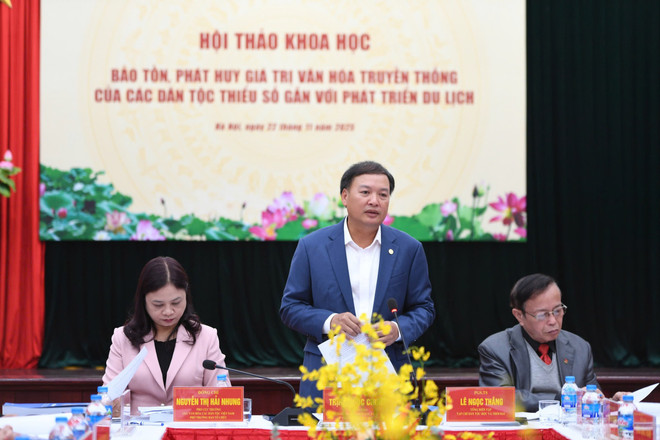
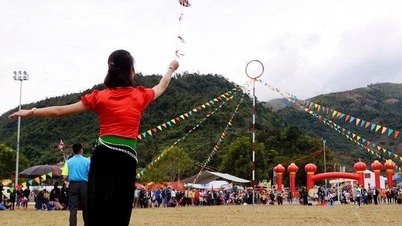
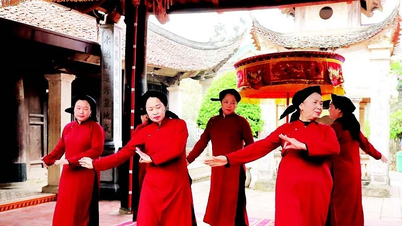
In terms of preserving and restoring tangible and intangible cultural heritage, Project 6 provides resources to organize typical traditional festivals of ethnic minorities that have been researched, restored and preserved; many festivals have been included in the National List of Intangible Cultural Heritage, contributing to restoring regional cultural identity. Among them, many festivals such as Gau Tao Festival (H'Mong), Gong Festival (Central Highlands), Then - Dan Tinh Festival (Tay, Nung, Thai) ... have become unique cultural and tourism highlights.
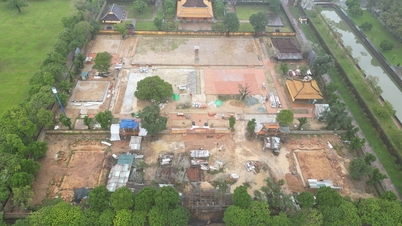
More than 50 traditional villages and hamlets have been preserved, gradually forming cultural-tourism village models and cultural-tourism spots, opening up a direction for sustainable economic development for the people. 29 special national relics and typical national relics have been supported for restoration and embellishment.
Typical tourist destinations in ethnic minority areas have been renovated and upgraded with infrastructure and tourism products, many of which have formed sustainable community tourism models, combining traditional cultural preservation with livelihood development, such as Na Hang village (Tuyen Quang), Lac cultural village (Hoa Binh), Plei Oi (Gia Lai), Sin Suoi Ho (Lai Chau)...
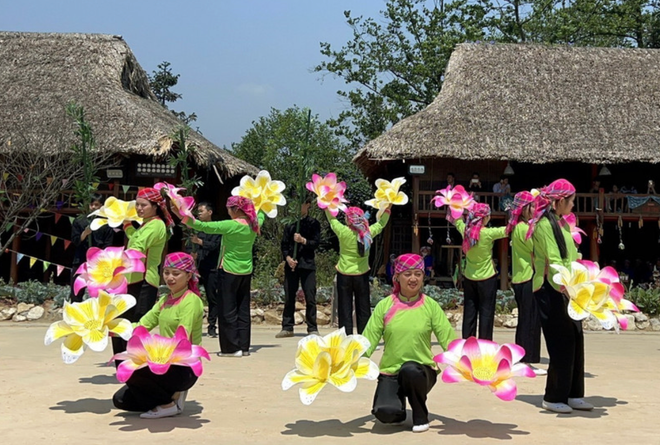
This is the preservation of the sacred memory of the nation, and at the same time a highlight to attract tourists. More than 700 folk culture clubs and 5,760 traditional art troupes have been established and maintained effectively. This is the core force to bring national culture into community life.
Localities organized nearly 400 training courses, with more than 16,000 participants. This is a direct human resource contributing to the preservation and promotion of traditional culture and the development of on-site tourism, investing in the construction of 69 typical tourist destinations. In addition, 3,220 cultural houses/sports areas in villages and hamlets were built or renovated, raising the rate of 93.8% of villages having community houses, 66.1% of villages having traditional cultural and artistic teams operating regularly, exceeding the targets set by the National Assembly Resolution (80% and 50%).
- With those results, how do you evaluate the effectiveness and significance of Project 6?
Director Trinh Ngoc Chung: The work of preserving and promoting the traditional culture of ethnic minorities in the 2021-2025 period has created positive and clear changes in many aspects. First of all, it contributes to strengthening the great national unity bloc, enhancing pride and awareness of preserving traditional culture in the community.
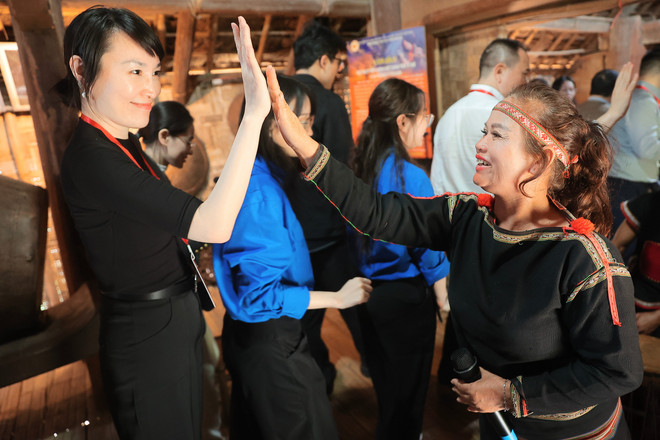
The project not only arouses love and pride in preserving and promoting the unique cultural values of ethnic groups, but also improves the spiritual life of the people, bringing about clear changes to the highland villages.
Project 6 has created important resources for the preservation and promotion of traditional cultural values, and gradually turned culture into an economic driving force. Instead of just stopping at preserving and conserving, the culture of ethnic minorities is now gradually being transformed into unique tourism products, helping to create livelihoods, increase income and improve the quality of life for people.
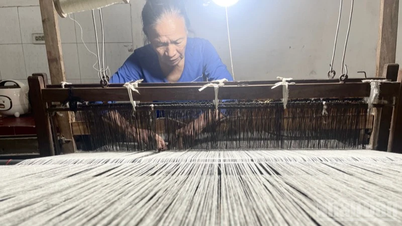
Project 6 also enhances cultural enjoyment and develops sustainable community tourism, linking culture with livelihoods, helping many households escape poverty; arousing the creativity of ethnic artisans, teaching the younger generation, and forming a successor force in cultural preservation work.
The success of Phase I also creates a solid foundation for the implementation of Project 6 in the 2026-2030 period, aiming at comprehensive, inclusive and sustainable development of ethnic minority areas.
Cultural preservation associated with tourism development
- What does the Department of Ethnic Culture propose for the goals of Project 6 in the next phase 2026-2030, sir?
Director Trinh Ngoc Chung: We have consulted with the leaders of the Ministry of Culture, Sports and Tourism to continue implementing Project 6, affirming the essential role of culture in the sustainable development strategy and elevating national tourism.
During the 2026-2030 period, Project 6 will be restructured into 14 specific tasks, divided into two main groups; including group 4 investment and construction activities: Preserving traditional cultural villages and hamlets; Restoring special national relics of ethnic minorities; Building and renovating cultural and sports institutions in villages and hamlets; Forming typical cultural tourism destinations in ethnic minority areas.
Group 10 supporting activities: Organizing traditional art festivals; Promoting traditional festivals associated with developing sea and mountain tourism; Teaching intangible culture, preserving ethnic languages and scripts; Building a conservation model associated with tourism products; Establishing a traditional cultural data system of 54 ethnic groups; Promoting communication and promotion of ethnic culture and tourism.
The goal of the new phase is to further transform traditional cultural heritage values into unique tourism products with high economic value, bearing the unique identity of each region. This will be the key to opening a sustainable direction for community tourism in remote areas, while preserving the core values of national culture for future generations.
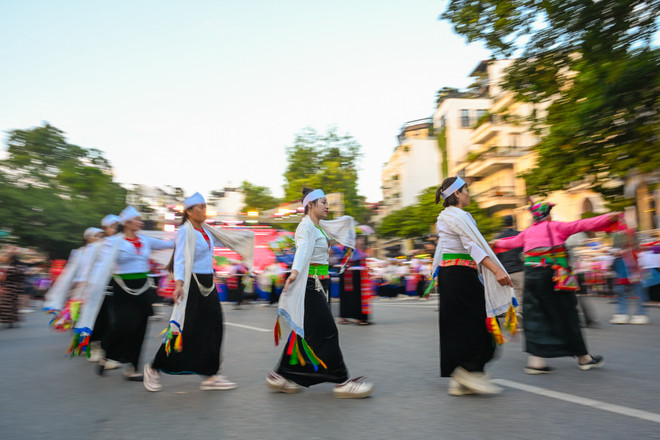
- To achieve those goals, what specific solutions are needed, sir?
Director Trinh Ngoc Chung: I think it is necessary to strengthen decentralization and empower localities, along with the monitoring and evaluation mechanism from the Central Government, along with reviewing and adjusting legal documents and the list of particularly difficult communes and villages to suit the two-level government model, increasing the investment capital ratio, reducing career capital; prioritizing support for remote, isolated areas and areas with very few ethnic minorities.
Project 6 needs to be included in the independent component content of the National Target Program for the period 2026-2030 to ensure focus, efficiency and the ability to monitor and quantitatively evaluate, thereby prioritizing funding allocation for tasks of preserving and promoting traditional cultural values of ethnic minorities associated with tourism development in the National Target Program for Cultural Development for the period 2025-2035.
- Thank you very much./.
Source: https://www.vietnamplus.vn/bao-ton-va-phat-huy-van-hoa-dan-toc-khoi-day-y-thuc-gin-giu-ban-sac-post1081372.vnp
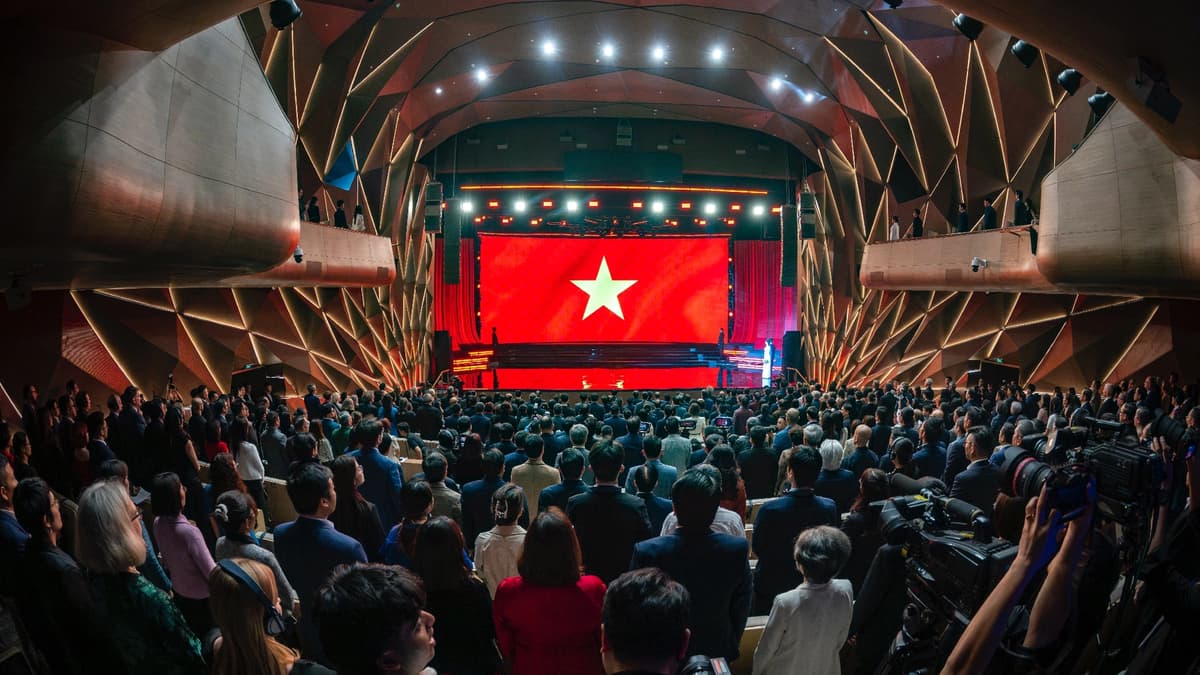
![[Photo] 60th Anniversary of the Founding of the Vietnam Association of Photographic Artists](/_next/image?url=https%3A%2F%2Fvphoto.vietnam.vn%2Fthumb%2F1200x675%2Fvietnam%2Fresource%2FIMAGE%2F2025%2F12%2F05%2F1764935864512_a1-bnd-0841-9740-jpg.webp&w=3840&q=75)
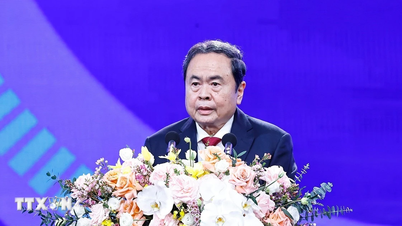
![[Photo] National Assembly Chairman Tran Thanh Man attends the VinFuture 2025 Award Ceremony](/_next/image?url=https%3A%2F%2Fvphoto.vietnam.vn%2Fthumb%2F1200x675%2Fvietnam%2Fresource%2FIMAGE%2F2025%2F12%2F05%2F1764951162416_2628509768338816493-6995-jpg.webp&w=3840&q=75)































































Comment (0)