

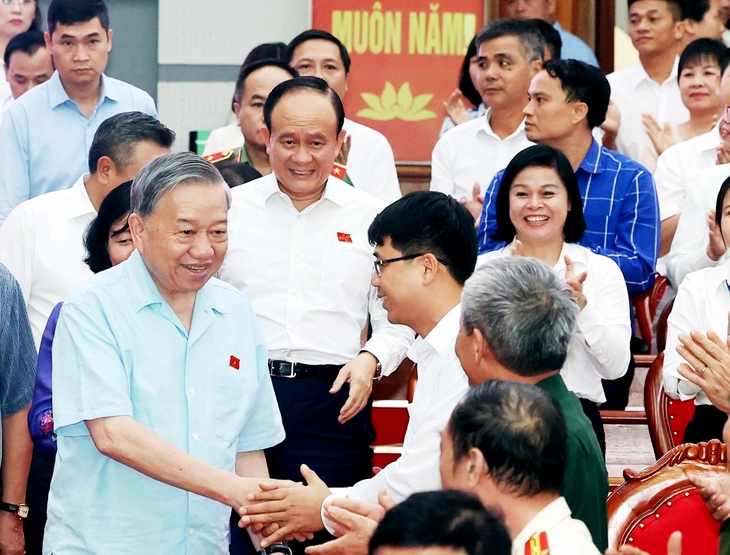
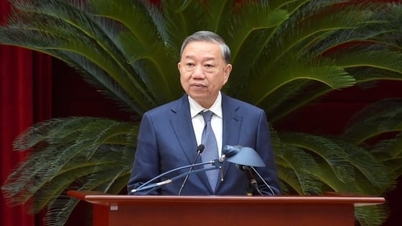
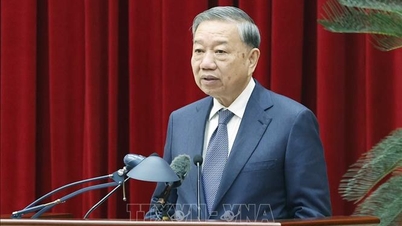
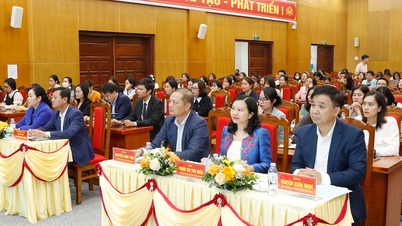
General Secretary To Lam and members of the Hanoi City National Assembly delegation, constituency No. 10, met with voters in 9 communes - Photo: VNA
Accordingly, the implementation has been largely completed at the commune level, and will continue at the provincial and city levels. In the future, there will no longer be provincial or city party secretaries who are from the local area.
According to the General Secretary , this policy is currently applied to the positions of Party Secretary, Director of Public Security, Chief Justice of the Court, and Chief Prosecutor, and in the future, it will be considered for expansion to include the Chairman of the People's Committee, the Chairman of the Inspection Committee, and the Chief Inspector.
Implementing this policy in a coordinated manner will ensure objectivity and transparency in leadership, and limit negative practices and localism.
* Representative BUI HOAI SON (member of the Committee on Culture and Society):
Building a leadership system that is honest, objective, and transparent.
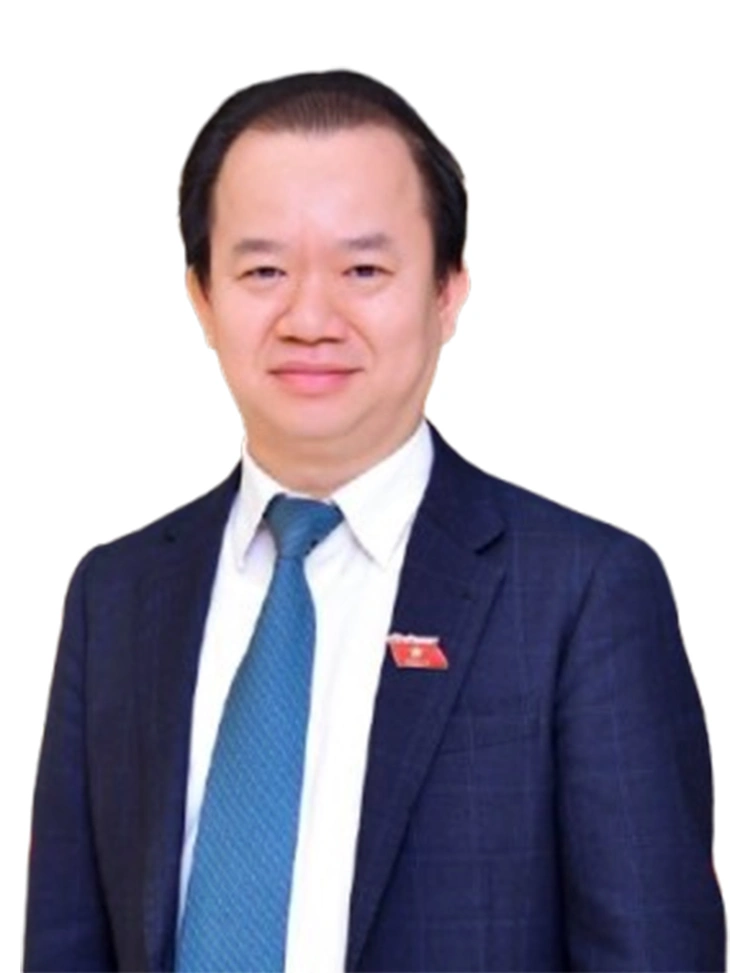
Recent experience has shown that in some localities, due to parochialism and intricate family and kinship ties, systemic violations have occurred, leaving serious consequences for both the economy and social trust.
Therefore, the policy of appointing 100% of provincial and city Party secretaries who are not from the local area, and subsequently considering extending this to chairmen of People's Committees, heads of inspection committees, etc., who are not from the local area, is not merely a personnel arrangement, but affirms the Party's strong determination to build an honest, objective, and transparent leadership system.
One of the greatest benefits of the policy of "the party secretary not being from the local area" is that it will break the vicious cycle of "family members holding official positions or entire clans holding official positions".
In management practice, there are many cases where local leaders are influenced by family ties, clan relationships, and cronyism. As a result, the appointment and use of officials easily falls into a vicious cycle: favoring acquaintances, promoting relatives, and closing the door to those who are truly capable but lack "connections."
This is a dangerous form of "local parochialism," distorting the principle of fairness and causing public discontent. When a party secretary, chairman of the People's Committee, head of the inspection committee, etc., is transferred from elsewhere, they will be less affected by these constraints.
This creates a healthier public service environment. Especially when a leader is no longer influenced by family ties, clan relationships, or economic interests tied to their local area, they will have more opportunities to prioritize national, ethnic, and community interests in their service.
From there, decisions will be made decisively, fairly, and, most importantly, without being hampered by family or kinship ties.
* Dr. Nguyen Van Dang (Institute of Leadership Studies and Public Administration, Ho Chi Minh National Academy of Politics):
Training, challenging, and developing leadership skills.
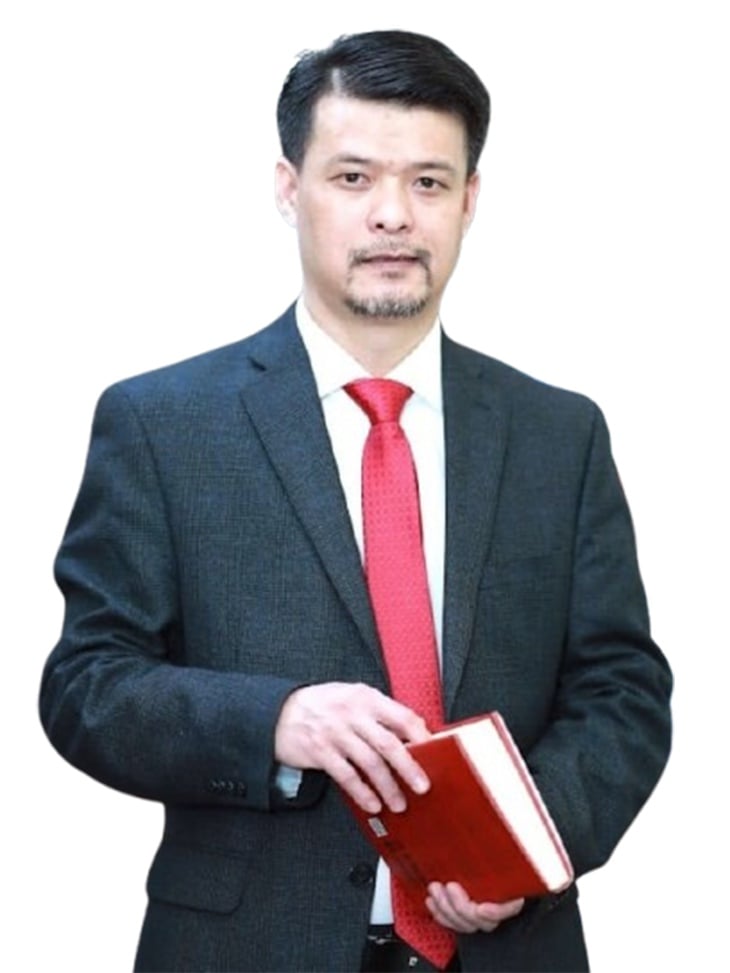
In the past, there was a prevailing view in our country that being a public official was a "lifelong career," with individuals often remaining in their positions even after the key leadership personnel completed their term.
Therefore, when a clique of close associates, based on family ties, lineage, hometown, occupation, etc., gains a dominant position in the local political structure, it creates the risk of "cronyism among officials."
If left unchecked, cronyism will continue to grow, and the most negative consequence could be the transformation of local political systems into instruments of power for political interest groups.
Since 2002, appointing non-local leaders has been considered one of the innovative solutions for personnel management, outlined in Politburo Resolution No. 11 "On the rotation of leading and managerial cadres," and subsequently piloted in several centrally-administered provinces and cities.
Accordingly, the transfer of party secretaries from other areas is also expected to help curb the phenomenon of "cronyism among officials" at the local level. To date, this policy has been consistently affirmed in Party documents related to personnel work.
A notable effect of the policy of appointing non-local party secretaries is the training, testing, and development of leadership capabilities.
Taking on the leadership role in a new and unfamiliar location will be a challenge for every employee. And an unfamiliar work environment can motivate employees to improve themselves, strive to demonstrate their capabilities, and lay the groundwork for higher career advancement opportunities in the future.
* Assoc. Prof. Dr. Nguyen Trong Phuc (former Director of the Institute of Party History):
Preventing the risk of collusion with relatives, family, and factions.
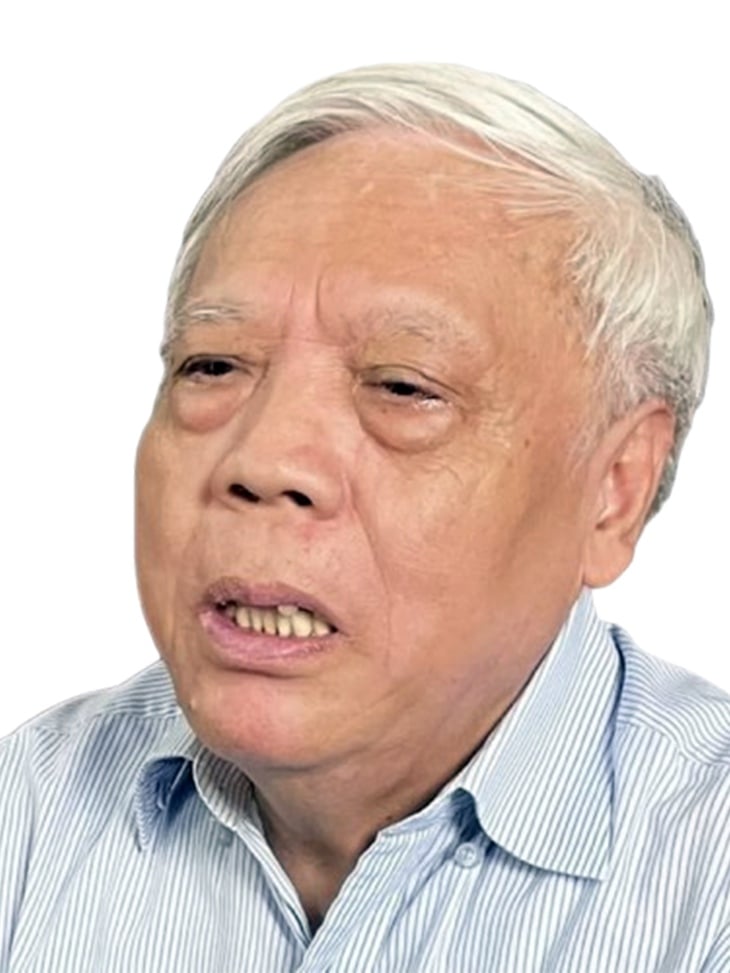
The Party's policy of rotating cadres was established very early on. During the Doi Moi (Renovation) period, starting from the 8th Party Congress, the Central Committee of the Party issued a resolution on the cadre strategy for the period of accelerated industrialization and modernization of the country, setting out the task of "rotating leading and managerial cadres between regions, sectors, and levels."
Subsequently, the Politburo of the 9th Party Congress also issued Resolution 11 on the rotation of leading and managerial cadres from the central level to local levels, and between localities.
Resolution 26/2018 of the 7th Plenum of the 12th Central Committee also sets the goal that by 2025, the provincial-level Party secretaries must essentially be non-local people.
Looking back at the country's history, even during the feudal era, the rotation of officials was implemented very systematically. For example, during the reign of King Le Thanh Tong, the policy of avoiding foreign rule introduced clear prohibitions such as stipulating that officials could not govern in their own hometowns. They were also forbidden from marrying or having marital relations with people from the locality where they governed. Furthermore, they were prohibited from buying land, gardens, fields, or houses in the localities they controlled...
These are progressive governance ideas aimed at preventing favoritism, avoiding entanglements stemming from kinship, neighborhood ties, and personal interests, while simultaneously ensuring the transparent and impartial operation of the public administration.
Therefore, the policy of appointing provincial and city Party secretaries who are not from the local area is a continuation of the nation's and the Party's traditions and history. At the same time, it demonstrates the Party's resolute determination to proactively build a "soft shield" against corruption, preventing the root causes of "backroom deals" and "group interests."
Implementing this at the present time has many advantages. Firstly, it clarifies the unity of the country, emphasizing that everywhere is one's homeland. Regardless of where one was born, the entire nation is united. This rotation of officials will foster the affection, responsibility, and talent of each individual, allowing them to contribute to different regions and hometowns.
Recent experience has also shown that many leaders transferred to other localities have boldly and decisively addressed long-standing problems in their areas. They possess a significant advantage in terms of objectivity and a spirit of innovation, thereby bringing a fresh perspective to governance and creating momentum for local development.
Thus, the significance of this policy extends beyond simply combating corruption; it also enables localities to break free from the vicious cycle of parochialism and unleash more sustainable development potential.
As General Secretary To Lam emphasized, in the coming time, consideration will be given to expanding other positions such as chairperson of the People's Committee, chairman of the inspection committee, etc., so that they are not local people, which is a very good thing.
I believe that for key, permanent positions involving significant management issues in agencies, where nepotism and group interests are likely to occur, it is necessary to rotate or assign personnel from other locations. This would be a way to address negative issues.
The most important thing in implementing this policy is to select the right cadres who possess the necessary qualifications, capabilities, intelligence, moral character, exemplary conduct, and good work practices, and who correctly implement the Party's policies and principles on unity and democratic centralism.
At that time, officials, whether from one province or another, in the South or the North, were able to demonstrate their capabilities and sense of responsibility to the Party and the people, successfully fulfilling their assigned tasks.
Source: https://tuoitre.vn/bi-thu-khong-la-nguoi-dia-phuong-ngan-tu-goc-tieu-cuc-san-sau-cuc-bo-2025100208072037.htm














































































Comment (0)