

Villas and townhouses in Ho Chi Minh City priced at around 30 billion VND or more are still being regularly advertised on several real estate websites.
A villa with a frontage on Street 13 in Thu Duc City, covering an area of 500m2, is being advertised for 53 billion VND. The real estate agent describes the property as having an 8m wide road in front, 3 bedrooms, and a legitimate ownership certificate. Also in Thu Duc City, a villa with two street frontages along the Saigon River, covering an area of 452m2, is being offered for sale at 45 billion VND.
In addition, some large villas on Le Van Sy, Nguyen Minh Hoang, Thang Long streets (Tan Binh district) or Ho Van Hue, Nguyen Van Troi streets (Phu Nhuan district) also have prices exceeding 30 billion VND per unit.
However, one broker noted that selling large, high-priced properties at this stage is not easy. This is because customers lack readily available funds, and obtaining bank loans remains difficult. Furthermore, sellers are not offering additional discounts and are keeping prices quite tight.
In the primary market, a report by Savills Vietnam shows that there is almost no activity taking place in the townhouse and villa segment. Despite Ho Chi Minh City's population exceeding 10 million, the supply is only around 770 units, the lowest in the past 10 years, and there is no new supply.
The market saw 64 transactions, with an absorption rate of only 8%. Developers have stopped selling, limited marketing, and abandoned diverse sales policies such as extended payment terms and rental guarantees to boost demand.
Ms. Giang Huynh, an expert from Savills Vietnam, observes that high-priced inventory (over VND 30 billion/unit) accounts for a large proportion of the market (86%), while the supply of new units is scarce, which is the reason for the sluggishness in this segment. At the same time, with no improvement in liquidity and interest rates, the market remains subdued.
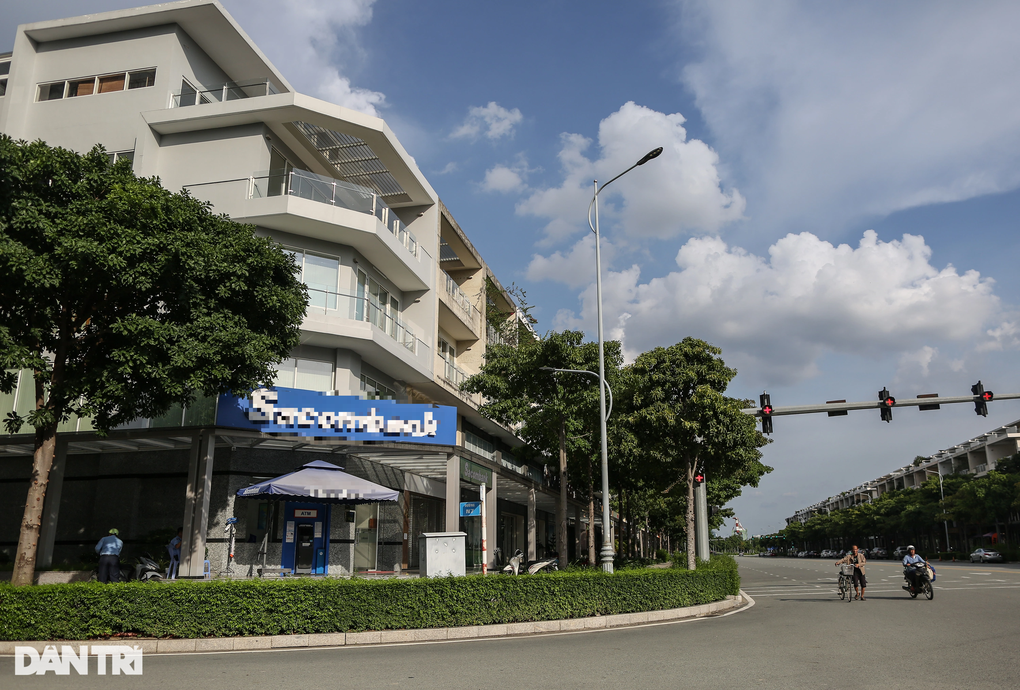
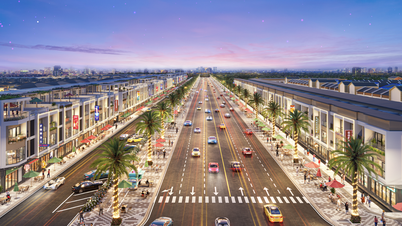
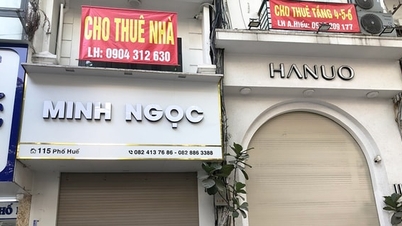
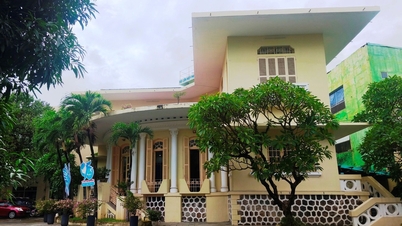
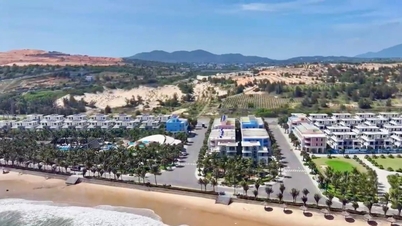
High-value townhouses and villas are difficult to sell in Ho Chi Minh City (Illustrative image: Hai Long).
The DKRA Group report also shows that the villa and townhouse market in the South has not seen much fluctuation in primary market prices. Secondary market liquidity is at an average level, with prices recording an average decrease of 11-15% compared to the beginning of the year. The context of declining market liquidity and pressure from interest rates has forced investors to cut profit margins/selling prices in order to recover cash flow.
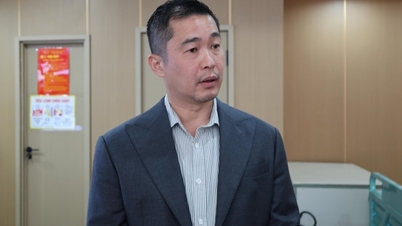
Speaking with a reporter from Dan Tri newspaper , Ms. Duong Thuy Dung, Senior Director of CBRE Vietnam, stated that at this time, the value of a product is the primary factor influencing homebuyers' decisions. Products with excessively high prices will certainly attract fewer buyers, not to mention the limited choices available on the market, such as in the townhouse and villa segments.
Seven or eight years ago, when villas and detached houses were quite common in Ho Chi Minh City, a series of projects in District 9 were offered on the market, giving customers more choices in the price range of 20-30 billion VND per unit. At that time, money was also abundant, so market liquidity was good.
Currently, Ms. Dung assesses that the supply does not offer many choices. Even wealthy customers find it difficult to choose a product because they may not be satisfied with certain aspects... especially with large sums of money, they are even more cautious in their investments.
Furthermore, affordability also significantly influences investment decisions. This is because townhouses and villas are among the slowest-recovering property types compared to others.
"This is a difficult economic time, and affordability greatly influences home buying decisions. Products priced around 10 billion VND per unit have better liquidity, whether they are apartments or land-attached properties," Ms. Dung said.
Source

























































































Comment (0)