

The foundation for human resource development.
In implementing the Ethnic Affairs Strategy for the period 2021-2025, the Department of Education and Training (GD&ĐT) has identified education as the "foundation" for promoting human development and narrowing the development gap between regions. The direction of implementation has been unified from the provincial level to the grassroots, linking the responsibility of each unit and school to the results achieved. Many important resolutions on educational investment, tuition fee exemptions and reductions, boarding school support, literacy programs, etc., have been drafted and issued, ensuring that students in disadvantaged areas have equal and quality access to education.
In Quang Ninh province's sustainable development strategy, improving the quality of human resources in ethnic minority areas has always been identified as a key task and a crucial link in narrowing the development gap between regions. During the 2021-2025 period, thanks to the province's decisive leadership and the coordinated efforts of the Department of Education and Training, many large-scale programs and projects have been implemented, bringing about significant changes in access to education, training quality, and development opportunities for students in ethnic minority areas. The preliminary report on the Ethnic Affairs Strategy by the Department of Education and Training paints a promising picture of the future human resources of ethnic minority regions.
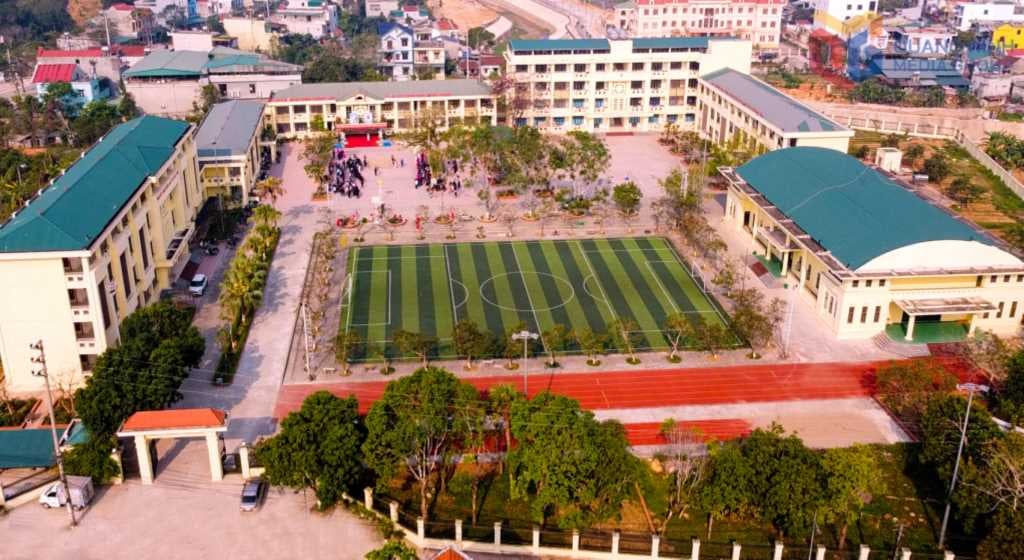
Previously, many schools in particularly disadvantaged areas lacked basic facilities, but now, thanks to strong investment from the province and national target programs, the face of education in ethnic minority areas has changed dramatically.
During the period 2022-2025, nearly 390 billion VND will be allocated to renovate, upgrade, and build 30 new schools in mountainous, border, and island communes. Ethnic minority boarding schools, semi-boarding schools, and schools with semi-boarding students will all be prioritized for upgrading towards standardization.
To date, Quang Ninh has 11,272 solid classrooms (accounting for 95.8%) and 92.07% of schools meet national standards - one of the highest rates in the country. These new classrooms and spacious learning facilities have significantly improved the learning conditions for ethnic minority students, creating a solid foundation for enhancing the quality of teaching and learning.
In particular, on November 9th, the province simultaneously commenced construction on six schools (one primary and secondary school and five boarding primary and secondary schools), including: Hoanh Mo Boarding Primary and Secondary School (Hoanh Mo commune); Binh Lieu Boarding Primary and Secondary School (Binh Lieu commune); Dong Tam Boarding Primary and Secondary School (Luc Hon commune); Quang Duc Boarding Primary and Secondary School (Quang Duc commune); Quang Son Boarding Primary and Secondary School (Duong Hoa commune); and Hai Son Primary and Secondary School (Hai Son commune). The construction of this school system along the border is an important step, contributing to the concretization of the Party and State's ethnic policies; creating momentum for socio -economic development, improving the intellectual level and quality of human resources, and enhancing the lives of people in border areas; while simultaneously strengthening national defense and security and building a strong border region.
Quang Ninh is one of the pioneering localities in expanding the scope and extending the implementation period of policies supporting ethnic minority students, ensuring that no student is left behind.
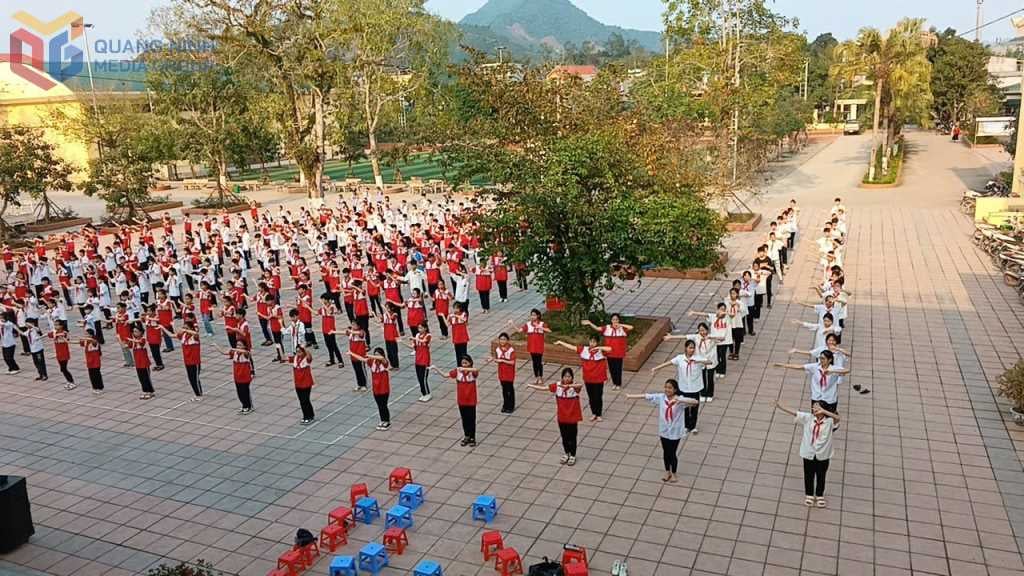
One of the key highlights is the comprehensive, timely, and expanded implementation of policies supporting students in ethnic minority areas. In addition to central government policies such as rice subsidies, lunch subsidies, and tuition fee exemptions, Quang Ninh province has also issued specific resolutions to maintain support for students in disadvantaged areas. These include: Resolution No. 204/2019/NQ-HĐND of the Provincial People's Council stipulating a number of support policies in preschool, primary, secondary, and continuing education institutions in the province; and Resolution No. 248/2020/NQ-HĐND of the Provincial People's Council amending and supplementing some articles of the Regulations issued with Resolution No. 204/2019/NQ-HĐND of the Provincial People's Council stipulating a number of support policies in preschool, primary, secondary, and continuing education institutions in the province...
By 2023, with no more disadvantaged or extremely disadvantaged communes in the province, the Provincial People's Council continued to issue Resolution No. 22/2023/NQ-HĐND on continuing to implement the province's specific policies stipulated in Resolution No. 204/2019/NQ-HĐND and Resolution No. 248/2020/NQ-HĐND for beneficiaries in communes that have been removed from the list of disadvantaged areas and communes and villages that have been removed from the list of extremely disadvantaged areas in the province. This aims to extend the policies supporting boarding for beneficiaries in the province, ensuring the continued implementation of the policy for ethnic minority and mountainous areas.
These policies have helped reduce the economic burden on many families, contributing to maintaining very high primary and secondary school enrollment rates in ethnic minority areas, with many indicators approaching 100%.
Teachers in mountainous regions: A cornerstone for elevating quality.
Human resource development relies not only on physical infrastructure but also on the teaching staff. In recent years, the education sector has focused on training, upgrading standards, and retraining teachers and administrators in ethnic minority areas.
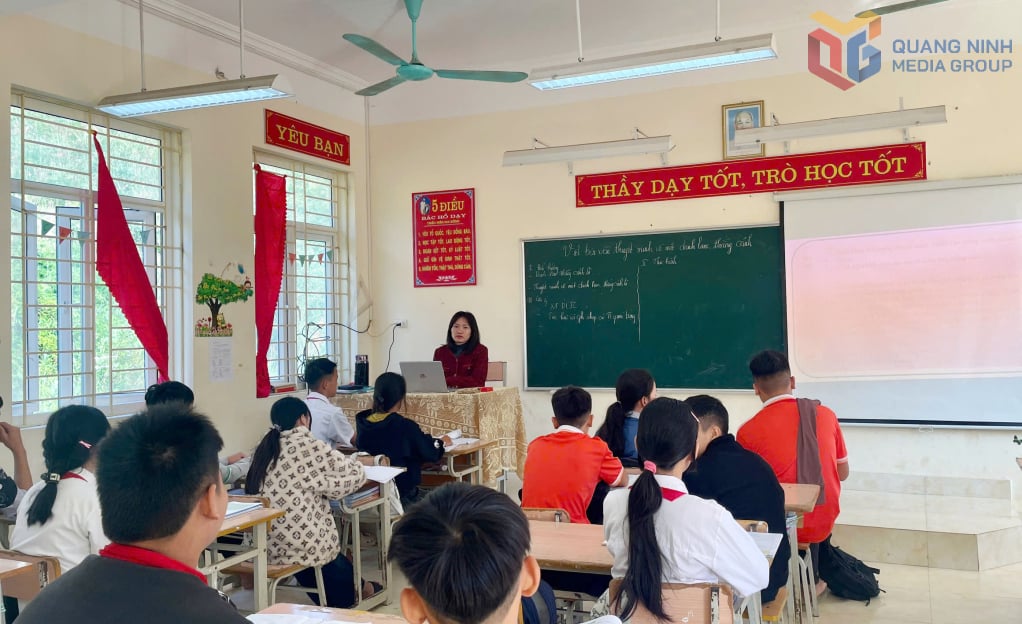
100% of teachers participated in professional training courses, focusing on new teaching methods, skills in organizing boarding and day-boarding activities, and skills in supporting ethnic minority students in their studies and communication. 100% of administrators and teachers in ethnic minority boarding schools completed the training modules and fully participated in regular training activities as prescribed. Many specialized training sessions on ethnic culture, school management skills, information technology, and foreign languages were regularly implemented.
As a result, teachers in mountainous areas not only meet the required qualifications but also gradually master modern technology and teaching methods, confidently implementing the new general education program.
Language has always been a major barrier for ethnic minority students. Recognizing this, Quang Ninh province has effectively implemented a project to strengthen Vietnamese language skills, helping ethnic minority preschool and primary school children acquire a solid foundation in Vietnamese to better understand and learn.
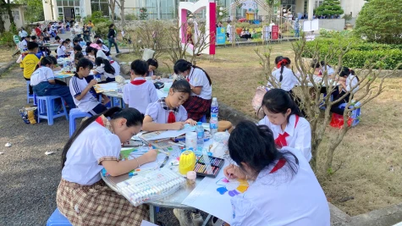
100% of schools in ethnic minority areas organize activities to enhance Vietnamese language skills. Many creative models such as "Vietnamese Language Festival," storytelling competitions, book introductions, cultural exchanges, etc., have made learning more accessible and engaging.
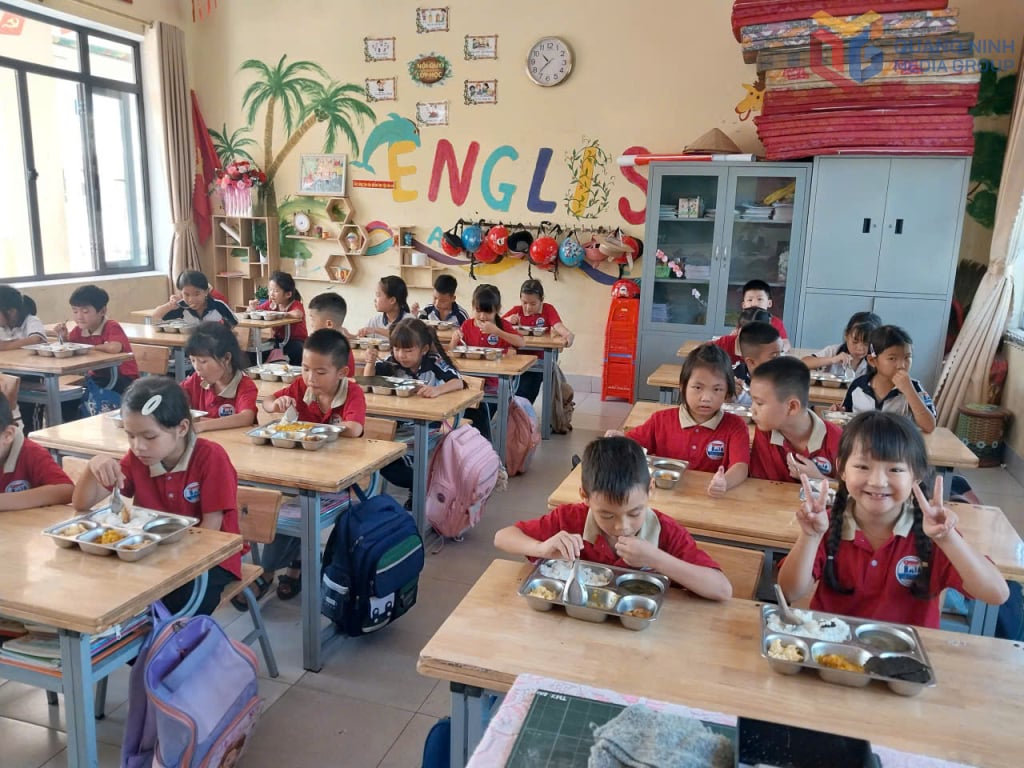
As a result, students are more confident and assertive; the completion rate for the class program and primary school program is almost 100%. This is a very important foundation for them to continue their education at a higher level, and for ethnic minority areas to have a quality workforce in the future.
Teacher Le Thi Sinh, from Son Hai branch of Nam Son Primary and Secondary School in Ba Che commune, said: “As someone born in an ethnic minority area, I understand the difficulties students face: language barriers, traditional customs, and a reluctance to ask questions. Therefore, when teaching, I always try to combine knowledge with local culture to make it easier for them to learn. In recent years, the school's facilities have been significantly improved, with modern teaching equipment, and teachers receive regular training on new methods, digital transformation, and differentiated instruction… resulting in a noticeable increase in teaching effectiveness. What makes me happiest is that the students are much more confident and assertive. I believe that if the policies supporting ethnic minority areas continue as they are now, the younger generation of our ethnic minority people will have more opportunities to rise up and contribute to our homeland.”
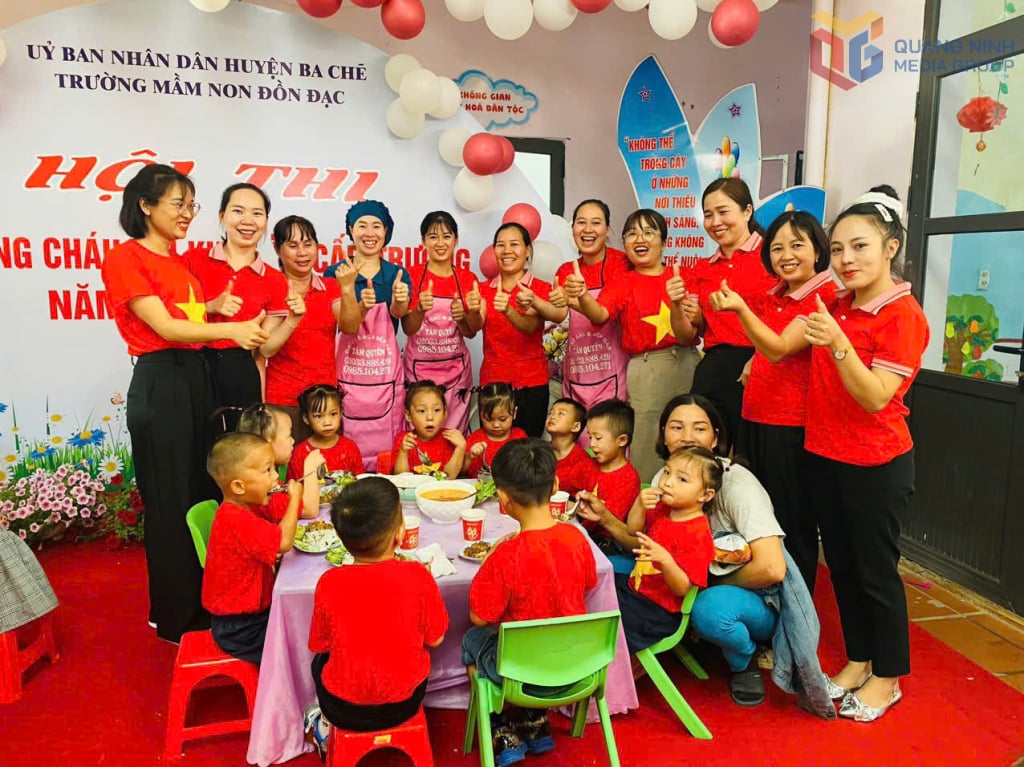
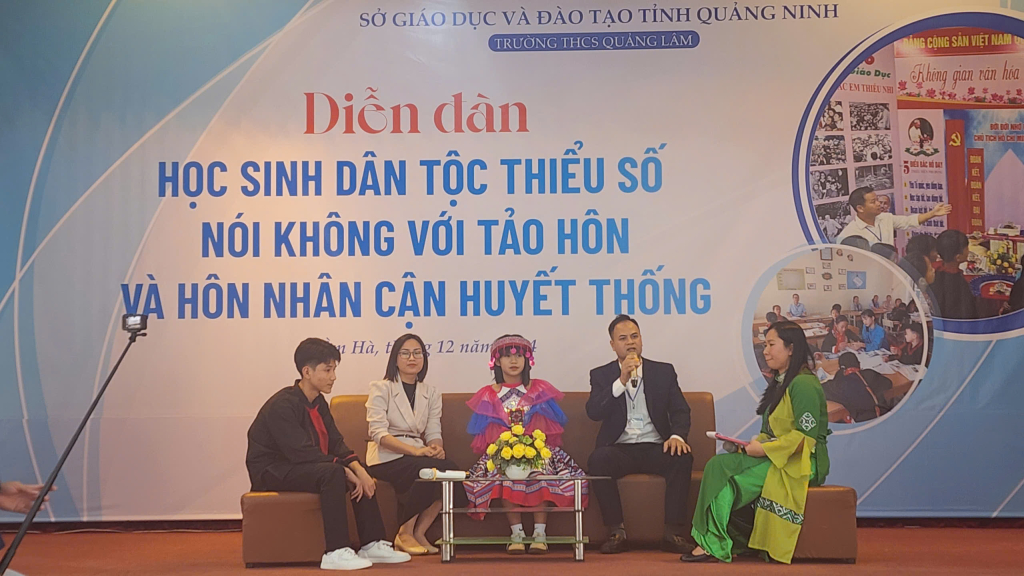
Alongside teaching activities, the education sector has also focused on implementing the Project to Reduce Child Marriage and Consanguineous Marriage. Twelve forums on legal education and reproductive health have been organized, attracting more than 4,000 students and teachers from ethnic minority areas. At each forum, students had direct dialogues with obstetricians, watched short plays and documentaries, and participated in interactive games to understand the consequences of child marriage. A noteworthy result: In recent times, there have been no cases of child marriage among ethnic minority students. This is not only the result of communication within schools, but also reflects a positive shift in the awareness of families and communities.
Simultaneously, the Education sector has intensified legal awareness campaigns in schools, covering topics from cybersecurity and traffic safety to drug prevention and school violence. Hundreds of documents, leaflets, and thematic materials have been distributed to students; numerous province-wide legal competitions have been organized.
For ethnic minority students, this activity is of particular importance, helping them understand the law, confidently integrate into society, become responsible citizens, and contribute to the development of their community.
Ly Thi Mai, a student at Nam Son Primary and Secondary School in Ba Che commune, shared: “Previously, I and many of my classmates were hesitant to participate in awareness sessions because we thought they were just theoretical lectures. But when the school reformed the format with competitions on legal knowledge, forums on preventing child marriage or school violence, we were able to directly discuss and perform skits, so we found it much more relatable and easier to understand.”
Thanks to these activities, I learned how to protect myself online, avoiding befriending strangers and not sharing personal information indiscriminately. Regarding child marriage, we listened to the doctors explain the consequences, so everyone became more aware. Many classmates even spread the word to their families and neighbors.
In Quang Ninh, teaching foreign languages is no longer a goal exclusive to city schools. Through the Project to Improve the Quality of Foreign Language Teaching and Learning in the period 2023-2025, schools in ethnic minority areas have access to a variety of foreign language programs and activities: teacher training, English clubs, English festivals, debate competitions, etc.
Vi Nhat Ha, a student in class 6A at Tinh Huc Secondary School in Binh Lieu commune, said: "What we like most is the computer lab, because we've never had the chance to learn on computers before. Now we have practical lessons every week, and the teachers even guide us in learning English through software. With such facilities, we want to try even harder to achieve better academic results."
In particular, Chinese is taught at 15 junior and senior high schools in border areas, helping students adapt well to the border trade environment, where there is a high demand for workers who know Chinese. This is an important step to improve the job prospects of ethnic minority youth right in their hometowns.
A major shift for a new phase.
To create a local workforce, during the period 2021-2025, the province's vocational education system enrolled more than 173,800 people, including over 2,400 ethnic minority students who received vocational training support.
Many of the trainees have found stable jobs in industrial zones, tourist areas, border trade services, or have returned to develop their family's economy. This is clear evidence of the effectiveness of early career guidance for young people in ethnic minority areas.
Despite achieving many positive results, education in ethnic minority areas still faces numerous difficulties, such as: the limited living standards of people in many highland communes, affecting their ability to invest in their children's education; some parents still believe in having their children drop out of school early to work; there is still a shortage of teachers in some specialized subjects; policies to attract teachers in disadvantaged areas are not attractive enough; and the procurement of teaching equipment is still hampered by bureaucratic procedures.
Addressing these limitations will be key to Quang Ninh's continued improvement of the quality of its ethnic minority workforce in the next phase.
Following the direction of the province and the Department of Education and Training, in the coming time, Quang Ninh will continue to focus on perfecting mechanisms and policies that prioritize ethnic minority areas; continue investing in modern infrastructure; improve the quality of teaching and learning, especially Vietnamese and foreign languages; innovate vocational education and strengthen linkages in vocational training; develop a sufficient number of high-quality teachers; and promote digital transformation in schools. This will be the foundation for forming a generation of young ethnic minority citizens with knowledge, skills, confidence, and the ability to integrate well – an important factor for Quang Ninh's sustainable development.
Looking back at the period from 2021 to 2025, it is clear that education in ethnic minority areas has been and continues to be a bright spot in the overall development picture of Quang Ninh. From policy to practice, from classrooms to communities, all efforts are directed towards the greatest goal: improving the quality of human resources and creating sustainable opportunities for the children of ethnic minorities.
Through steady, coordinated, and humane steps, Quang Ninh has been building a comprehensive learning society, ensuring that all students, whether in mountainous, border, or island areas, have the opportunity to develop to their fullest potential.
Source: https://baoquangninh.vn/but-pha-nang-chat-luong-nhan-luc-vung-dan-toc-thieu-so-3386630.html





![[Photo] National Assembly Chairman Tran Thanh Man successfully concludes his participation in IPU-152](https://vphoto.vietnam.vn/thumb/1200x675/vietnam/resource/IMAGE/2026/04/18/1776502638199_vna-potal-chu-tich-quoc-hoi-ket-thuc-tot-dep-chuong-trinh-tham-du-ipu-152-8709975-jpg.webp)














































































Comment (0)