

The soul of community culture
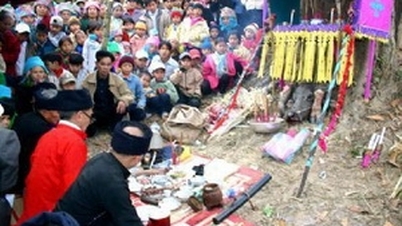
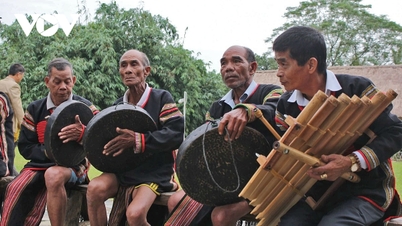
Folk songs and dances are the lifeblood nourishing the spiritual lives of ethnic minority communities. They are not only performing arts but also invaluable treasures of folk knowledge, an "epic" reflecting the soul, beliefs, and customs of people over centuries. Folk songs and dances are intimately connected to each individual through the songs sung by their grandmothers and mothers at birth; during harvest festivals and spring celebrations; and even during funeral rites ... They are a spiritual language that connects communities, fosters solidarity, and instills national pride.
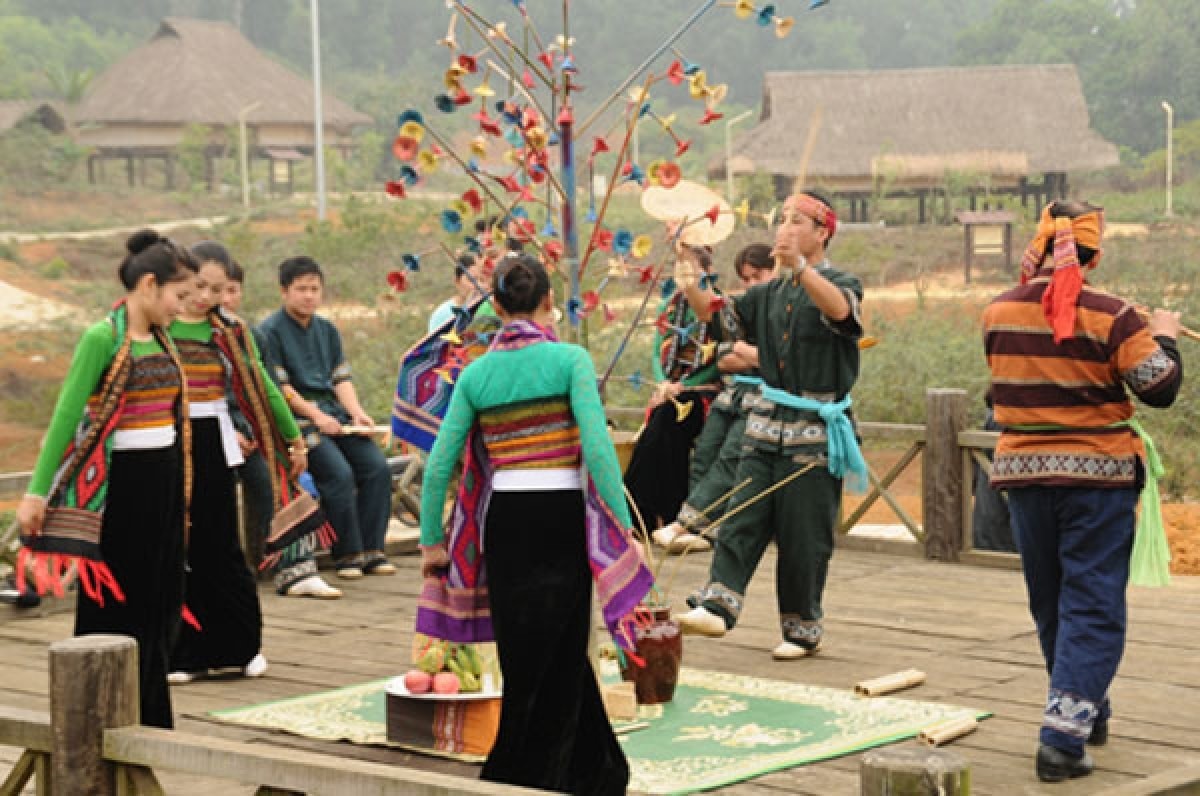
The northern mountainous region is home to more than 30 ethnic groups, with ethnic minorities accounting for over 65% of the region's population. Researcher Dang Thi Oanh stated that, through surveys and studies, folk songs of the ethnic minorities in the northern mountainous region constitute a significant portion of each ethnic group's folk literature. Based on their content, they can be divided into: ritual folk songs (including folk songs for worshipping deities in life cycle rituals); folk songs for daily life (love songs, nursery rhymes, lullabies, family songs, songs of lament, etc.); songs praising the beauty of nature and the country (love for homeland, descriptions of mountain and forest landscapes, etc.); and labor folk songs (describing and praising labor activities such as planting, harvesting, stone quarrying, and slash-and-burn farming).
Folk songs of ethnic minorities in the northern mountainous regions are one of the unique cultural heritages. However, amidst strong cultural exchange and integration, the culture of ethnic minority communities, including their folk songs, is threatened and at risk of fading away and being lost.
According to statistics on 53 ethnic minority groups, only 16.2% of households know their traditional songs; 6.4% know how to play traditional musical instruments. Furthermore, many elderly artisans – “living treasures” – are passing away before they could pass on their folk songs and dances to the next generation. Some folk melodies of ethnic minorities such as the Si La, Mang, and La Hu… are facing the risk of extinction.
Conservation linked with tourism development.
Faced with the rapid decline of folk songs and dances of ethnic groups, numerous projects and initiatives to collect, research, preserve, and teach folk music have been implemented. The Ministry of Culture, Sports and Tourism issued Decision No. 3404/QD-BVHTTDL on December 22, 2021, approving the Project “Preserving and promoting the value of folk songs, dances, and music of ethnic minorities in conjunction with tourism development in the period 2021-2030”. This project aims not only to preserve the original traditional values but also to link them with tourism development, transforming cultural heritage into a sustainable economic resource.
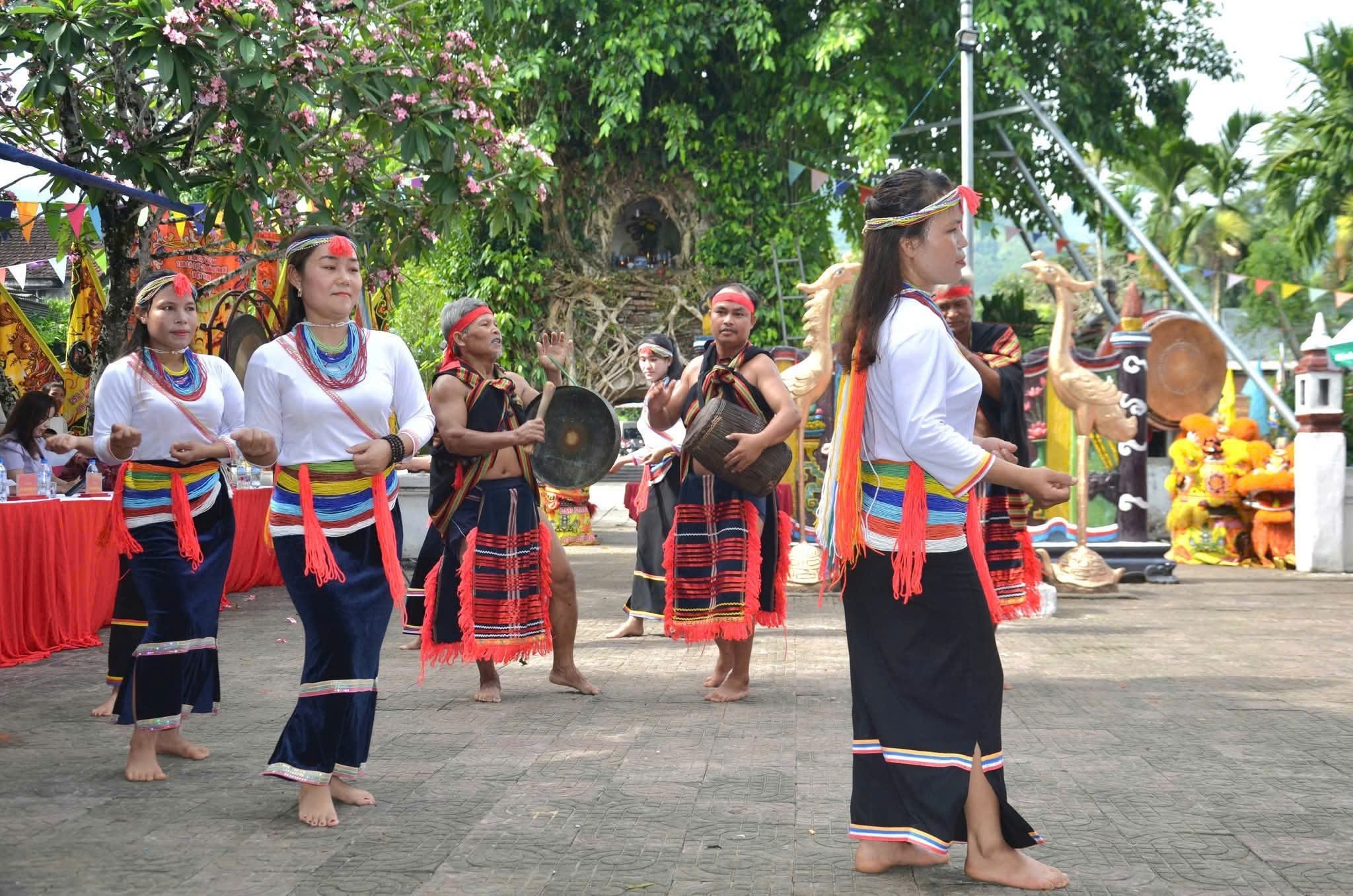
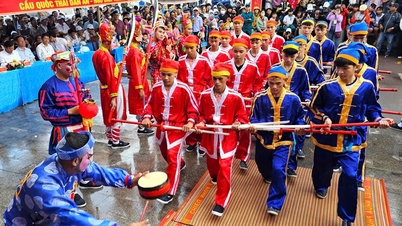
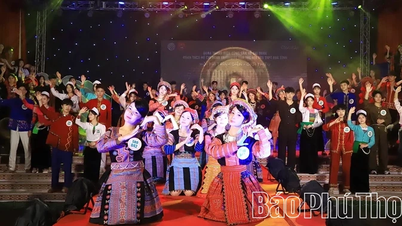
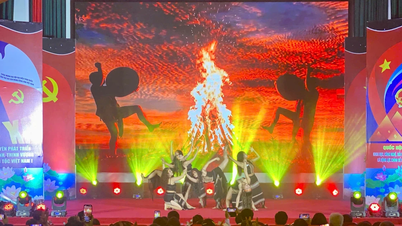
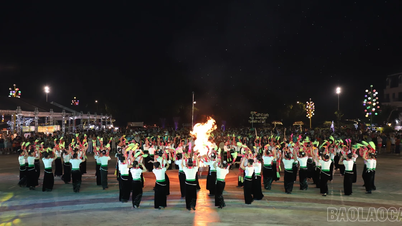
At the local level, many places have proactively implemented conservation activities. Folk song festivals, competitions, and folk song clubs have contributed to rekindling love and passion within the community. In some places, folk songs and dances have even been incorporated into community tourism, helping to attract tourists to tourist destinations. This is considered one of the effective and relatively sustainable ways of conservation.
Besides linking it to tourism development, experts suggest that attention should be paid to training the next generation, opening classes to teach folk songs and dances right in schools, and inviting artisans to teach in order to awaken pride and encourage young people to participate. At the same time, there should be activities to honor artisans, and policies to reward and support them so that they can confidently teach and create, because they are the "living treasures" of the national culture.
In the context of rapid technological development, applying digital technology to digitize folk songs and dances, building online databases, and disseminating them on social media will help heritage reach younger generations more easily and breathe new life into traditional values.
Furthermore, promoting folk songs and dances in cultural exchange programs is crucial so that the heritage of ethnic groups is not only preserved but also becomes a source of pride. This is the path for folk songs and dances to both maintain their traditional identity and harmonize with modern life.
Source: https://baolaocai.vn/giu-hon-nui-rung-post888159.html




















































Comment (0)