

Lymph node swelling, infection, hematoma, keloid scarring… are some of the possible complications that can occur during skin cancer treatment.
Skin cancer is common and can be cured in its early stages. Complications usually arise from cancer not being diagnosed or treated early enough to prevent metastasis. There are three common types of skin cancer: basal cell carcinoma, squamous cell carcinoma, and melanoma (the most aggressive and dangerous type).
DNA damage from sun exposure or ultraviolet (UV) radiation is a common cause of skin cancer. Other causes include genetics, radiation exposure, and chemical exposure. Below are some complications of the disease.
Increased or decreased pigmentation
Hyperpigmentation is caused by an excess of melanin (the brown pigment that gives normal skin its color), resulting in darker patches of skin. Hypopigmentation is a condition where skin pigmentation is lost, making certain areas appear lighter than the overall skin tone. Both can occur in areas of skin treated for cancer and often do not return to normal.
Changes in skin firmness and texture.
Melanoma that is growing around nerves and has penetrated quite deeply and grown very large may require treatment with surgery and adjuvant radiation therapy. After surgery, radiation is focused on the tumor site and the lymph nodes draining the area to prevent the cancer from recurring. This can lead to tighter and firmer skin, changes in blood vessels, and changes in skin texture. These changes often last.
Lymphedema
Lymphedema is swelling caused by fluid buildup when the lymphatic system becomes blocked, preventing fluid from draining. This often occurs when lymph nodes are damaged or removed. Skin cancer that spreads to the lymph nodes, or cancer cells that penetrate deeply causing skin ulceration (damaged skin) requiring surgical removal, can lead to lymphedema.
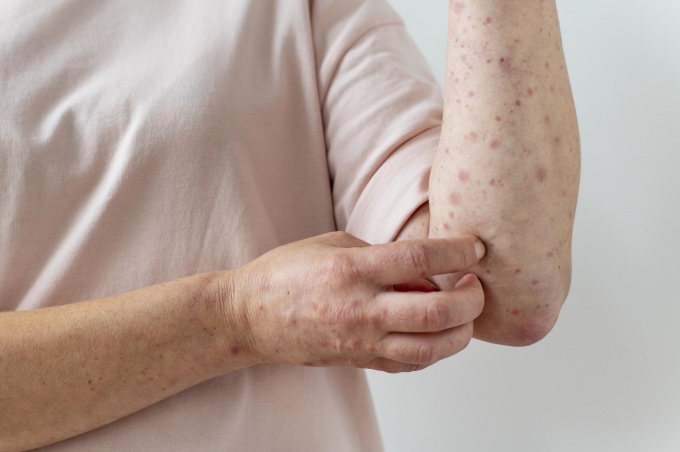
Excessive exposure to sunlight or ultraviolet rays is a common cause of skin cancer. Photo: Freepik
Wound infection
The risk of infection after skin cancer surgery can occur if the surgical wound is not properly cared for. Most surgical wound infections occur within 30 days of surgery. Symptoms of infection include pus draining from the wound, redness, pain, and warmth to the touch. Staphylococcal infection is the most common, often occurring in the nasal area.
Factors that increase the risk of post-surgical infection include poorly controlled diabetes, immune disorders, being overweight or obese, smoking, steroid use, or surgery lasting longer than 2 hours. To reduce the risk of infection, you should wash your hands thoroughly before caring for the wound, avoid caring for the wound in the bathroom as many bacteria can live there, and apply moisturizer after cleaning the incision.
Congestion
A hematoma is bleeding beneath the skin's surface, forming a mass and putting pressure on the wound. If the hematoma ruptures, it can cause infection and hinder wound healing. Strenuous activity that puts excessive strain on an unhealed wound can cause hematomas. People taking blood thinners are at higher risk of developing this condition and should be especially careful.
Numbness and pain
Patients with skin cancer may experience numbness, tingling, and pain due to nerve damage caused by surgery. These symptoms may improve over time.
Muscle, nerve, and bone damage
Untreated melanoma tumors can grow and spread, affecting muscles and bones. In this case, doctors may have to surgically remove some nerves to eliminate the cancer, which can lead to bone and muscle changes (deformities) in the surgical area after the operation. These changes are irreversible.
Metastasis
Melanoma is more likely to metastasize than squamous cell or basal cell carcinoma. The malignant tumor can spread to the lymph nodes, lungs, liver, bones, and brain, causing pain, bleeding, and paralysis, and can even be life-threatening.
Melanoma has a recurrence rate of less than 5% after tumor removal because cancer cells may have spread to the lymph nodes and tissues before surgery. Recurrent melanomas appear as dark or pink spots at or around the surgical site.
Scar
Scarring after skin cancer treatment depends on the tumor's growth, associated characteristics, degree of malignancy, and the area it affects. The face, areas around the eyes, nose, lips, hands and feet, genitals, and the front of the lower legs are high-risk areas for scarring.
Basal cell and squamous cell carcinomas can be treated with laser, cryotherapy, topical creams, or photodynamic therapy. These methods leave less scarring. Melanoma is usually treated with surgery, which often leaves more scarring because the tumor penetrates deeper into the skin than other skin cancers. Surgeons typically remove the tumor and some surrounding healthy tissue to prevent recurrence, resulting in raised and large scars. Surgical scars are usually not dangerous but are aesthetically unappealing.
Anxiety and depression
You may experience anxiety, stress, and depression related to treatment or the cancer itself. However, patients should remain calm and mentally prepare themselves for the treatment plan. Skin cancer is curable, even melanoma, if detected early; prolonged treatment can improve the prognosis.
Mai Cat (According to Everyday Health )
Source link



































































































Comment (0)