

Roberto Burneo, president of Peru's National Election Supervisory Council, announced the move on Tuesday (December 2) and said he feared the 2026 election would be more violent than the 2021 campaign, which recorded about 50 violent events.
"What we want is to prevent and identify risks," he told reporters. "No effort should be spared, even if it means using bulletproof vests."
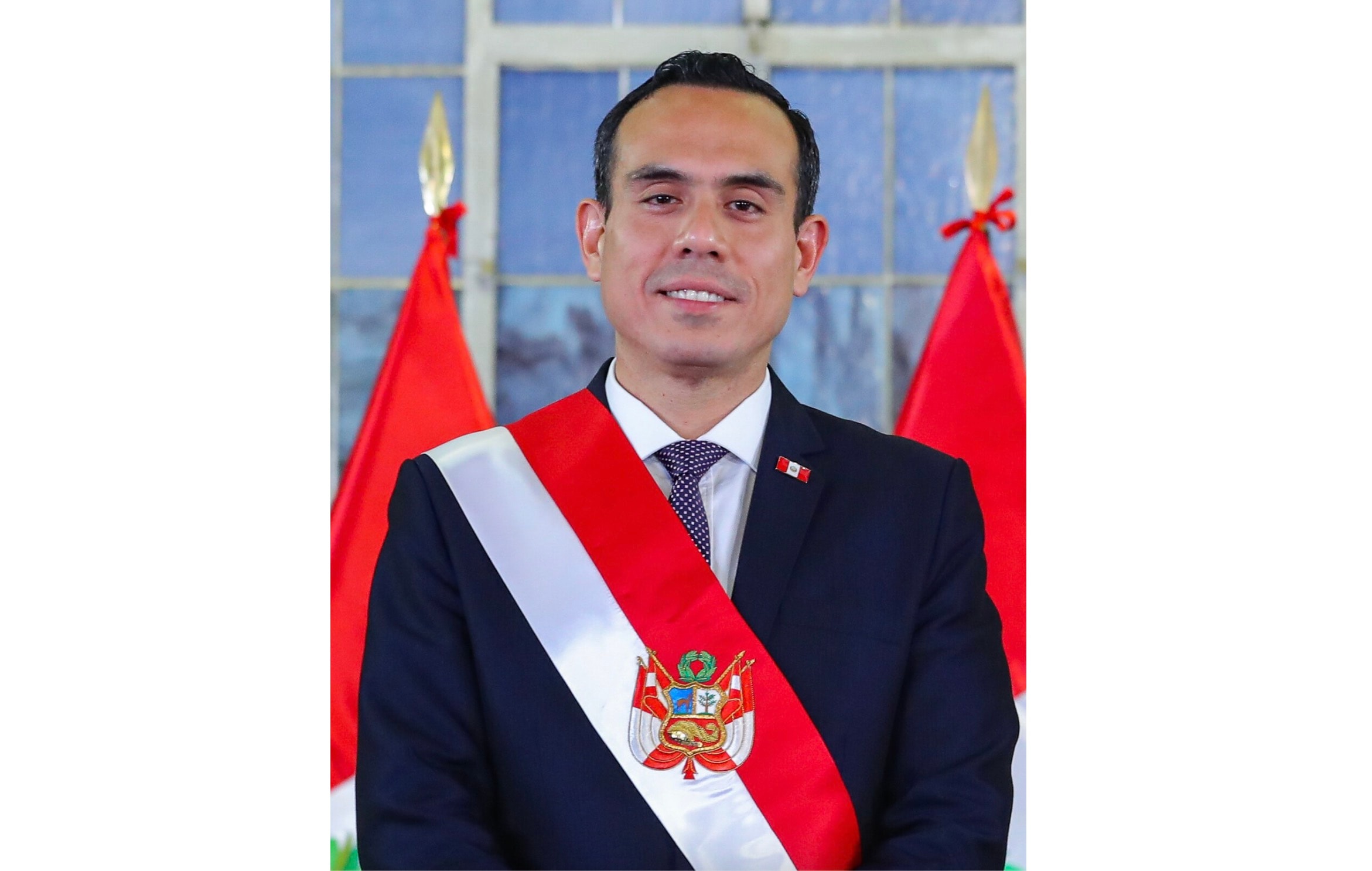
Election workers will also be equipped with the protection, he said. It is not yet clear whether candidates for lower-level positions will receive bulletproof vests.
On April 12 next year, Peruvian voters will elect a president, two vice presidents and 190 members of the bicameral parliament .
Some 39 political parties or coalitions are expected to field candidates by December 23, up from 18 in 2021. No potential presidential contender has garnered more than 10% support, according to an Ipsos Peru poll on Sunday, and a second round of voting is scheduled for June 7, 2025.
Also on Tuesday, Rafael Belaunde, a potential presidential candidate for the Popular Freedom Party (Libertad Popular), was shot while in his car in Lima, prompting him to return fire.
Mr Belaunde described the attack as street crime rather than politically motivated. He said he was dealing with personal matters at the time, not campaigning. "We cannot normalise violence," he said.
Peru has a turbulent political landscape with seven presidents in seven years, some of whom are now behind bars.
Incumbent President Jose Jeri, who succeeded Dina Boluarte in October, declared a state of emergency shortly after taking office to curb insecurity.
Source: https://congluan.vn/cac-ung-vien-tong-thong-peru-duoc-cap-ao-chong-dan-sau-cac-vu-no-sung-10320334.html
![[Photo] Cat Ba - Green island paradise](/_next/image?url=https%3A%2F%2Fvphoto.vietnam.vn%2Fthumb%2F1200x675%2Fvietnam%2Fresource%2FIMAGE%2F2025%2F12%2F04%2F1764821844074_ndo_br_1-dcbthienduongxanh638-jpg.webp&w=3840&q=75)














































![[VIMC 40 days of lightning speed] Hai Phong Port determined to break through, reaching the target of 2 million TEUs by 2025](https://vphoto.vietnam.vn/thumb/402x226/vietnam/resource/IMAGE/2025/12/04/1764816441820_chp_4-12-25.jpeg)




































Comment (0)