

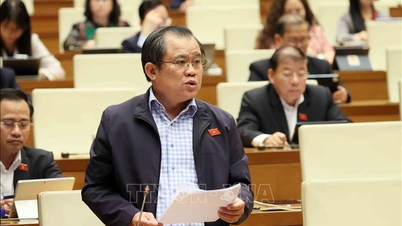
On the morning of December 3, in Hanoi, the United Nations Office for Project Services (UNOPS), through the Southeast Asia Energy Transition Partnership (ETP), in coordination with the Department of Finance and Sectoral Economics ( Ministry of Finance ) organized the Workshop "Promoting private sector participation in investment in the energy sector".
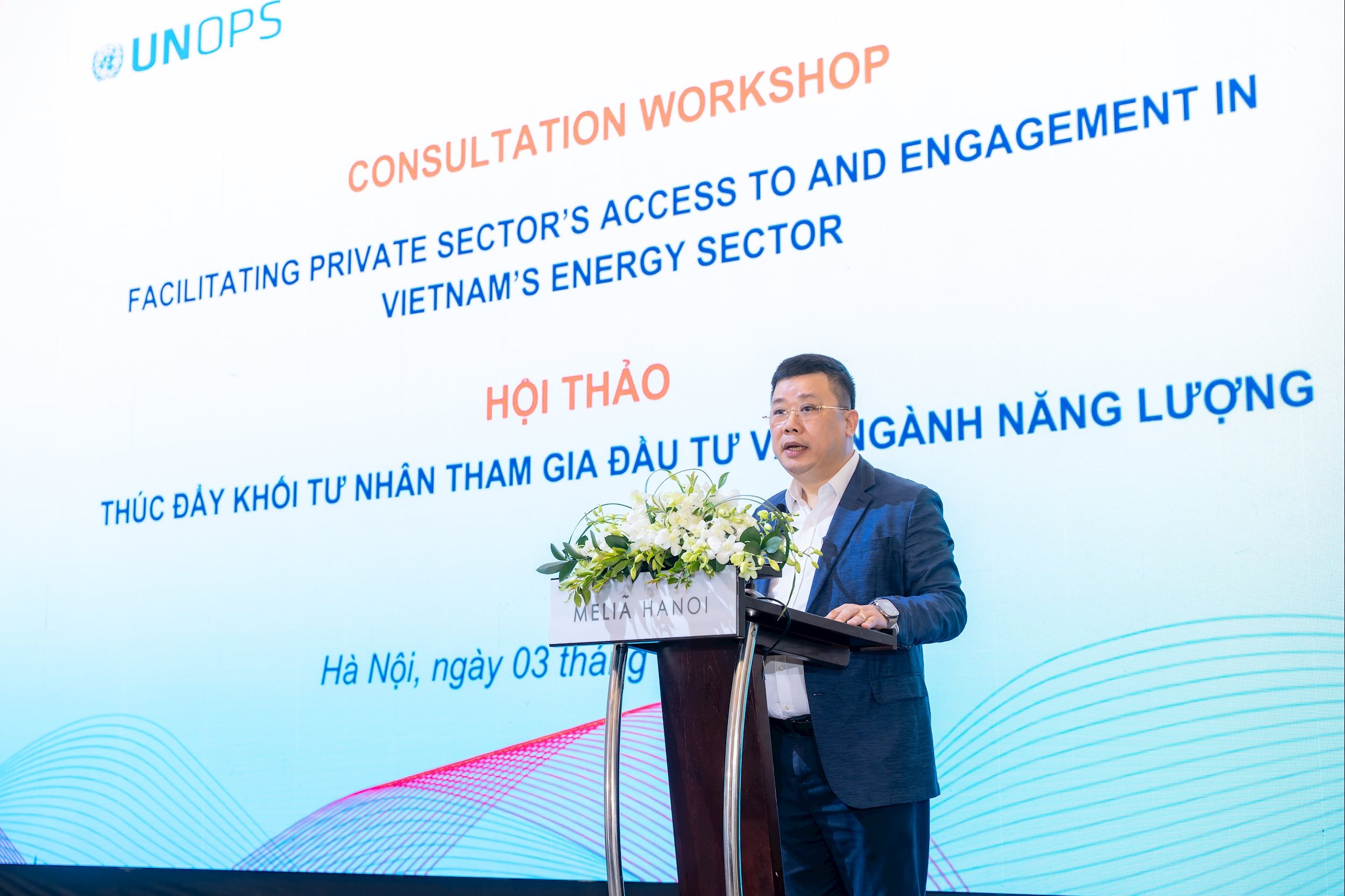
Speaking at the workshop, Deputy Director of the Finance and Economic Department Le Tuan Anh said that Vietnam is entering a period of strong transformation, with a positive GDP growth rate and energy demand expected to increase by an average of 8-10% per year in the next decade.
Resolution No. 55-NQ/TW of the Politburo on the orientation of Vietnam's national energy development strategy to 2030, with a vision to 2045, clearly defines the goal of modernizing the energy system, developing a competitive and transparent energy market, and prioritizing the mobilization of all social resources for renewable energy development.
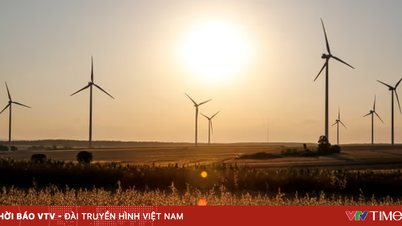
Power Master Plan VIII forecasts the total investment demand for the electricity industry in the 2021-2030 period to reach 134 billion USD, of which private capital is expected to account for a large proportion to meet the requirements of developing a modern, flexible and low-emission power system.
At COP26, Vietnam made a strong commitment to achieving net zero emissions by 2050. This is a strategic goal that requires large-scale mobilization of domestic and foreign financial resources.

ETP/UNOPS Deputy Director John Robert Cotton informed that the International Energy Agency estimates that emerging and developing economies will need to increase annual clean energy investment from about 770 billion USD today to 2.2 trillion USD by 2030. Accordingly, it is estimated that private investment capital must increase nearly 7 times, from 135 billion USD to about 1.1 trillion USD.
In Vietnam, the Politburo Resolution No. 68-NQ/TW on private economic development has outlined a clear vision for a more dynamic private sector; acting quickly to improve the investment environment, reduce barriers and expand economic opportunities.
This sends a strong signal to investors and strengthens the role of the private sector across the economy, including the energy transition, said John Robert Cotton.
Director of the Asia Foundation - PRIM Project on improving the ability to attract capital for Vietnam's clean energy industry Filip Graovac added that, together with Resolution No. 68-NQ/TW, Resolution No. 70-NQ/TW on ensuring national energy security until 2030, with a vision to 2045, it has shown that this is not only an administrative change but also creates clarity for investors, that the Government has understood and will resolve the difficulties that investors encounter, including issues of project approval, power purchase contracts, etc.
Along with that, Vietnam has a developing economic structure, identifying the development of important industries such as the semiconductor industry. Many companies are committed to using clean energy – something that not all emerging markets have… These are important points to attract private investors to the energy sector.
Mr. Filip Graovac recommended that with a “predictable” policy system and consistent policy implementation, “there will be nothing to prevent the promotion and expansion of investment in the future.”
Looking at the FIT price mechanism in attracting investment in the energy sector, Vice President of the Vietnam Energy Association Nguyen Anh Tuan said that to attract private investment, there is no single most important policy, but requires a comprehensive policy, considering the pros and cons, the problems that may arise, thereby completing the policy set/set of policy tools to promote sustainable development.
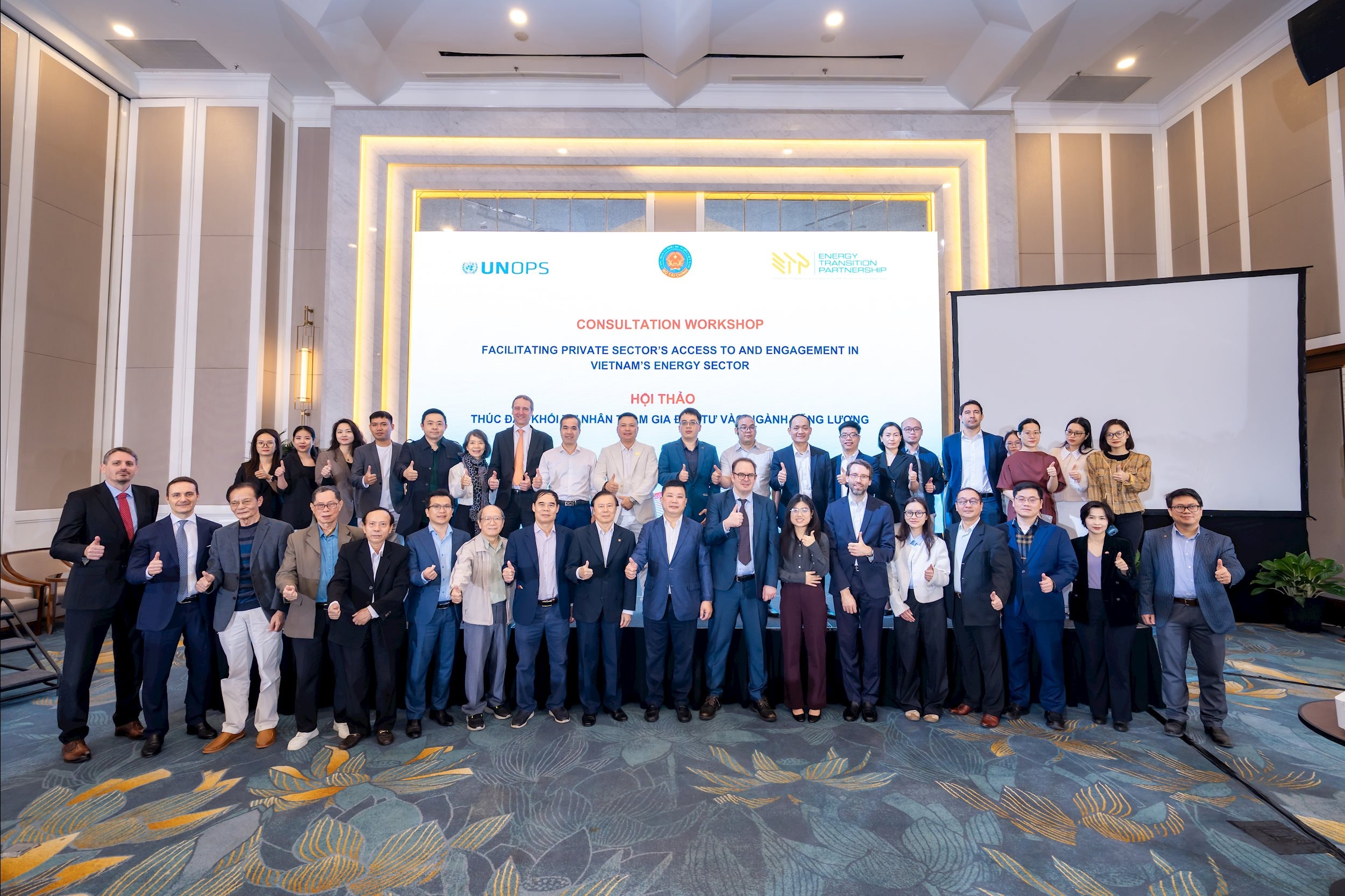
In conclusion, delegates agreed that, in the context of Vietnam accelerating the energy transition towards the Net Zero goal, mobilizing private resources plays a key role in meeting the growing demand for energy infrastructure investment, improving energy security, and promoting green growth.
To attract private investment in the energy sector, it is necessary to have State support through a consistent and predictable policy system, creating strategic trust to work together to achieve the set goals.
Source: https://daibieunhandan.vn/chinh-sach-nhat-quan-se-thu-hut-dau-tu-vao-nang-luong-10398058.html

![[Photo] Cat Ba - Green island paradise](/_next/image?url=https%3A%2F%2Fvphoto.vietnam.vn%2Fthumb%2F1200x675%2Fvietnam%2Fresource%2FIMAGE%2F2025%2F12%2F04%2F1764821844074_ndo_br_1-dcbthienduongxanh638-jpg.webp&w=3840&q=75)













![[Infographic] Cross-calculated exchange rates to determine taxable value from December 4-10](https://vphoto.vietnam.vn/thumb/402x226/vietnam/resource/IMAGE/2025/12/04/1764832340841_infographic-ty-gia-tinh-cheo-de-xac-dinh-tri-gia-tinh-thue-tu-4-1012-20251204120447.jpeg)





























![[VIMC 40 days of lightning speed] Da Nang Port: Unity - Lightning speed - Breakthrough to the finish line](https://vphoto.vietnam.vn/thumb/402x226/vietnam/resource/IMAGE/2025/12/04/1764833540882_cdn_4-12-25.jpeg)






























Comment (0)