

Although supply chains have gradually been restructured, the reality is that the majority of Vietnamese industrial enterprises are still small-scale and unable to participate deeply in the value chain.
On the afternoon of June 26th, the Vietnam Chamber of Commerce and Industry (VCCI), in collaboration with the Business Forum Magazine, organized the 2024 Business Forum with the theme "Diversifying supply chains, developing markets, and enhancing the adaptability of businesses".
Speaking at the Forum, Mr. Hoang Quang Phong – Vice Chairman of VCCI – stated: “Diversifying production, supply, and value chains is not only an objective requirement but also an important orientation of the Party and Government . The documents of the 13th Party Congress emphasized the continued promotion of the role of state-owned enterprises in forming and expanding production, supply, and value chains.”
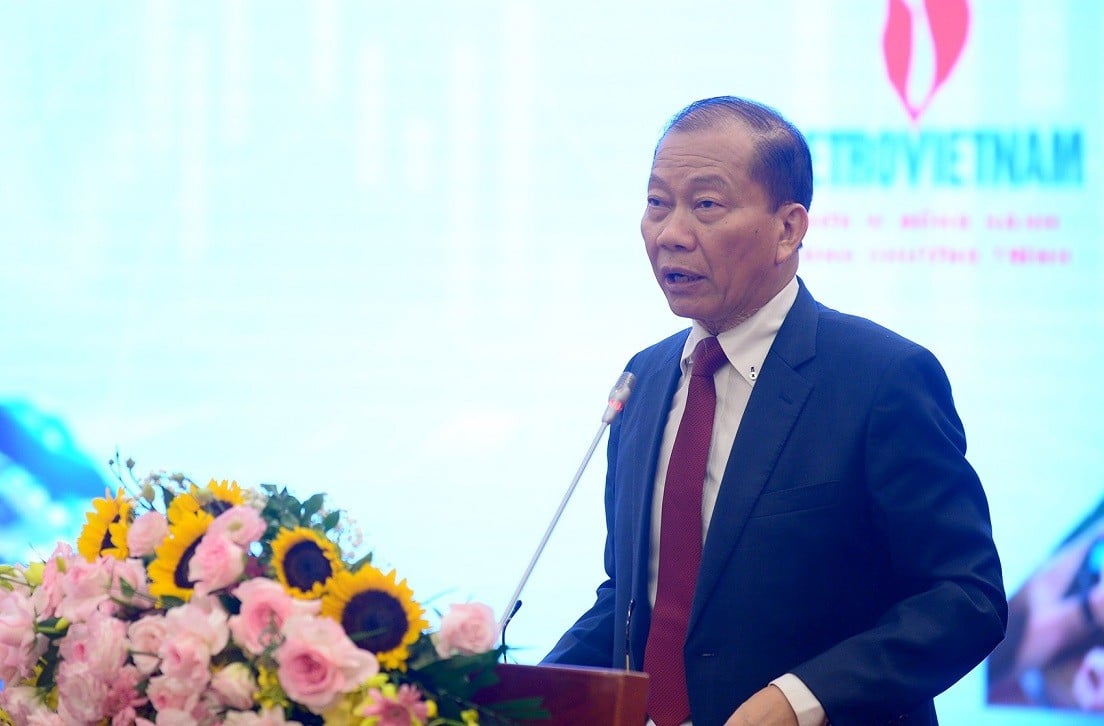 |
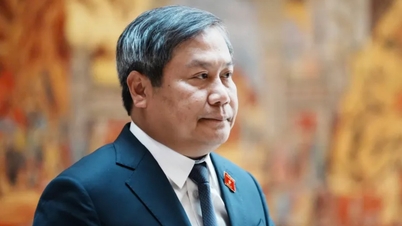
| VCCI Vice President Hoang Quang Phong speaks at the Forum. (Photo: Van Chi) |
In Resolution No. 41-NQ/TW on building and promoting the role of Vietnamese entrepreneurs, the Politburo set the goal that by 2030, a number of enterprises will have an important position and role in global supply chains and value chains; mastering a number of industrial and agricultural value chains, and possessing international competitiveness in fundamental, priority, and key industries.
At the same time, the Vice President of VCCI affirmed: “With the ambition to rise in the value chain, Vietnam has a unique opportunity to exploit its position in global value chains. The Government's goal is to develop networks of first-tier (direct) and second/third-tier (indirect) suppliers domestically, connecting them with final assembly stages with the expectation of guiding these businesses to produce more complex products and diversify their export 'basket' of goods.”
Therefore, in the future, support policies must stem from the needs of businesses. Businesses must be the ones to identify their needs first, and then the Government will design support programs to help businesses grow stronger, increase competitiveness, and enhance the capacity of domestic businesses in important sectors with great potential for linkages.”
Experts at the Forum noted that, in the current context, new trends continue to affirm the correctness of Vietnam's foreign policy priorities. Vietnam is a member of many regional initiatives and linkages, such as the Asia-Pacific Economic Cooperation (APEC) Forum, the Comprehensive and Progressive Trans-Pacific Partnership (CPTPP), and the Vietnam-European Union Free Trade Agreement (EVFTA)...
Furthermore, Vietnam has also participated in the negotiation process of several initiatives and agreements, such as the Indo-Pacific Economic Framework (IPEF), the Free Trade Agreement between Vietnam and the EFTA (VN-EFTA FTA), and the Free Trade Agreement between Vietnam and Israel (VIFTA). This presents favorable opportunities in Vietnam's increasingly deep integration into the international community.
In the positive results of Vietnam's economy in the first six months of 2024, a strong recovery in export activities was recorded, with export turnover estimated at nearly 189 billion USD, an increase of 13.8% compared to the same period in 2023. Notably, the export turnover of some key commodities saw a resurgence, not only stemming from market demand but also from a certain shift of orders from other countries to Vietnam.
However, Vietnamese trade also faces some challenges. Although supply chains have gradually been restructured, the reality is that the majority of Vietnamese industrial enterprises are still small-scale and unable to participate deeply in the value chain.
According to the Ministry of Industry and Trade, Vietnam currently has about 2,000 enterprises producing spare parts and components, of which only about 300 participate in the supply chain. The application of science and technology, especially e-commerce, has not been fully utilized, causing Vietnamese businesses' export business models to lag behind consumer markets, slowing down the trade process and directly affecting export activities.
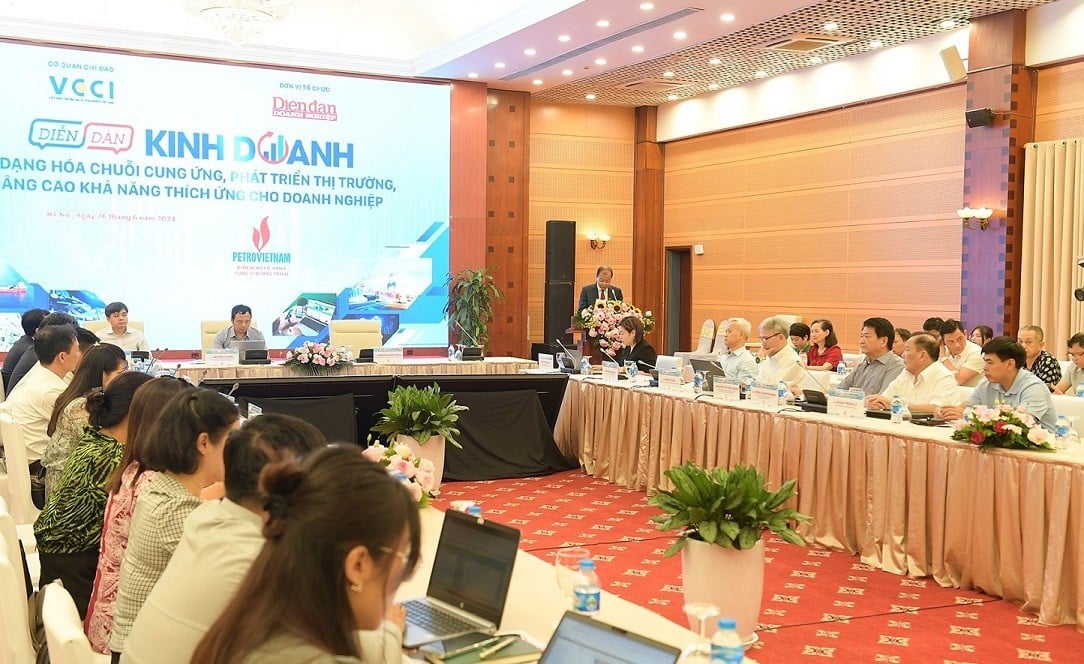 |
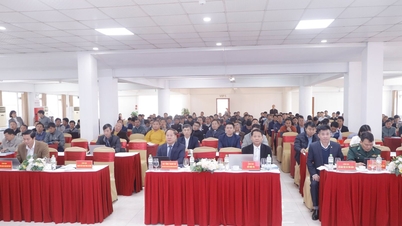
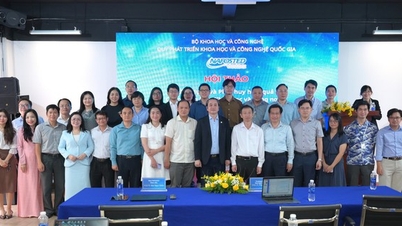
| Overview of the Forum. (Photo: Van Chi) |
Dr. Le Duy Binh – CEO of Economica Vietnam – believes that deeper integration into global supply chains largely depends on the self-efforts of businesses. However, these self-efforts will be much easier and more favorable if institutional conditions, policies, the business environment, and legal regulations do not create obstacles…
“Through our research, we have found that there are still some major bottlenecks in institutions and support policies to help Vietnamese businesses become more confident and stable when joining global supply chains. Therefore, in addition to the efforts of businesses themselves in meeting product standards, there needs to be innovation in the approach to supporting businesses, focusing on key areas to achieve specific goals and priorities in the current business development perspective,” Mr. Binh suggested.
Dr. Nguyen Manh Hung, Senior Head of the Supply Chain Management and Logistics Department at RMIT University, believes that "greening" in production is key for businesses to enhance their competitiveness and participate more deeply in the supply chain. "Customer demands for green consumption are driving manufacturers and suppliers to adopt new standards and adjust their operations. Customers, especially in developed countries, are increasingly aware of the environmental impact in their purchasing decisions," Dr. Hung shared.
According to Mr. Hung, a 2023 survey by Rakuten Insight in Vietnam showed that 84% of consumers are willing to pay a higher price for sustainable products. Meanwhile, Vietnam's major export markets, notably the European Union (EU), are implementing stricter environmental regulations and standards for products and services imported into the region.
“Greening is no longer an option but a decisive factor in the success of export orders. From a supply chain perspective, buyers play a crucial role in monitoring and collaborating to promote greening. They are the key players in the supply chain and drive the green transition to ensure that the final product/service meets market demands,” Mr. Hung commented.
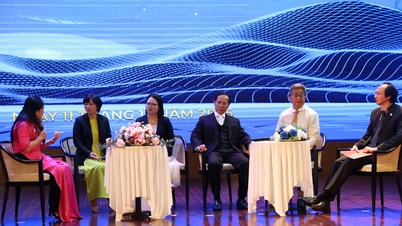
Managers, experts, business associations, and entrepreneurs at the Forum engaged in open, frank, and responsible discussions, suggesting solutions and recommendations to diversify supply chains, develop markets, and enhance business adaptability.
Specifically, the plan outlines solutions such as: promoting the development of supporting industries, increasing new production capacity to proactively create sources of raw materials, fuels, and supplies to meet production needs and enhance the added value and competitiveness of export goods; focusing on domestic connections to participate in the production and supply chains of FDI enterprises and large global enterprises, creating markets for industrial development.
Businesses need to accelerate the development of e-commerce, especially cross-border e-commerce, to promote the development of supply chains, goods circulation, market expansion, and export growth. This includes creating favorable conditions and implementing solutions to remove technical barriers for businesses to enter new markets; strengthening digital transformation in the issuance of preferential Certificates of Origin (C/O) and disseminating information and guidance on rules of origin and C/O issuance, self-certification of origin, etc. Furthermore, it is crucial to promote the development of logistics services, contributing to cost reduction and enhancing the competitiveness of Vietnamese export goods.
In the context of numerous difficulties, to support businesses in their recovery and promote growth, on January 5, 2024, the Prime Minister issued Resolution No. 01/NQ-CP on the main tasks and solutions for implementing the socio-economic development plan and state budget estimates for 2024; and Resolution No. 02/NQ-CP on the main tasks and solutions for improving the business environment and enhancing national competitiveness in 2024. In addition, Government Resolution 58/NQ-CP dated April 21, 2023, on a number of key policies and solutions to support businesses in proactively adapting, recovering quickly, and developing sustainably by 2025, has been and is being vigorously implemented by ministries, sectors, and localities to remove barriers and difficulties for businesses, enhance their competitiveness, and promote socio-economic development. |





































































Comment (0)