

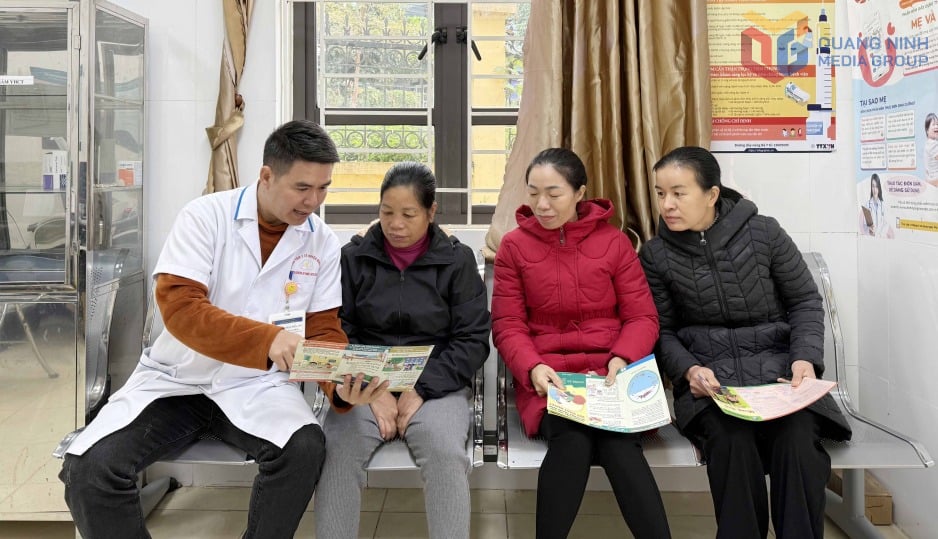
Currently, 100% of communes and special zones in mountainous, border and island areas have access to the national grid; 100% of households have solid houses; 100% of ethnic households can watch television and listen to radio. The system of medical stations, schools, and cultural houses in villages and hamlets has been invested in, creating favorable conditions for people to access medical services, study, and develop their spiritual culture.
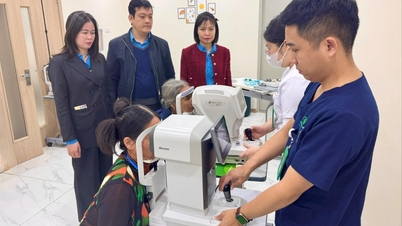
In the border commune of Luc Hon, in the construction of new rural areas, health care is always identified as the key criterion to improve the quality of life of the people. The commune health station has been invested synchronously in human resources and facilities, gradually meeting the needs of on-site health care.
Doctor CKI Leo Thi Yen, Head of Luc Hon Commune Health Station, said: Currently, the station has 5 doctors, including 1 CKI doctor and 4 general practitioners. Functional rooms such as clinical, emergency, delivery, and oriental medicine treatment are arranged scientifically and meet service standards. The rate of patients being transferred to higher levels is always maintained at a low level, creating increasing trust among people in grassroots health care.
In 2025, Luc Hon commune mobilized the strength of the entire political system and people, synchronously implementing the elimination of temporary houses and dilapidated houses for poor and near-poor households, meritorious people and relatives of martyrs. The program has helped many families settle down, stabilize their lives, and spread the spirit of humanity.
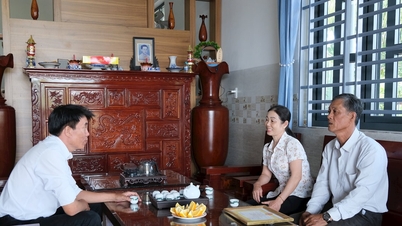
The case of Ms. Tang Si Mui's family in Che Pha village, Luc Hon commune is an example. For many years, Ms. Mui's family was considered a near-poor household, living in an old, dilapidated, damp, cramped house that was always potentially dangerous during storms.
Earlier this year, she received VND80 million from the government's temporary housing program. With the initial resources, her family continued to borrow more from relatives, with a total cost of more than VND300 million. Construction of the house began in February and was completed in June this year. Ms. Tang Si Mui, Che Pha village, Luc Hon commune, happily said: Now that we have a new house, my family feels very secure. The children have a stable place to study and live, no longer worrying about the rainy season.
Supporting the construction of houses for poor and near-poor households is one of the important solutions that Luc Hon commune in particular and the whole province in general has implemented to complete the criteria for residential housing in the new rural construction. The newly built houses help people stabilize their lives, create motivation for people to feel secure in their villages, strive to develop the economy, and contribute to changing the face of the border area to become more prosperous and stable.
By the end of August 2025, the whole province completed 100% of the plan, supporting 104 households (87 new construction households, 17 repair households) with a total cost of nearly 22.5 billion VND, of which the provincial budget spent more than 5.2 billion VND, and socialized sources were 2.5 billion VND.
In order to ensure social security, localities in the province also pay attention to investing in infrastructure for rural areas, especially essential infrastructure serving people's lives and production development.
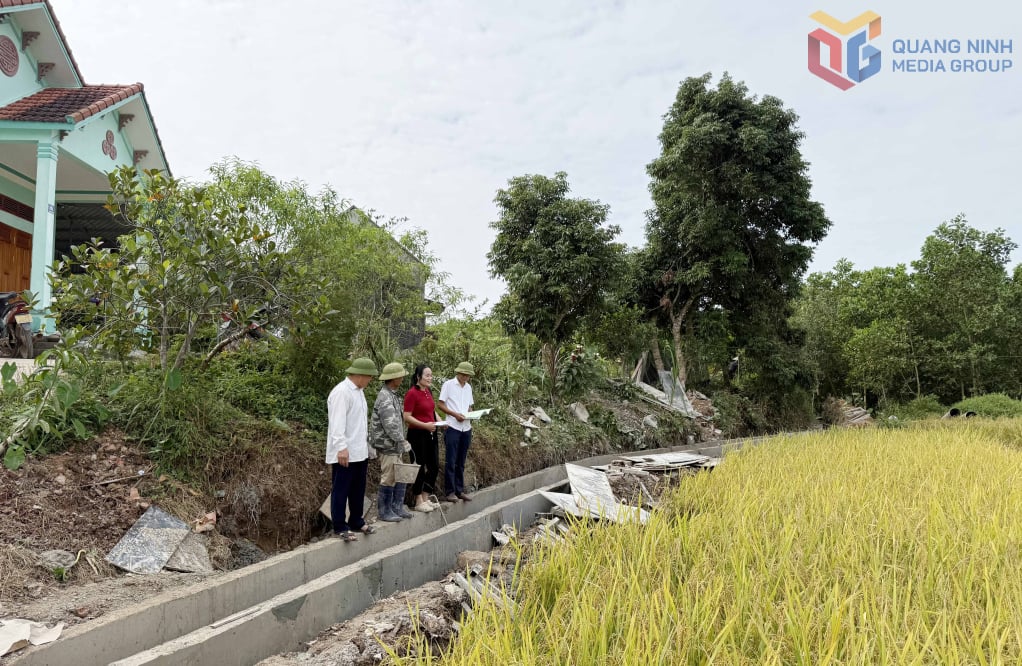
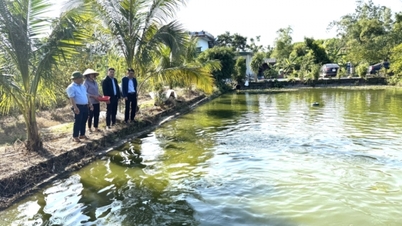
A typical example is the Dong Duong village canal in Dong Ngu commune, which is over 600m long and cost over 1 billion VND. The project was completed and put into use at the end of November, creating favorable conditions for agricultural production and ensuring stable irrigation for the cultivated areas of the villagers.
Mr. Nguyen Van Bau, Deputy Secretary of Dong Duong village Party cell, Dong Ngu commune said: For farmers, the completed canal is very meaningful, helping to proactively manage water sources, minimizing flooding or water shortages during the production season.
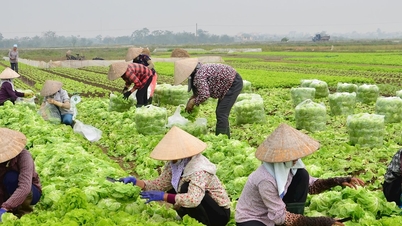
Implementing the new rural development program, Quang Ninh has achieved many outstanding achievements, thereby contributing to ensuring social security. By the end of June 2025, the average income in rural areas of the province reached 84.14 million VND/person/year; nearly 100% of households use clean water; more than 58% use clean water that meets standards.
Source: https://baoquangninh.vn/dam-bao-an-sinh-xa-hoi-trong-xay-dung-nong-thon-moi-3387233.html


![[Photo] National Assembly Chairman Tran Thanh Man attends the VinFuture 2025 Award Ceremony](/_next/image?url=https%3A%2F%2Fvphoto.vietnam.vn%2Fthumb%2F1200x675%2Fvietnam%2Fresource%2FIMAGE%2F2025%2F12%2F05%2F1764951162416_2628509768338816493-6995-jpg.webp&w=3840&q=75)

![[Photo] 60th Anniversary of the Founding of the Vietnam Association of Photographic Artists](/_next/image?url=https%3A%2F%2Fvphoto.vietnam.vn%2Fthumb%2F1200x675%2Fvietnam%2Fresource%2FIMAGE%2F2025%2F12%2F05%2F1764935864512_a1-bnd-0841-9740-jpg.webp&w=3840&q=75)






































































Comment (0)