

.
According to the Department of Ethnic Minorities and Religions, the province currently has 162,531 people from 42 ethnic minority groups, accounting for 12.31% of the population. Most of them live in communes with complex natural conditions, scattered population, and limited transport infrastructure. Despite the State's investment, the collection and treatment of household waste still faces many difficulties; lack of collection vehicles, narrow roads make it impossible for garbage trucks to access, many households still maintain the habit of littering or burning garbage in the garden, causing environmental pollution and potential risk of forest fires in the dry season.
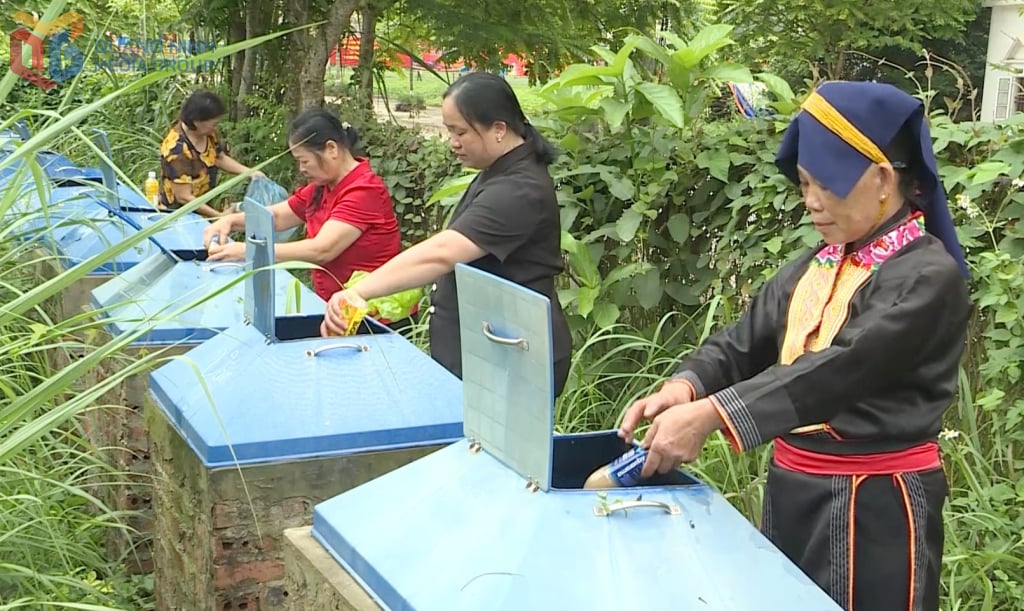
Weather fluctuations with heavy rainfall at many times cause organic waste to decompose quickly, easily causing odors and attracting insects. Meanwhile, disposable plastic waste, agricultural packaging, and pesticides are increasingly used, creating great pressure on the natural environment.
In Hoanh Mo commune, environmental protection work has been carried out synchronously after the locality implemented a two-level government model, merging the boundaries of two communes with a total of 22 villages. Party Cell Secretary, Head of Dong Cam village Lo Thi Hoai said: Propaganda work has been carried out to each household, requiring people to dispose of garbage in the right place, not to throw garbage in traffic corridors, streams and residential areas.
According to Vice Chairman of the People's Committee of Hoanh Mo Commune, Hoang Kien Trung, the commune regularly maintains the collection and transportation of household waste; at the same time, strengthens propaganda to build an environmentally friendly cultural lifestyle, requiring people to strictly comply with the provisions of the law on environmental protection. Thanks to that, the environmental indicators of Hoanh Mo Commune have basically been achieved and maintained stably, the forest coverage rate is over 71.1%; the rate of population with access to clean water is 60.27%; 100% of rural people use water sources and eat hygienically; 100% of medical waste is treated; 98.29% of solid waste is collected.
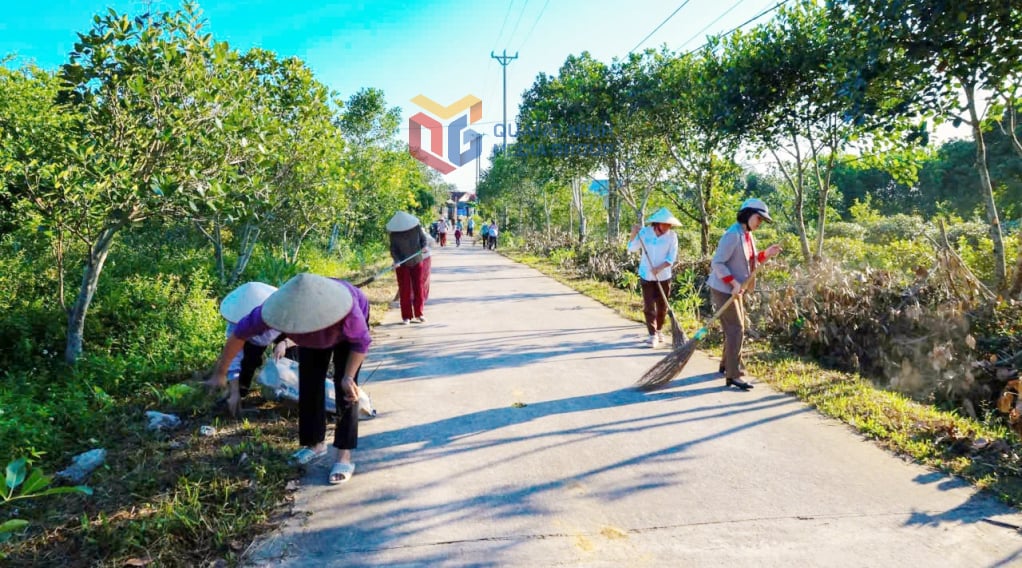
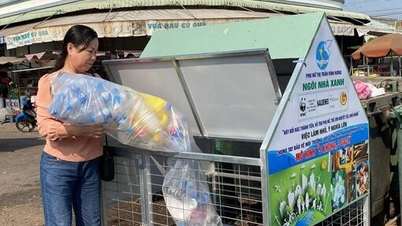
In Quang Duc commune, the work of ensuring rural environmental sanitation is implemented synchronously and effectively. The government, together with the Fatherland Front of the commune and mass organizations, regularly organize communication about the harmful effects of waste pollution and the benefits of proper classification and collection; maintain the "Green Sunday" model and plastic waste collection movements. Many villages and hamlets have established environmental sanitation teams that operate periodically every week. Households contribute a small fee to maintain collection activities; the government supports garbage carts, garbage bins and centralized waste collection sites. Some communes in the province apply a model of classifying waste into two groups: organic waste and inorganic waste. Organic waste is instructed to be composted into bio-fertilizer for production, while inorganic waste is collected along the route to be transported to treatment plants or landfills that ensure technical standards.
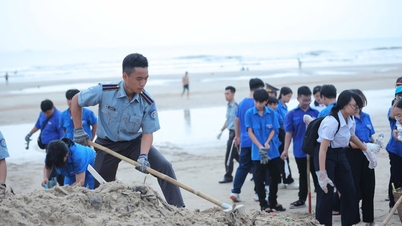
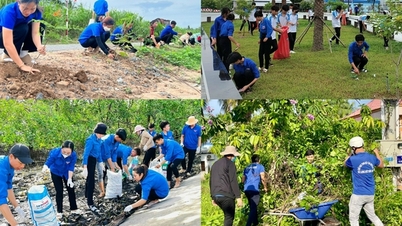
The weekend general cleaning activity has become a community activity in many localities, attracting union members, women's union members, the elderly and young people to participate. This is not only an environmental cleaning activity but also strengthens community cohesion and consolidates the great solidarity of ethnic groups. Thanks to the synchronous participation, the rate of household waste collection in many communes in ethnic minority areas in the province has been significantly improved. Many villages and hamlets that were previously polluted are now spacious and clean; village roads and alleys have been renovated; environmental criteria in new rural construction are ensured.
Continuous propaganda activities have created a strong change in people's awareness, from being reluctant to participate in environmental sanitation to proactively maintaining environmental sanitation and actively participating in community movements. These efforts contribute to achieving the goal that by the end of 2025, over 90% of household waste in ethnic minority areas will be collected and treated in accordance with regulations, in accordance with environmental criteria according to Resolution No. 06-NQ/TU dated May 17, 2021 of the Provincial Party Committee on sustainable socio -economic development associated with ensuring national defense and security in ethnic minority, mountainous, border and island areas for the period 2021-2025, with a vision to 2030.
With the achieved results and increasing consensus of the people, environmental protection work in ethnic minority areas of Quang Ninh province is creating an important foundation for the goal of sustainable development, contributing to building a green - clean - friendly living environment for future generations.
Source: https://baoquangninh.vn/tang-cuong-cong-tac-bao-ve-moi-truong-vung-dong-bao-dtts-3387067.html
![[Photo] National Assembly Chairman Tran Thanh Man attends the VinFuture 2025 Award Ceremony](/_next/image?url=https%3A%2F%2Fvphoto.vietnam.vn%2Fthumb%2F1200x675%2Fvietnam%2Fresource%2FIMAGE%2F2025%2F12%2F05%2F1764951162416_2628509768338816493-6995-jpg.webp&w=3840&q=75)



![[Photo] 60th Anniversary of the Founding of the Vietnam Association of Photographic Artists](/_next/image?url=https%3A%2F%2Fvphoto.vietnam.vn%2Fthumb%2F1200x675%2Fvietnam%2Fresource%2FIMAGE%2F2025%2F12%2F05%2F1764935864512_a1-bnd-0841-9740-jpg.webp&w=3840&q=75)









































































Comment (0)