

In reality, many communes and wards in Quang Ninh have had to manage large areas with large populations, and there is more pressure on conflicts and disputes among the people. However, with the focus on proactively implementing grassroots mediation, many conflicts have been resolved promptly. A typical example is Tuan Chau ward. After expanding its boundaries (from July 1, 2025), the ward established 16 mediation teams with 141 mediators, most of whom are experienced officials and prestigious people in residential areas. In 2025, the ward received 56 cases and successfully mediated 46 cases, reaching 82%. The number of petitions that went beyond the ward's level also decreased by 72% compared to 2024, showing that conflicts have been "resolved" right from the neighborhood group. That shows that timely intervention from the grassroots has brought about clear results in resolving conflicts.
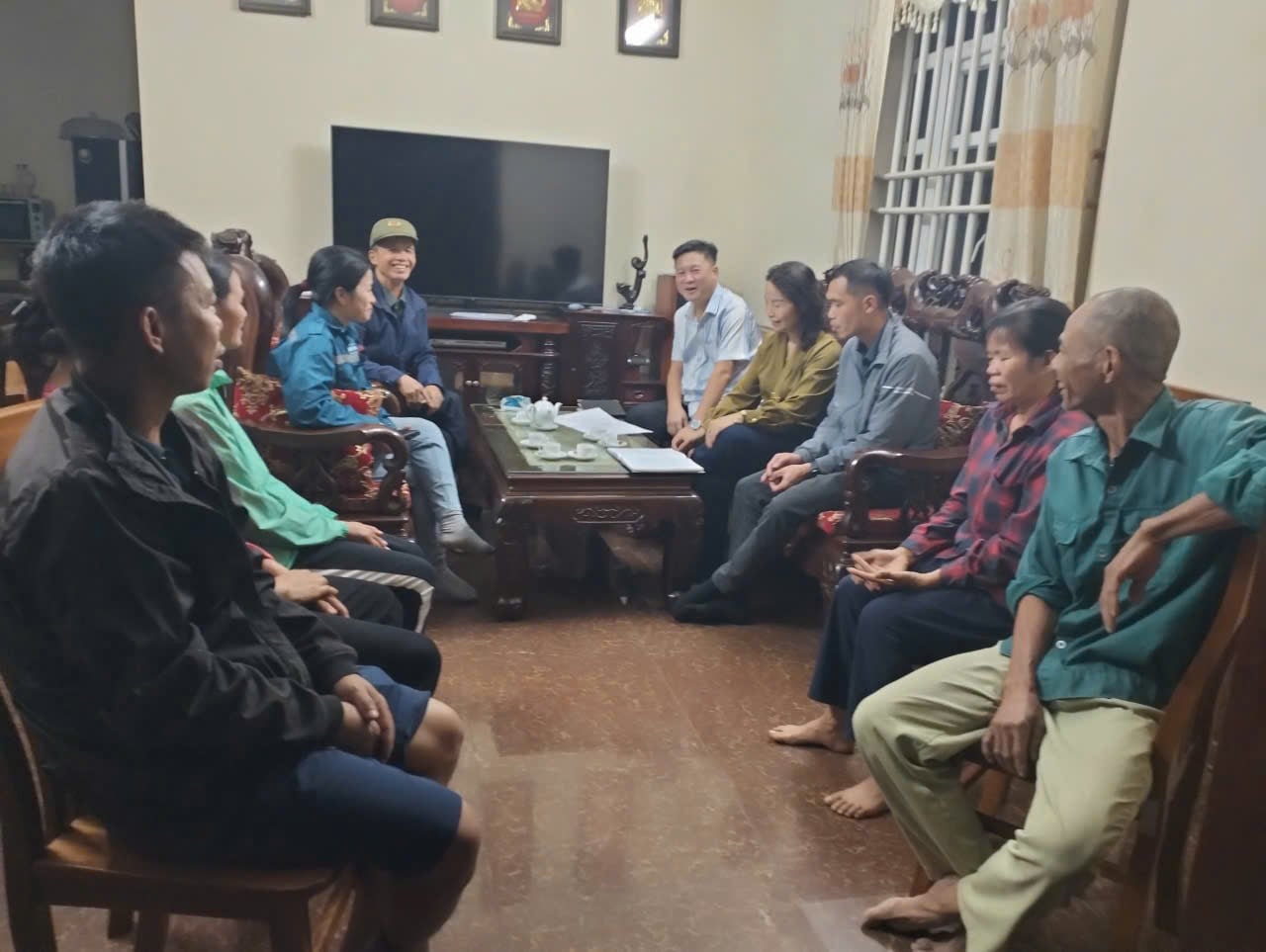
In Hai Hoa commune, with more than 92% of ethnic minorities (mainly Dao, Tay, San Chay), a large area, scattered living, conflicts often arise from forest land, marriage or differences in customs and practices. Understanding that characteristic, the commune has completed 12 mediation teams with 80 mediators, most of whom are prestigious people in the community such as village elders and village chiefs. To grasp information in a timely manner, the commune also established a Zalo group in ethnic languages to receive quick feedback from people. In 2025, Hai Hoa received 62 cases, mediated 59 cases (reaching a rate of 95%); many conflicts that have existed for many years were also resolved completely, without any petitions or letters going beyond the level. The most important thing is that the solidarity between ethnic groups continues to be preserved, the villages are stable, creating conditions for people to feel secure in developing the economy .
Vice Chairman of Hai Hoa Commune People's Committee Bui Hai Son said: "In mountainous areas like Hai Hoa, conflicts are often related to customs and land, so mediation must be both legal and in accordance with customs. The commune always focuses on selecting reputable people to participate in the mediation team and maintains annual training. Thanks to that, most cases are handled right in the village, contributing to maintaining stability and cohesion in the community."

Established on the basis of merging 5 central wards of the old Cam Pha City, Cam Pha Ward currently manages more than 61,500 people, 50 neighborhoods and 376 mediators. To proactively improve the effectiveness of settlement, Cam Pha focuses on building a team of mediators in a professional and systematic manner. Immediately after operating under the new administrative organization model, the ward organized two large-scale training courses for all neighborhood officials, heads of mediation teams and core mediators. What is noteworthy is not only the quantity but also the quality of the content. The training sessions focus on practicing practical skills, analyzing cases, handling complex situations, skillfully combining legal reasoning with empathy and sensitivity of neighborly love. Thanks to that, the mediator not only has a good grasp of the law but also puts his heart into resolving the case, is capable of choosing the appropriate approach for each situation, resolves conflicts with both reason and sincerity, and brings about outstanding results. In 2025, the ward received 24 cases, and mediated 22 cases.
In Quang Ninh, grassroots mediation is not simply a legal procedure. It is also a way to preserve behavioral culture, foster community sentiment, and most importantly, prevent disputes early. From "small things" to resolve "big risks" - that is the reason why the province determines that this work is closely linked to new rural construction, building communes/wards that meet legal access standards, and maintaining security and order.
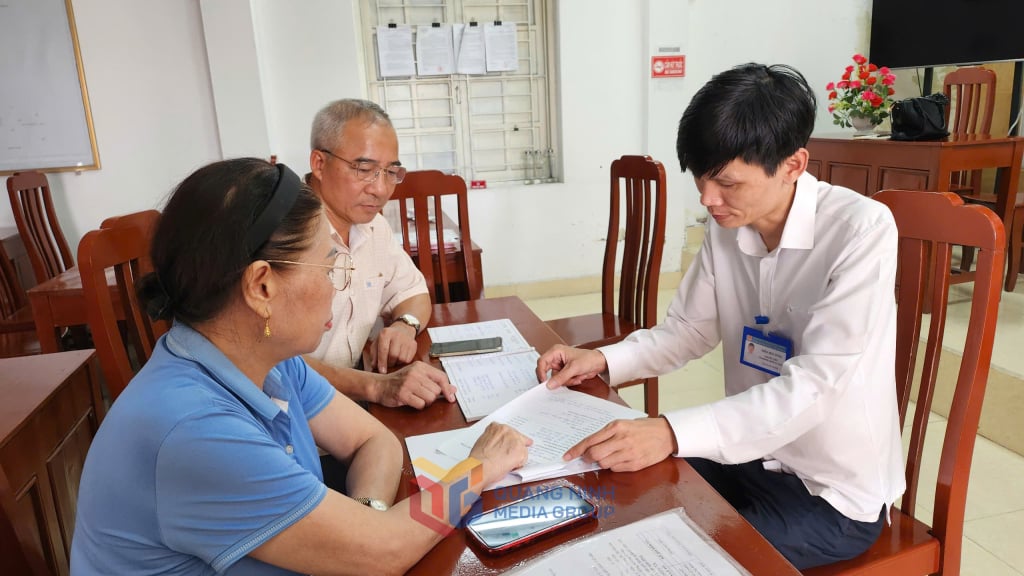
In recent years, the province's grassroots mediation activities have always maintained stable effectiveness. It is noteworthy that the successful mediation rate has always remained high, with many localities maintaining good results for many consecutive years.
The team of mediators has many mature skills, experience and methods of approaching cases. Training is organized evenly in all regions, combining both direct and technological forms. Many localities have completed 100% of professional training. The Department of Justice has invested in building a system of documents serving mediation with a large number and content that is increasingly more suitable to practice. From professional books, legal brochures to infographics, instructional videos ... all are standardized and regularly updated, helping mediators have a visual and easy-to-understand reference source. In ethnic minority areas, many documents are also translated into Dao and Tay languages, making learning about mediation work more accessible and effective. Thanks to that, the team of mediators is increasingly solid in law, solid in skills, and confident in handling complex and sensitive conflicts right in residential areas.
The province currently maintains 1,308 mediation teams with 8,558 mediators, ensuring coverage of all villages, hamlets, and neighborhoods after the merger. The mediator team has a relatively balanced structure, in which ethnic minority people account for a significant proportion, contributing to meeting the specific requirements in mountainous, highland, and border areas.
In 2025, mediation teams across the province received and handled nearly 600 cases, focusing mainly on civil matters, marriage and family, disputes over access, boundary markers, noise and neighbor conflicts. The successful mediation rate continued to be maintained at a high level, with many localities reaching over 80-85%, and some units exceeding 90%.
With the synchronous participation of the entire political system, along with the sense of responsibility of the team of mediators in each residential area, mediation work at the grassroots level is increasingly becoming systematic, methodical and substantial. Conflicts in community life are resolved promptly, maintaining cohesion and stability right from the grassroots level.
Source: https://baoquangninh.vn/hoa-giai-o-co-so-giu-binh-yen-tu-nhung-dieu-nho-3387197.html


![[Photo] National Assembly Chairman Tran Thanh Man attends the VinFuture 2025 Award Ceremony](/_next/image?url=https%3A%2F%2Fvphoto.vietnam.vn%2Fthumb%2F1200x675%2Fvietnam%2Fresource%2FIMAGE%2F2025%2F12%2F05%2F1764951162416_2628509768338816493-6995-jpg.webp&w=3840&q=75)
![[Photo] 60th Anniversary of the Founding of the Vietnam Association of Photographic Artists](/_next/image?url=https%3A%2F%2Fvphoto.vietnam.vn%2Fthumb%2F1200x675%2Fvietnam%2Fresource%2FIMAGE%2F2025%2F12%2F05%2F1764935864512_a1-bnd-0841-9740-jpg.webp&w=3840&q=75)




































































Comment (0)