

Expanding the beneficiaries
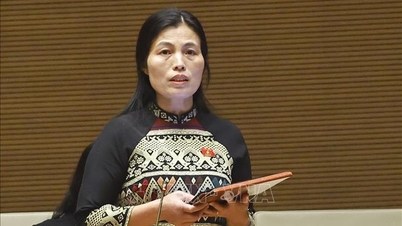
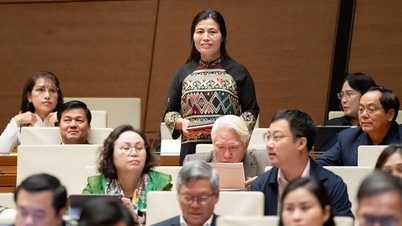
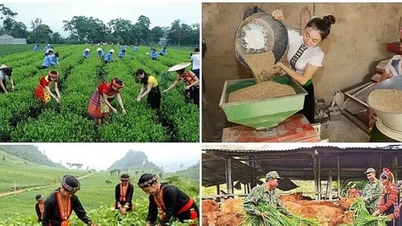
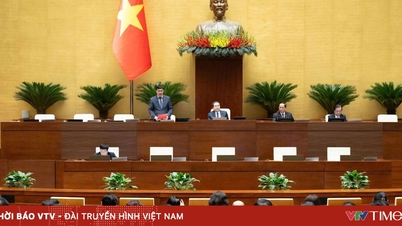
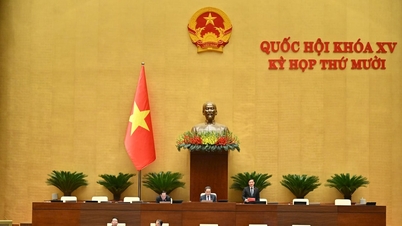
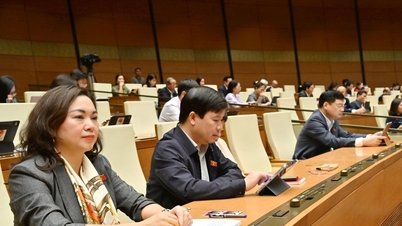
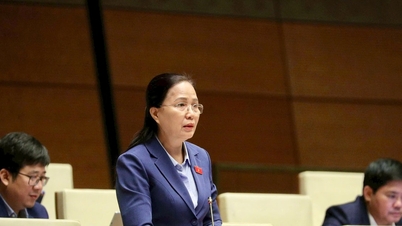
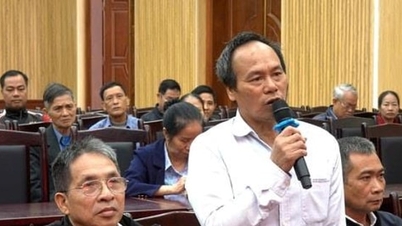
Commenting on the structure and content of the National Target Program integrating three current programs, delegate Hoang Thi Thu Hien highly appreciated the policy of unification to overcome the shortcomings, inadequacies and overlaps that occurred in the previous period. The design of the Program in two components clearly demonstrated the priority orientation of investment in developing ethnic minority and mountainous areas.
However, delegates expressed concerns that the number of activities is too large and dense, which could put great pressure on the implementing agency, affecting the regular performance of tasks. This could easily repeat the situation of slow disbursement, capital repayment, and capital cancellation as in previous periods.
.jpg)
The delegate said that the allocation of activities is still too spread out and lacks focus. Many targets are set at a high level, especially the income target of ethnic minorities and mountainous areas to reach half of the national average by 2030 and two-thirds by 2035, requiring huge resources and solutions, which need to be quantified more carefully.
In addition, the overly detailed and comprehensive design of activities can easily lead to duplication with the tasks of ministries, branches and other national target programs. The draft itself mentions many contents that overlap with the target programs for cultural, educational and health development. Delegate Hoang Thi Thu Hien suggested not to include in the Program contents that are already under the functions of other programs to ensure conciseness and efficiency.
Commenting on the provisions on beneficiaries, the delegate cited the draft content in Component 1, Content Group 5, with the goal of 100% of ethnic minorities and poor people in ethnic minority and mountainous areas having health insurance and access to free basic health services. In Component 2, Content Group 3, beneficiaries are identified as ethnic minority households and individuals and individuals belonging to poor Kinh households living in extremely disadvantaged villages and communes in regions II and III in ethnic minority and mountainous areas.
From the actual contact with voters, delegate Hoang Thi Thu Hien suggested that the drafting agency should study and expand the target to near-poor households in ethnic minority and mountainous areas in both of the above contents. The delegate analyzed that there is no significant difference in the living standards between poor and near-poor households in this area. Many voters expressed their wish for similar attention and support between these groups, especially for near-poor Kinh households living in ethnic minority and mountainous areas - which are identified as strategic areas for national security.
The delegate also noted: in content 1, Component 2, the draft stated the investment goal of building standard commune health stations, aiming at providing free medical examination and treatment to all people in ethnic minority and mountainous areas. Therefore, expanding the beneficiaries is completely consistent with the general orientation of the Program.
Strengthening gender mainstreaming throughout the Programme
In contacting Notice No. 4665 dated November 27, 2025 of the National Assembly Office on the conclusion of the National Assembly Standing Committee, delegate Hoang Thi Thu Hien emphasized the consistent viewpoint of not reducing policies, not interrupting and not reducing investment resources for the new phase of the Program.
Delegates highly appreciated the initial effectiveness of Project 8 in the previous phase – a separate project on gender equality and addressing urgent issues for women and children. “Many major barriers to the development of ethnic minority and mountainous areas stem from social issues related to women and girls such as gender inequality, violence, abuse, human trafficking, early marriage, incestuous marriage, illiteracy and harmful practices,” affirmed delegate Hoang Thi Thu Hien.
Although the impact of Project 8 is very positive, the implementation period is still short, so it cannot create sustainable changes. Therefore, the new phase of the Program only designs content on gender equality and reducing early marriage and consanguineous marriage, which is not comprehensive enough. Delegates proposed to reuse the name Project 8 from the previous phase to avoid narrowing the scope, while ensuring the ability to handle problems arising in practice.
Delegate Hoang Thi Thu Hien also emphasized the need to promote the results and experiences of phase 1, focusing on direct impacts on women and girls, while mobilizing the participation of village elders, village chiefs, prestigious people and especially men in the family and community... "This is one of the successes of phase 1, because men in ethnic minority areas have a great influence on women's awareness and behavior," the delegate emphasized.
Delegates suggested focusing on activities related to reproductive health, hygiene, clean water, adolescent reproductive health, preventing human trafficking, violence and abuse against women and children, building a safe environment, creating economic development opportunities, supporting women in creative start-ups and ensuring women's voice and substantive participation in the community and political system.
From the above analysis, delegate Hoang Thi Thu Hien proposed to strengthen gender mainstreaming in all components and activities of the Program, ensuring that all policies implemented in ethnic minority and mountainous areas pay due attention to women and children - the most disadvantaged groups but also play the most important role in sustainable development.
Source: https://daibieunhandan.vn/dbqh-hoang-thi-thu-hien-nghe-an-thiet-ke-chuong-trinh-phai-bao-dam-tinh-kha-thi-tranh-chong-cheo-10399358.html


![[Photo] Cat Ba - Green island paradise](/_next/image?url=https%3A%2F%2Fvphoto.vietnam.vn%2Fthumb%2F1200x675%2Fvietnam%2Fresource%2FIMAGE%2F2025%2F12%2F04%2F1764821844074_ndo_br_1-dcbthienduongxanh638-jpg.webp&w=3840&q=75)
































































Comment (0)