

Moving from “process-based support” to “outcome-based support”
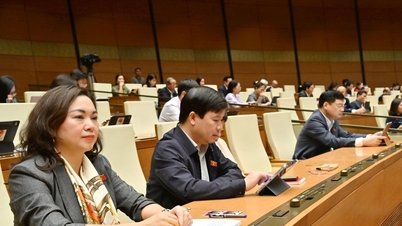
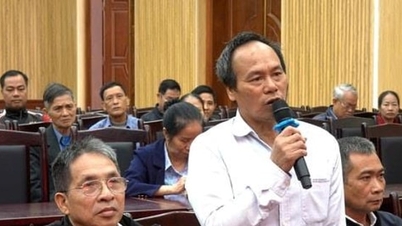
Speaking at the meeting, delegate Do Thi Lan expressed her high consensus with the major goals set by the Program. However, to realize the aspiration of increasing the average income of rural people by 2.5 - 3 times compared to 2020 by 2030, the delegate said that the issue that needs to be focused on is removing mechanisms to support production development.
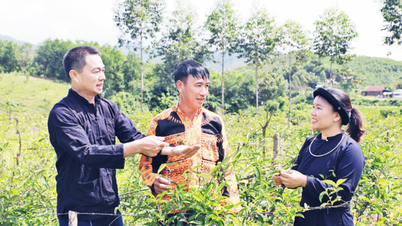
Analyzing the current situation in depth, delegate Lan stated that in recent times, the implementation of production development support projects in many localities, especially value chain and community support projects, has encountered certain delays. The main reason comes from the system of regulations on principles, criteria, and procedures that are still quite complicated and not really compatible with the specific conditions in mountainous areas and ethnic minority areas.
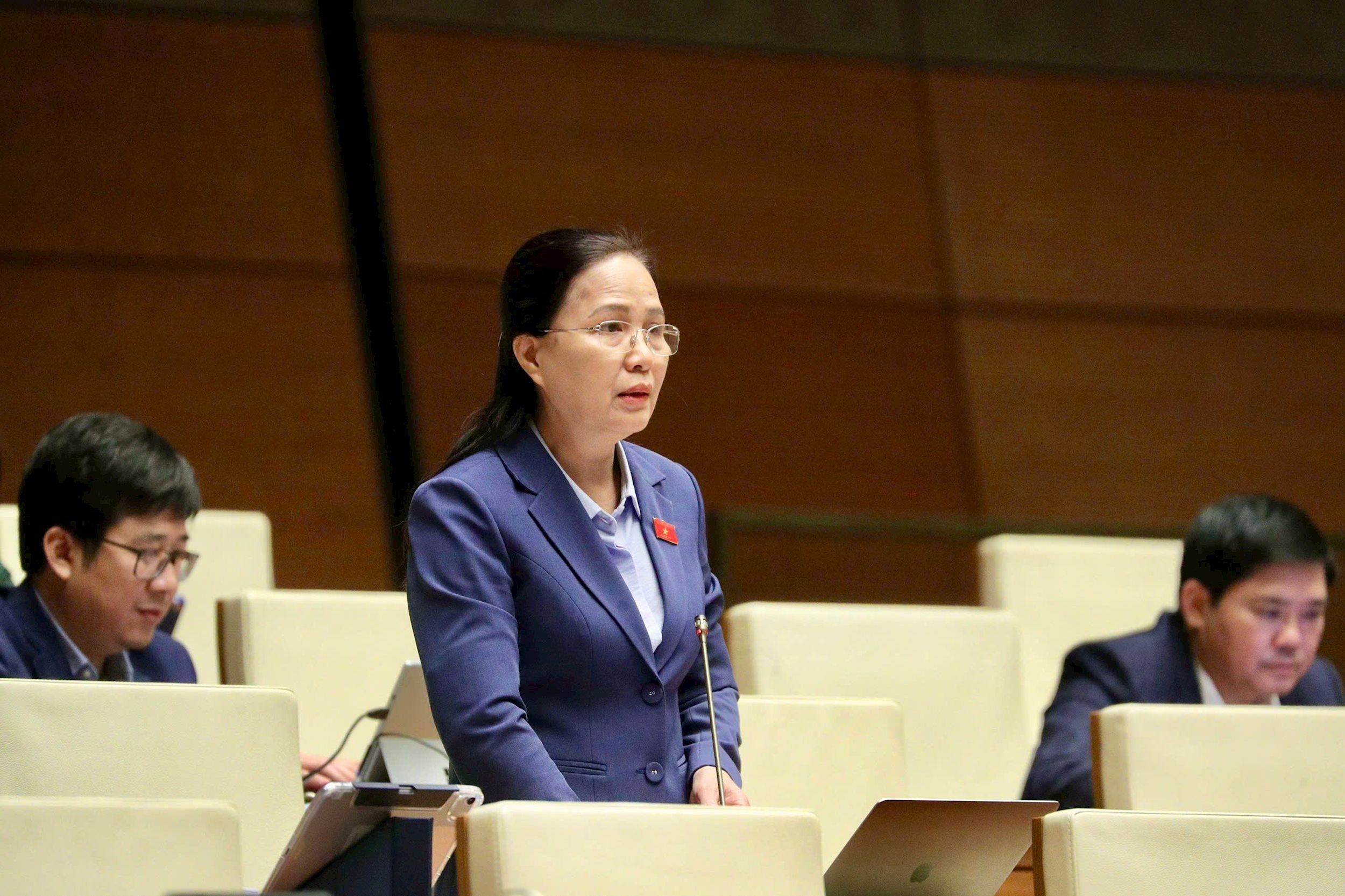
Citing specific examples, delegates shared: for value chain support projects, current regulations require full contracts and close cooperation records from training, technical stages to material supply and product consumption. People who want to participate must prepare project documents and go through the appraisal council; the implementation process must have detailed budget plans, invoices and documents for purchasing each type of plant and animal breed... For community support, the requirement to establish cooperatives and comply with strict appraisal procedures also creates considerable pressure for people.
"Although these regulations are intended to ensure strict budget management, when applied in practice in disadvantaged areas they become barriers, leading to low disbursement rates and affecting the overall effectiveness of the program," delegate Lan noted.
From that reality, the delegates suggested that a new way of thinking is needed in policy design. That is, boldly applying specific mechanisms and simplifying administrative procedures to the maximum. The Government should focus on regulating principles, criteria and support frameworks, and strongly decentralize authority to the provincial and communal levels so that localities can proactively decide on documents and acceptance procedures that are most suitable to the farming practices and qualifications of local people.
Notably, delegate Do Thi Lan proposed to study the policy of direct cash support for poor, near-poor, and newly escaped-poverty households through the form of registering production development tasks, such as afforestation. Instead of requiring complicated purchasing documents, it can be managed based on output results. After 2-3 years, the competent authority will conduct acceptance of actual afforestation results to pay support. This method is both transparent and reduces paperwork, very suitable for people in the highlands."
Ensuring people's safety against natural disasters
In addition to the procedural issue, the issue of capital sources was also thoroughly analyzed by delegate Do Thi Lan. In response to concerns about capital integration, the delegate affirmed the necessity of this mechanism in the context of limited central budget resources. However, for the integration to be truly effective, it is necessary to amend current regulations that are still heavily focused on management principles.
"It is necessary to add regulations allowing flexible integration of local budget capital, other legal capital sources and capital from other projects. Regulations need to be more open in terms of integration methods so that localities can proactively "cut their coat according to their cloth", optimizing resources for the common goal," delegate Do Thi Lan emphasized.
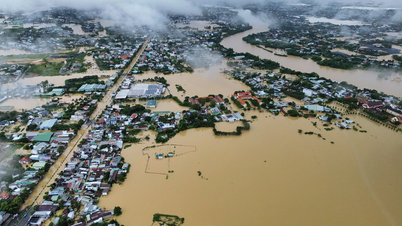
Another important issue that delegates paid attention to was the issue of population stability. Sharing the heavy losses caused by natural disasters, storms, floods, and landslides in recent times, delegate Do Thi Lan highly agreed with some delegates' opinions on the urgency of planning and re-arranging the population.
The delegates recommended that the Program should design a separate project or sub-project with adequate resources to solve the problem of relocating people out of dangerous areas. "This is not only a solution to prevent natural disasters, but also a humanitarian goal to ensure safety of life, stabilize long-term life and improve the quality of population for people in vulnerable areas," the delegates affirmed.
Concluding her speech, referring to vocational training for rural workers, delegate Do Thi Lan suggested that there should be a comprehensive and objective assessment of the effectiveness over the past time. The delegate's point of view is that vocational training should not be based on quantity but should be closely linked to the need to solve real employment problems, connect with businesses and local production planning to ensure sustainable livelihoods for workers.
Source: https://daibieunhandan.vn/dbqh-do-thi-lan-quang-ninh-can-co-che-linh-hoat-sat-thuc-tien-de-chinh-sach-thuc-su-di-vao-doi-song-10399360.html

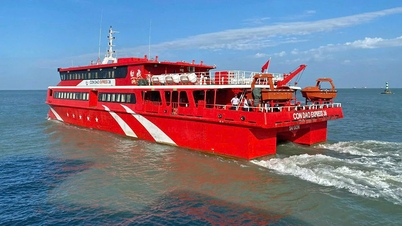
![[Photo] Cat Ba - Green island paradise](/_next/image?url=https%3A%2F%2Fvphoto.vietnam.vn%2Fthumb%2F1200x675%2Fvietnam%2Fresource%2FIMAGE%2F2025%2F12%2F04%2F1764821844074_ndo_br_1-dcbthienduongxanh638-jpg.webp&w=3840&q=75)




























































Comment (0)