

 |
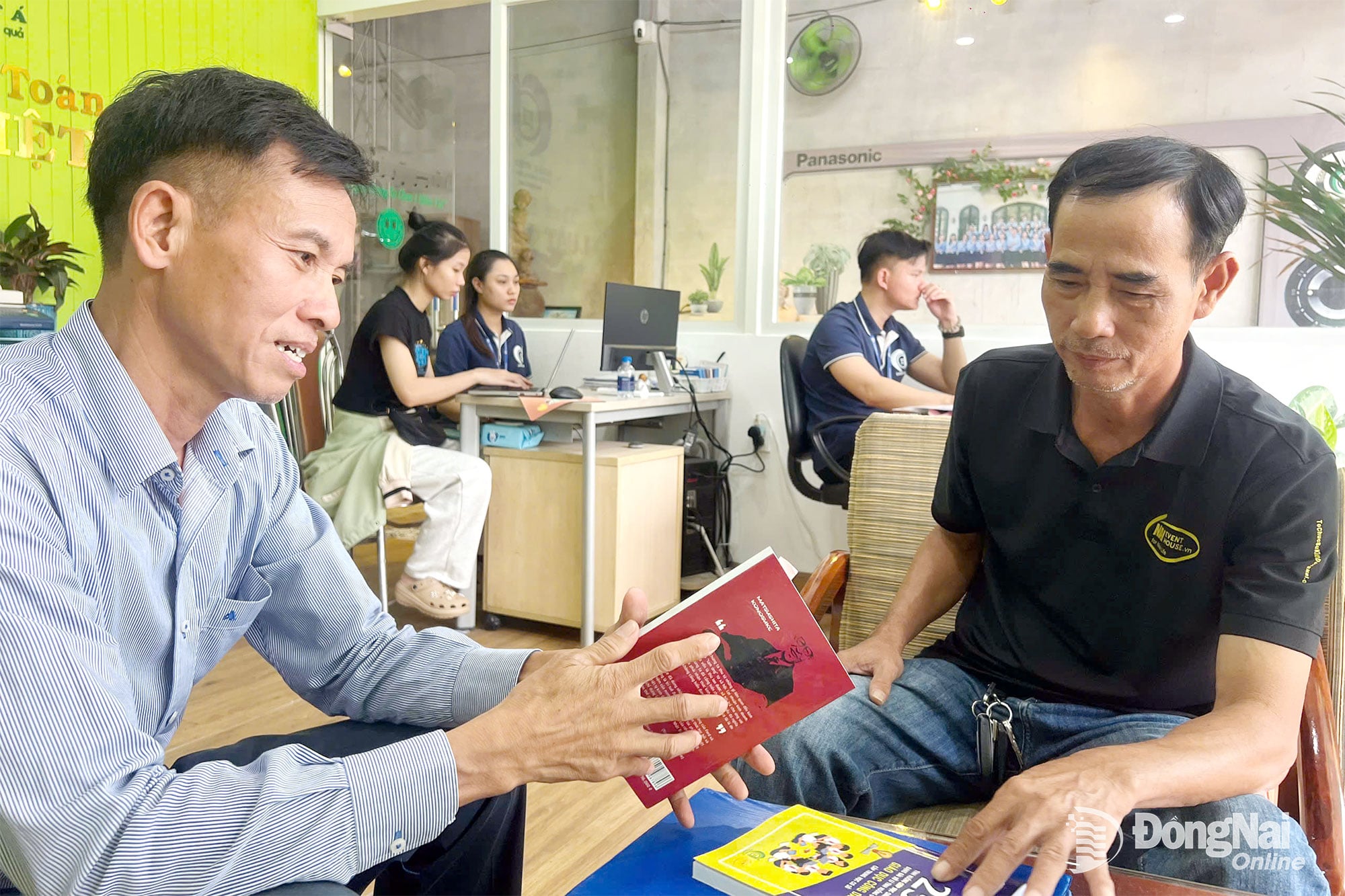
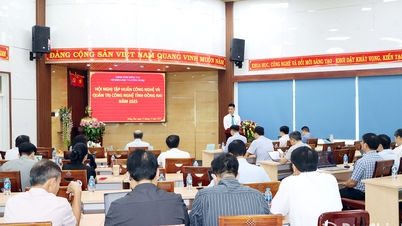
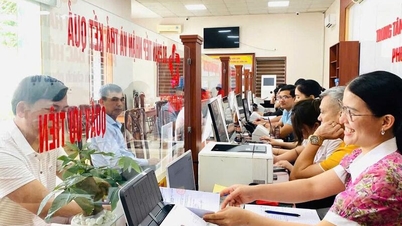
| Managers of small and medium-sized enterprises (SMEs) in the same production and business sector exchange information and experiences on accessing preferential loan policies from the State. Photo: D. Phu |
During their operations, SMEs face limitations in capital resources, difficulty accessing credit, lack of management experience, limitations in technology application and innovation, as well as the ability to participate deeply in large-scale, multi-sectoral, and multi-field supply chains…
Difficulties encountered
Small and medium-sized enterprises (SMEs) always need capital for investment in machinery, equipment, and raw materials. Therefore, in addition to their own capital, SMEs must take advantage of loan sources, including preferential loans from policies dành for SMEs.
Mr. Nguyen Dinh Son, owner of Son Xuyen Cashew Processing Facility (in Hamlet 7, Long Ha Commune, Dong Nai Province), said: His facility urgently needs preferential loans with suitable interest rates to confidently invest in machinery to increase labor productivity and expand production and business scale. Not only do businesses and production facilities like his face the need for capital, but they also encounter difficulties in the digital transformation process.
Mr. Le Dinh Nguyen, manager of Nai House Co., Ltd. (in Long Binh ward, Dong Nai province), expressed: Despite all difficulties and challenges, his company has always known how to seize government support policies to stabilize operations, business, and development, and to undergo digital transformation… However, to reach a larger scale of production and business, micro-enterprises and SMEs need even stronger capital resources, suitable premises, and especially appropriate management capabilities.
According to Mr. Le Dinh Nguyen, SMEs, in addition to facing limitations in capital and access to credit, also lack management experience, are limited in applying technology and innovation, and lack the ability to participate deeply in large-scale, multi-sectoral supply chains. Furthermore, SMEs are vulnerable to objective fluctuations such as economic downturns, recessions, increased input costs, or policy changes.
Given the difficulties mentioned above, businesses, including SMEs, urgently need practical support policies from the State to enhance their competitiveness, modernize production and business processes, and expand markets. This will help SMEs overcome difficulties, increase their resilience in the long term, and achieve sustainable development.
The size of the business corresponds to the compensation policy.
According to lawyer Chu Van Hien, Deputy Head of the Propaganda, Dissemination and Lawmaking Committee (Provincial Lawyers Association), in order to benefit from state support policies, SMEs must first meet the criteria for identifying SMEs as stipulated in the Law on Supporting SMEs 2017 and its guiding documents.
According to the law on supporting SMEs, state support policies only apply while the enterprise still falls under the SME category based on labor, revenue, and capital. Once the enterprise has grown beyond the required scale and is no longer classified as an SME, the support policies specifically for SMEs essentially cease. However, this does not mean that SMEs are "abandoned" at this stage. As they grow stronger, SMEs will have access to policies intended for large enterprises, such as investment incentives, support for innovation, digital transformation, market development, administrative procedure reform, and various industry-specific support programs.
According to legal expert Chu Van Hien, the level of development of a business should be aligned with the level of support mechanisms and policies appropriate to that stage. The State always has preferential policies for businesses in general, including large-scale businesses and SMEs. For example, Resolution 68-NQ/TW dated May 4, 2025, of the Politburo on the development of the private economy; Resolution 198/2025/QH15 of the National Assembly on some special mechanisms and policies for the development of the private economy; the Law on Supporting SMEs in 2017… These are things that businesses in general, and SMEs in particular, need to prepare for in order to be ready to receive and benefit from preferential policies as prescribed by law.
The government's preferential policies for SMEs are primarily foundational incentives, helping businesses build internal strength and consolidate their production and business operations. However, the core objective of every business from its inception is always to maximize profits. To achieve this, businesses must continuously develop, expand their scale, increase market share, and enhance their competitiveness. Therefore, no business truly wants to remain small just to continue receiving preferential treatment, when the benefits of rapid growth and expansion far outweigh the initial policy support.
Doan Phu
Source: https://baodongnai.com.vn/ban-doc/202512/doanh-nghiep-nho-va-vua-luon-can-chinh-sach-ho-tro-phat-trien-72f01c4/
![[Photo] Prime Minister Pham Minh Chinh holds a phone call with the CEO of Russia's Rosatom Corporation.](/_next/image?url=https%3A%2F%2Fvphoto.vietnam.vn%2Fthumb%2F1200x675%2Fvietnam%2Fresource%2FIMAGE%2F2025%2F12%2F11%2F1765464552365_dsc-5295-jpg.webp&w=3840&q=75)



![[Photo] Closing Ceremony of the 10th Session of the 15th National Assembly](/_next/image?url=https%3A%2F%2Fvphoto.vietnam.vn%2Fthumb%2F1200x675%2Fvietnam%2Fresource%2FIMAGE%2F2025%2F12%2F11%2F1765448959967_image-1437-jpg.webp&w=3840&q=75)















![[Photo gallery] Long Thanh Airport 'lights up' ready to welcome its first flight](https://vphoto.vietnam.vn/thumb/402x226/vietnam/resource/IMAGE/2025/12/11/1765467251707_bia_20251211222704.jpeg)
























![[OFFICIAL] MISA GROUP ANNOUNCES ITS PIONEERING BRAND POSITIONING IN BUILDING AGENTIC AI FOR BUSINESSES, HOUSEHOLDS, AND THE GOVERNMENT](https://vphoto.vietnam.vn/thumb/402x226/vietnam/resource/IMAGE/2025/12/11/1765444754256_agentic-ai_postfb-scaled.png)









































Comment (0)