

Self-reliance in steel production technology for large-scale projects.
According to Hoa Phat's leadership, the high-speed railway project also utilizes many other types of steel that Hoa Phat produces. Specifically, according to the quality grading scale, steel for bearings, valve springs, alloy springs, and tire bead steel is rated at level 10 for difficulty, while steel for high-speed rail tracks is only at level 8. Hoa Phat Group's team of engineers has mastered the technology to produce challenging, high-quality products such as cold-stamped steel wire, arc-welded steel wire, elevator cable steel, weather-resistant steel plates (as of 2021), and especially steel coils for tire bead steel (tirecord steel).
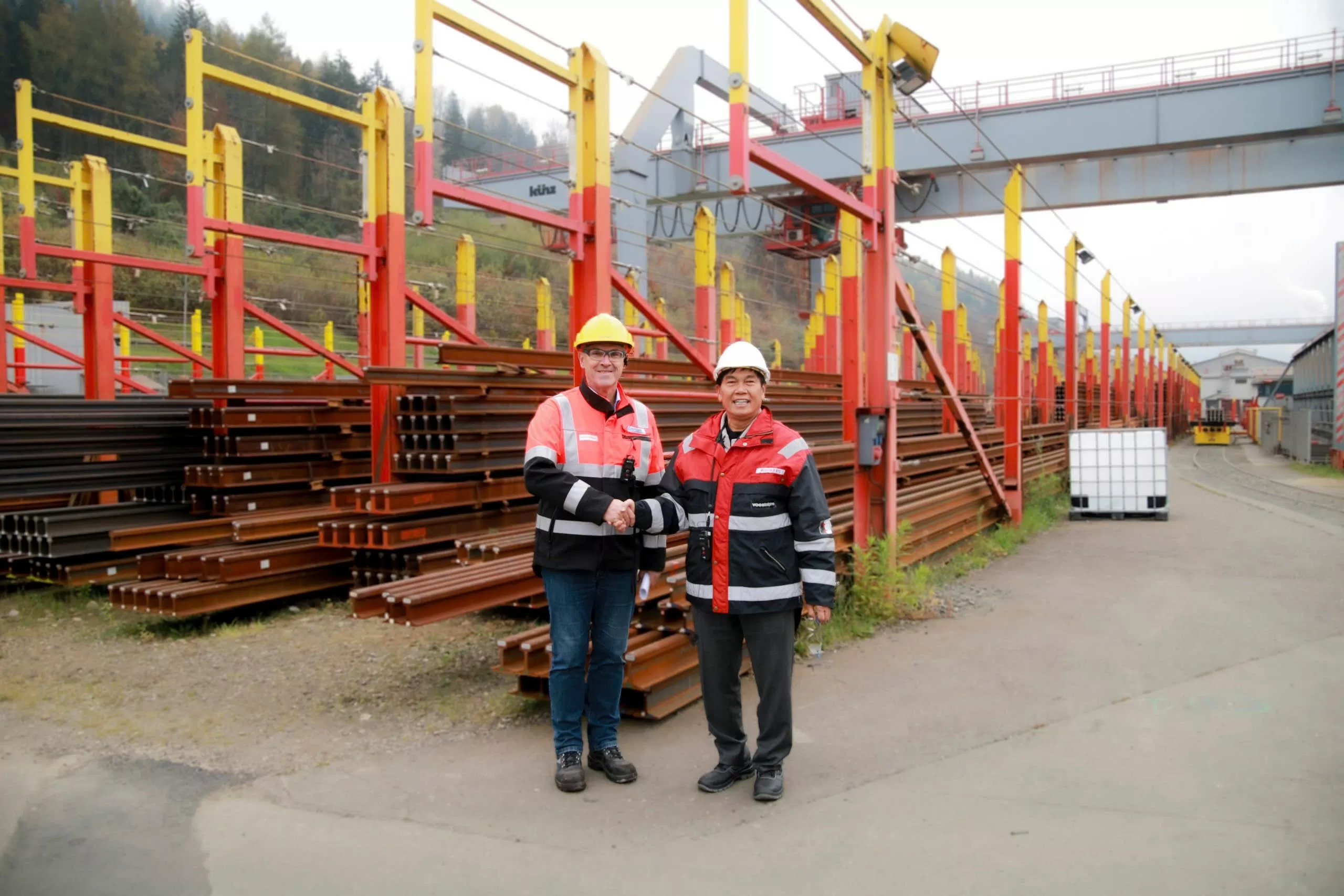 |
| Chairman of the Board of Directors of Hoa Phat Group, Tran Dinh Long, personally visited leading steel rail manufacturing plants in Europe to learn about the actual situation. |
The steel used for tire cords has very high requirements for the purity of the molten steel. The steel cords have a very small diameter of 0.15-1.80mm, like a strand of hair. The product needs to have exceptional mechanical properties, extremely high purity, and very low levels of gaseous impurities. Hoa Phat Dung Quat Steel has been producing this special type of steel since 2022 at rolling line 3 of Dung Quat 1 and supplying it to Hyosung (Korea) and Bekeart (Belgium). In addition, Hoa Phat has also obtained certification to supply raw steel for the production of elevator cables and crane cables for Tokyo Rope, Japan.
In addition, Hoa Phat ensures investment in equipment and technology transfer to produce the best and highest quality steel rails, similar to those produced in Europe. Hoa Phat also plans to transport rails up to 120m long to reduce welds on high-speed tracks, allowing the system to operate stably at high speeds.
G7 partners supplying technology equipment to Hoa Phat, such as Danieli and SMS, all hold leading positions in the world in the production of railway steel in Europe and Asia.
In October and November 2024, Chairman of the Board of Directors of Hoa Phat Group, Tran Dinh Long, along with a team of technology experts, directly visited leading steel rail manufacturing plants in Europe to learn about their operations. They studied the layout of production lines and equipment, production organization methods, manufacturing processes, and quality control procedures throughout the entire process, from preparing clean raw materials from iron ore, vacuum refining to achieve the highest purity metal and removing harmful gas impurities, online quality control systems, UT equipment for internal defect inspection of steel rails (Ultrasonic testing), laser geometric profile inspection equipment (Hiprofile), rail straightening systems, and rail end hardening systems during the production of rails for high-speed railways, ensuring the highest quality standards.
The corporation has begun negotiations, cooperation, and technology and technical transfer with leading global partners and suppliers of steel rail manufacturing equipment for high-speed railways, all of whom have been partners with Hoa Phat for many years.
Hoa Phat Dung Quat Steel also collaborates with the School of Materials Science - Hanoi University of Science and Technology to continuously organize intensive training courses on high-quality steel products with 3 main themes, focusing on specialized steel types and complex production techniques such as: steel for car tire treads/ply; electrical engineering steel (silicon steel); and steel for high-speed train tracks.
Procedures for the high-speed rail project in Phu Yen have been completed.
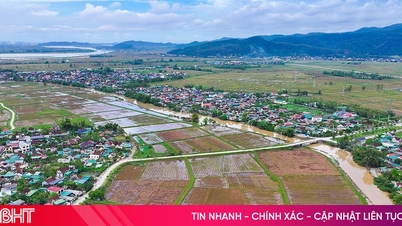
Currently, Hoa Phat is expediting the necessary procedures to clear the land and implement projects in Hoa Tam Industrial Park, located within the South Phu Yen Economic Zone, Phu Yen province. This includes the Hoa Phat Iron and Steel Complex project. The complex's planned product structure will focus on high-quality steel products for mechanical engineering, such as rail steel, steel plates, structural steel, shaped steel, and smooth round steel bars (SBQ). Once the land is secured, Hoa Phat will be ready to implement the rail steel production project for high-speed railways, with sufficient technology, workforce, and production site.
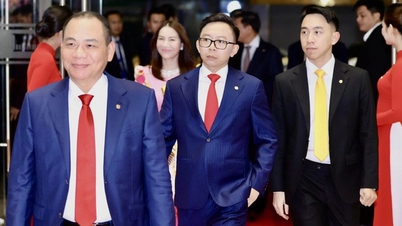
Previously, Mr. Tran Dinh Long, Chairman of the Board of Directors of Hoa Phat Group, stated that Hoa Phat is currently the largest steel producer in Southeast Asia, ranking among the top 50 in the world in steel production with a capacity of 8.5 million tons per year. From 2025, after the completion of the Hoa Phat Dung Quat 2 Iron and Steel Complex project, Hoa Phat's crude steel production capacity will exceed 14 million tons per year, including 8.6 million tons of hot-rolled coil and high-quality steel.
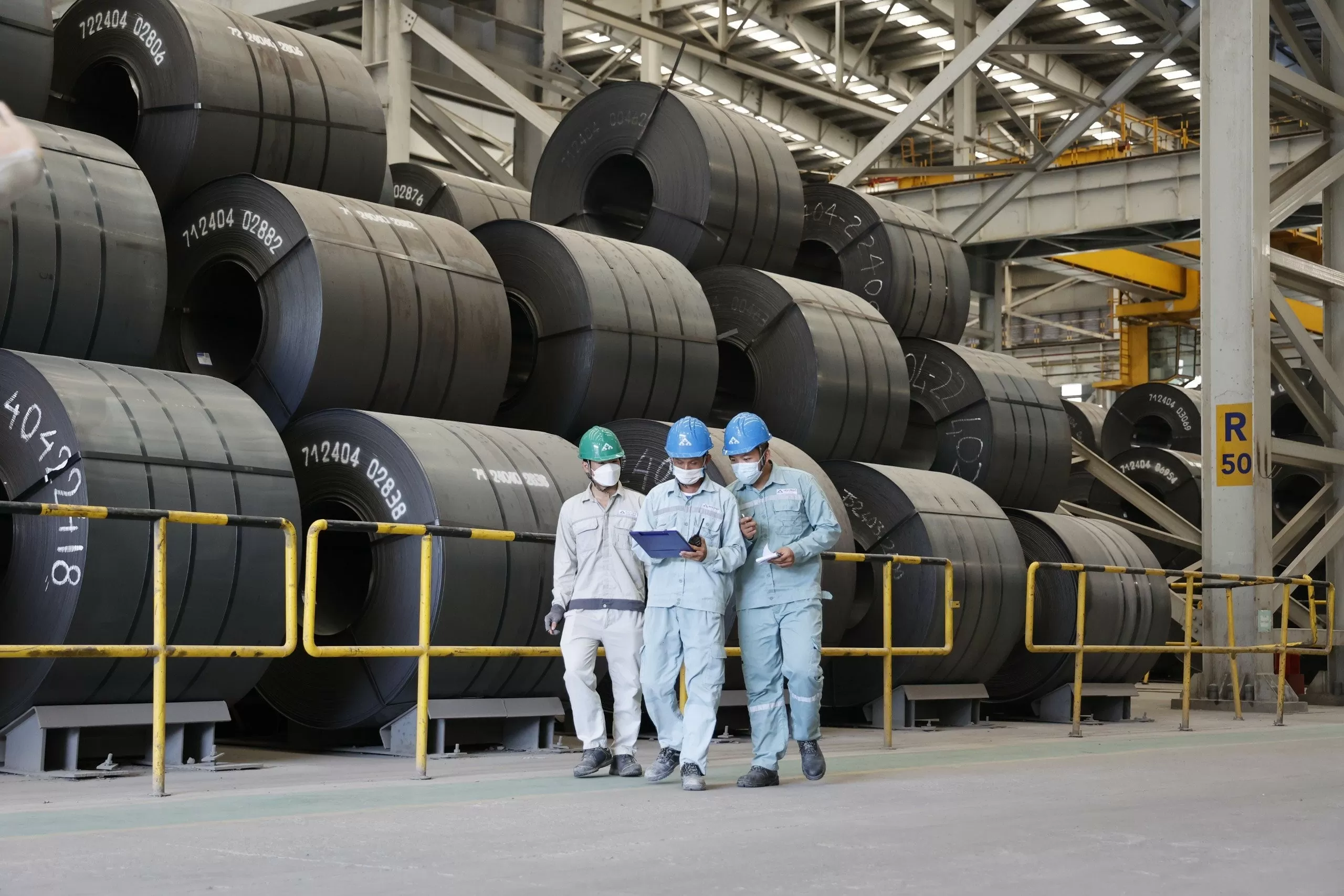 |
| As the only Vietnamese steel producer capable of producing high-tech steel, Hoa Phat ensures investment in equipment and technology transfer for rail production. Photo: Hoa Phat |
It is known that over the past three years, Hoa Phat has been researching rail steel products. The production of high-speed railway rail steel is entirely within the Group's capabilities. In fact, Hoa Phat Group is surveying and proposing investment plans for several large projects in Phu Yen province, including a steel and iron production complex. The planned product structure will focus on high-quality steel products for mechanical manufacturing, such as steel plates, structural steel, shaped steel, and steel rails.
“We confidently commit to four points: Firstly, we guarantee the supply of 6 million tons of various types of steel for the project, especially high-speed rail steel and high-strength prestressed steel. Secondly, we are committed to quality; all types of steel meet international quality standards and are suitable for the technical requirements of the contract packages. Thirdly, we guarantee on-time delivery according to the project schedule. Fourthly, regarding price, Hoa Phat ensures competitive prices, lower than imported steel prices,” Mr. Long stated.
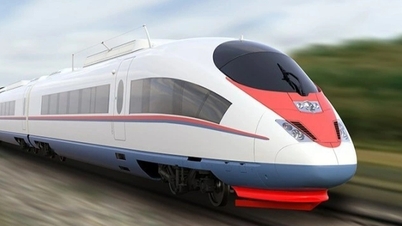
According to calculations by consulting firms, this mega-project will require approximately 6 million tons of various types of steel, all within the production capacity of Vietnamese enterprises. The Chairman of Hoa Phat Group stated that the production of rail steel for the high-speed railway is entirely within Hoa Phat's capabilities and will fully meet the project's requirements with four commitments: ensuring a sufficient supply of 6 million tons of various types of steel, especially high-speed rail steel and high-strength prestressed steel; ensuring international quality standards for all types of steel, conforming to the technical requirements of the bidding packages; ensuring timely delivery according to project requirements; and offering competitive prices, lower than imported steel prices.
Many economic experts believe that this is also an opportunity for domestic businesses to participate in large-scale, technically complex infrastructure projects, with the North-South high-speed railway project being a prime example. The project's implementation will create opportunities and impetus for industrial development, especially the mechanical engineering industry, in which the steel industry plays a significant role. If Vietnam becomes self-sufficient in steel production for large projects, it will reduce dependence on imports, limit negative impacts on exchange rates, and ensure convenience in future maintenance and repair.
Currently, the Ministry of Industry and Trade has drafted a Strategy for the Development of Vietnam's Steel Industry until 2030, with a vision to 2050, aiming to guide state agencies and localities in developing mechanisms, policies, and mobilizing resources to manage the industry's development. The strategy will help businesses operating in the steel industry develop long-term and short-term plans, as well as product development strategies and investment plans that are in harmony with the industry's development. At the same time, the strategy clearly outlines the goals of developing green and energy-efficient steel products; increasing the market share of domestically produced steel to gradually replace imported products; and providing guidance on production technology and the development of raw materials for the steel industry. |





































































Comment (0)