

 |
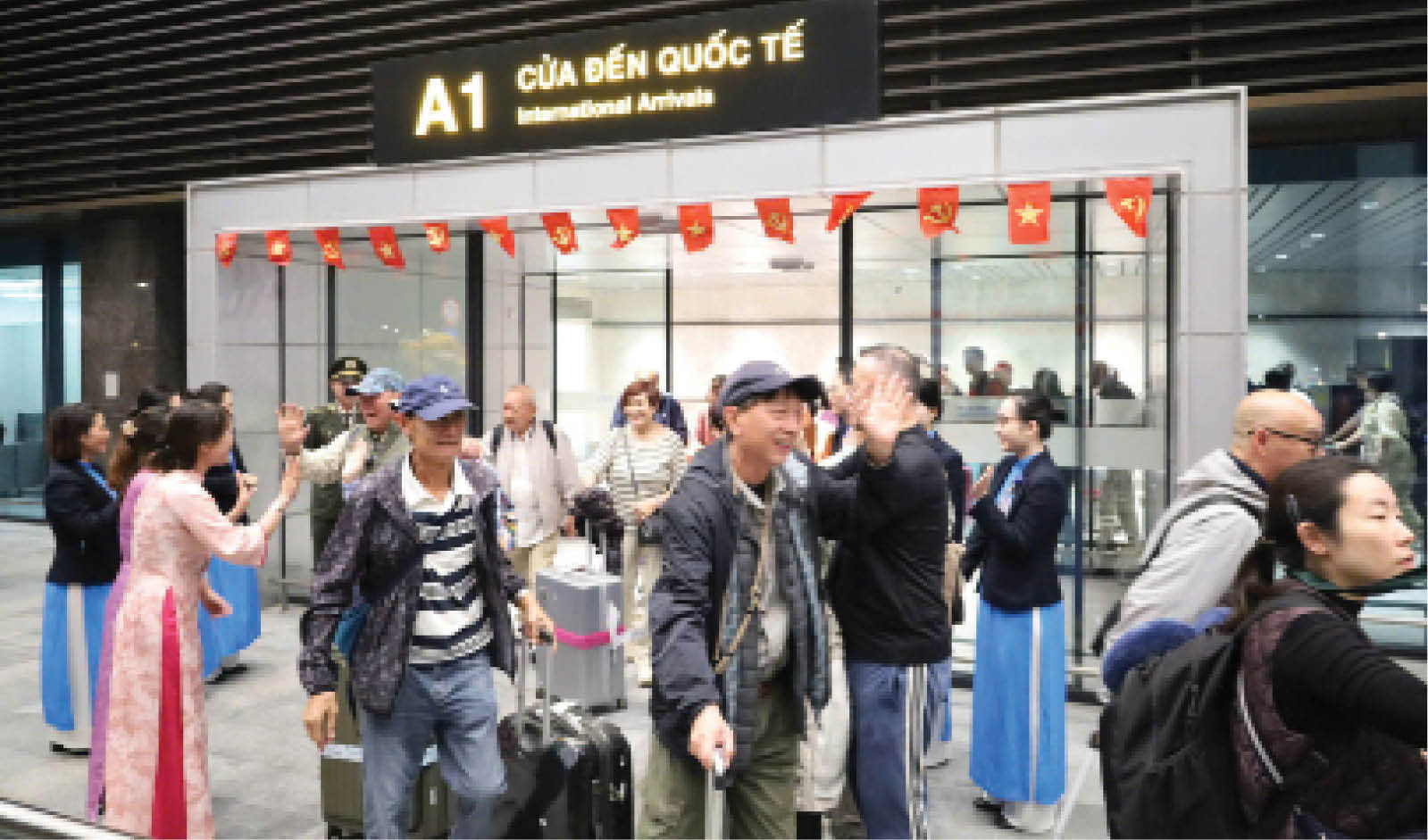
| Chinese tourists travel to Hue by air. Photo: Huu Phuc |
This event marks an important turning point: Hue officially enters the international flight "game", which has been the key for Central Vietnam destinations to break through in recent years.
But for this route to be more than just a one-off event, Hue needs to look closely at two successful models, and also have costly lessons to learn in the Central region, namely Da Nang and Khanh Hoa.
The first thing Hue can learn from Da Nang is the concept that air routes are tourism products, not transport infrastructure. In the period 2016 - 2019, Da Nang exploded when connecting more than 20 major cities in China via charter and regular flights.
Da Nang City has been very proactive in marketing with airlines such as: organizing famtrips, presstrips, roadshows in Beijing, Shanghai, Guangzhou; signing long-term cooperation agreements with major travel agencies.
Da Nang does not wait for customers to come, but goes out to find them. Instead of waiting for airlines to open routes, Da Nang proactively mobilizes, creates demand, and maintains routes in the early stages.
For Hue, the Shenzhen - Hue route can become a "hot bait" to stimulate the East Asian tourist market if maintained with a long-term strategy.
The prerequisite for an international flight to survive is that local tourism must have good products. The Department of Tourism and travel agencies need to immediately build a group of products specifically for the Chinese market. For example, the Hue - Lang Co night package; the Hue - Da Nang - Hoi An package linked in clusters; the night experience tour in the Imperial City; the culinary tour with the theme "Hue in 100 dishes"...
Another experience of Da Nang is that the night economy is positioned as a pillar. An Thuong Street, My Khe night beach, night markets, international food courts, outdoor art programs… are always vibrant, attractive, and rich, helping the city “embrace” the wallets of Chinese tourists - who are very famous for their willingness to spend.
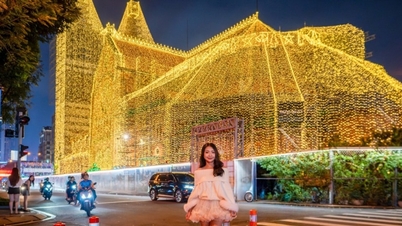
One of the inherent weaknesses of Hue tourism is that it is too quiet at night. If Hue wants to retain Chinese tourists, it must create a true “Hue night”: a more organized walking street; royal music performances in the Imperial City; night tours on the Perfume River; a royal food street; a night market with truly unique Hue handicrafts.
Only when tourists have a reason to go out at night, Hue has the opportunity to increase spending per visitor, instead of just being a one-night stopover.
If Da Nang offers a successful experience, Khanh Hoa - a place that welcomes millions of Chinese tourists each year - will give Hue a warning lesson.
Before 2020, Nha Trang city in Khanh Hoa was almost completely dependent on the Chinese tourist market. In particular, the ecosystem of “zero-dollar tours” and closed shops and services sprung up just to serve Chinese tourists, distorting the quality of the destination.
But Khanh Hoa itself is an example that if resolutely rectified, it can still develop healthily. In the past two or three years, the province has tightened tourism, severely dealt with cheap tours, and invested in upgrading island products, entertainment, and luxury accommodation services. As a result, the number of Chinese tourists has recovered without the "out of sync" situation as before.
Not characterized by "blue sea, yellow sunshine" like Da Nang or Khanh Hoa, but Hue has a treasure that Chinese tourists especially love: royal culture, royal music, temples, architecture, and traditional cuisine.
If Hue could just tell its story in a more modern, accessible way through tools like Chinese signage, knowledgeable tour guides, photo services, historical storytelling tours, etc., its heritage would be enough to make a difference.
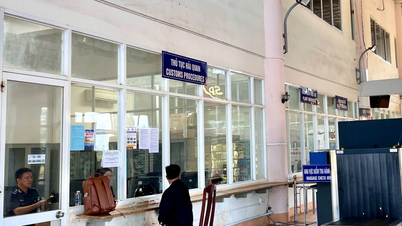
Another noteworthy point is that in addition to service attitude and procedures for entering tourist attractions, travel applications, electronic payments via QR, WeChat Pay, Alipay, etc. are basic utilities that Chinese tourists take for granted. Meanwhile, tourism in Hue is not yet popular.
The first charter flight from Shenzhen to Hue is a very good start, but only a departure point. The success of the route, and of the Chinese tourist market as a whole, depends on whether Hue is determined enough to learn from the good, avoid the bad, and most importantly, know how to highlight the values that only Hue has.
Source: https://huengaynay.vn/du-lich/don-khach-trung-quoc-nhin-tu-kinh-nghiem-da-nang-va-khanh-hoa-160628.html


![[Photo] National Assembly Chairman Tran Thanh Man attends the VinFuture 2025 Award Ceremony](/_next/image?url=https%3A%2F%2Fvphoto.vietnam.vn%2Fthumb%2F1200x675%2Fvietnam%2Fresource%2FIMAGE%2F2025%2F12%2F05%2F1764951162416_2628509768338816493-6995-jpg.webp&w=3840&q=75)
![[Photo] 60th Anniversary of the Founding of the Vietnam Association of Photographic Artists](/_next/image?url=https%3A%2F%2Fvphoto.vietnam.vn%2Fthumb%2F1200x675%2Fvietnam%2Fresource%2FIMAGE%2F2025%2F12%2F05%2F1764935864512_a1-bnd-0841-9740-jpg.webp&w=3840&q=75)


























































































Comment (0)