

1. Introduction to Quang Tri - a land of steadfastness and rich identity
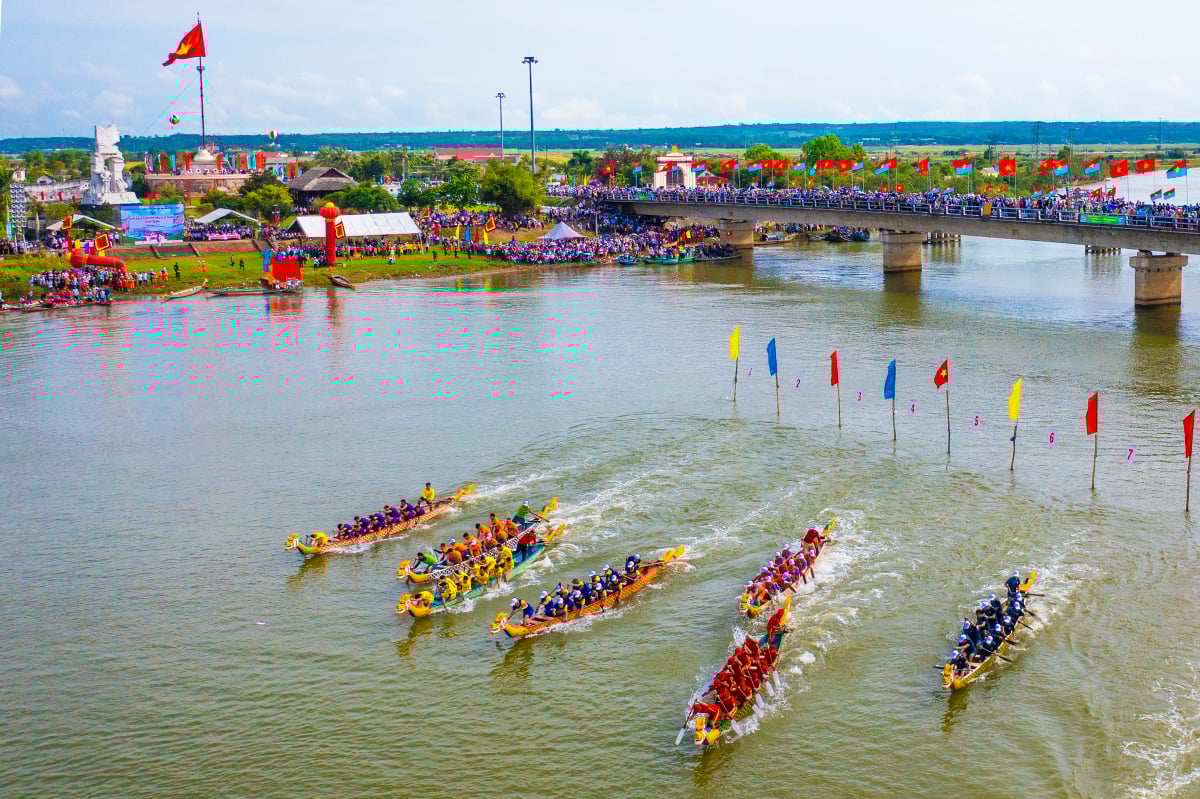
Quang Tri, a land of history and beautiful nature (Source)
Geographical location: Quang Tri is located in the Central strip of land, bordering Quang Binh province in the North and Thua Thien Hue in the South, acting as a connecting point between the two regions of the country.
Quang Tri is a land rich in tradition, closely associated with the Southward expansion of the Vietnamese people. From the Champa Kingdom to the Dai Viet period and feudal dynasties, this land has always held a strategic role. During the resistance war against the US, Quang Tri became a symbol of indomitable spirit when witnessing many fierce battles, especially at Quang Tri Citadel - a place that marked heroic and tragic pages of history.
As a land that has suffered much pain due to war, Quang Tri still stands strong. Monuments such as Truong Son Martyrs Cemetery, Vinh Moc Tunnels, Hien Luong Bridge - Ben Hai River are not only living proof of the heroic history but also must-see destinations in the Quang Tri tourism journey.
Besides its historical value, Quang Tri also attracts tourists by its wild natural beauty. From the calm white sand beach of Cua Tung to Con Co Island with its rich ecosystem, from the primeval forests to the poetic Chenh Venh Waterfall, all create a natural picture that is both majestic and romantic. If you love exploring, try conquering Cu Vo peak to feel the majesty of this land.
2. The best time to travel to Quang Tri
Quang Tri's climate is characterized by hot and rainy weather, strongly influenced by the southwest wind from March to September, causing prolonged drought. From October to February of the following year, this place often experiences northeast monsoons with heavy rain, which can easily cause flooding and small floods.
Therefore, the best time to travel to Quang Tri is from after Tet to around May. At this time, the weather in Quang Tri is relatively pleasant, with light sunshine and little rain, very convenient for traveling, exploring and experiencing outdoor activities.
Depending on your personal preferences and needs, you can choose the appropriate time as follows:
February - April: Is a great time to swim at Cua Tung beach. The sea is calm, the water is clear and the air is warm, very suitable for relaxation and photography.
May - July: If you love local culture, you can come during traditional festivals such as the national reunification ceremony (April 30), whale worship ceremony or memorial ceremonies at historical sites.
August - September: This is the harvest season in Quang Tri, the brilliant golden rice fields are the highlight of excursions, especially attractive to those who are passionate about photography and nature.
October - December: This is the rainy season, which can affect your schedule and is not suitable for outdoor activities or exploring relics.
3. Instructions for traveling to Quang Tri
To make your trip to Quang Tri smoother, you should choose a means of transport that suits your departure location and personal budget. Below are popular options to help you easily get to Quang Tri:
3.1. Travel to Quang Tri
- Plane: Although Quang Tri does not have its own airport, you can still fly to nearby airports:
- Phu Bai Airport (Hue): Located about 70km from Dong Ha center. From here, you can continue traveling by taxi, service car or bus to Quang Tri.
- Dong Hoi Airport (Quang Binh): About 100km from Dong Ha city. After landing, you can choose road transport such as taxi or bus to get there.
- Train: Dong Ha Station is a major stop on the North-South railway line. You can take a train from Hanoi or Ho Chi Minh City to get here. Then, travel by taxi, motorbike taxi or technology car to explore destinations in the province.
- Bus: Many bus routes run directly from major cities such as Hanoi, Da Nang, Ho Chi Minh City to Quang Tri every day. This is an economical choice and suitable for those who like the experience of traveling to Quang Tri by road.
- Motorbike or personal car: If you like to freely explore and experience, you can go to Quang Tri by motorbike or personal car. However, you need to pay attention to obey traffic laws and ensure safety on the road.
3.2. Means of transportation when traveling to Quang Tri
When planning a trip to Quang Tri, you will have many options for transportation to conveniently explore each area, from the city center to coastal or mountainous destinations:
- Intra-provincial buses: The bus system in Quang Tri is quite diverse, connecting flexibly between districts, towns and cities. The Dong Ha - Cua Tung route is a popular route, suitable for tourists who want to visit Cua Tung beach.
- Interprovincial buses: Visitors can easily catch interprovincial buses connecting Quang Tri with neighboring localities such as Hue, Quang Binh or Da Nang, making travel convenient and cost-effective.
- Taxi: Taxi is a quick and convenient option if you want to move flexibly between attractions. In central areas and near tourist attractions, taxis are always ready to serve visitors.
- Motorbike taxis: Motorbike taxis, especially technology-based motorbike taxis, are common in cities and some rural areas. This is a suitable option for short distances, low cost and time saving.
- Motorbike: For those who love to explore Quang Tri on their own, renting a motorbike is an ideal suggestion. The price for renting a manual motorbike ranges from 80,000 - 100,000 VND/day, and for a scooter from 100,000 - 150,000 VND/day. Many hotels, homestays and service shops in Dong Ha and Cua Viet support this service.
- Bicycle: If you are interested in green tourism and want to experience the peaceful pace of life in Quang Tri, bicycle is an interesting means of transport to try. Some bicycle rental places can be found in Dong Ha city or tourist areas such as Cua Tung, with rental prices starting from only 20,000 VND/hour or 50,000 - 80,000 VND/day.
4. Destinations not to be missed when traveling to Quang Tri
Quang Tri – the land associated with the heroic history of the nation, is always an ideal destination for those who love to travel, explore and learn about history. Not only possessing wild nature, this place is also famous for its war-torn landmarks, attracting a large number of tourists every year.
4.1. Quang Tri Citadel
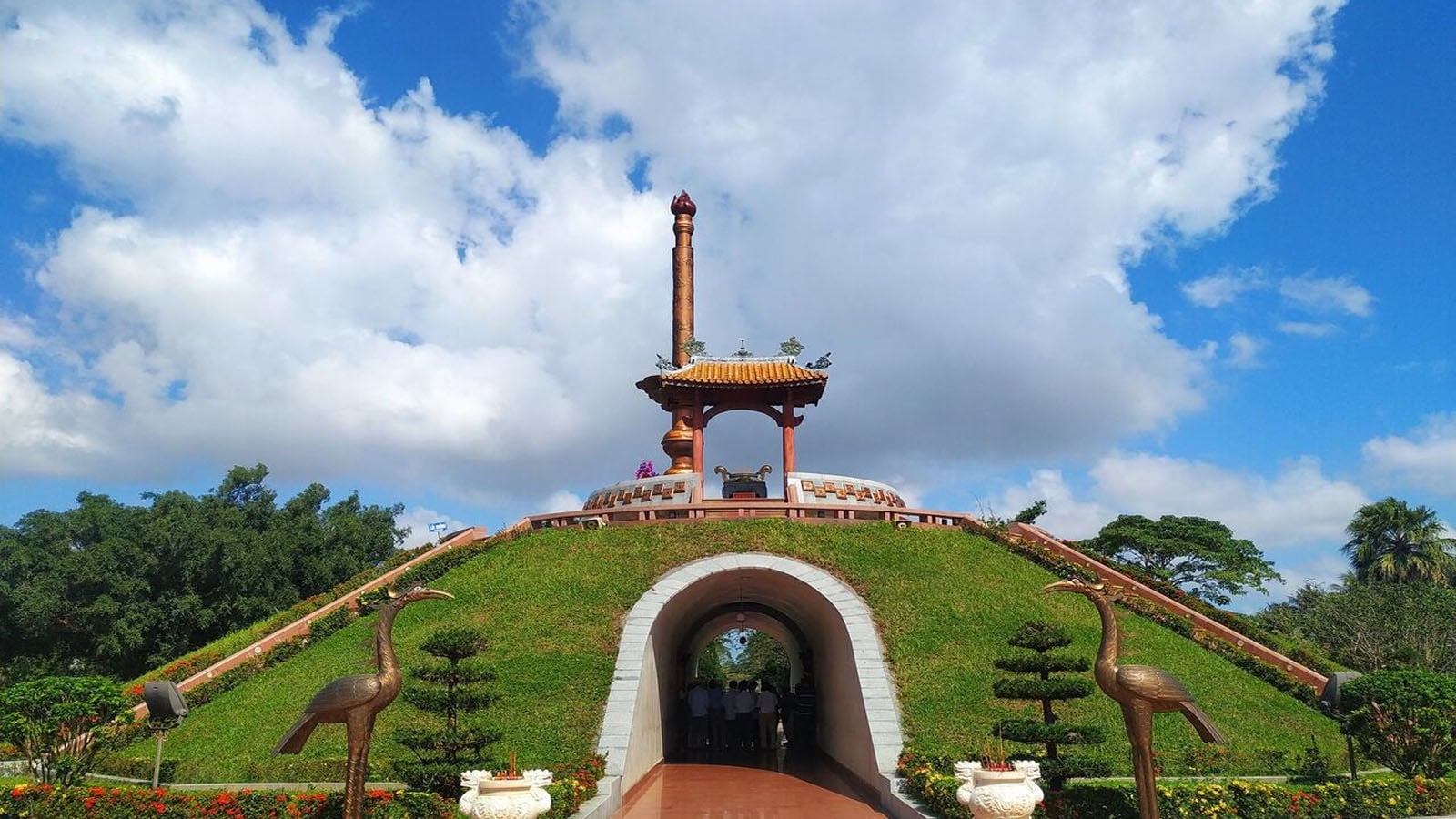
Quang Tri ancient citadel tourism - A sacred place of national history (Photo source: Collected)
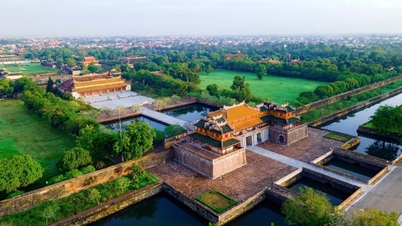
As one of the prominent historical relics in Quang Tri, the citadel was built during the Gia Long period and completed with bricks in 1837 under the reign of King Minh Mang. With a unique square architecture, each side is about 200m long, the walls are up to 4m high and 1m thick, this place used to be the administrative and military center of the whole region.
The highlight that makes the citadel an indispensable part of Quang Tri tourism is the event of 81 fierce days and nights in 1972. This is the place that marks the tenacious fight of our army and people against the fierce attacks from the US and the Army of the Republic of Vietnam.
Today, the citadel is not only a historical tourist destination but also a place to pay tribute to those who sacrificed their lives for national independence. Visitors often stop to light incense and listen to the tour guide’s touching stories – memories of war that never fade.
4.2. Truong Son Martyrs' Cemetery
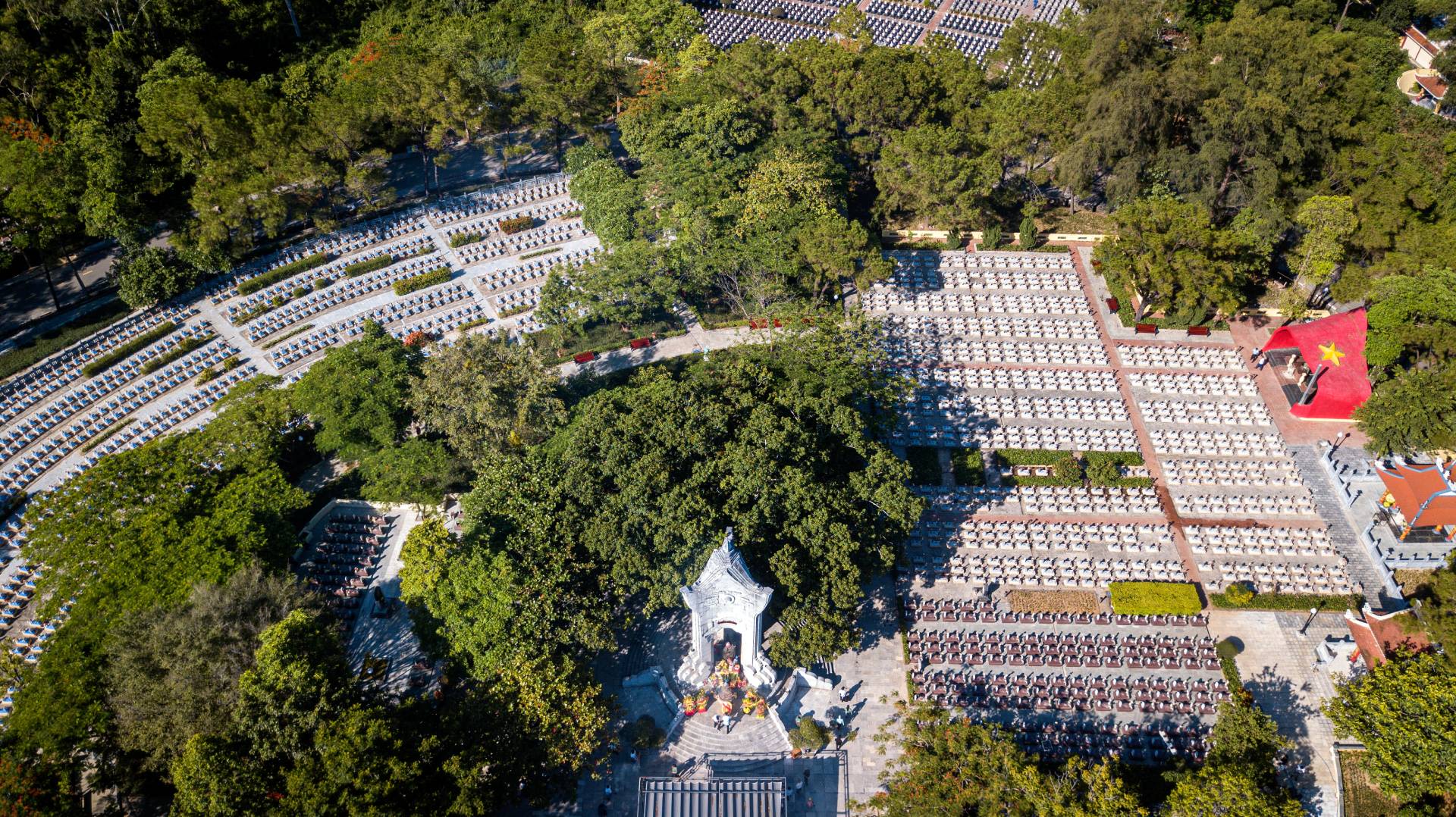
Truong Son National Cemetery (Photo source: Collected)
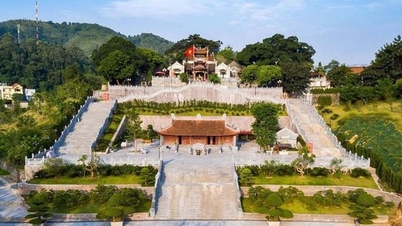
As one of the most sacred historical sites in Quang Tri, Truong Son Martyrs Cemetery was built on October 24, 1975 and completed on April 10, 1977 with a total area of over 140,000 m². This is the resting place of more than 10,000 soldiers who heroically sacrificed on the legendary Truong Son route during the resistance war against America.
The cemetery is located on a large hill, blending with the peaceful natural landscape. The central area is the Memorial with the statue of President Ho Chi Minh and the heroic martyrs, surrounded by neatly planned graves, each with a stele recording the names of martyrs. Besides, there are ancillary works such as traditional houses, memorial stele houses and green spaces that bring solemnity and serenity to visitors.
Not only is it a place to commemorate those who sacrificed their lives for the Fatherland, Truong Son Cemetery is also a vivid historical evidence of the heroic resistance of the Vietnamese people. Recognized as a national historical and cultural relic in 2013, this place contributes to educating the tradition of patriotism and fostering national pride for the younger generations.
During the Quang Tri tourism journey, Truong Son cemetery is a destination not to be missed for those who want to learn about history, pay tribute to the past and relive the heroic moments of the nation. On major holidays such as July 27 or April 30, this place attracts thousands of people to visit, offer incense and participate in activities to pay tribute to martyrs and veterans.
4.3. Vinh Moc Tunnels
As one of the typical historical relics of Quang Tri, Vinh Moc tunnels were started in 1965 and completed in 1967. This is a military-civilian project located deep underground, built to protect residents and serve the resistance war against America.
With a length of more than 2,000 meters, the tunnel system consists of 3 basements connected by small passages, creating a solid underground tunnel system. Inside, there are fully arranged functional areas serving life such as water wells, living areas, kitchens, infirmaries, restrooms and even a hall.
Not only was it a safe haven for hundreds of people during wartime, the tunnels were also the site of many important military, cultural and political activities. This is an ideal destination for those who love to experience exploring history and learning about Vietnam war relics when traveling to Quang Tri.
4.4. Hien Luong Bridge – Ben Hai River
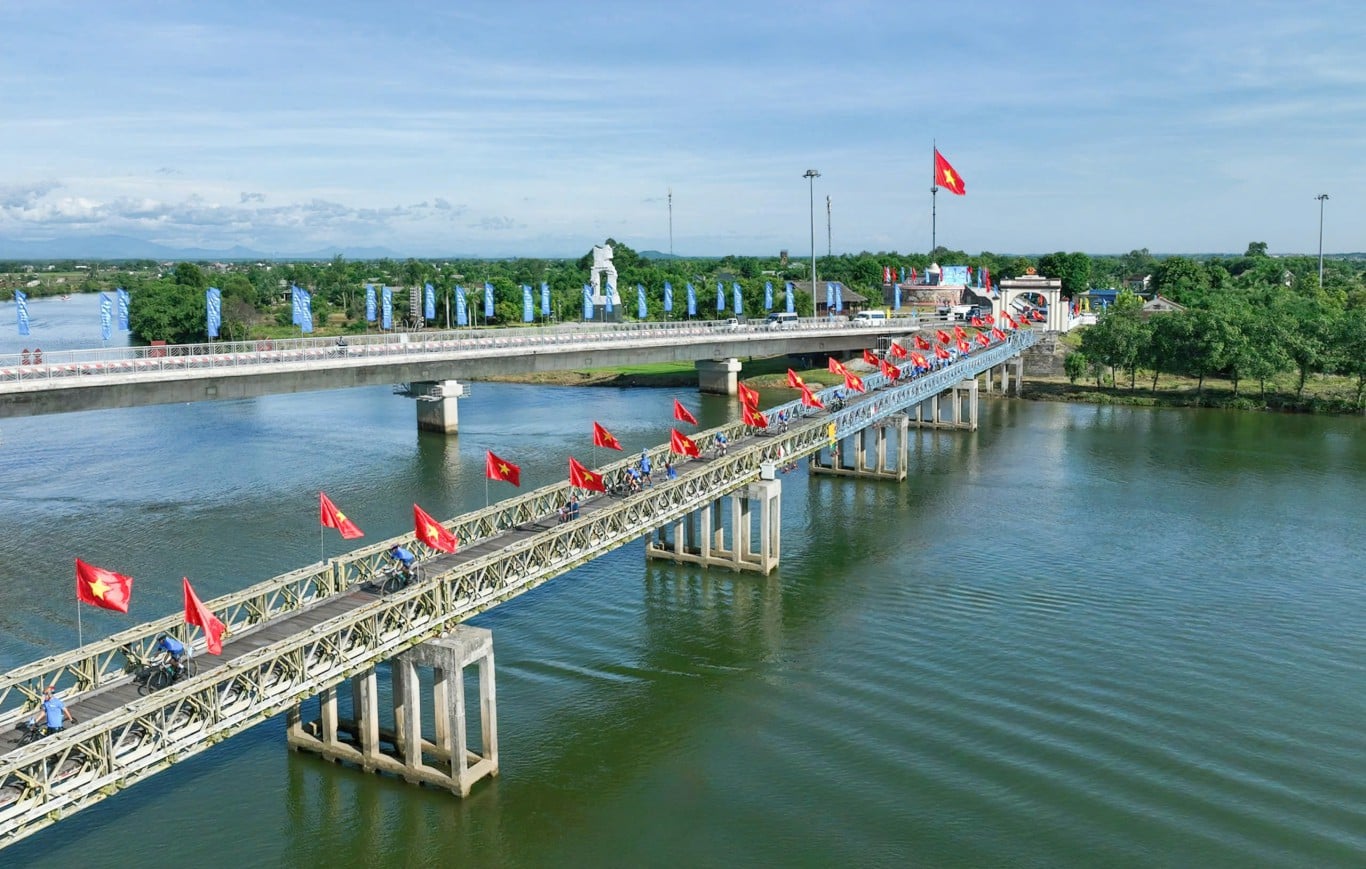
Hien Luong - Ben Hai, a place symbolizing the desire for peace (Photo source: Collected)
Ben Hai River is approximately 100 km long, originating from Dong Chan Mountain in the Truong Son range, flowing in the West - East direction and emptying into the East Sea at Cua Tung estuary. Hien Luong Bridge - a historic bridge across the river - connects the two banks: Hien Luong village (Vinh Thanh commune, Vinh Linh district) in the North and Xuan Hoa village (Trung Hai commune, Gio Linh district) in the South.
After the Geneva Agreement in 1954, Hien Luong Bridge and Ben Hai River became the temporary border dividing the country at the 17th parallel, turning this place into a symbol of the pain of division and the aspiration for national unification. For 21 years (1954 - 1975), this area was the site of "silent wars" such as "loudspeaker fights" and "flag fights", demonstrating the resilient spirit and unyielding will of the people of the two regions.
Hien Luong Bridge was first built in 1928, then repaired and restored many times. Currently, the bridge has been restored according to the original model built by the French in 1952, with a length of 183.65m and a width of 5.50m. The colors of the bridge – blue in the North and yellow in the South – are still kept as a symbol of the contrast between the two regions at that time.
As a famous tourist destination in Quang Tri, Hien Luong Bridge - Ben Hai River is not only a historical relic of Quang Tri but also an unmissable stop for those who love to learn about history and explore the sacred significance of the 17th parallel relic in their journey to Quang Tri.
4.5. Lao Bao Prison
Lao Bao Prison (Lao Bao exile) is one of the most famous and brutal prisons of the French colonialists in Vietnam, built in 1908 to detain patriots and revolutionary fighters.
In 1908, the French colonialists started building Lao Bao prison on a land area of about 10 hectares. From 1929 to 1930, the prison was expanded to detain more communist prisoners. After that, the French colonialists built a solid prison system made of concrete and steel to detain communist party members (in 1934). In 1945, after the success of the August Revolution, the prison was completely liberated.
With its solid architecture, Lao Bao Prison consists of many rows of cells, solitary confinement areas, torture areas and the prison guards' working areas. The cells are designed to be cramped, lacking light and air, creating a harsh living environment for prisoners.
Lao Bao Prison is a historical evidence of the crimes of French colonialism against the Vietnamese people. This place witnessed the sacrifice and suffering of thousands of revolutionaries and patriots. However, it was also here that the patriotism, indomitable will and loyalty to the revolutionary ideals of communist soldiers were tempered and shone.
4.6. La Vang Church
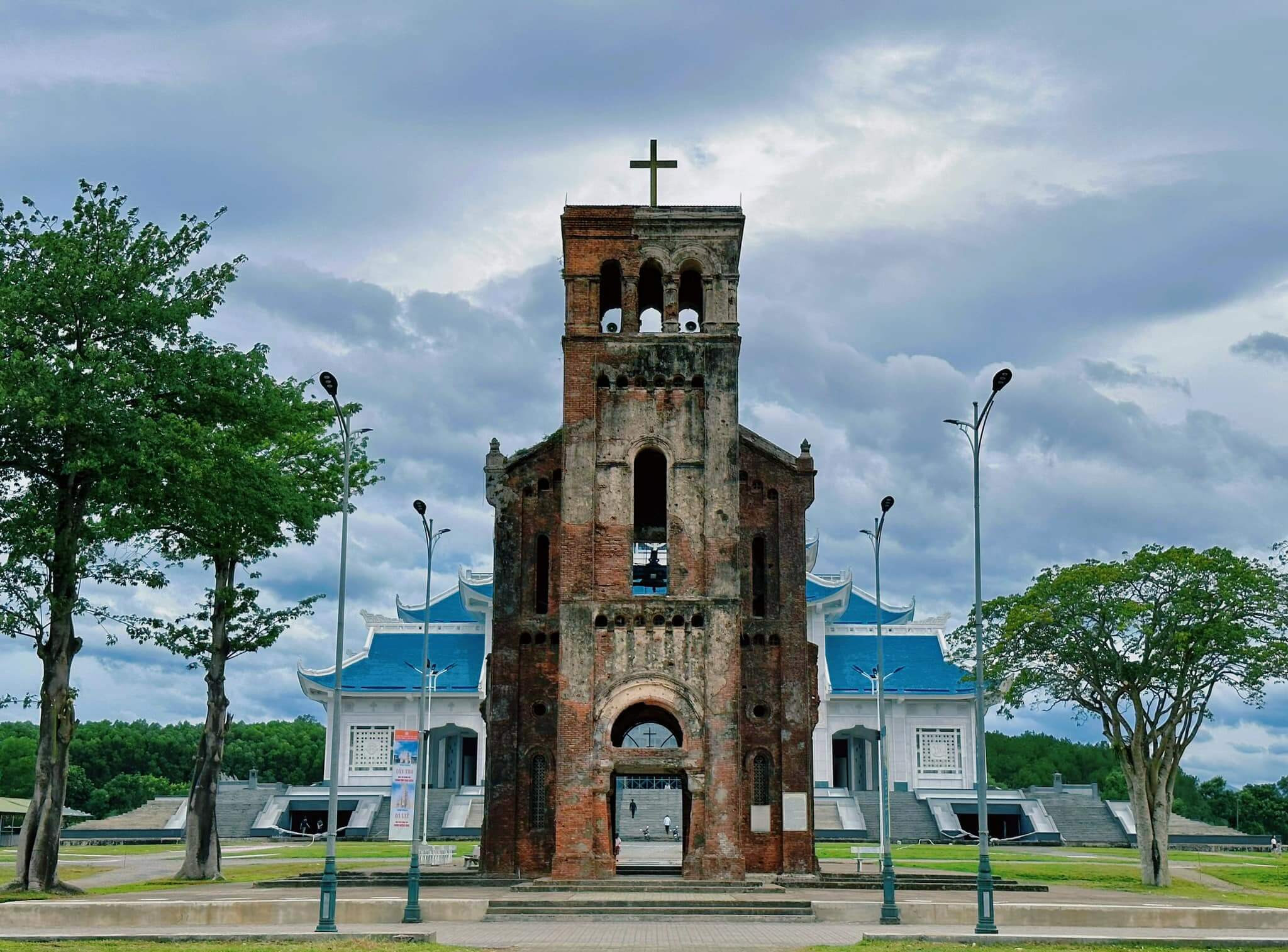
La Vang Sanctuary - A sacred pilgrimage site of the Catholic community (Photo source: Collected)
When talking about Quang Tri tourism, we cannot help but mention La Vang Church – a prominent and most sacred spiritual tourist destination in Vietnam. This is not only an important destination in the religious life of Catholics, but also a place that attracts a large number of tourists who love to explore local history and culture.
According to legend, in 1798 – a period when Catholicism was severely persecuted under the Tay Son Dynasty – the Virgin Mary appeared in La Vang forest to comfort and heal the fleeing believers. Since then, this place has been considered a sacred sanctuary, a pilgrimage site for millions of Catholics at home and abroad.
The current project is built on a bold Asian architectural foundation, with a grand scale, starting construction in 2012 and officially inaugurated in 2022.
- Bell tower: 45 meters high, is the outstanding architectural symbol of the church.
- Square: Spacious, able to accommodate tens of thousands of people during major pilgrimages.
- Monument: Solemn area with statues of Our Lady of La Vang and Vietnamese martyrs.
- Chapel: A sacred space for religious ceremonies and prayer.
La Vang Church is not only a religious relic but also a place to preserve the cultural identity, solidarity and deep faith of Vietnamese Catholics. Every year, on the 15th day of the 8th lunar month, a pilgrimage festival takes place here attracting millions of participants - an experience not to be missed for those who want to learn about the complete Quang Tri travel experience.
4.7. Cua Tung Beach
If you are looking for an ideal destination for your trip to Quang Tri, Cua Tung beach is definitely a name you cannot miss. This place is known for its peaceful, wild beauty and turquoise sea water, and was once affectionately called “Queen of beaches” by the French.
Cua Tung Beach has a long stretch of fine white sand, a gently sloping coastline, very suitable for activities such as swimming, walking or playing water sports. In particular, the sea water here is so clear that you can see the bottom, creating a relaxing and pleasant feeling. In addition, this area is also famous for its rich source of seafood such as squid, crab, crab and fresh shrimp - a great plus for those who love seafood cuisine. You can easily enjoy typical seafood dishes at coastal restaurants or buy them to cook as you like.
4.8. Con Co Island
Con Co Island, also known as Hon Co, is a small island located in the Northeast of Vinh Linh District, Quang Tri Province, about 17km from the mainland. With its wild beauty, diverse ecosystem and important strategic location, Con Co is not only an attractive tourist destination but also a symbol of Vietnam's sovereignty over seas and islands.
Con Co still retains its pristine natural beauty with fine white sand beaches, clear blue sea water, colorful coral reefs and lush green primeval forests. The island is home to many rare species of flora and fauna, especially seabirds and sea turtles.
Con Co is located in an important strategic position, the gateway to the Gulf of Tonkin and the demarcation point of the Gulf of Tonkin between Vietnam and China.
4.9. Ru Linh primeval forest
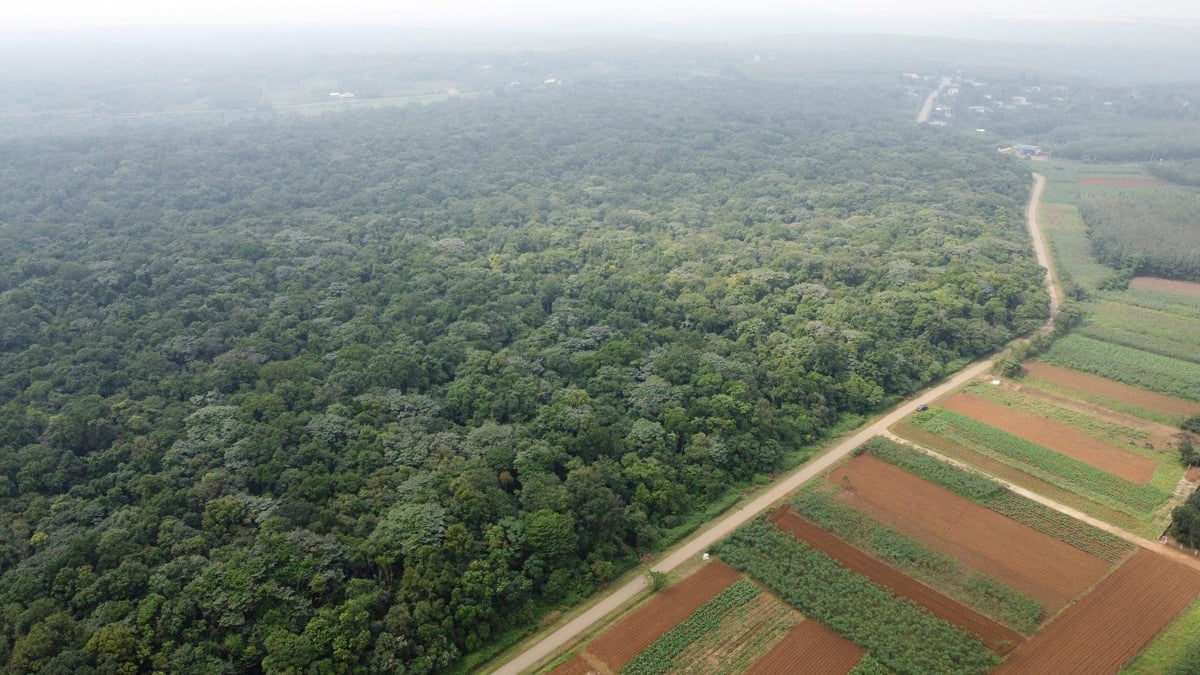
Ru Linh - The only primeval forest located in the middle of the plain of Quang Tri province (Photo source: Collected)
Ru Linh primeval forest is one of the ideal eco-tourism destinations in Quang Tri for those who love nature and want to explore the pristine beauty. With an area of about 93.4 hectares, this forest stands out thanks to its biodiversity and rich flora, including many precious woods such as green lim, honey mahogany, honey tau and especially the water lily tree - a typical climbing plant commonly found in mangrove forests.
The unique feature of Ru Linh is the presence of a primeval forest in Quang Tri in the middle of the plain on fertile red basalt soil – a rare thing in the area. This is also the habitat of many rare animals such as golden monkeys, flying squirrels, wild birds and reptiles.
Since 2008, Ru Linh has been officially recognized as a nature reserve, becoming an attractive destination in Quang Tri tours combining nature exploration and camping experiences in the forest.
With its unique values of nature, history and people, Quang Tri tourism is increasingly asserting its own appeal on the Vietnamese tourism map. Whether it is a relaxing vacation or an inspiring journey of discovery, Quang Tri can bring you precious moments. Do not hesitate, plan to fully experience the authentic and profound beauty of this sunny and windy Central region today!
Source: https://www.vietravel.com/vn/am-thuc-kham-pha/du-lich-quang-tri-v16955.aspx


![[Photo] 60th Anniversary of the Founding of the Vietnam Association of Photographic Artists](/_next/image?url=https%3A%2F%2Fvphoto.vietnam.vn%2Fthumb%2F1200x675%2Fvietnam%2Fresource%2FIMAGE%2F2025%2F12%2F05%2F1764935864512_a1-bnd-0841-9740-jpg.webp&w=3840&q=75)


![[Photo] National Assembly Chairman Tran Thanh Man attends the VinFuture 2025 Award Ceremony](/_next/image?url=https%3A%2F%2Fvphoto.vietnam.vn%2Fthumb%2F1200x675%2Fvietnam%2Fresource%2FIMAGE%2F2025%2F12%2F05%2F1764951162416_2628509768338816493-6995-jpg.webp&w=3840&q=75)











































































Comment (0)