

On March 26, the European Commission outlined the conditions for lifting sanctions against Russia, while Ukrainian President Volodymyr Zelensky called on the US to continue sanctions against Russia.
EU countries extended the bloc's two sanctions frameworks against Russia for another six months at the end of January and this month. Any changes to the sanctions require the unanimous agreement of all 27 member states.
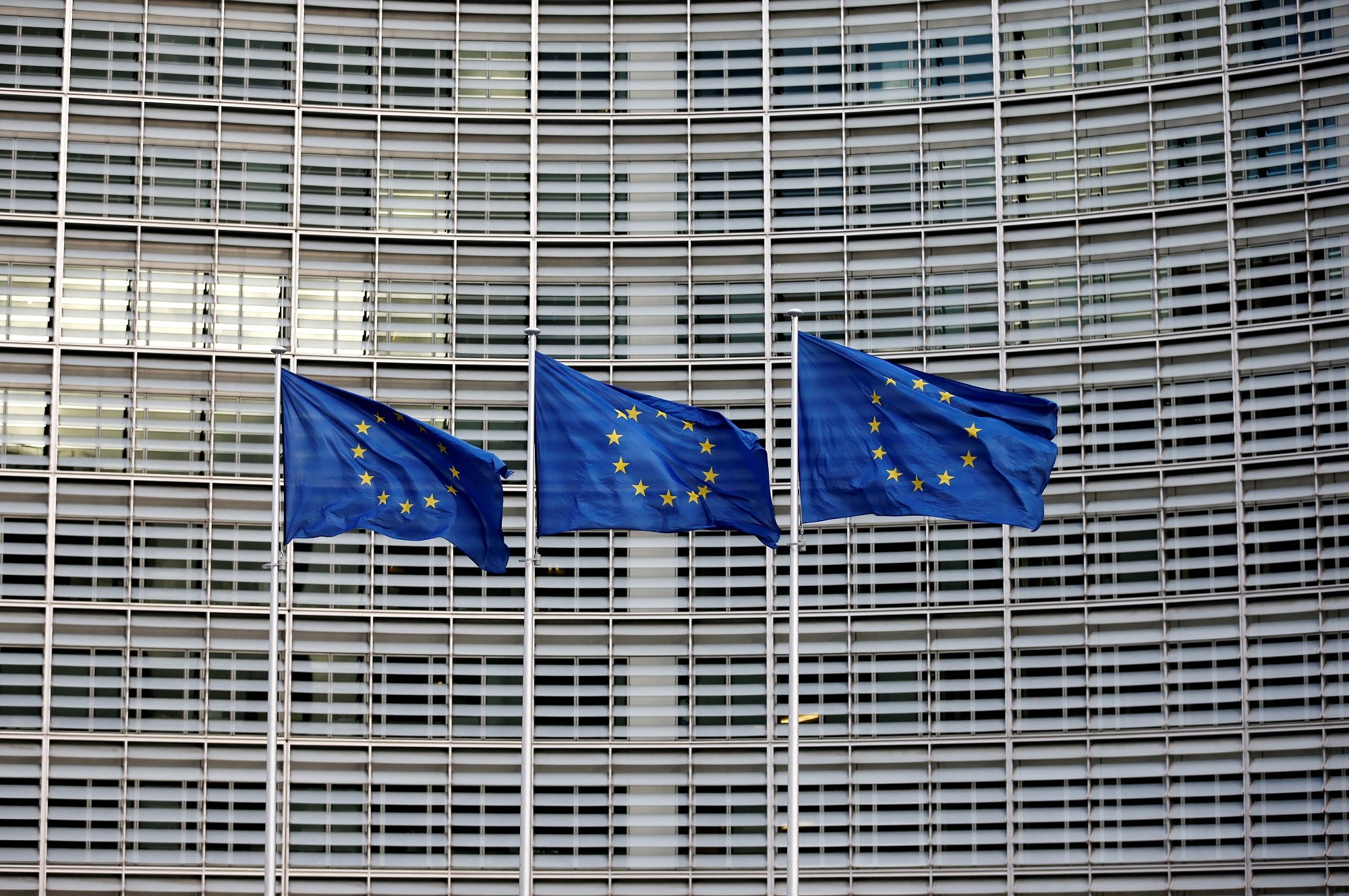
The EU flag outside the European Commission headquarters in Brussels (Belgium).
"The cessation of Russia's unprovoked and senseless aggression in Ukraine and the complete withdrawal of all Russian military forces from all Ukrainian territory will be one of the main prerequisites for amending or lifting sanctions," a European Commission spokesperson stressed, according to Reuters.
There is currently no information on Russia's reaction. On March 25, the US reached separate agreements with Ukraine and Russia to temporarily halt naval attacks and targets targeting energy facilities, with Washington agreeing to push for the lifting of some sanctions against Moscow.
Russia said on March 25 that the US had agreed to help lift a range of Western sanctions and restrictions on food, fertilizer, and shipping companies as a prerequisite for a maritime security agreement in the Black Sea.
Diplomats told Reuters that most of the restrictions listed by the Kremlin relate to EU sanctions and restrictions against Russia.
Meanwhile, Ukrainian President Volodymyr Zelensky on March 26 called on the US to continue sanctions against Russia, following a night of Russian drone attacks, according to Reuters.
Zelensky pointed to attacks on his hometown of Kryvyi Rih and the Sumy province as questions revolved around the basic details of the two ceasefire agreements announced by the US on March 25 following talks in Saudi Arabia.
The Ukrainian military accused Russia of launching 117 drones on the night of March 25 and the early morning of March 26, and local officials said Kryvyi Rih suffered the largest drone attack since Russia launched its military operation in Ukraine on February 24, 2022.
There have been no statements from Ukraine saying that Russia attacked energy infrastructure on the night of March 25 and the early morning of March 26, but Zelensky said the new attacks went against the spirit of the peace talks.
"The launching of such large-scale attacks after ceasefire negotiations sends a clear signal to the whole world that Moscow will not pursue genuine peace," Zelensky wrote on X.
Meanwhile, on March 26, the Russian Ministry of Defense accused Ukraine of continuing to target Russian energy infrastructure despite President Zelensky's statement that he accepted an agreement between Moscow and Washington to stop such attacks, according to RT.
The Russian Ministry of Defense claims that Ukrainian forces carried out at least three attempts to attack Russian energy facilities in the previous 24 hours.
There is currently no information on the reaction of either Kyiv or Moscow to the other side's accusations.
Source: https://thanhnien.vn/eu-neu-dieu-kien-do-bo-lenh-cam-van-doi-voi-nga-185250326184547559.htm







































































Comment (0)