

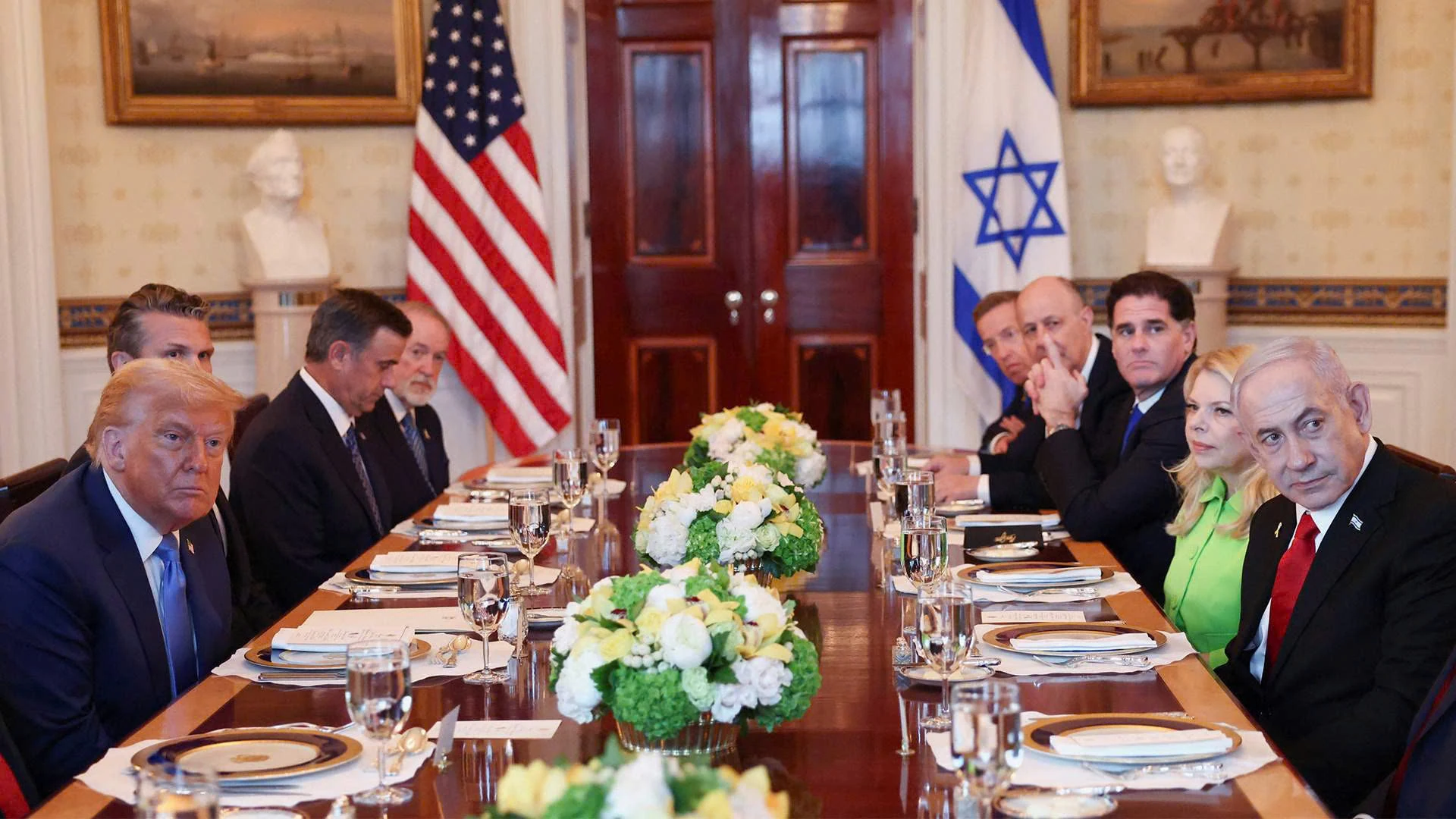
Fatah and Hamas clash during ceasefire negotiations in Gaza.
Internal conflict between the two main Palestinian forces – Fatah and Hamas – is escalating precisely as ceasefire talks between Hamas and Israel are underway. While Fatah has expressed support for a ceasefire to provide civilian aid, the movement has criticized Hamas for acting unilaterally and without consulting other political forces.
According to Izvestia, Munzir Hayek, Fatah's spokesman in Gaza, said that Hamas has not shared information or discussed the latest ceasefire proposal, which is considered a "political initiative" affecting all Palestinians. "There is no channel of communication whatsoever, even indirectly," Hayek asserted. Despite this, Fatah still supports moving toward an agreement, even if only temporary, with the goal of urgently ending the humanitarian crisis in Gaza.
On the Hamas side, the movement confirmed its agreement with a ceasefire proposal from Israel and expressed its willingness to negotiate, but still demanded adjustments to three key points: a mechanism for humanitarian aid, the withdrawal of Israeli troops from Gaza, and a lasting ceasefire. Israel immediately rejected these conditions, deeming them unacceptable.
Hayek warned: “We are living in conditions of literal genocide, every day is a massacre, with no food, water, or medicine. I have witnessed surgeries without anesthesia – it was horrific.”
Analysts believe that the split between Fatah and Hamas continues to be a major obstacle in efforts to find a solution to the Israeli-Palestinian conflict. While Hamas controls Gaza and is the direct negotiator with Israel, Fatah – representing the Palestine Liberation Organization (PLO) – remains a widely recognized international entity. However, the mutual exclusion in strategic decisions has divided Palestinian positions, significantly reducing their negotiating power.
The worrying aspect is that both sides seem to prioritize factional interests over the interests of the people. While civilians in Gaza suffer from bombing, hunger, and disease, the political forces lack basic consensus. Fatah's warning of a "silent genocide" reflects a grave humanitarian reality, but without a unified voice, effective international intervention is unlikely.
Ultimately, no matter how deep the internal disagreements may be, one thing is clear: if Hamas and Fatah cannot find common ground at this critical juncture, the Palestinian people will continue to be the biggest victims of both war and political division.
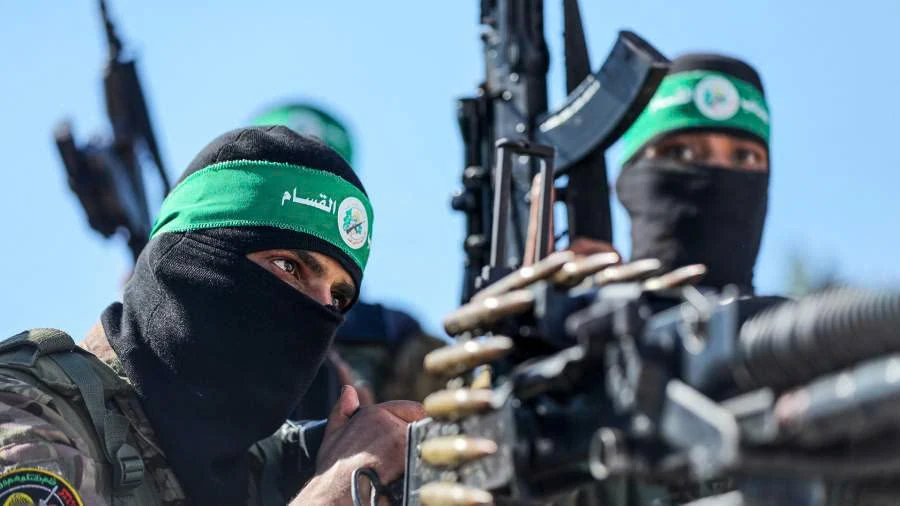
Gaza ceasefire negotiations: Slow progress, disagreements persist.
Recent indirect negotiations between Israel and Hamas have concluded without a final agreement. However, according to Israeli media, the parties have agreed on approximately 80-90% of the terms of a framework agreement on a ceasefire and hostage release. Israel remains optimistic about the possibility of a breakthrough in the near future.
Nevertheless, the remaining obstacles are still fundamental. Hamas demands: (1) Unimpeded access to humanitarian aid; (2) Complete withdrawal of all Israeli troops from Gaza; (3) A permanent ceasefire guaranteed with international supervision.
Meanwhile, Israel rejected these demands, deeming them "unacceptable." On July 9, Hamas announced its willingness to release 10 hostages as a gesture of goodwill, including a prisoner with dual US-Israeli citizenship. However, approximately 50 hostages remain held, and Israel estimates that more than half have perished.
A new flashpoint in the negotiations is the issue of controlling the Morag corridor between Rafah and Khan Yunis – a strategic area that Israeli Prime Minister Netanyahu is determined to hold onto. Hamas has rejected the current withdrawal plan.
Regarding aid, Hamas insists that relief supplies must go through the United Nations, not through the US-backed Gaza Humanitarian Fund (GHF). Meanwhile, according to Reuters, the GHF has been criticized for proposing the establishment of "humanitarian transit" camps, which are seen as a form of disguised expulsion or forced "de-radicalization" of Palestinians.
While international negotiators continue to mediate to narrow differences, civilians in Gaza remain in a state of profound humanitarian crisis, lacking water, food, medicine, and shelter. Regional experts say that only a "framework draft" exists so far, and reaching a full agreement remains fraught with legal and political obstacles.
Although 80-90% of the terms have been agreed upon, the remaining elements are at the core of the conflict: territorial control, ensuring lasting peace , and humanitarian aid. Hamas wants to avoid a "vague agreement" like before, where Israel could flexibly interpret it to delay commitments. Conversely, Israel wants to maintain its strategic advantage, especially in the southern Gaza Strip.
Furthermore, the lack of consensus among Palestinian factions such as Hamas and Fatah has fragmented the Palestinian negotiating position, affecting their political credibility and chances of reaching a comprehensive agreement.
However, it cannot be denied that the goodwill shown by Hamas's offer to release hostages and continue negotiations is a positive sign. With tens of thousands killed and much of Gaza destroyed, increasing international pressure is forcing all parties closer to a political solution. The remaining question is not only when an agreement will be reached, but also what it will actually bring to the Palestinian people – peace, or merely a lull before a new round of violence?
Hung Anh (Contributor)
Source: https://baothanhhoa.vn/fatah-hamas-va-israel-toan-tinh-cua-ba-ben-ai-thuc-su-vi-nguoi-palestine-254473.htm



















![[E-Magazine]: The season closes the chapter on sources of love](https://vphoto.vietnam.vn/thumb/402x226/vietnam/resource/IMAGE/2025/12/12/1765547070855_e-magazine-mua-w1200t0-di2549d199d5153818t11920l1-mkl-014.webp)





















































Comment (0)