


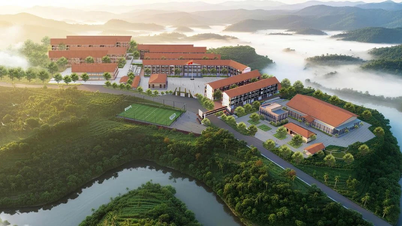
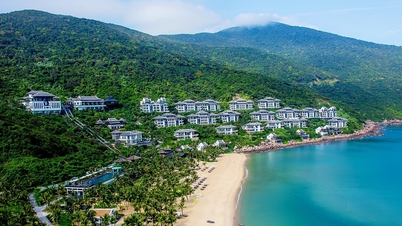
Toom Sara (Suoi Hoa) tourist area in Phu Tuc hamlet, Hoa Vang commune, features tourism products developed based on the Co Tu culture of Quang Nam province. Photo: Xuan Son
Solutions for preserving mountain culture
Presenting his paper at the recent First Congress of the Da Nang City Party Committee, Mr. Bhling Mia, Secretary of the Tay Giang Commune Party Committee, suggested solutions for sustainable local development in the future. Notably, he emphasized the task of preserving and promoting the cultural identity of ethnic groups, especially the traditional culture of the Co Tu ethnic community.
This includes focusing on restoring, maintaining, and organizing traditional festivals, handicrafts, and the Gươl cultural space in conjunction with community tourism development. It also involves maximizing the internal resources and the leading role of the people, especially village elders and influential figures, in educating the younger generation and preserving good customs, traditions, and practices.
At the same time, it encourages creativity, harmoniously combining tradition and modernity, making Co Tu culture a spiritual driving force, contributing to strengthening national unity, improving living standards, and creating a unique appeal for Tay Giang on its journey of integration and development.
For the mountainous commune of Tra Linh, Ms. Ho Thi Minh Thuan, Secretary of the Commune Party Committee, proposed five groups of solutions for sustainable local development. These include developing ecotourism combined with medicinal herb tourism and preserving indigenous culture.
Accordingly, to develop Tra Linh commune and the western area of Da Nang into a center for medicinal herb industry with Ngoc Linh ginseng as the main crop, the Party Committee and government need to implement a comprehensive set of solutions to develop ecotourism linked with medicinal herb tourism and preserve local culture. Developing traditional medicinal herb craft villages will not only contribute to creating livelihoods for the people but also become a highlight attracting tourists…
Support from policies
In the process of building and developing mountainous communes, cultural factors and indigenous knowledge are considered key to sustainable development. For many years, the people in the highlands have persistently preserved the culture of their ancestors, with successive generations taking on the responsibility that "is not just one person's own."
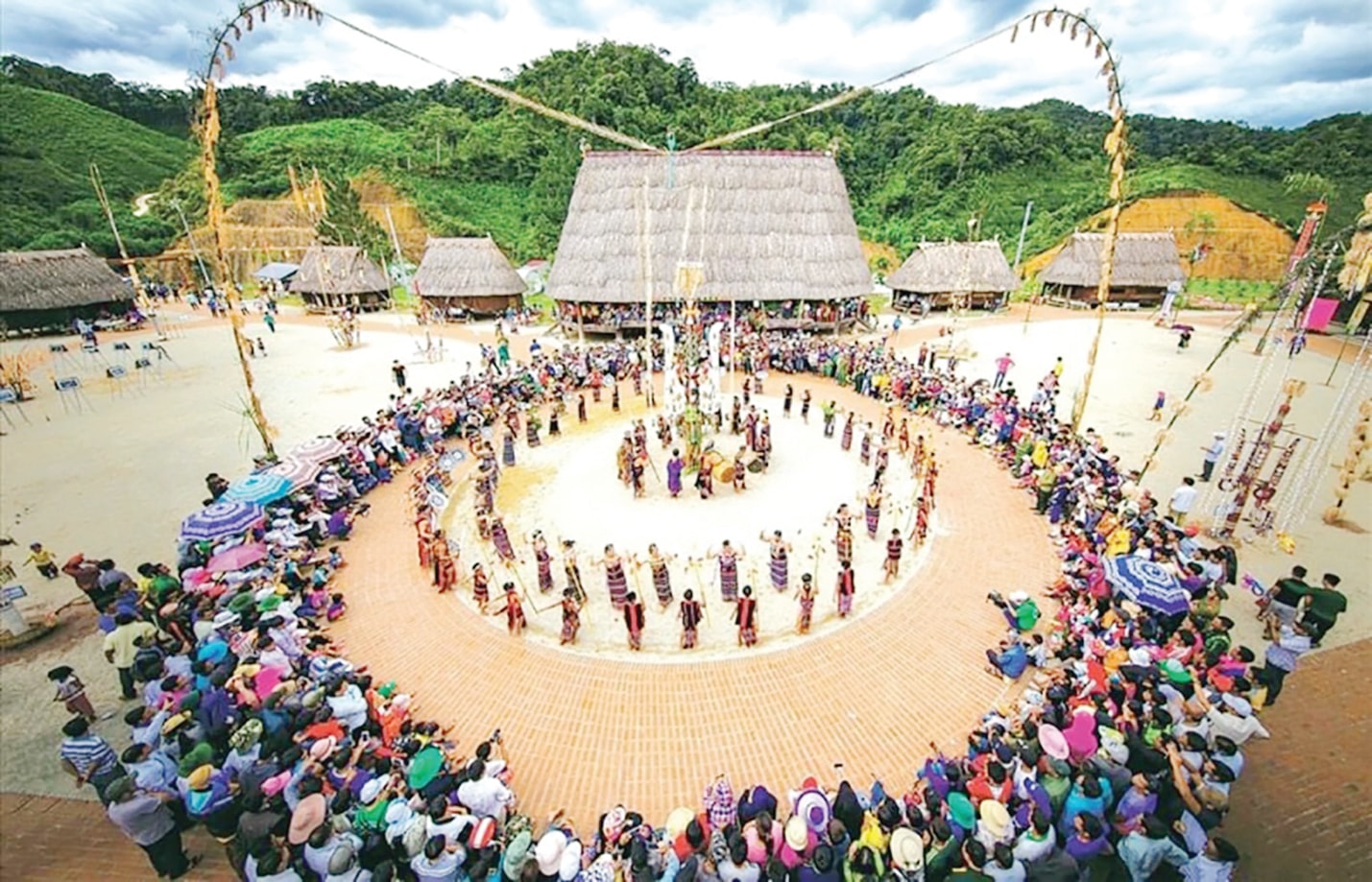
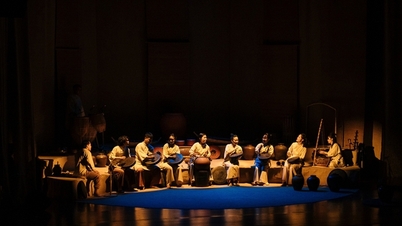
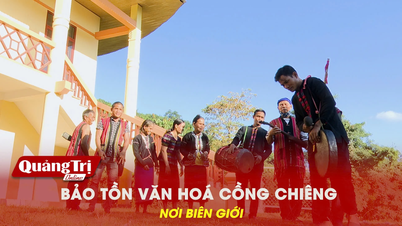
The soundscape for the traditional musical instruments of the Co Tu people is the forest, mountains, and villages. (Photo: Archival image)
As Dương Linh, a member of the Co ethnic group's young gong ensemble, shared, preserving the art of gong playing is not something that happens overnight, but rather a long journey. Dương Linh said he was fortunate to still be in time to preserve the culture, even though he began learning gong playing formally at the age of 25.
Most recently, Resolution No. 02 dated July 29, 2025, of the Da Nang City Party Committee has agreed on the principle of establishing fraternal ties between wards and communes in the city to support each other's comprehensive development and best serve and improve the quality of life for people in mountainous areas.
Following the issuance of Resolution No. 02, the Da Nang City Party Committee issued Official Document No. 389 dated August 25, 2025, on the implementation of the twinning program; assigning 60 communes and wards in the delta area to establish twinning relationships with 33 communes in mountainous, remote, ethnic minority, border, and island areas.
Previously, Hoa Cuong ward and Ngu Hanh Son ward were the first two localities to respectively hold signing ceremonies for agreements on fraternal relations, cooperation, and mutual support in many fields with Tra Tan and Avuong communes.
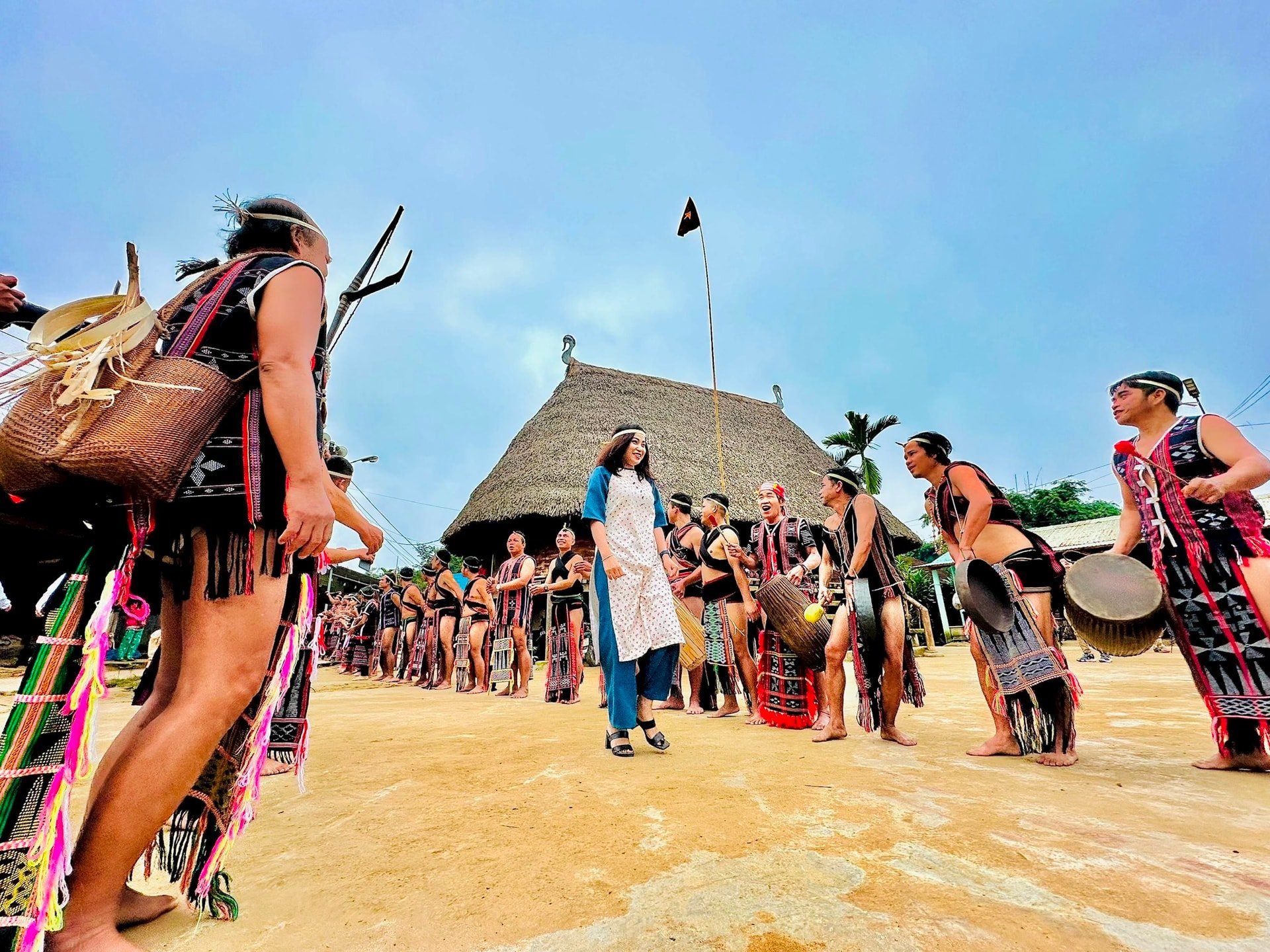
The Co Tu community in Ta Lang village (Avuong commune) opens its doors to welcome tourists. Photo: DANG NGUYEN
Mr. Mac Nhu Phuong, Secretary of the Party Committee of Avuong commune, shared that, regarding the twinning program, Ngu Hanh Son ward will initially organize activities to promote the distinctive culture of the Co Tu people, such as brocade weaving and Tang Tung Da Da dance, and open tourist tours from Ngu Hanh Son to Avuong to promote local cultural values and provide practical support to the locality...
Similarly, Son Tra ward established a sister-ward relationship with Tra Leng commune, with notable activities agreed upon including organizing a cultural and culinary exchange market, the Tra My cinnamon festival and the Ngoc Linh ginseng festival; and compiling a book introducing the scenic beauty and tourism potential of each locality.
In early September 2025, the National Political Publishing House, in collaboration with the People's Committee of Son Tra Ward, will launch the photo book "Treasure." The book is an idea initiated by Mr. Hoang Son Tra, Secretary of the Party Committee of Son Tra Ward, since the end of 2024. Following this twinning program, the next book, "From Son Tra Sea to Tra Leng Mountain," is expected to be released in the near future…
It is clear that preserving and developing the culture of mountainous regions requires not only the efforts of local authorities but also significant support from policies and guidelines aimed at concretizing this content, creating opportunities for sustainable and distinctive development of mountainous areas.
Source: https://baodanang.vn/giu-gin-van-hoa-tao-du-dia-phat-trien-mien-nui-3303429.html





















![[Video] The craft of making Dong Ho folk paintings has been inscribed by UNESCO on the List of Crafts in Need of Urgent Safeguarding.](https://vphoto.vietnam.vn/thumb/402x226/vietnam/resource/IMAGE/2025/12/10/1765350246533_tranh-dong-ho-734-jpg.webp)














































Comment (0)