

.jpg)
In the colorful picture of the Vietnamese nation, where 54 ethnic groups live together, there are small communities, like precious gems hidden in the mountains and forests, quietly contributing to enriching the national cultural identity. These are the ethnic minorities with very few people - those with a population of less than 10,000 people, or even just a few hundred people.
They are not only a testament to the country’s ethnic and cultural diversity, but also the custodians of ancient traditional values, from language, costumes, festivals to a lifestyle in harmony with nature. However, in the flow of time, the preservation and development of their culture is facing countless challenges.
Hidden gems in the mountains and forests

Currently, among the 53 ethnic minorities of Vietnam, there are 16 ethnic minorities with very small populations (Si La, O Du, Brau, Ro Mam, Pu Peo, Cong, Mang, Bo Y, Lo Lo, Co Lao, Ngai, Lu, Pa Then, Chut, La Ha, La Hu), living scattered in provinces and cities across the country. The common point of ethnic minorities with very small populations is that most of them reside in particularly difficult areas, the "poor core" of the country.
However, each ethnic group is a separate cultural world , with its own language, costumes, festivals, customs, folk knowledge and unique traditional crafts.
Tet is an occasion for the Cong ethnic people to wear their most beautiful traditional costumes. (Photo: Xuan Tu/VNA)
Vietnam has 16 ethnic minorities with very few people (Si La, O Du, Brau, Ro Mam, Pu Peo, Cong, Mang, Bo Y, Lo Lo, Co Lao, Ngai, Lu, Pa Then, Chut, La Ha, La Hu), living scattered in provinces and cities across the country.
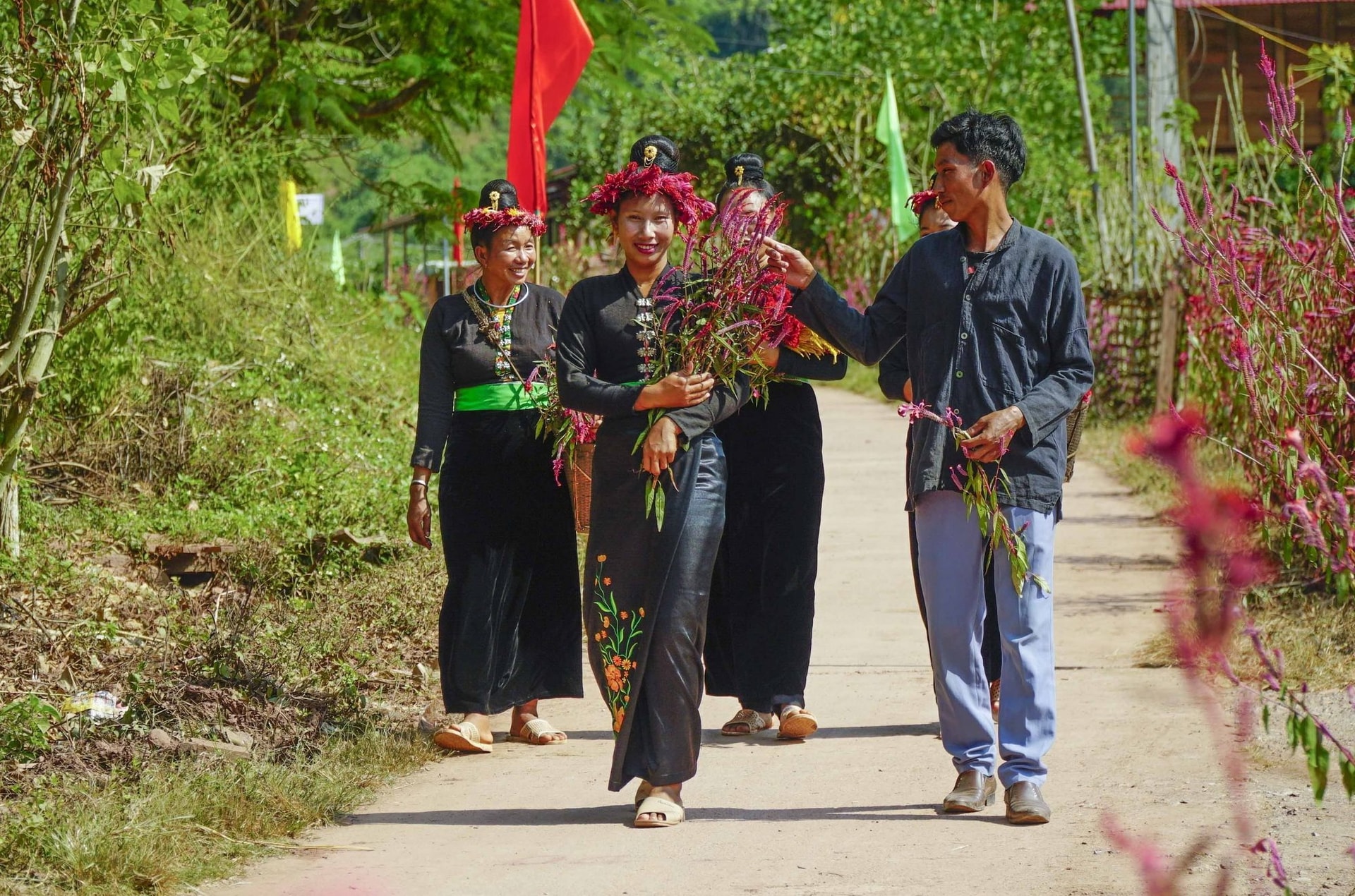
For example, the O Du ethnic group currently has just over 400 people, is one of the smallest communities, mainly living in Nghe An . The O Du ethnic group is also known as Tay Hat. They live in simple stilt houses along the Nam Non River, where they maintain a lifestyle closely connected to the mountains and forests.
Nowadays, the O Du people only maintain their ethnic self-awareness, but their language has almost been lost (only a few people know their mother tongue). They are fluent in Thai and Khmu.
The customs and practices of the O Du people are rich and unique, of which the most typical are the wedding customs and the ceremony to welcome the first thunder of the year.
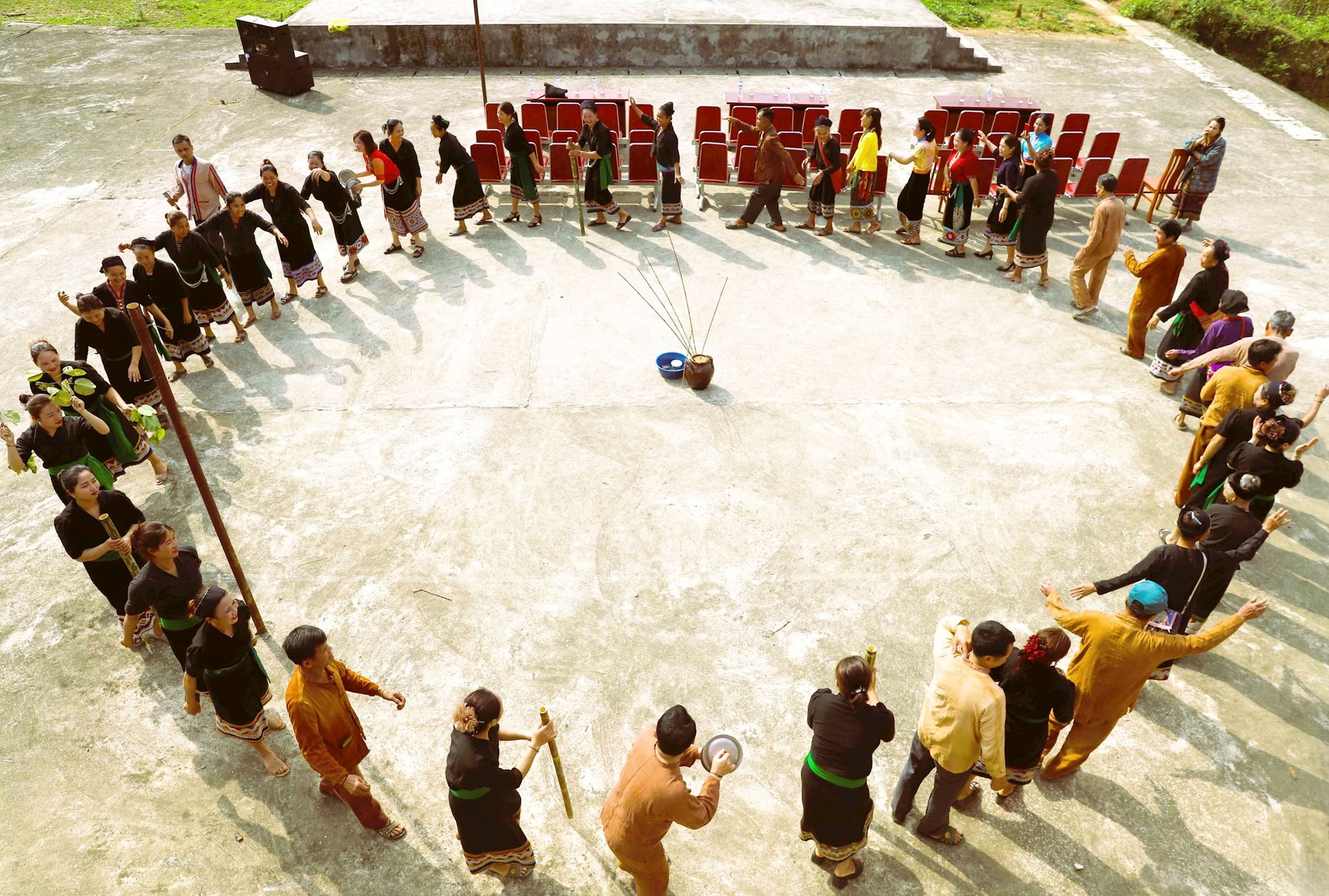
O Du people organize a xoe circle to have fun and dance in the ceremony to welcome the first thunder of the year, strengthening community solidarity. (Photo: Xuan Tien/VNA)
Meanwhile, the Brau ethnic group, also known as Brao, has a population of just over 500 people. The Brau people have long lived in circular villages, surrounded by fences. Brau villages are where the traditional cultural heritage of the ethnic group is preserved.
In community activities, there are often games that involve performing folk arts such as stilt walking, kite flying, and playing phet... Elderly people often tell stories and teach their children and grandchildren to sing lullabies, celebrate couples, and how to make and use "tap dinh bo" (klong put)...
In musical activities and festivals, gongs have an important and prominent position; there are many types of gongs (coong, mam, tha, ngo...) with different scales, of which the most unique is the tha gong. A set of tha gongs has only two pieces, which are named by the Brau people as “chuar” (wife gong) and “jolieng” (husband gong). For the Brau people, the tha gong is a treasure, a ceremonial gong, a sacred symbol of the ancestors.
The Ro Mam ethnic group ranks third among the ethnic groups with the smallest population in Vietnam (only higher than the Brau and O Du ethnic groups). Historically, in the early 20th century, the Ro Mam population was still relatively large, scattered in 12 villages mixed with the Giarai people in Kon Tum province. After many events, now there is only one village with a small population in the Vietnam-Cambodia border, in Sa Thay district, Kon Tum province (now Quang Ngai province).
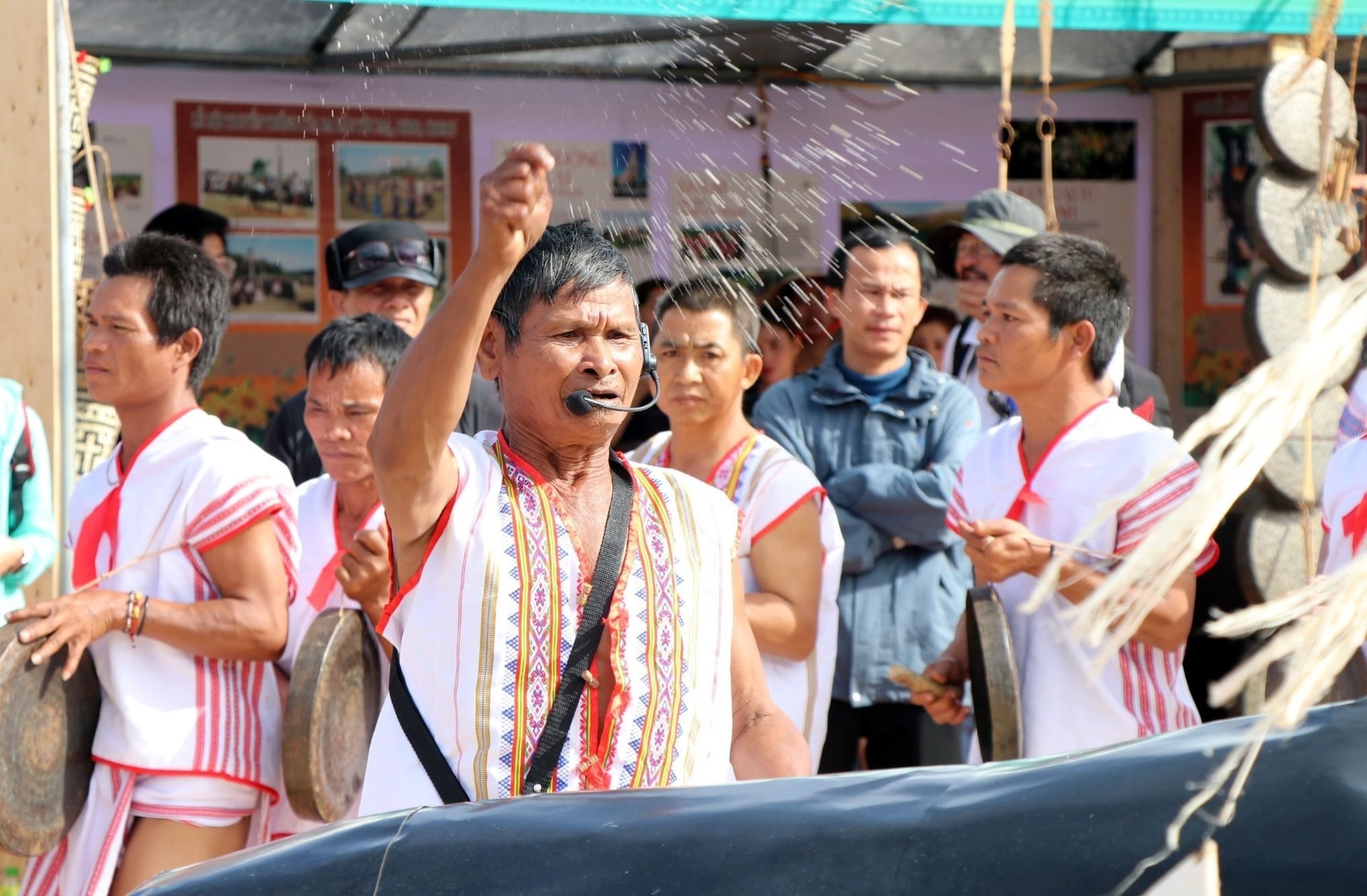
Elder A Ren throws rice at the sacrificial animal (buffalo) with the intention of feeding the buffalo and at the same time hoping that the sacrificial animal will take away all bad luck and bring good luck to the family and village community. (Photo: Cao Nguyen/VNA)
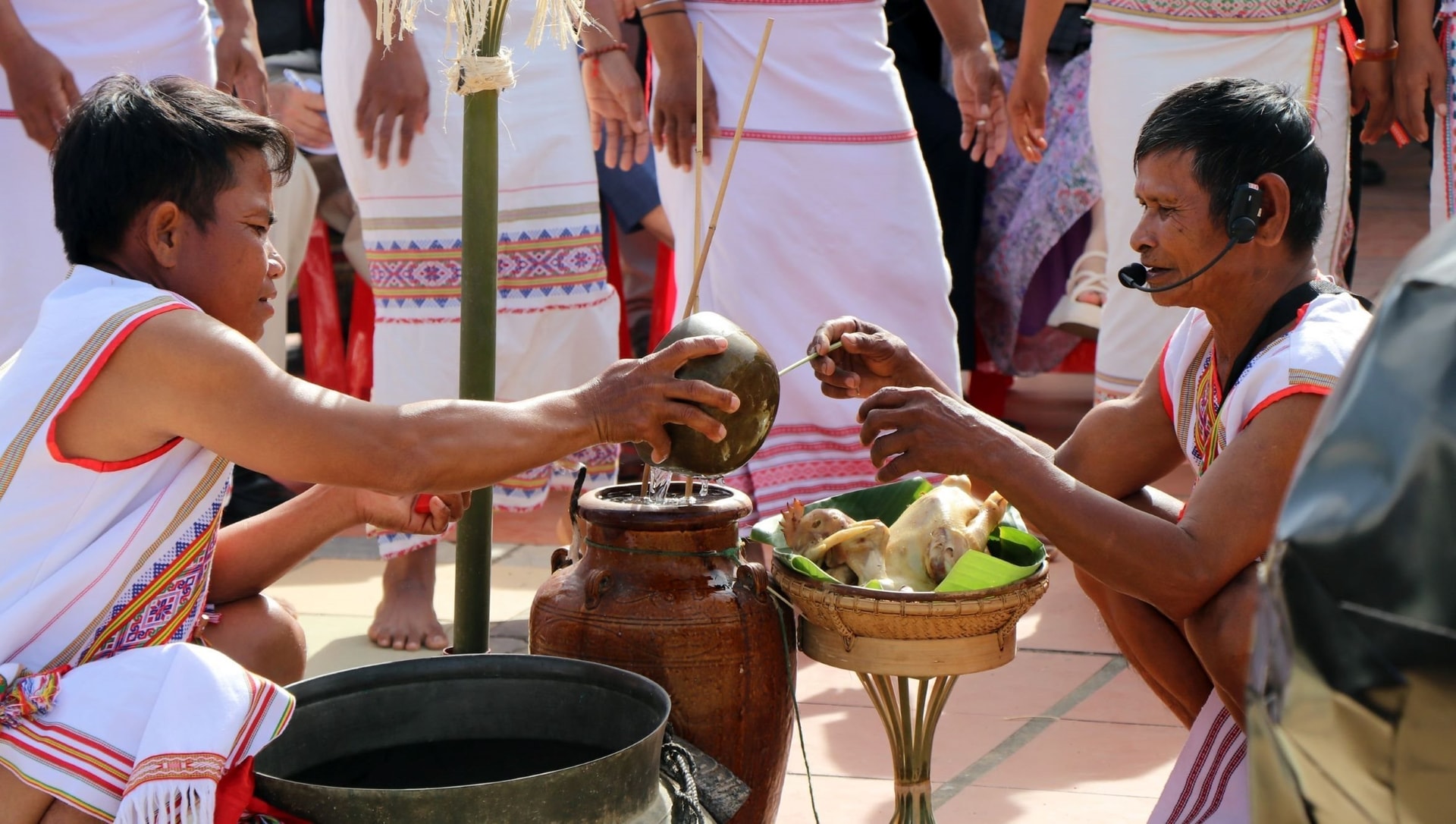
Jar wine and chicken offerings to Yang and the gods at the Rice Granary Opening Ceremony of the Ro Mam people. (Photo: Cao Nguyen/VNA)
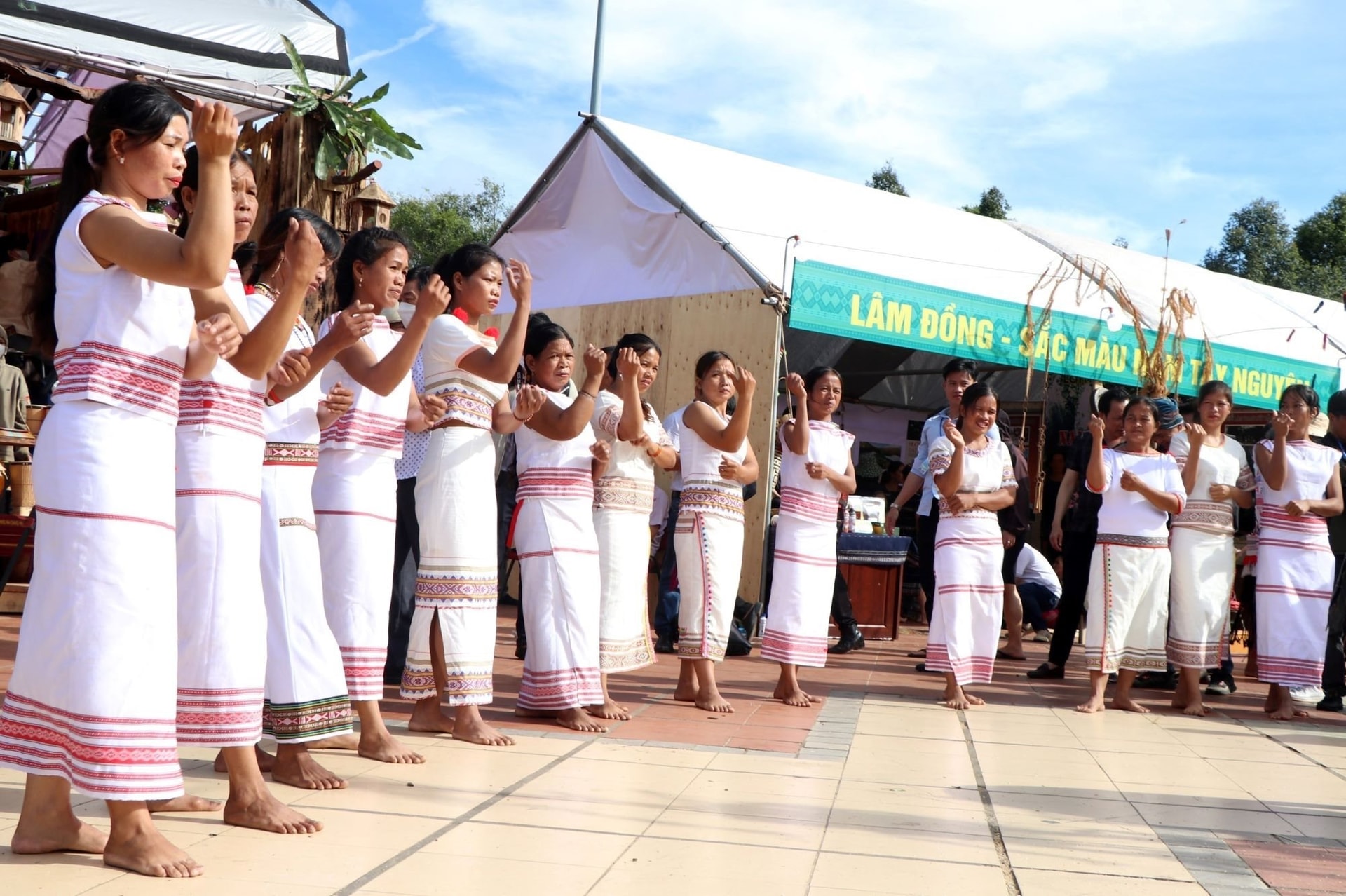
The opening ceremony of the rice granary of the Ro Mam people. (Photo: Cao Nguyen/VNA)
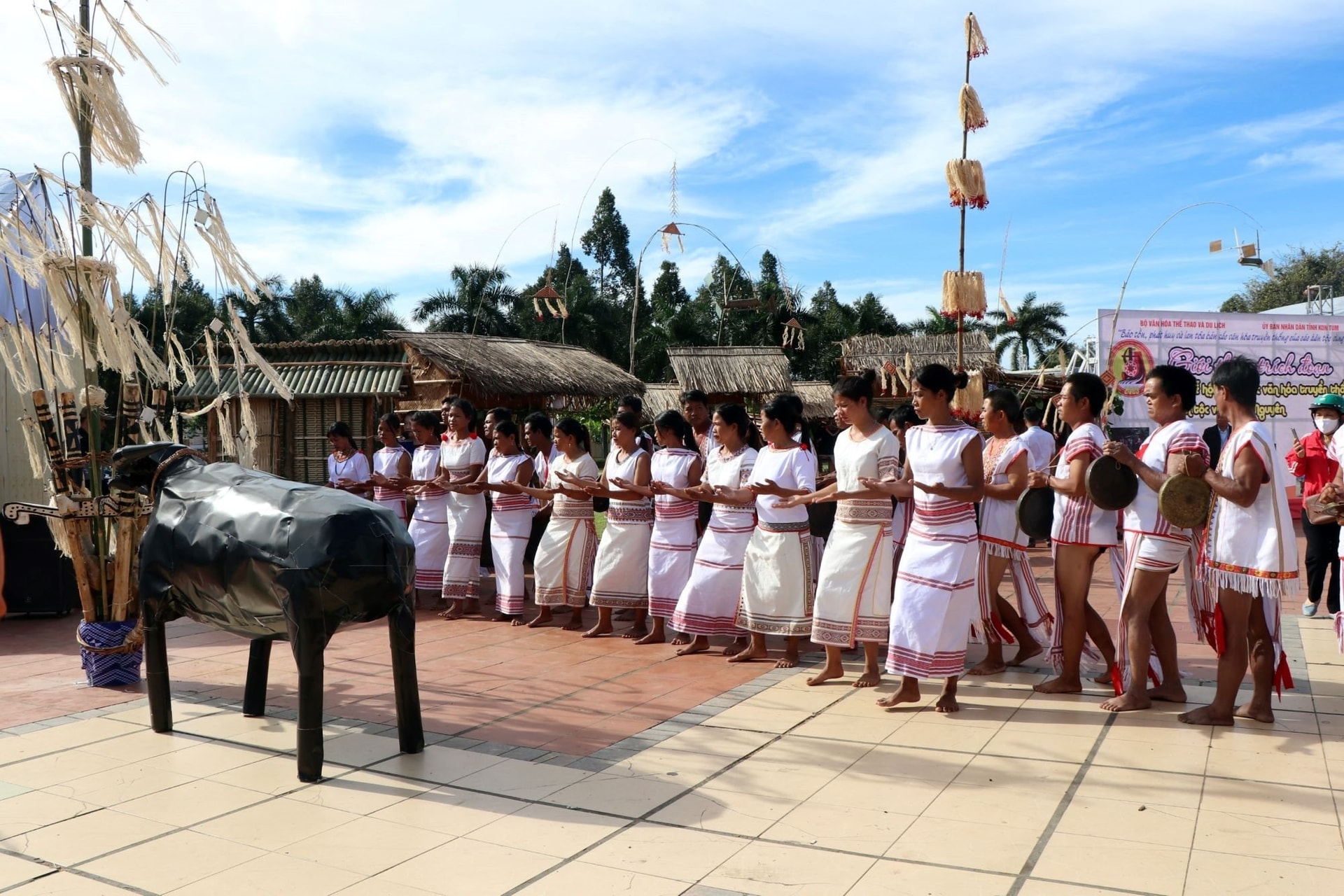
The opening ceremony of the rice granary of the Ro Mam people. (Photo: Cao Nguyen/VNA)
Along with many festivals such as Wedding Ceremony, Grave-leaving Ceremony, New Communal House Ceremony..., other rituals associated with agricultural production activities are still preserved and maintained by the Ro Mam people, of which the Rice Granary Opening Ceremony is the largest. The Rice Granary Opening Ceremony of the Ro Mam ethnic group has many unique cultural values and is highly humanistic; demonstrating the harmony between nature, gods and humans, and at the same time expressing people's gratitude and thanks to the sacrifices and gods...
In the headwaters of the Da River, at the foot of the majestic mountains of the Northwest, the Sila people still quietly preserve their own unique cultural features. Although there are less than 1,000 people, this small community still contributes a precious color to the diverse picture of the Vietnamese ethnic groups.
Sila culture is a subtle blend of folk beliefs, traditional arts, customs and daily working life - all creating a unique cultural nuance, imbued with the identity of the highlands.
It can be said that the culture of ethnic minorities with very few people is the "rough pearl" in the treasure trove of Vietnamese heritage - simple, rustic but containing spirit, belief and strong vitality through many generations.
The "clouds" obscuring the culture of ethnic minorities
Amidst the villages nestled on the mountainside, the cultures of Vietnam’s very small ethnic minorities are quietly facing harsh challenges. Small communities such as the O Du, Si La or Brau... are facing the risk of cultural extinction. The journey to preserve culture is not only about preserving language, festivals or costumes, but also a fight against invisible clouds that threaten to erase identity.
One of the most obvious manifestations of cultural loss is the risk of language disappearance. For many ethnic minorities with very few people such as Si La, Pu Peo, Brau, O Du, Ro Mam, the number of people who speak their mother tongue can be counted on the fingers of one hand.
Under the pressure of modernization, the Sila culture is in danger of disappearing. The Sila language, which has no written language, is increasingly spoken by fewer and fewer people. Many traditional customs are gradually being forgotten. Meanwhile, the O Du people are also witnessing the disappearance of their Mon-Khmer language.
In small communities of very few ethnic groups, most of the young people speak the common language more fluently than their mother tongue, due to the process of studying, communicating and working outside the village.

Not only language, but also traditional costumes - which used to be the pride of many generations - are gradually being replaced. Currently, in many regions, traditional costumes bearing the cultural identity of ethnic groups only appear on special occasions such as festivals or Tet. This makes ethnic costumes gradually become unfamiliar, only seen as a type of ceremonial costume instead of a costume associated with daily life.
In the past, most ethnic minorities grew cotton, flax, and raised silkworms to produce silk for weaving and making clothes. Nowadays, the percentage of households that still maintain the profession of growing mulberry, raising silkworms, growing cotton, and growing flax for weaving is very small. The creation of traditional costumes has undergone many changes, making the costumes no longer original, especially the decorative motifs and patterns are no longer sophisticated.
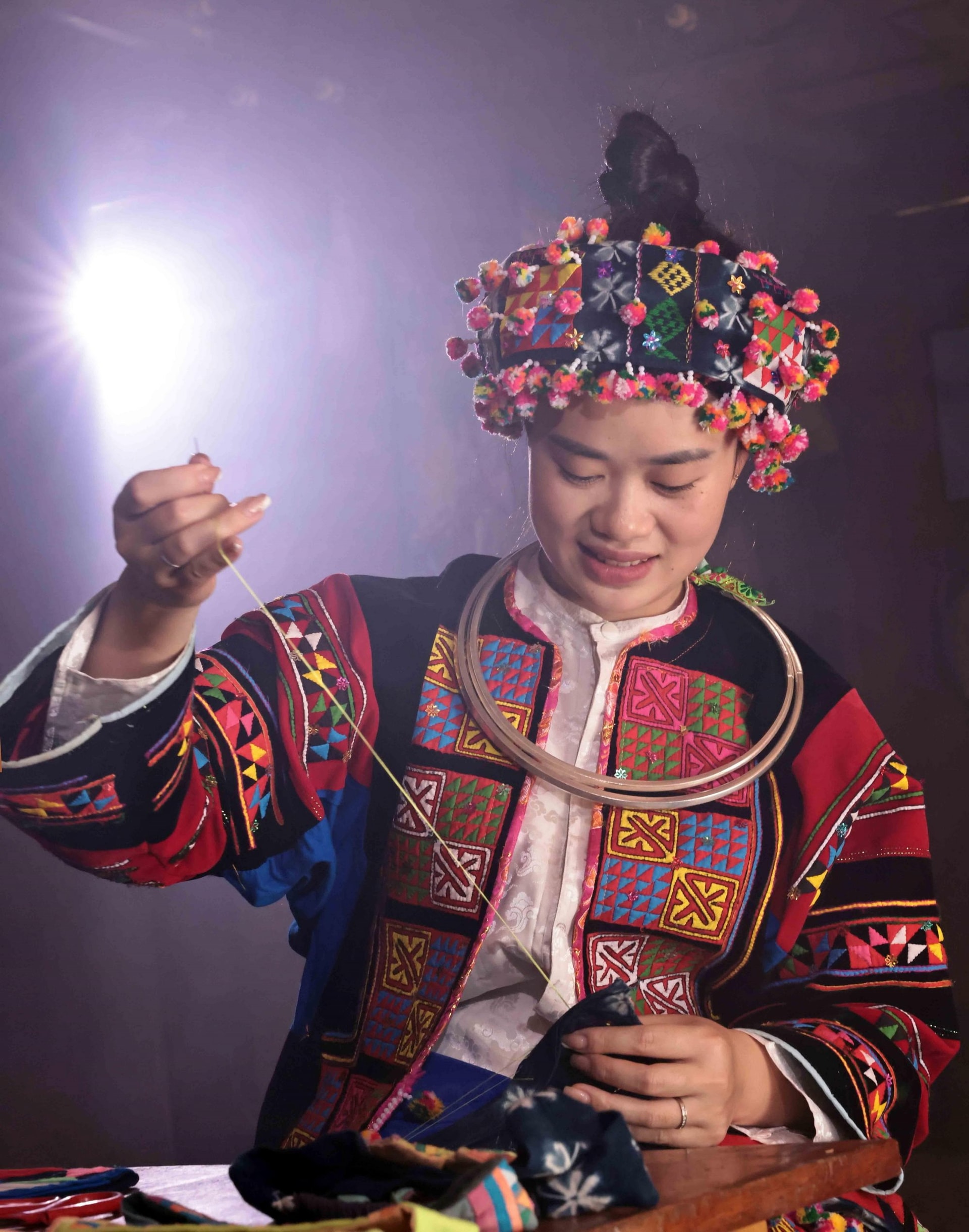
Lo Lo women are very diligent in embroidering and mending their clothes. (Photo: Tran Viet/VNA)
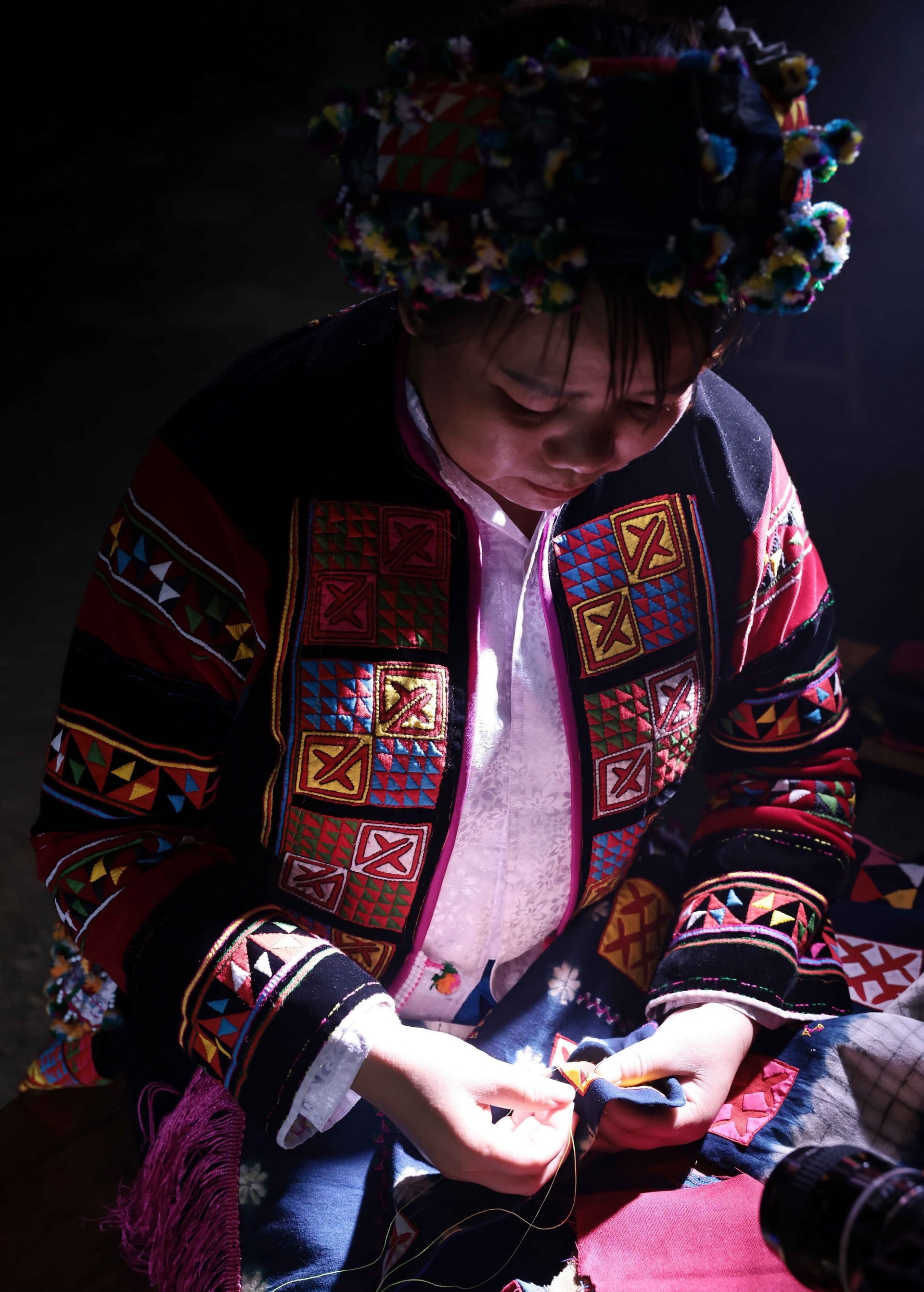
Lo Lo women are very diligent in embroidering and mending their clothes. (Photo: Tran Viet/VNA)
Speaking about the decline of traditional ethnic costumes, Dr. Nguyen Thi Ngan of the Museum of Vietnamese Ethnic Cultures once gave a startling figure: "Up to 40/54 ethnic groups in Vietnam currently no longer wear traditional costumes as what the Museum of Vietnamese Ethnic Cultures is preserving. Instead, they wear costumes made of industrial fabrics made of synthetic fibers, nylon fibers, with identical patterns, which are sold in abundance on the market."
Some ethnic groups, except for the elderly who wear traditional costumes, the young wear shirts, jeans, and trousers. Ethnic groups with populations under 1,000 people such as Ro Mam, Odu, Chut... almost all wear "white" traditional costumes.
Not stopping there, due to economic difficulties, people have to struggle to make a living, leading to festivals and traditional customs being simplified, sometimes becoming just a formality.
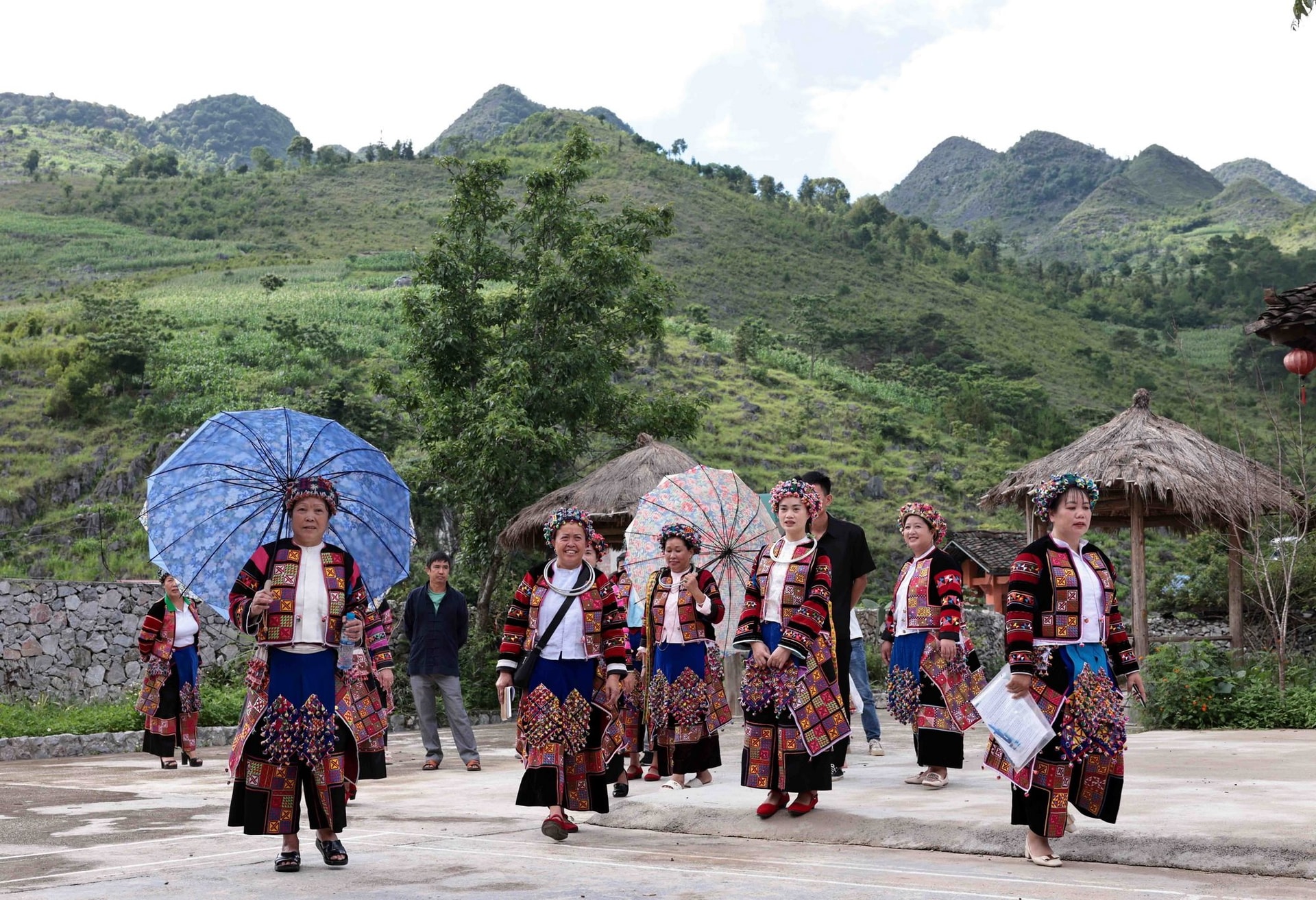
Lo Lo women's costumes. (Photo: Tran Viet/VNA)
The risk of cultural extinction of very small ethnic minorities poses an urgent need to preserve, restore and transmit culture, not only to retain unique values that are gradually disappearing, but also to preserve the diversity and richness of the Vietnamese cultural landscape.
Preserving the cultural soul of a very small ethnic group: From policy to action
Our Party and State identify the culture of ethnic minorities as a precious heritage, contributing to the richness, diversity and unity of an advanced Vietnamese culture imbued with identity. Preserving the cultural identity of ethnic minorities, especially the culture of ethnic minorities, is a political task of great importance.
In recent years, implementing the National Target Program on Socio-Economic Development in Ethnic Minority and Mountainous Areas for the 2021-2030 period, Phase 1 (2021-2025), the lives of very small ethnic minorities and disadvantaged ethnic minorities have significantly improved.
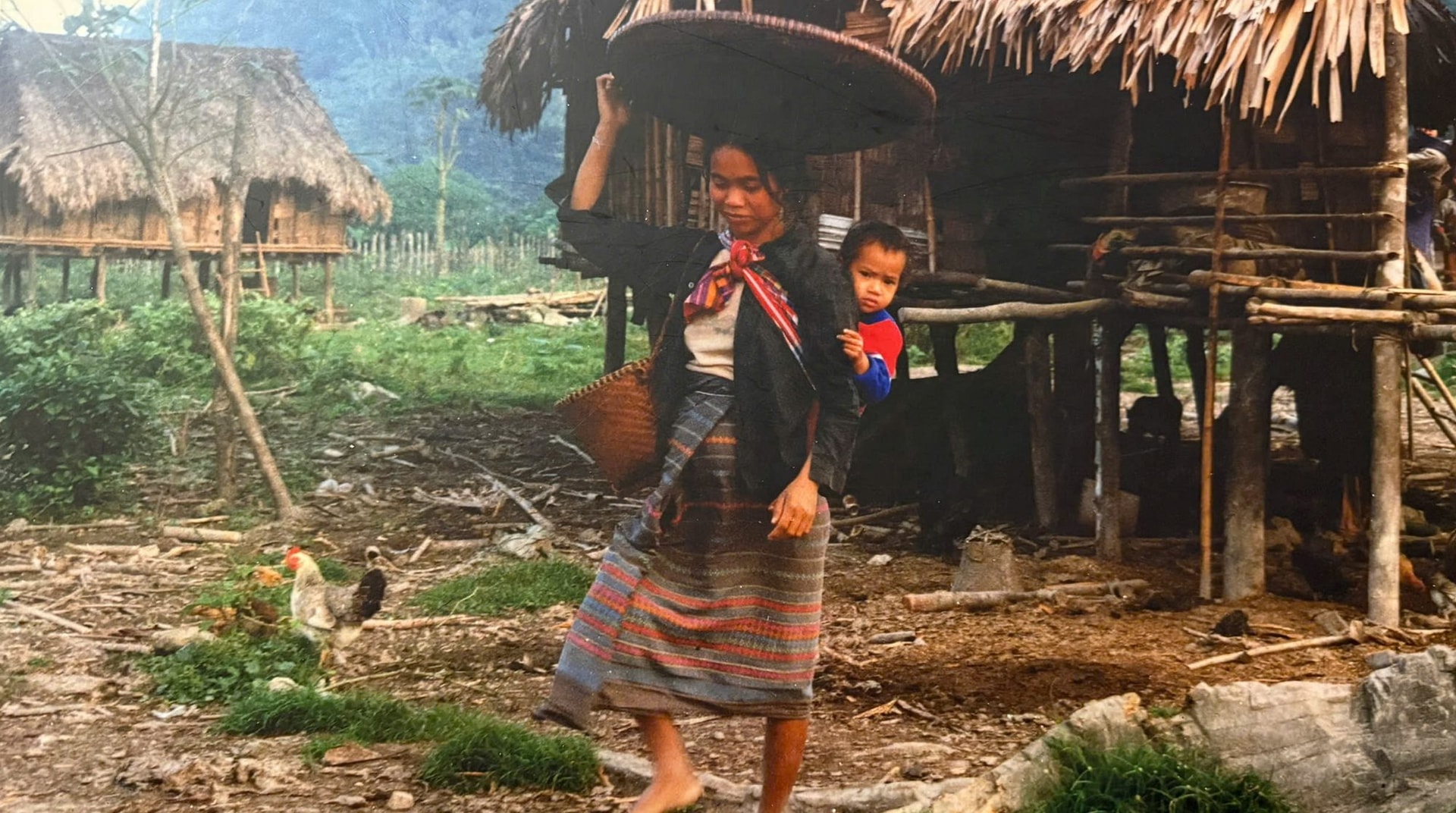
The lives of ethnic minorities with very few people and ethnic minorities with difficulties have improved significantly compared to before. (Source: Vietnam+)
Project 6 "Preserving and promoting the fine traditional cultural values of ethnic minorities associated with tourism development" and Project 9 "Investing in the development of very small ethnic minority groups and ethnic groups with many difficulties" under the National Target Program on socio-economic development of ethnic minority and mountainous areas in the period 2021-2030 have helped people enjoy social services, develop the economy, and restore and preserve many customs, festivals, and traditional cultures.
The Ministry also issued a decision related to the organization of restoration, preservation and promotion of traditional cultural identity of ethnic minority communities with small populations of Bo Y people living in Ha Giang (now Tuyen Quang), Lao Cai and Co Lao people living in Ha Giang (now Tuyen Quang) to improve the level of cultural enjoyment in ethnic minority and mountainous areas.
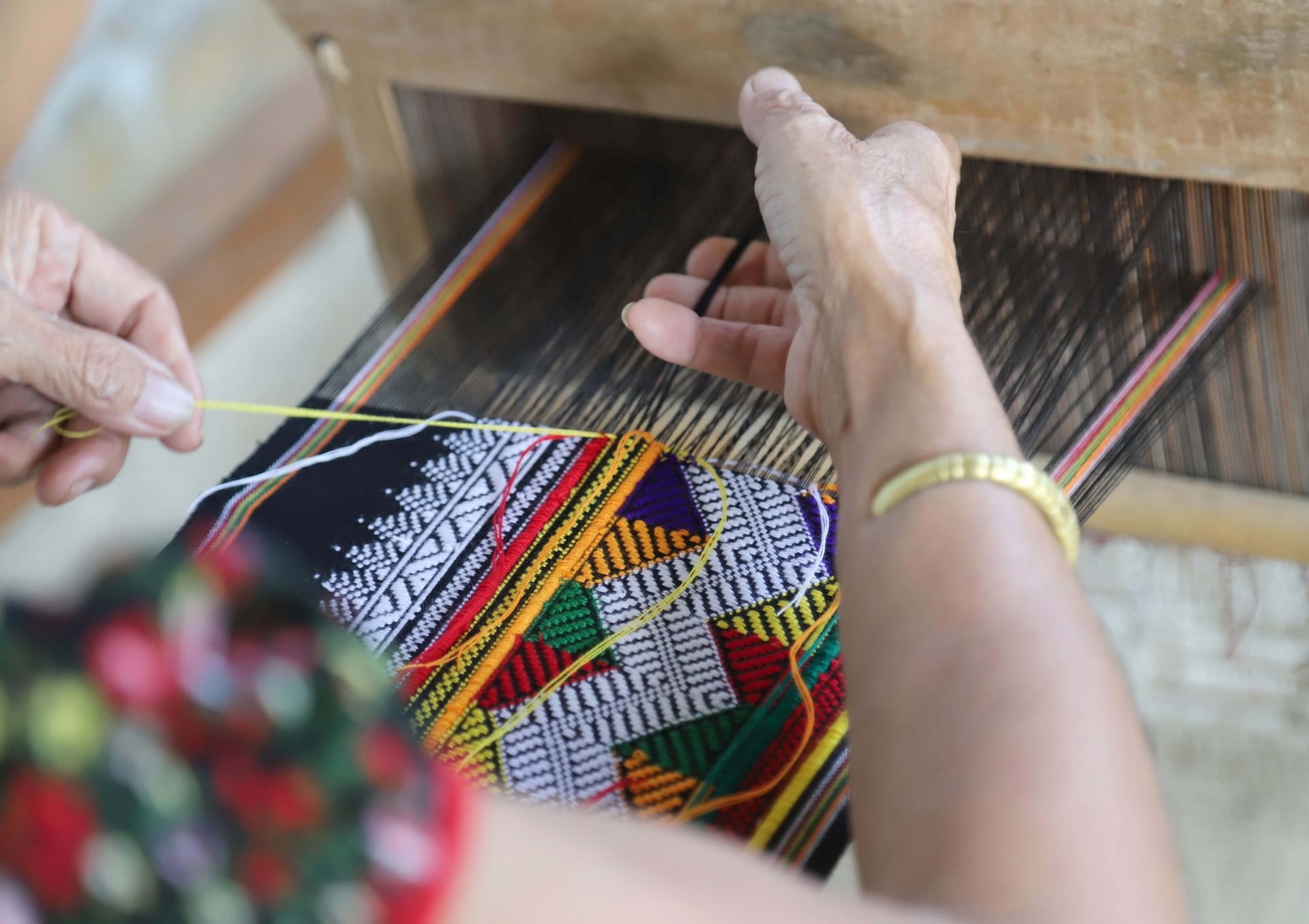
The organization of restoration, preservation and development of traditional cultural identity of ethnic minorities Bo Y and Co Lao aims to maintain intangible cultural forms, customs and good social practices of the people; enhance and promote cultural diversity, arouse pride, strengthen the spirit of social solidarity; create opportunities for cultural-tourism development, and prevent the loss of good traditional cultural values of the people.
As one of the few ethnic groups in Vietnam, the O Du live intermingled with the Thai and Kho Mu in the communes of the old Tuong Duong district, Nghe An province. Through a long period of residence next to more populous communities, the culture of the O Du has been greatly influenced by the Thai and Kho Mu cultures, causing many traditional values to fade over time.
In recent years, the O Du people in Nghe An - like many other ethnic minorities with very few people - have received special attention from the Party and the State. A series of policies on preserving cultural heritage, supporting economic development, and improving the spiritual life of the O Du people have been issued and implemented synchronously.
The work of preserving the intangible cultural heritage of the O Du people has achieved many positive results. Many unique cultural values that were once in danger of being lost have now been restored and spread again, such as traditional crafts, techniques for making traditional costumes, and folk songs, dances, and music bearing the strong mark of the O Du culture.
Recently, in order to preserve the intangible cultural heritage of the O Du ethnic group from the risk of extinction, the Department of Culture of Vietnam's Ethnic Groups has recently coordinated with the Department of Culture, Sports and Tourism of Nghe An to organize a training course on intangible cultural heritage of folk songs, dances and music of the O Du ethnic group for more than 70 students and artisans of the O Du ethnic group living in Nga My commune.
Participating in the training course, trainees were informed about the work of preserving the intangible culture of ethnic minorities in general and the O Du ethnic group in particular in Nghe An province in the current period; the Party and State's policies and laws related to ethnic cultural work; the work of preserving and promoting the values of folk songs, dances, and traditional music of ethnic minorities associated with tourism development...
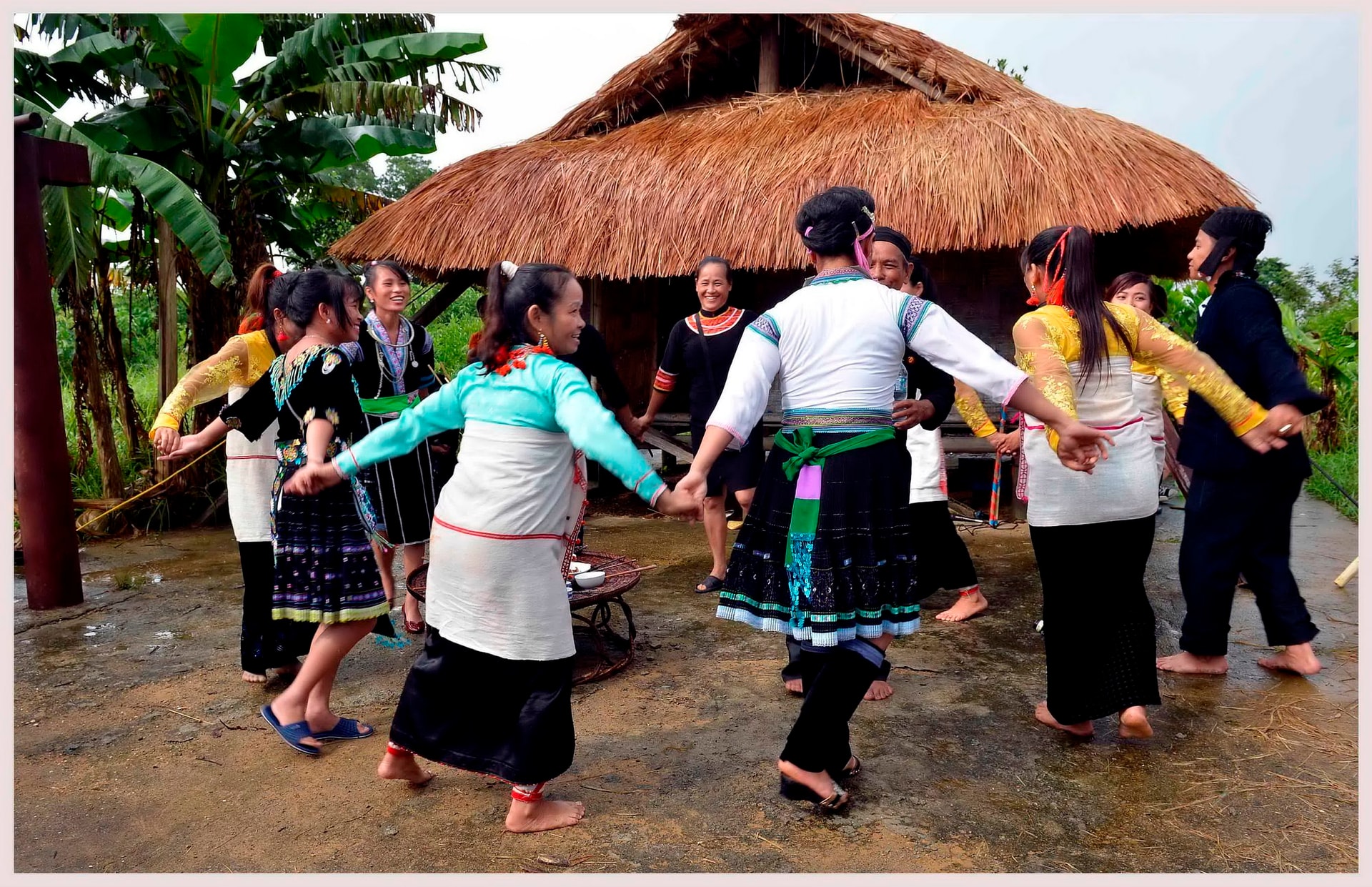
Housewarming ceremony of the Mang ethnic group. (Source: VNA)
Organizing the restoration, preservation and development of traditional cultural identities of very small ethnic minorities contributes to effectively promoting investment resources of the State, society and community in the work of preserving and promoting good traditional cultural values of very small ethnic minority communities; improving the level of cultural enjoyment in ethnic minority and mountainous areas.
Besides, the organization of restoration, preservation and development of traditional cultural identity of ethnic minorities with very small population also contributes to promoting tourism development in localities.
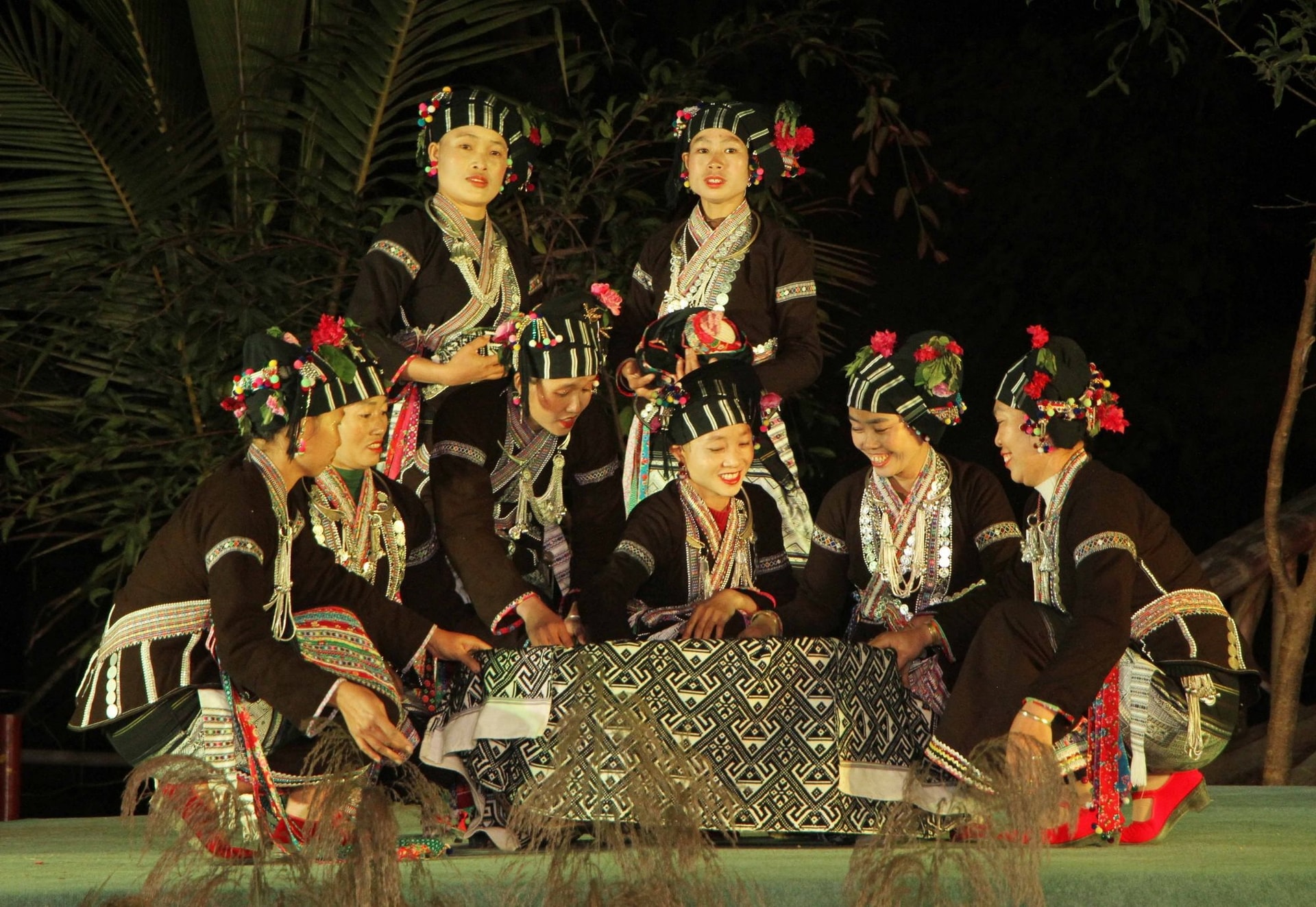
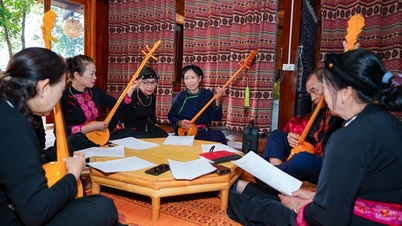
Recreating lullabies in the life of the Lu ethnic people. (Photo: Nguyen Oanh/VNA)
Every year, the Ministry of Culture, Sports and Tourism also organizes activities to celebrate the Vietnamese Ethnic Culture Day from the central to local levels; surveys and opens classes to teach intangible traditional culture and traditional crafts of ethnic groups with very small populations, such as Bo Y, Pu Peo, O Du, Brau, Ro Mam, Mang, Cong, Lo Lo, Chut, Si La... taught by artisans themselves to the younger generation.
These activities contribute to educating the tradition of patriotism, national pride, honoring national cultural identity, consolidating and strengthening the strength of national solidarity.
According to Deputy Minister of Culture, Sports and Tourism Trinh Thi Thuy, the traditions of ethnic minorities with very few people are valuable heritages, not only the property of a single land, people or locality but also the invaluable asset of the nation.
Traditional cultural values have been and are being jointly built and consolidated by the Party, the State, the entire political system and ethnic minorities. Preserving the traditional cultural identity of ethnic minorities is a political, economic and social task of special importance in building and developing the country./.
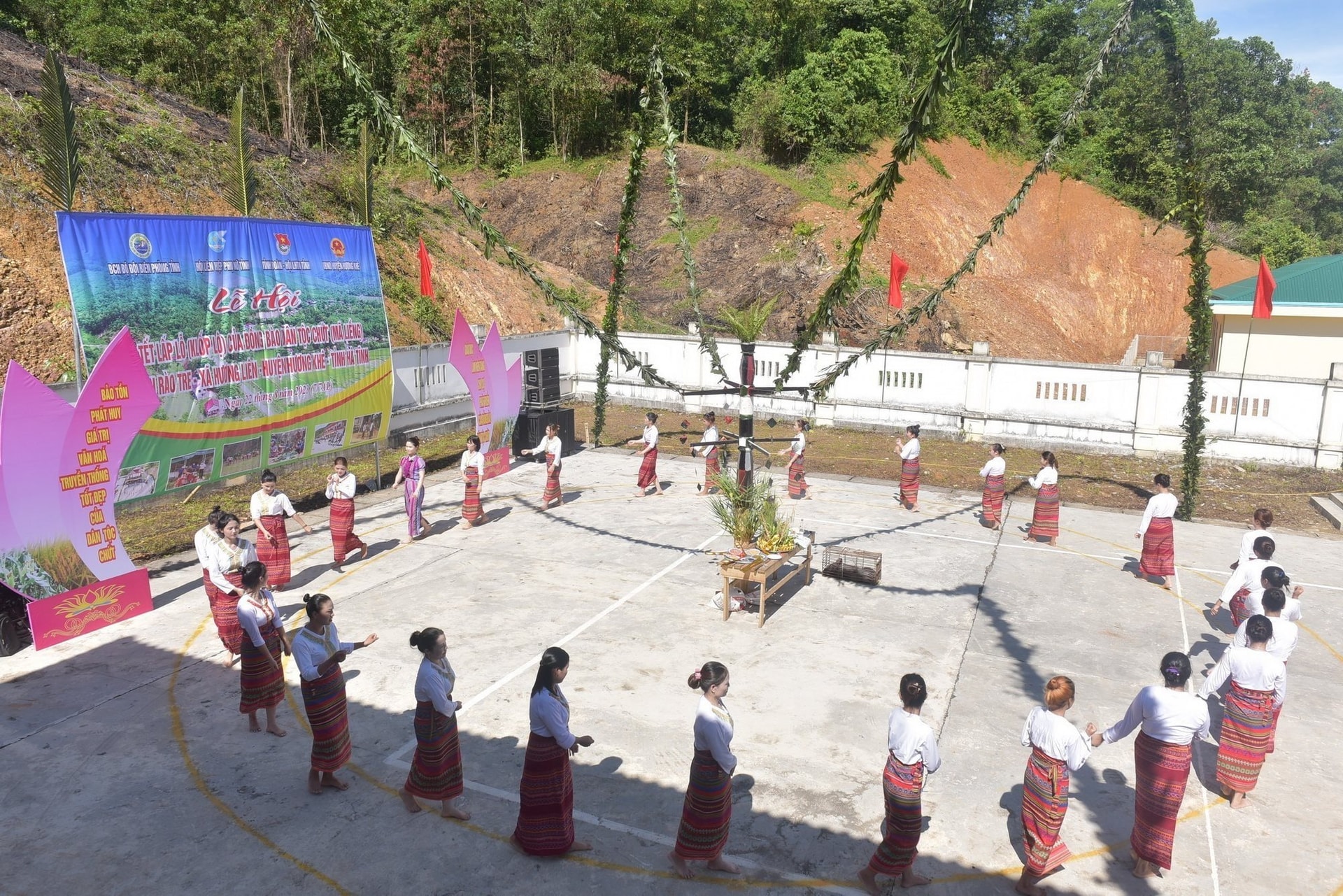
"Filling the holes" festival of the Chut ethnic group. (Source: VNA)
Source: https://mega.vietnamplus.vn/giu-hon-van-hoa-cac-dan-toc-thieu-so-rat-it-nguoi-6885.html


![[Photo] Cat Ba - Green island paradise](/_next/image?url=https%3A%2F%2Fvphoto.vietnam.vn%2Fthumb%2F1200x675%2Fvietnam%2Fresource%2FIMAGE%2F2025%2F12%2F04%2F1764821844074_ndo_br_1-dcbthienduongxanh638-jpg.webp&w=3840&q=75)





































![[VIMC 40 days of lightning speed] Da Nang Port: Unity - Lightning speed - Breakthrough to the finish line](https://vphoto.vietnam.vn/thumb/402x226/vietnam/resource/IMAGE/2025/12/04/1764833540882_cdn_4-12-25.jpeg)





































Comment (0)