

Cultural values are preserved and strongly promoted.
Two years of implementing Resolution 17-NQ/TU have brought about profound changes in the work of preserving and promoting cultural values in Quang Ninh . Cultural values are constantly spreading in community life, transforming into spiritual resources and livelihoods for the people. The traditions and identities of more than 40 ethnic groups in the province are not only preserved, but also awakened, renewed, and spread by the vitality of the community and the correct orientation of the Party Committee and the government.
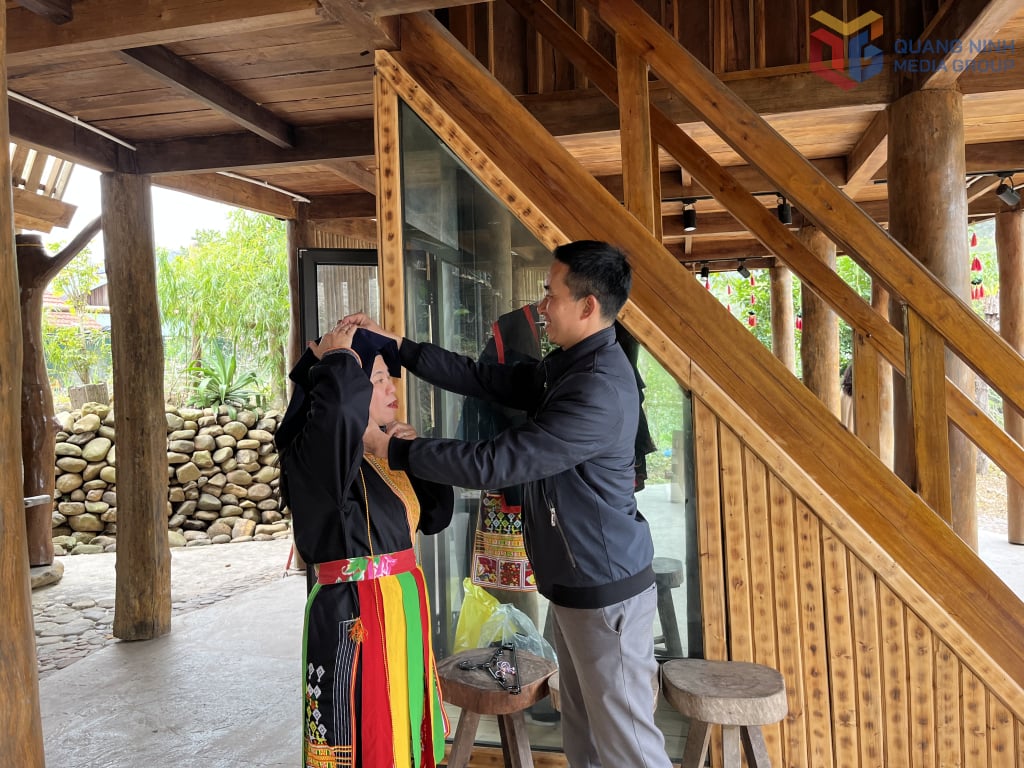
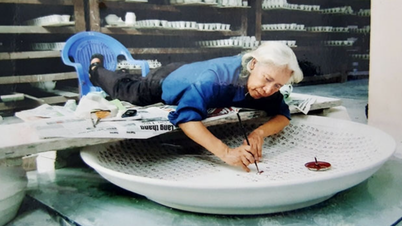
In mountainous and border areas such as Binh Lieu, Ba Che, Tien Yen, Dam Ha, Mong Cai or the coastal islands of Van Don and Co To, ethnic minority cultural spaces have been systematically invested in, forming a system of cultural villages, community houses, heritage exhibition points, and traditional cultural experience areas. Thanks to that, many beautiful customs, crafts, languages, costumes, and folk knowledge are naturally preserved, closely linked to the daily lives of the people, while at the same time allowing children to learn about their ethnic identity and being sought out by many tourists.
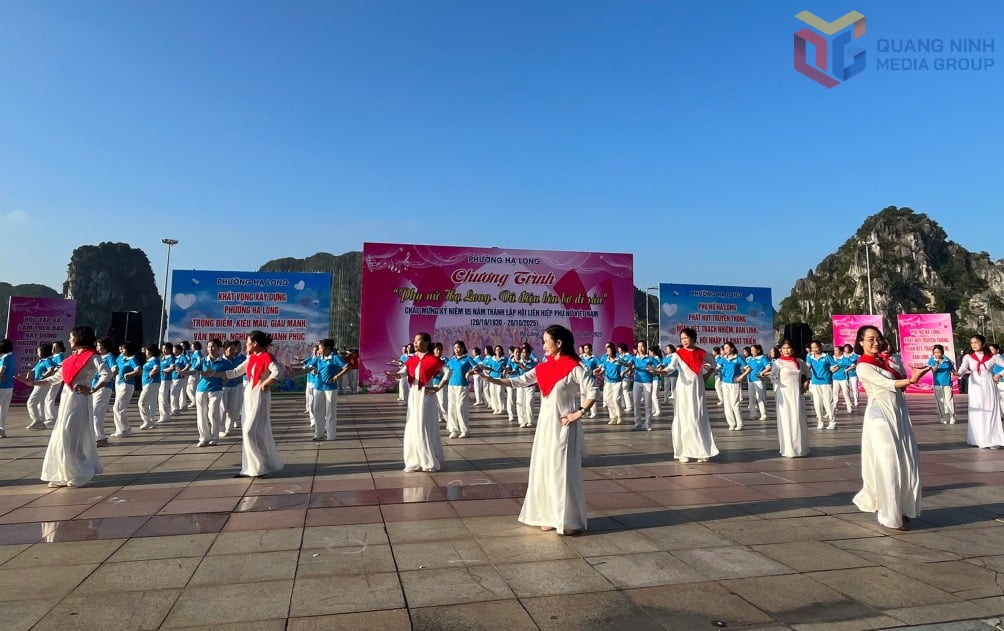
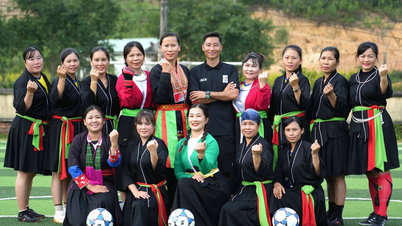
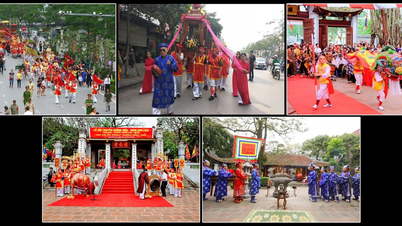
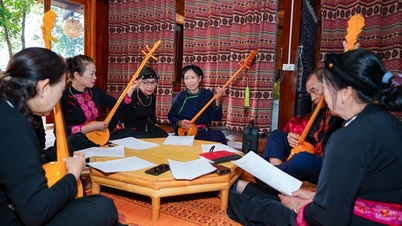
The most prominent is the restoration and strong spread of intangible cultural heritage. Many traditional festivals and rituals have been restored in their true identity, brought into community activities and cultural exchanges. Communes, wards and special zones actively maintain folk art models at the grassroots level to create a healthy cultural environment for the people. Typically, Lien Hoa ward maintains the model of folk art and cultural activity clubs in the community such as the club of singing in pairs, singing on the sea, and singing in cheo, attracting a large number of people to participate; creating and replicating the "I love folk melodies" model in kindergartens, primary schools and secondary schools, helping the younger generation love folk culture. Quang La commune maintains regular activities of the folk dance club and the club of preserving national cultural identity. Dong Ngu commune established 7 clubs to preserve and promote national cultural identity such as: the crop praying ceremony club (Phai Giac village); the Soong co club (Khe Ngan village); Club for Preserving and Promoting the Cultural Identity of the Dao Ethnic Group (Keo Kai Village and Khe Muoi Village). Cai Chien Commune maintains the Cai Chien Folk Culture Club, including the Te Team, Boi Bat Am Team, and Nha To Hat Team. Luc Hon Commune established and maintained 1 commune-level Then singing club and 29 art clubs in the villages...
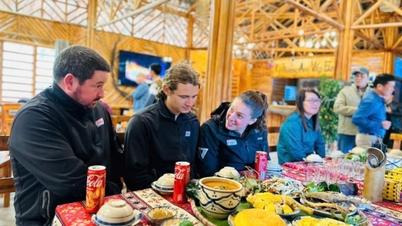
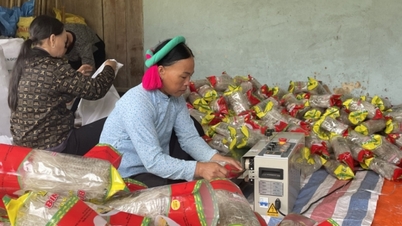
Folk art clubs and teams operate regularly, inviting older artisans to teach the younger generation. Thanks to that, intangible cultural heritages are not only preserved, but also promoted, becoming tourism products, sustainable livelihoods, helping people increase their income, and become more attached to their homeland and national identity. Tourists who come to tourist destinations can also learn about culture, eat traditional food, watch festivals, listen to folk songs, and participate in experiencing the work of farmers...
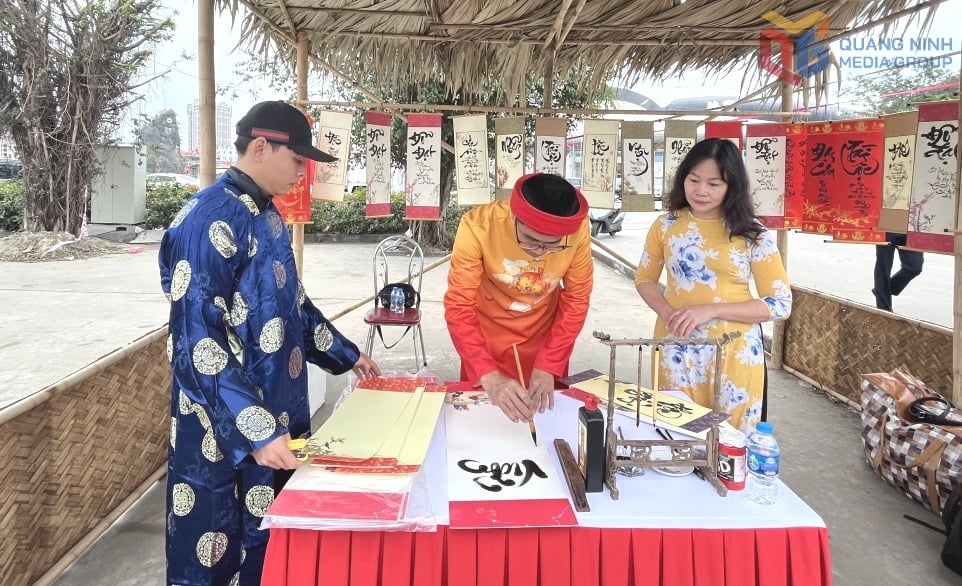
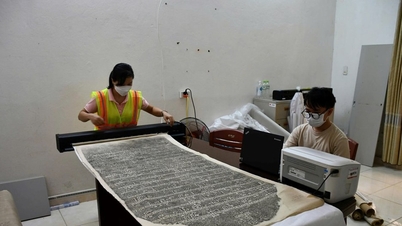
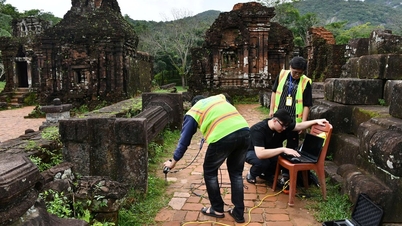
The province's system of cultural, historical relics and scenic spots continues to receive attention for preservation and embellishment. Many relics have been reviewed, documented, restored, upgraded, and QR codes have been attached for convenient information lookup and access. The whole province has 641 ranked historical - cultural relics and scenic spots (including 8 special national relics, 57 national relics, 102 provincial relics, 474 relics inventoried and classified). Up to now, 17 tangible cultural heritages have been fully digitized; 7 intangible cultural heritages have been fully digitized; information on the profiles of 2 special national relics, 1 national relic, 8 provincial relics and 28 classified inventory relics have been updated and supplemented. Units such as the Provincial Museum and Provincial Library have promoted the digitization of spaces, treasures and exhibits; and applied information technology in operations. Communes, wards and special zones in the whole province have deployed QR Code attachment at 370/370 red addresses, historical and cultural relics, with the application of digital technology to establish a system, actively contributing to promoting and developing local tourism; spreading meaningful historical values to people and tourists.
In particular, in recent times, Quang Ninh has coordinated with Hai Phong City and Bac Ninh Province to complete the dossier and submit it to UNESCO to recognize the Yen Tu - Vinh Nghiem - Con Son and Kiep Bac Monuments and Landscape Complex as a World Cultural Heritage. At the 47th Session of the World Heritage Committee in Paris, on July 12, 2025, UNESCO officially recognized the Yen Tu - Vinh Nghiem - Con Son and Kiep Bac Monuments and Landscape Complex as a World Cultural Heritage. This is a great honor for Vietnam, especially for the three localities that own the heritage, creating favorable conditions to preserve and promote the heritage value in a sustainable manner, while opening up opportunities to enhance tourism development based on cultural foundations.
Building a new cultural environment
In recent years, Quang Ninh has not only focused on preserving heritage and maintaining identity, but also made efforts to build a healthy, dynamic, creative, humane, and progressive cultural environment in Quang Ninh, which is the solid spiritual foundation of a prosperous, civilized, and happy society.
The province has supplemented and completed the "Code of Conduct in Quang Ninh Province" and regulations on business and school culture standards. The Department of Culture, Sports and Tourism is researching and producing an animated film to promote the Code of Conduct, the value system and the people of Quang Ninh. The cultural codes of conduct are applied to all individuals and organizations in public places, workplaces, schools and communication places. The Code sets out 5 core principles: Respect for the law, self-respect and respect for others, polite behavior, environmental protection... to shape a civilized, modern and friendly lifestyle. Thanks to that, cultural behavior has gradually become a common standard, a daily standard, a basic requirement when communicating, living and working.
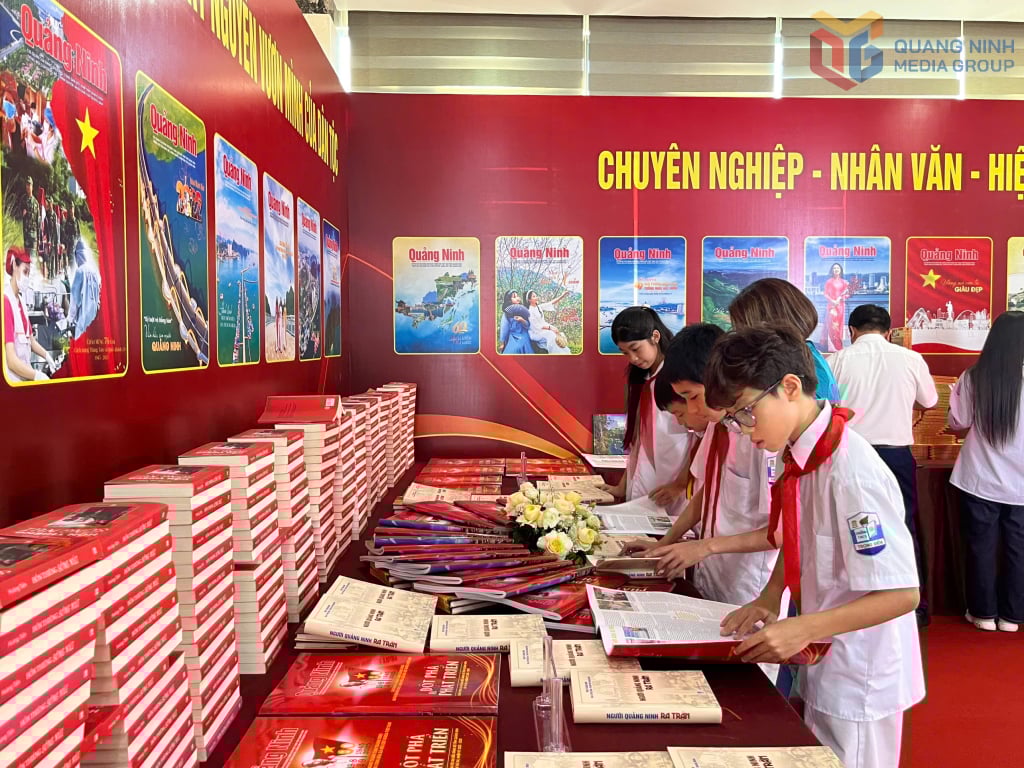
These codes of conduct are not only in agencies, units, businesses, schools, etc., but have also spread to the community, to villages, and residential areas. The movement for the entire people to unite to build a cultural life has been launched and maintained for many years, becoming a sustainable foundation for building cultural villages, hamlets, and neighborhoods; cultural families; civilized residential groups and neighborhoods. The implementation of village covenants and conventions has been effectively implemented by localities in conjunction with building culture in the residential community, contributing to promoting good customs and traditions, and upholding traditional ethical standards. Weddings and funerals have been carried out in a civilized way of life, eliminating bad customs and superstitions; good customs and practices have been maintained and promoted.
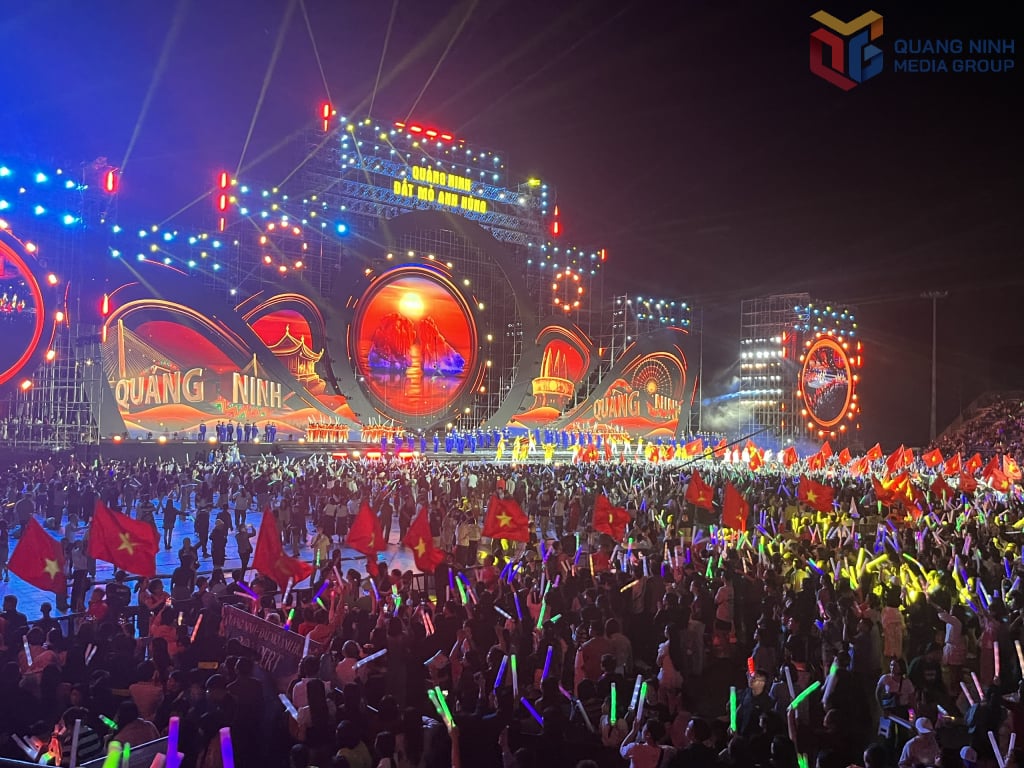
In addition, festivals are also organized in a civilized, polite, and economical manner. At the sites and relics, localities arrange security teams, announce hotline numbers to receive people's opinions, and have specific regulations to protect relics, prevent and fight epidemics, fires, create clean landscapes, increase the beauty and solemnity of relics... Cultural activities such as festivals, community activities, mass arts, anniversaries, and festivals are all encouraged and supported, helping people become closer and more united.
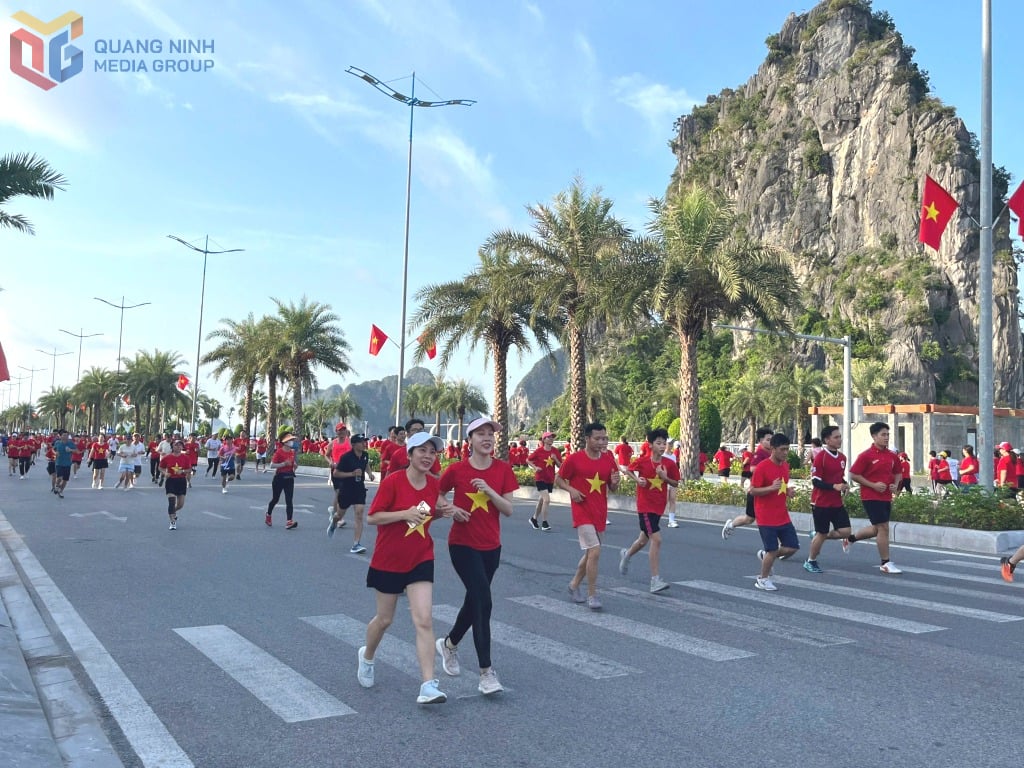
In particular, the province has boldly invested in developing cultural and sports institutions, expanding public cultural spaces. Investment in cultural and sports infrastructure has been implemented synchronously and on a large scale, helping to expand creative spaces to serve the increasingly high enjoyment needs of the people. The whole province currently has 8 provincial-level institutions with systematic investment, including: Quang Ninh Art Troupe Headquarters with an area of over 2,600m2; Provincial Library with an area of 10,500m2, of which the reader service area is 2,334m2 and the warehouse system is 6,000m2; Provincial Museum with an area of over 15,000m2, of which 8,000m2 is for display; Provincial Planning, Fair and Exhibition Palace with an area of over 6 hectares and a total construction area of 20,700m2; The 439,040m2 Sports Complex has a 5,000-seat gymnasium, training ground, swimming pool, shooting range and dormitory; Cam Pha Stadium has been upgraded to a provincial-level stadium with 16,000 seats and a total investment of 163,159 million VND; the Provincial Youth and Children's Cultural Palace has an investment capital of over 342,770 million VND and the Vietnam - Japan Labor Cultural Palace has an area of 15,000m2. To move towards a new national cultural symbol, the province has worked with foreign experts to study the plan to build a large-scale multi-functional Quang Ninh Provincial Theater in accordance with the cultural development plan in the coming period.
Before July 1, 2025, 13/13 districts, towns and cities have Cultural - Sports Centers; 103/171 communes and wards have Cultural - Sports Centers on the basis of building independent cultural houses or utilizing the communal People's Committee hall combined with a football field, 1,449/1,452 villages and areas have cultural houses and sports areas. Currently, the Provincial People's Committee has directed the Department of Culture, Sports and Tourism to coordinate with communes, wards and special zones to review the current status of cultural institutions in villages and areas, review local land funds, and change the purpose of use to build to ensure the goal of each village and area having 1 entertainment spot, outdoor community activity space to serve the people in accordance with the direction of the Provincial Party Committee.
The task of building a comprehensively developed Quang Ninh people has been regularly and extensively deployed, creating positive changes in awareness and action. The province has focused on building and implementing projects on cultural and human development, such as: Project "Improving the human development index (HDI) of Quang Ninh province in the period of 2024-2025, with a vision to 2030"; Project "Strengthening education on revolutionary ideals, ethics, civilized lifestyle, national cultural traditions, and awareness of law compliance among students of Quang Ninh province"; directing the development of the Project "Propaganda about the land, culture and people of Quang Ninh through creative communication on digital platforms"... At the same time, promulgating separate policies to ensure social security such as caring for and assisting people with revolutionary contributions, the elderly, the disabled, vulnerable groups, the poor, children in especially difficult circumstances... The total budget for implementing social support and assistance policies is about 400 billion VND/year, with about 45,000 people eligible for the policy; of which, 5,313 people are eligible for the province's own policy, with a budget of over 36 billion VND.
The Provincial Youth Union and the Education sector have proactively integrated the contents of political theory education, revolutionary ideals, ethics, and lifestyle into subjects in the national education system; at the same time, organized many practical activities such as traditional meetings, journeys to the source, exchanges with historical witnesses, programs "Following Uncle Ho's footsteps", "Following the footsteps of heroes", with more than 25,000 union members and young people participating. Many activities of reading books, fostering skills and talents for teenagers and children have been widely deployed, contributing to educating traditions, spreading the spirit of learning and creativity in the young generation. In particular, the typical values of Quang Ninh province including "Beautiful nature, Unique culture, Civilized society, Transparent administration, Developed economy, Happy people" and the system of values of Quang Ninh people with the qualities of "Courage, Self-reliance, Discipline, Solidarity, Loyalty, Generosity, Creativity, Civilization" have been widely propagated, helping all levels and sectors to unify in perception and action, strongly spreading the image of Quang Ninh people in the new period.
The new cultural environment not only helps preserve traditional values, but also opens up equal development opportunities for all regions and ethnic groups. Consistent regulations apply to the whole province, cultural and sports institutions spread to rural and mountainous areas; cultural activities, exchanges, festivals, and community activities are organized regularly; all people, regardless of residence, region, or economic conditions, have the opportunity to participate in and access culture, and enjoy a civilized and progressive living environment. This has contributed to narrowing the gap in cultural enjoyment between urban and mountainous areas, while reviving the province's diverse cultural identity, and enriching spiritual life, motivating Quang Ninh to develop rapidly and sustainably.
Source: https://baoquangninh.vn/khoi-day-suc-manh-noi-sinh-phuc-vu-phat-trien-ben-vung-3386784.html


![[Photo] Cat Ba - Green island paradise](/_next/image?url=https%3A%2F%2Fvphoto.vietnam.vn%2Fthumb%2F1200x675%2Fvietnam%2Fresource%2FIMAGE%2F2025%2F12%2F04%2F1764821844074_ndo_br_1-dcbthienduongxanh638-jpg.webp&w=3840&q=75)




























![[VIMC 40 days of lightning speed] Da Nang Port: Unity - Lightning speed - Breakthrough to the finish line](https://vphoto.vietnam.vn/thumb/402x226/vietnam/resource/IMAGE/2025/12/04/1764833540882_cdn_4-12-25.jpeg)

































Comment (0)