Ms. Pham Thi Kim Tam (residing in Cau Ngang hamlet, Long Huu commune, Tay Ninh province) carefully stir-fried the filling in a pan on the stove while saying: "This job is very hard, but I'm used to it. Since I was little, I've seen my grandmother and mother making printed cakes. In this area, almost every household knows how to make printed cakes, but few people make them commercially."
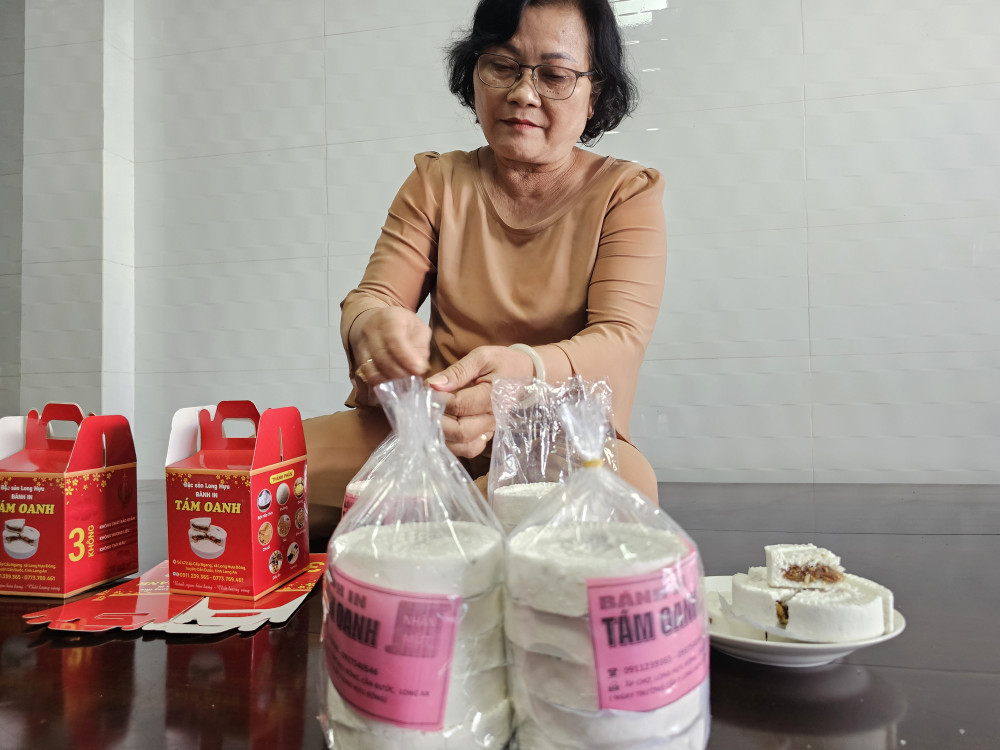
Ms. Pham Thi Kim Tam is one of the famous makers of printed cakes in the Long Huu area.
Making bánh in (a type of Vietnamese rice cake) may seem simple, but producing a fragrant and delicious cake is a whole process. From selecting evenly ripened bananas, drying them in the sun, using mature ginger that is just spicy enough, to grating coconut and simmering the filling, everything is done by hand. “In the past, even kneading the dough and grating coconut was done by hand. Now we have machines, so it’s easier, but drying the bananas, cutting the ginger, simmering the filling, and roasting the beans all have to be done by hand, and it has to be done over a wood-fired stove to be delicious. When simmering the filling, you have to carefully control the heat for an hour; if you rush, a high flame won’t work. Making bánh in is hard work, but it’s fun. Seeing the cakes come out of the mold beautifully makes it all worthwhile,” Mrs. Tam shared with a smile.
Not only is the process elaborate, but the molds used for making Long Huu's printed cakes are also very distinctive. Taking out a wooden mold that had darkened over the years, she said: "Since we live in Long Huu, the cake molds must have dragon and phoenix designs. This mold was left to me by my mother; it's very old, but now it's incredibly difficult to find one to buy, or even to have one custom-engraved."
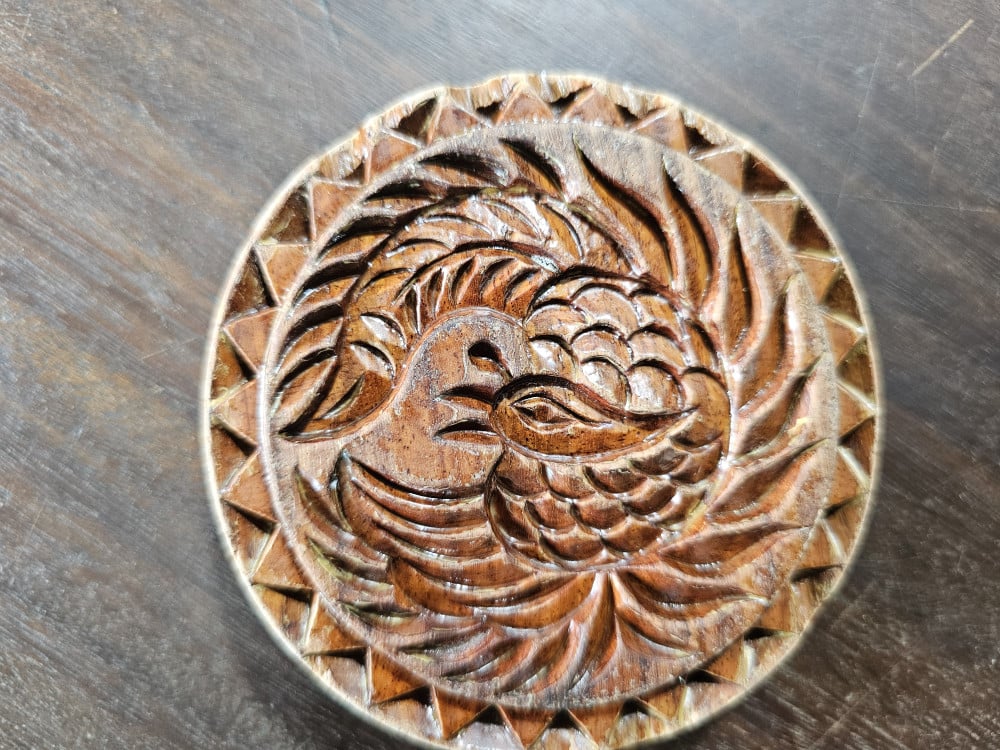
These days, cake molds like this are very difficult to find on the market.
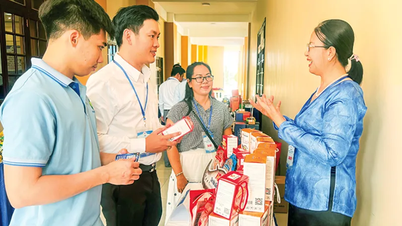
As Mrs. Tam said, in Long Huu islet, every household knows how to make printed cakes, but not many make them commercially anymore. Mr. Bui Van Oanh, a printed cake maker in Long Ninh hamlet, said: “Now, the whole commune only has about a few dozen households specializing in making printed cakes, mainly to sell to acquaintances and tourists . Every day, my family sells a few dozen cakes. Long Huu printed cakes have a very distinctive flavor, so even without much advertising, we still have a stable base of regular customers.”


In recent years, with the increased interest in community tourism, the traditional rice cake making craft of the people of Long Huu has become more widely known. Several tourism companies bring tourists here to experience the craft firsthand, kneading dough, pressing cakes, and listening to stories about the Long Huu rice cake making tradition. "The tourists are very happy; they like to take pictures and learn about the craft. We sell cakes and tell stories about the craft, which is also a way to preserve our ancestors' tradition," Mr. Oanh shared.

Mr. and Mrs. Bui Van Oanh (Long Ninh hamlet) have been making printed cakes for decades.
Long Huu Island is surrounded by the Vam Co River, Rach Cat River, and Nuoc Man Canal, offering a peaceful life amidst the waterways. In the past, before the development of road transport, Long Huu was a thriving area due to its location on the waterway connecting Saigon-Chợ Lớn to the provinces of the Mekong Delta. Ships and boats often chose the waterfront area of the Nuoc Man Canal to stop, rest, repair, and trade goods. The craft of making printed rice cakes likely developed around that time, catering to the merchants traveling through the region.
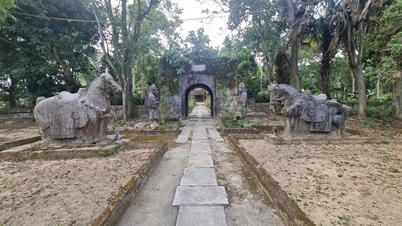
Today, with the development of road transport, Long Huu no longer holds the same advantages as before. However, as an island region with famous historical relics such as the Hundred-Column House and Rach Cat Fort, along with the traditional rice cake making craft, Long Huu is suitable for developing community tourism. According to Huynh Phuong Khac Vu, Acting Chairman of the Long Huu Commune People's Committee, the recent Commune Party Congress identified tourism development as one of the main development directions for the locality.
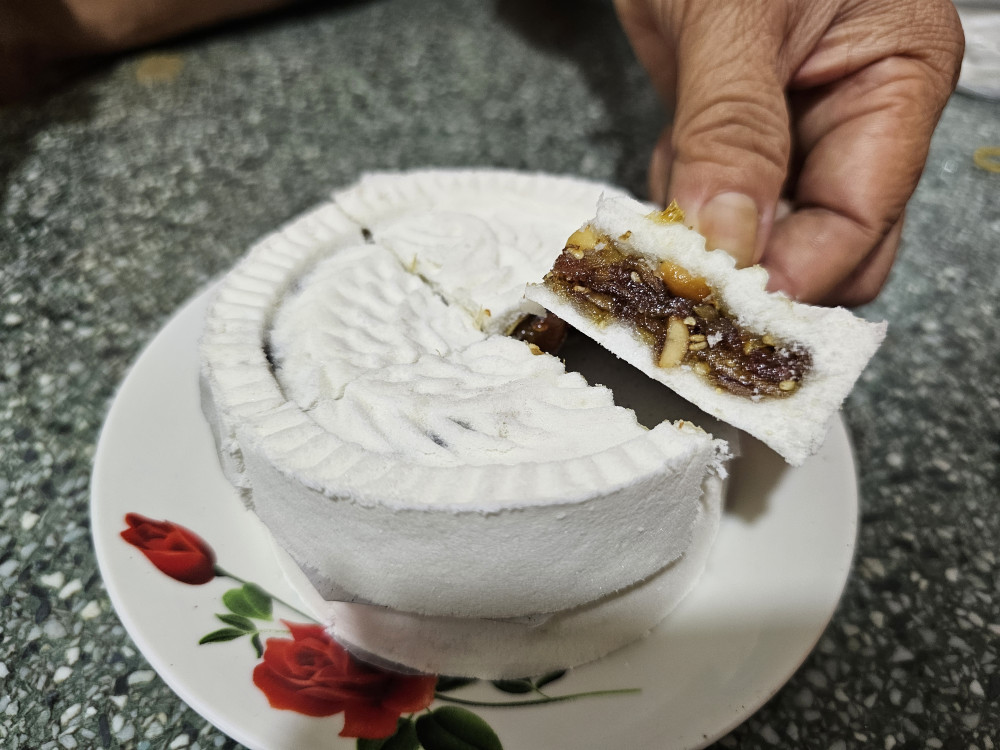
Long Huu rice cakes have a distinctive flavor from the blend of sweetness from dried bananas, richness from peanuts, and warmth from finely chopped ginger.
In Long Huu, visitors can immerse themselves in the story of the days when this land was a bustling wholesale center, visit the Hundred-Column House, and then, in a space rich in traditional Southern Vietnamese architecture, enjoy a cup of fragrant tea and a sweet, delicious rice cake to feel the sincerity and hospitality of the people of Long Huu.

Amidst the hustle and bustle of modern life, the people of Long Huu still diligently preserve their traditional craft. Long Huu rice cakes are not only a cherished local gift during Tet (Lunar New Year) but also a connecting link between tourists and this island region steeped in hospitality. Hopefully, in the not-too-distant future, with the development of community tourism, the traditional rice cake-making craft here will continue to be preserved, spread, and become a source of pride for the people of Long Huu island.
Guilin
Source: https://baolongan.vn/giu-lua-nghe-banh-in-long-huu-a205287.html