

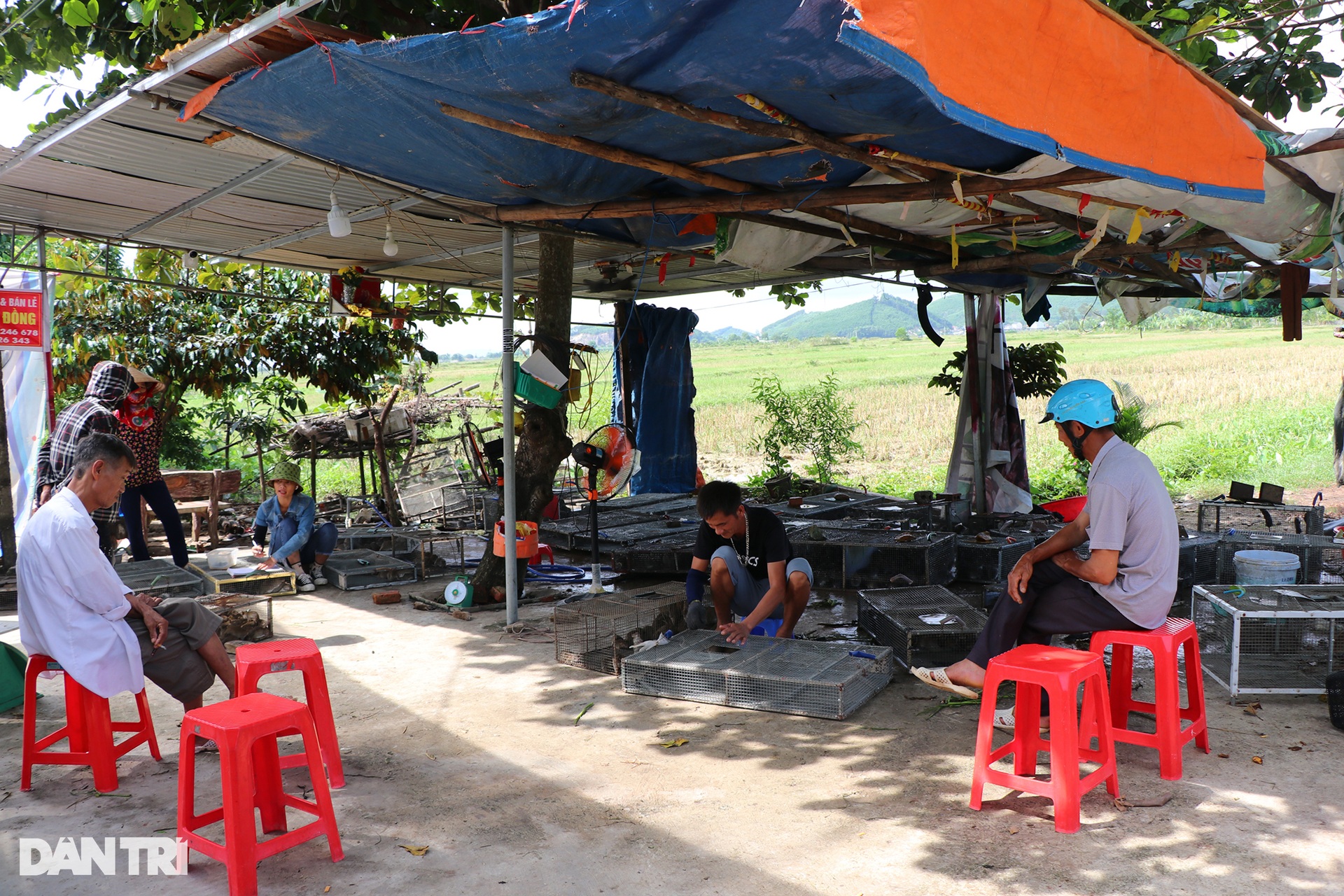
Duc Thanh commune (Yen Thanh district, Nghe An province) is famous for dishes made from rat meat. While in the past, rats were hunted to prevent crop damage and used in casual meals, now they have become a commodity, providing a decent income for the local people.
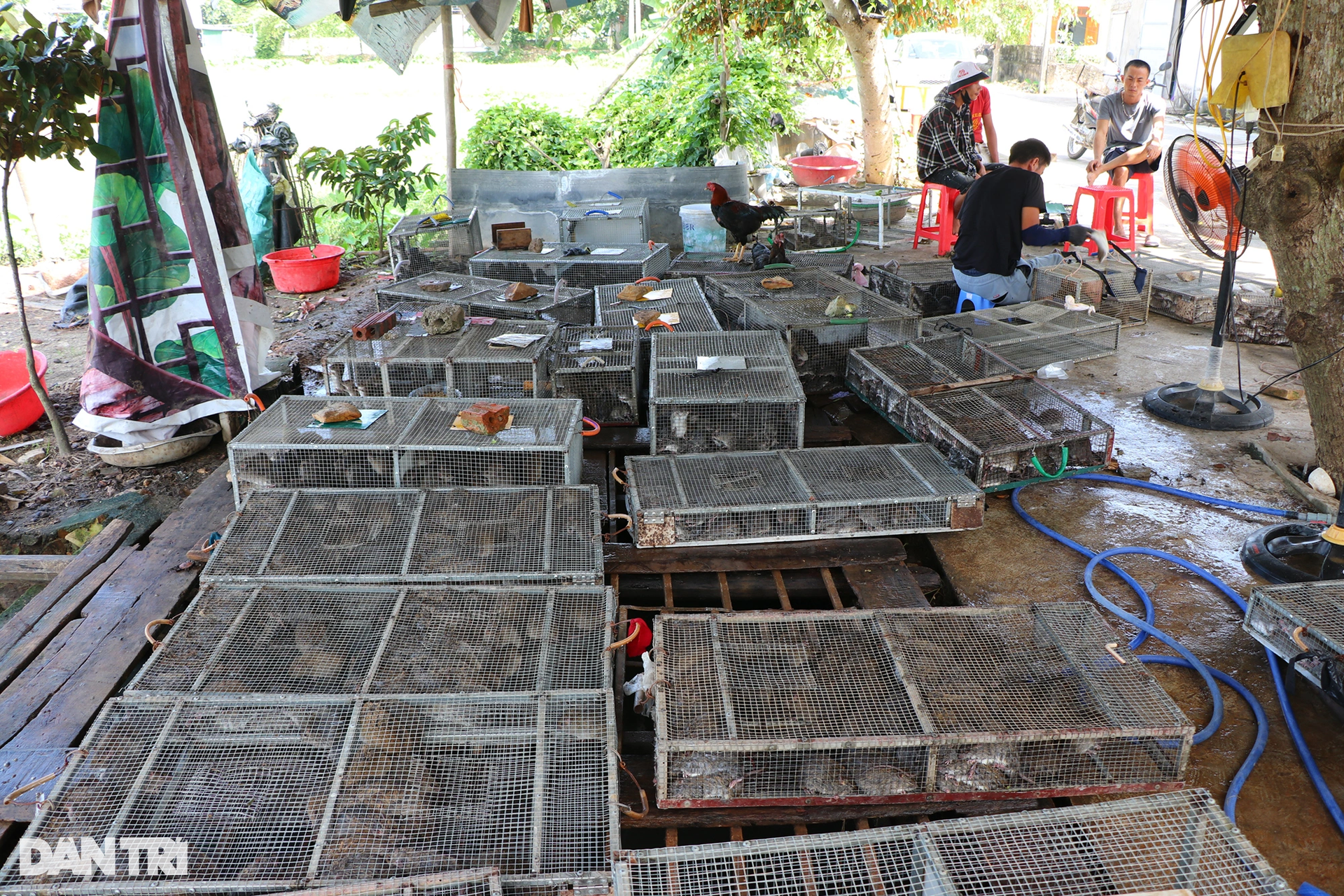
Mr. Ha Van Cong, Chairman of the People's Committee of Duc Thanh commune, said: "The job of hunting and selling field rats provides a stable income for hundreds of households. Some households earn 1-1.5 million VND per night by catching and selling rats. There are two facilities in the commune that buy field rats, and on peak days they can import nearly 1 ton of live rats."
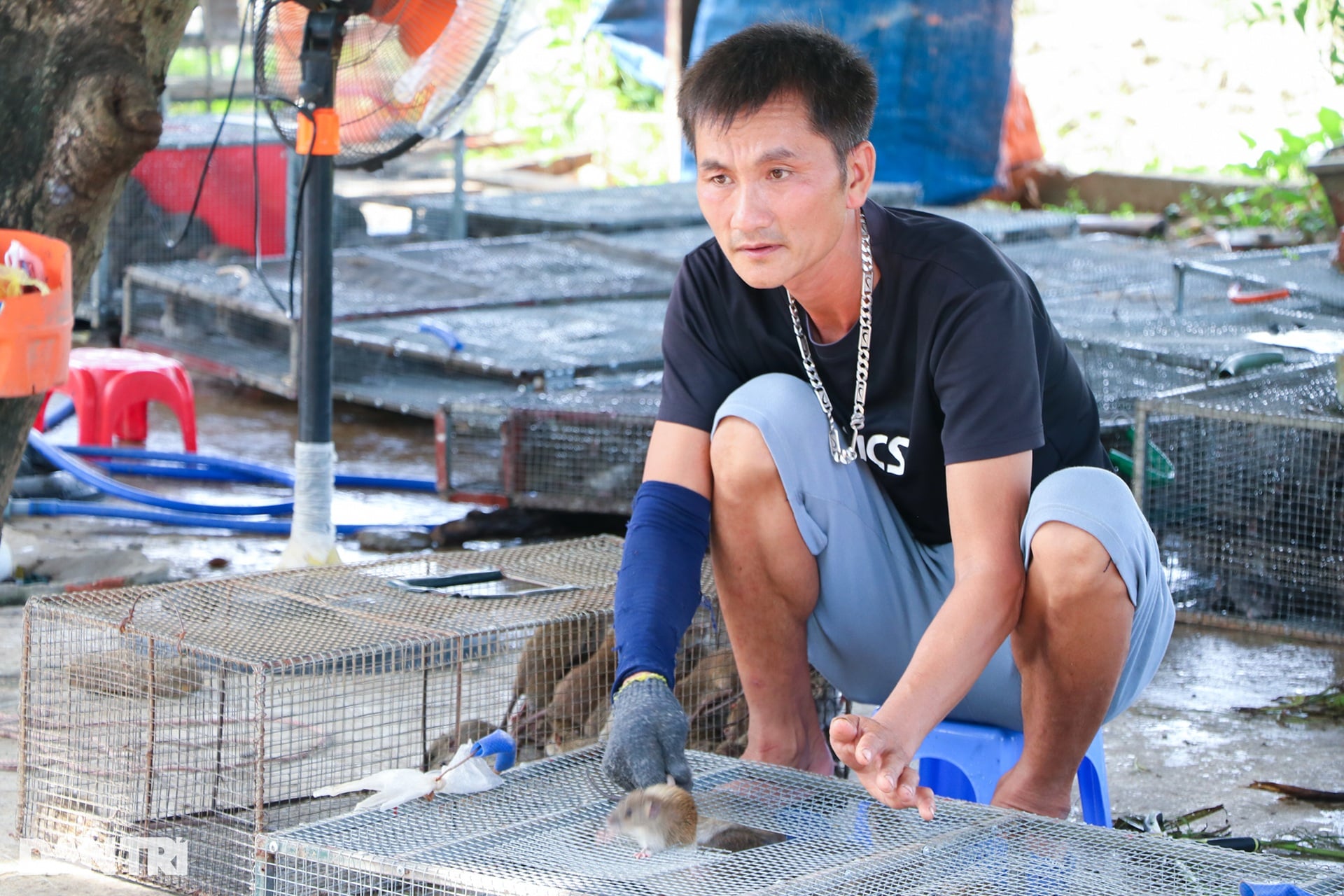
Mr. Cung Duc Mau (Tho Bang hamlet, Duc Thanh commune) is one of the two rat purchasing facilities here. On average, his facility buys 5-6 quintals of live rats per day, sometimes up to 1 ton.
"During this cold, rainy season, people catch more rats when they go trapping. Like other goods, when supply increases, the price will decrease," Mr. Mau said.
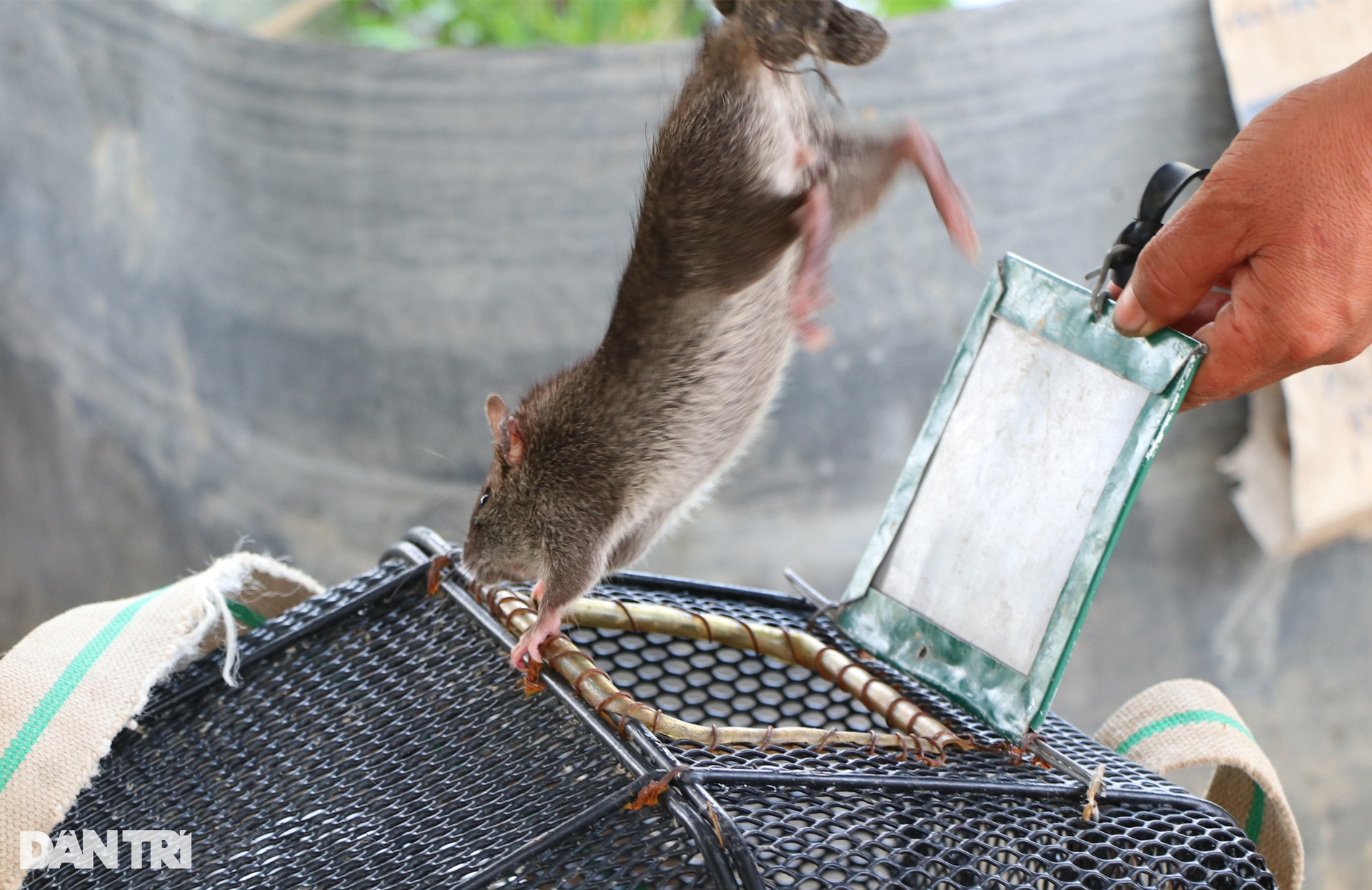
The rats imported are mainly field rats and velvet rats, with field rats being the most common. Live and healthy rats are a prerequisite.
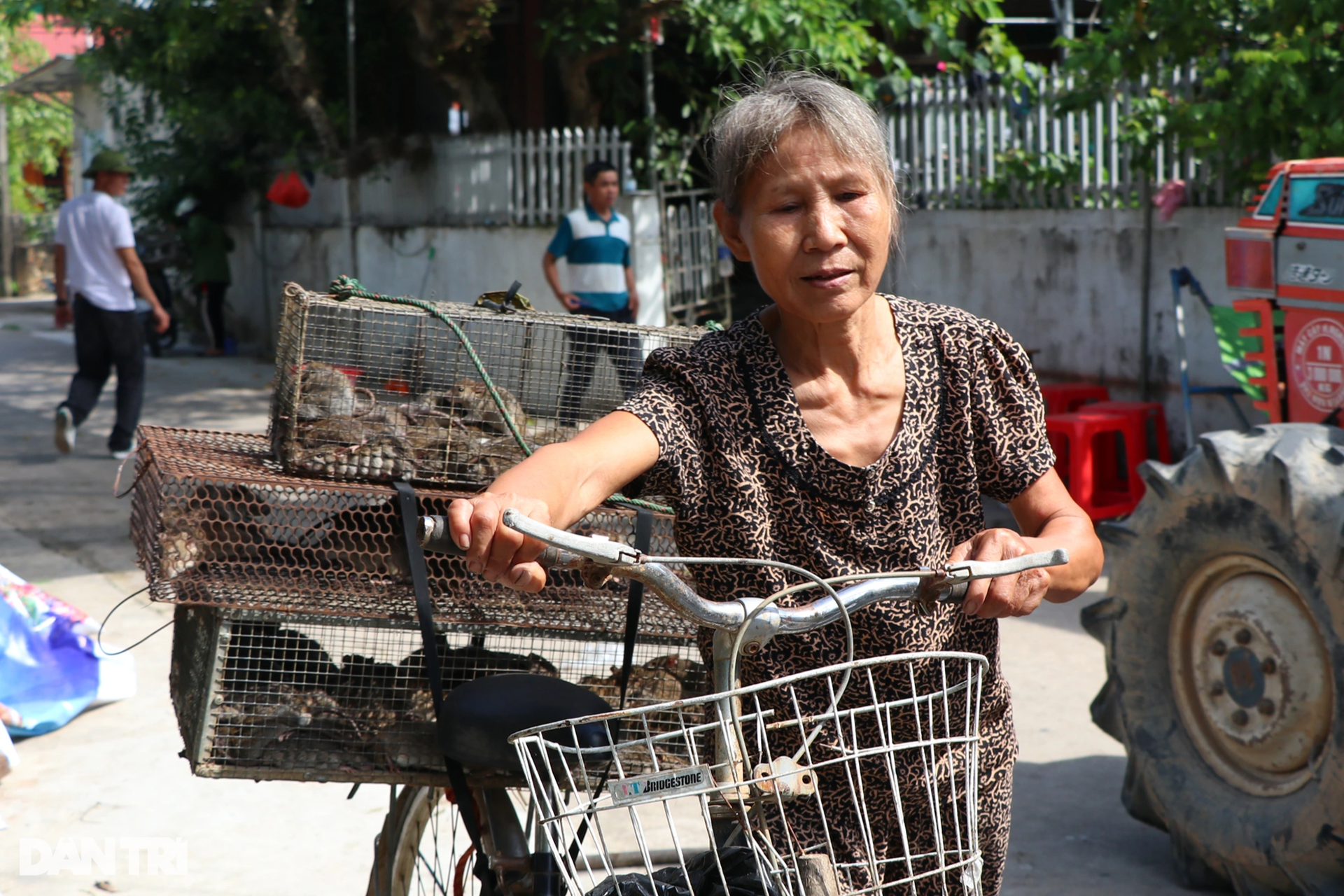
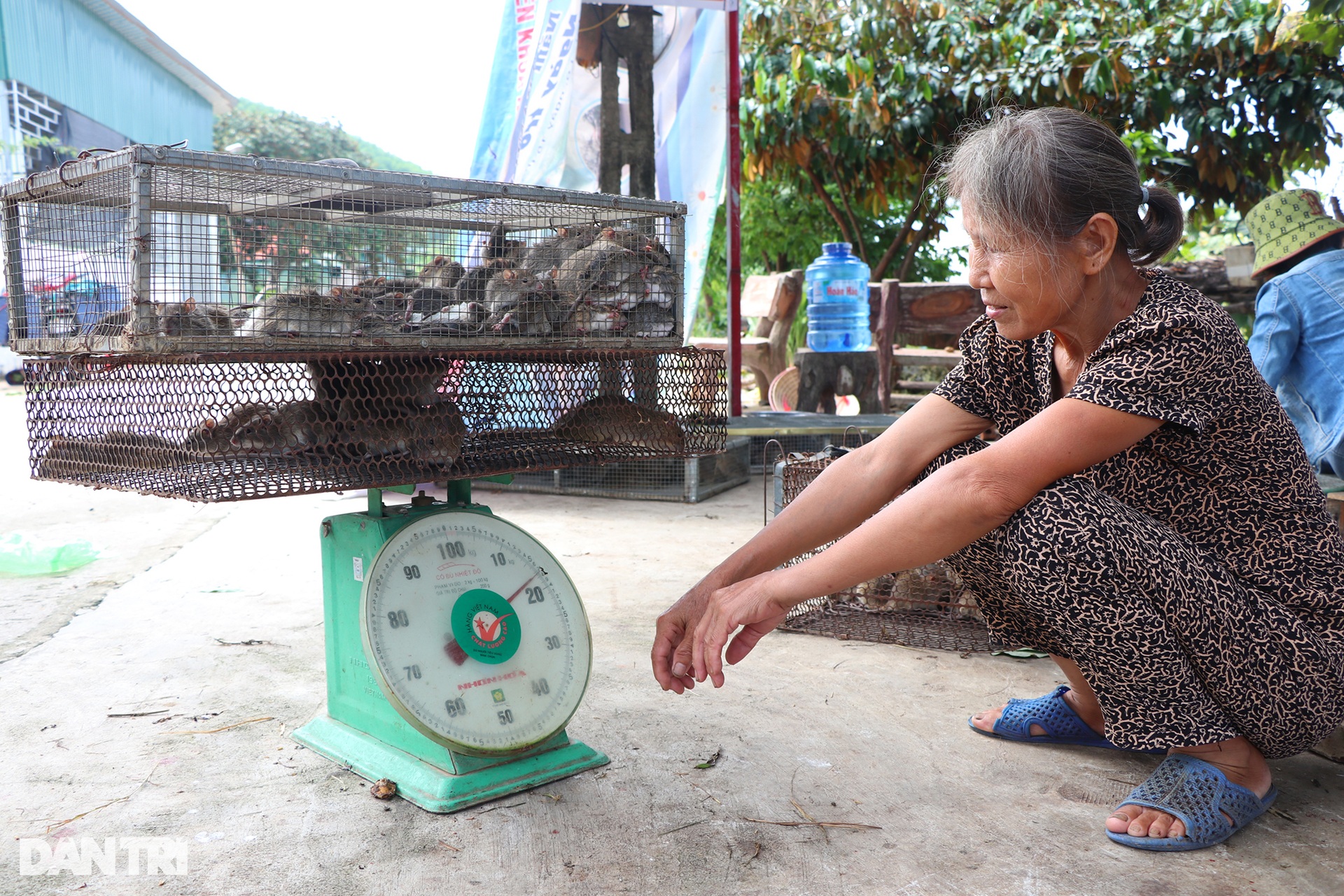
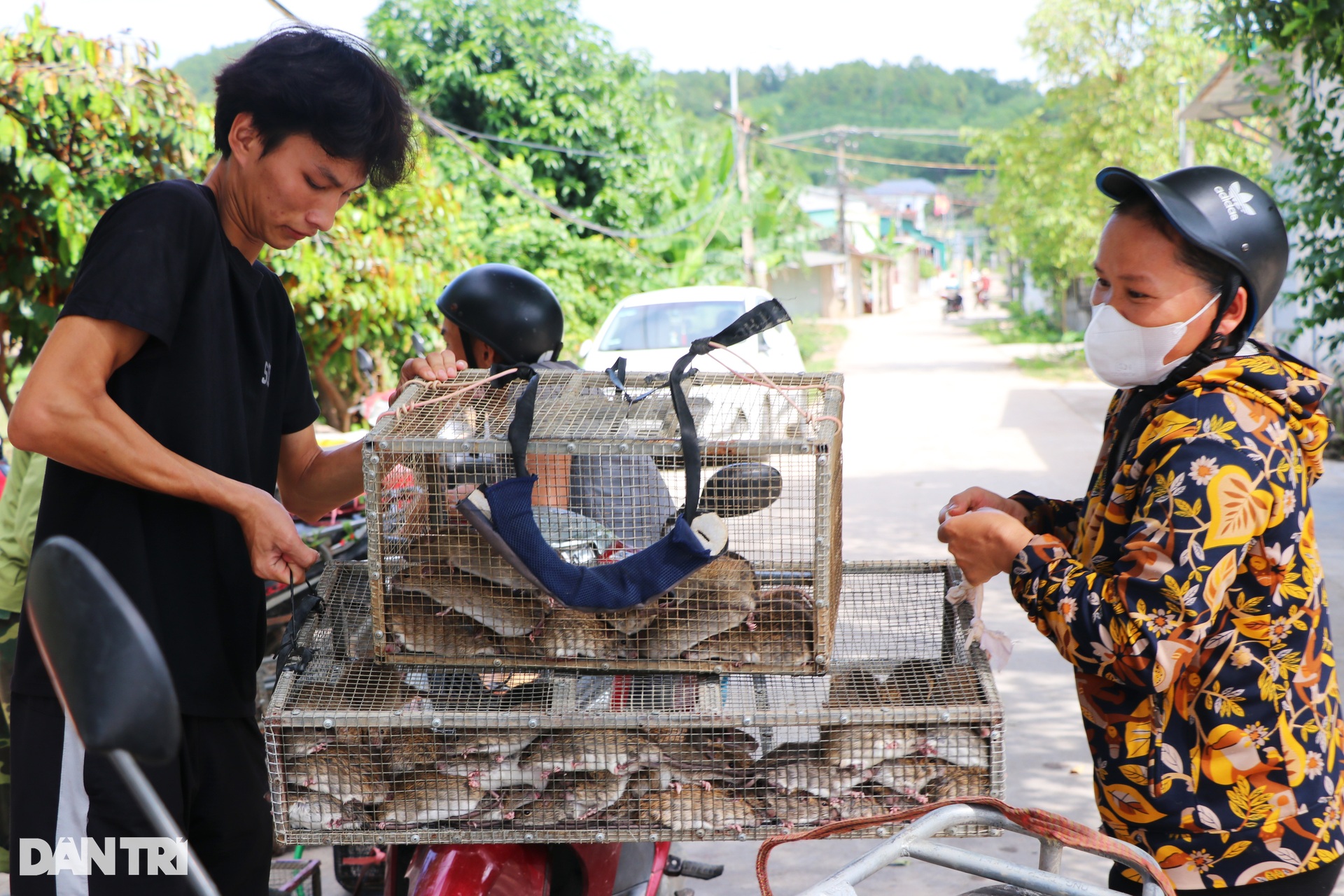
Ms. Phan Thi Nhien (Tho Bang hamlet) loaded three crates of rats onto her bicycle to deliver to Mr. Mau's facility. 18kg of rats was the "spoils of war" for Ms. Nhien's husband after a night of setting traps.
"Some days he catches several tens of kilograms of rats, other days only a few kilograms. We're old now, so my husband and I just make do with what we have for groceries. In my village, there are some families who are professional rat trappers, catching hundreds of kilograms every night," Mrs. Nhien said.
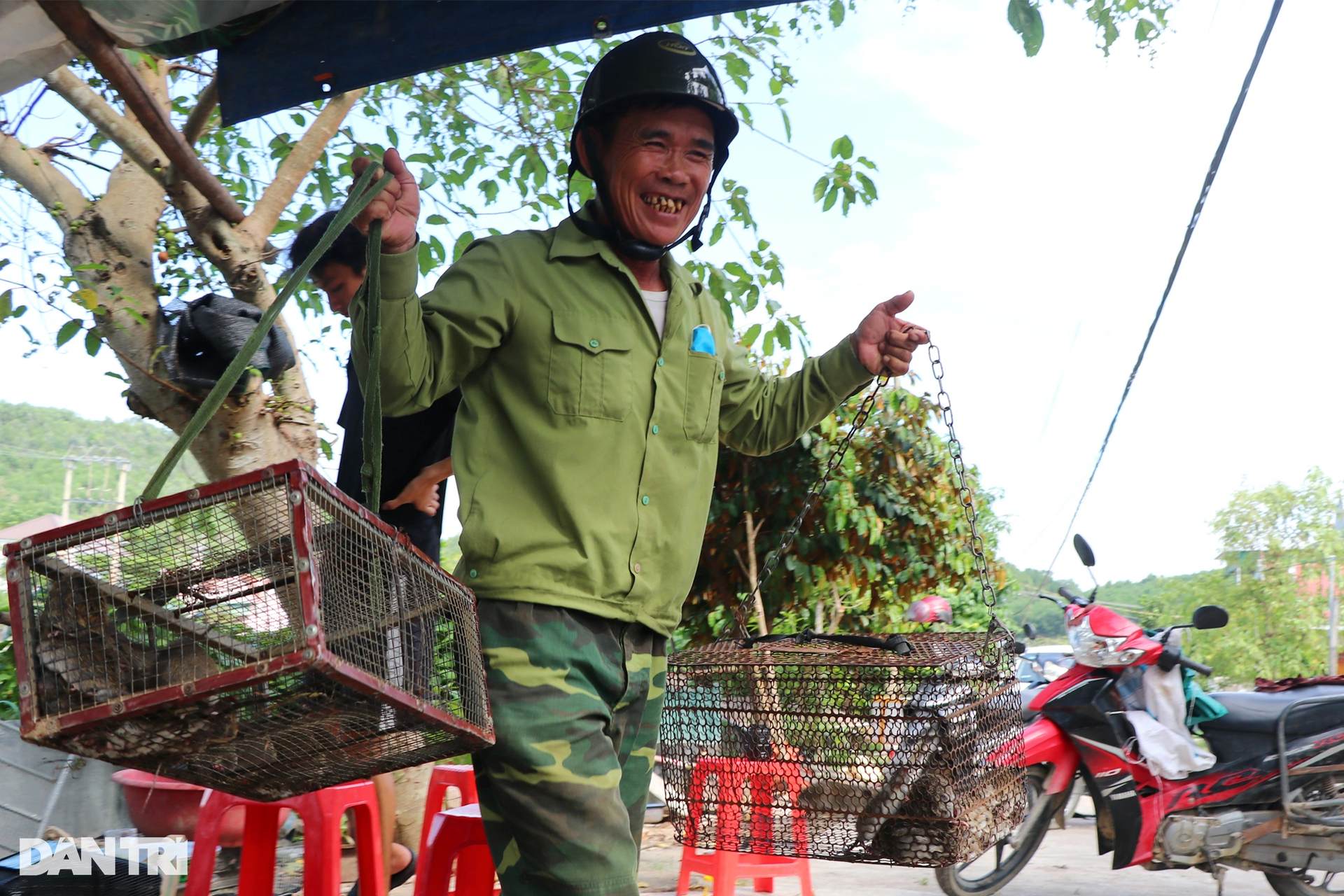
Mr. Hoang Trong Dan (Minh Chau commune, Dien Chau district, Nghe An province) is delighted with the results of a night of rat trapping. For the past three years, this farmer has taken up selling rat traps as a side job. Although it's called a side job, the income from catching rats is higher than from growing rice and other crops.
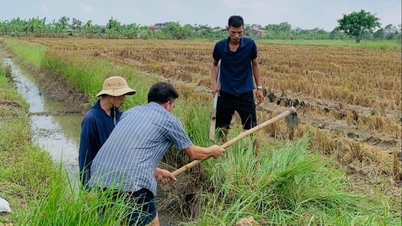
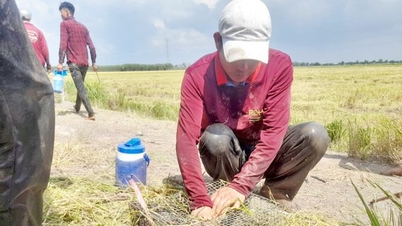
"I have nearly 100 traps. Besides bait to lure the rats into the traps, it's important to predict their movements. Field rats typically leave their burrows to forage for food early in the evening and return around 9-10 PM. By setting traps to intercept them, sometimes I catch two rats in one trap, but more often than not, each trap only catches one," Mr. Dan revealed.
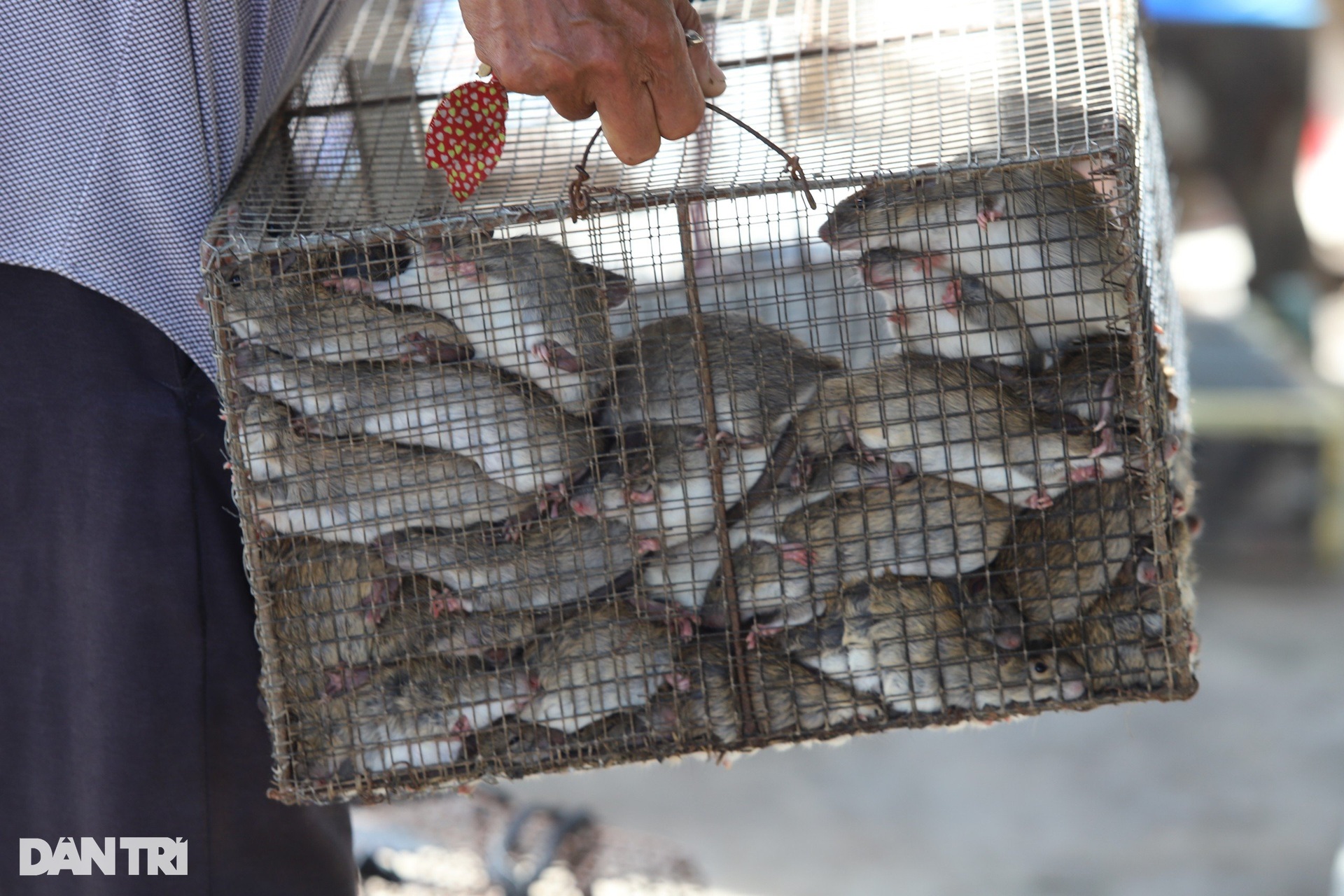
The field rat hunting season runs from May to December each year, with October being the peak. Rats are hunted using traps, and the hunting process does not affect the rats' health because the establishments only purchase them alive.
After being collected, the rats are transported to Hanoi for consumption. According to Mr. Cung Dinh Mau, at the distribution points, the rats are butchered and distributed to shops specializing in selling rat meat.
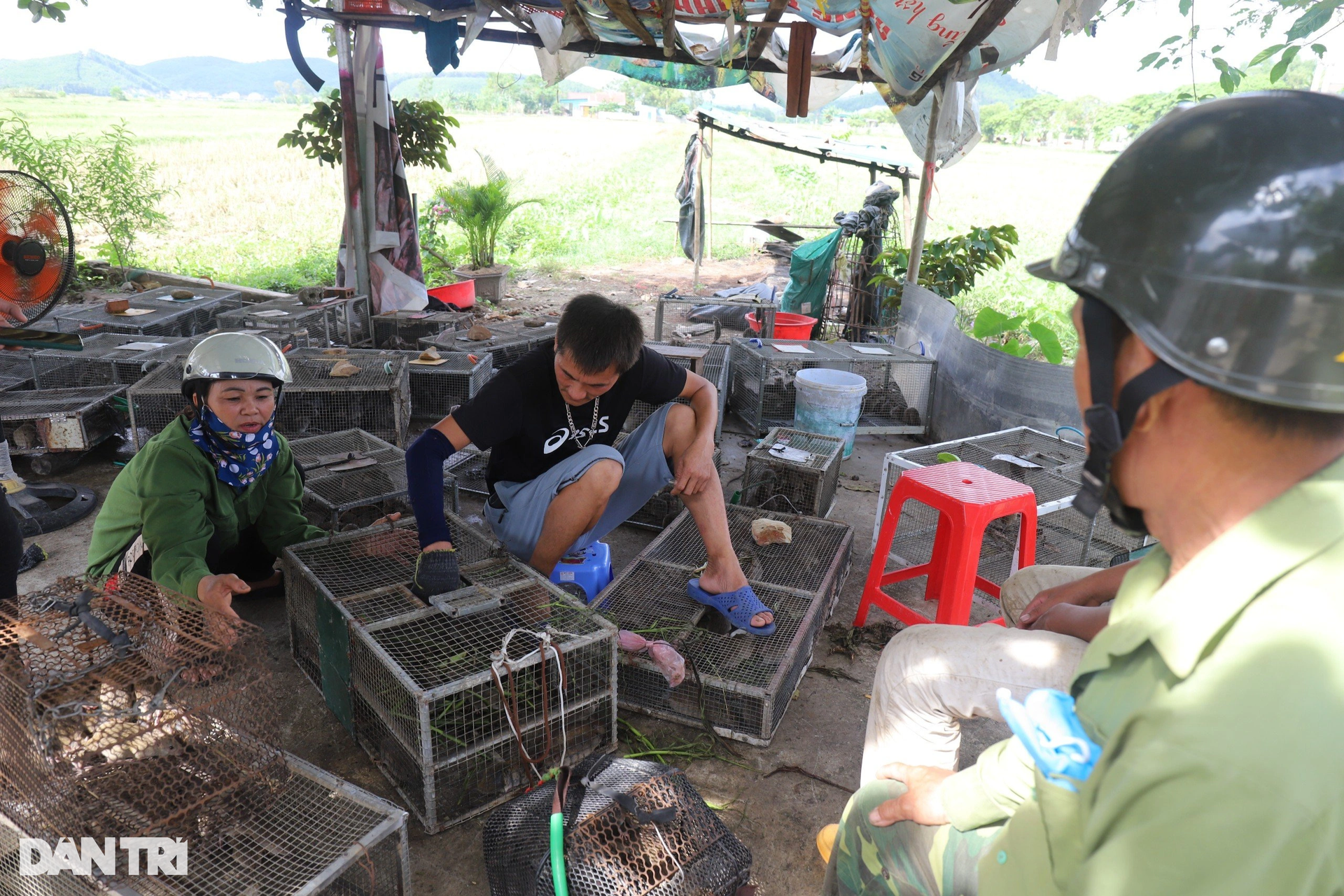
To ensure sufficient supplies for the two purchasing centers in the commune, groups of field rat hunters have formed in Duc Thanh commune. They acquire equipment and set traps in the fields of neighboring districts, sometimes even venturing as far as Thanh Hoa or Ha Tinh provinces . Because they work in large groups and set many traps, some groups can catch 4-5 quintals of field rats each night.
"There are no extraordinary secrets to this profession. The most important thing is diligence, perseverance, working late into the night, and enduring hardship, especially during rainy and cold weather. But in return, working in the fields at night brings in money. Many households in Tho Bang village, Duc Thanh commune, have built big houses and bought cars thanks to hunting field rats," said Mr. Cung Dinh Phong.
Mr. Phong is considered a master rat hunter in Tho Bang village. One night, he caught nearly 600 kilograms of rats.
Catching and selling a species that many people fear, farmers earn millions overnight (Video: Hoang Lam).
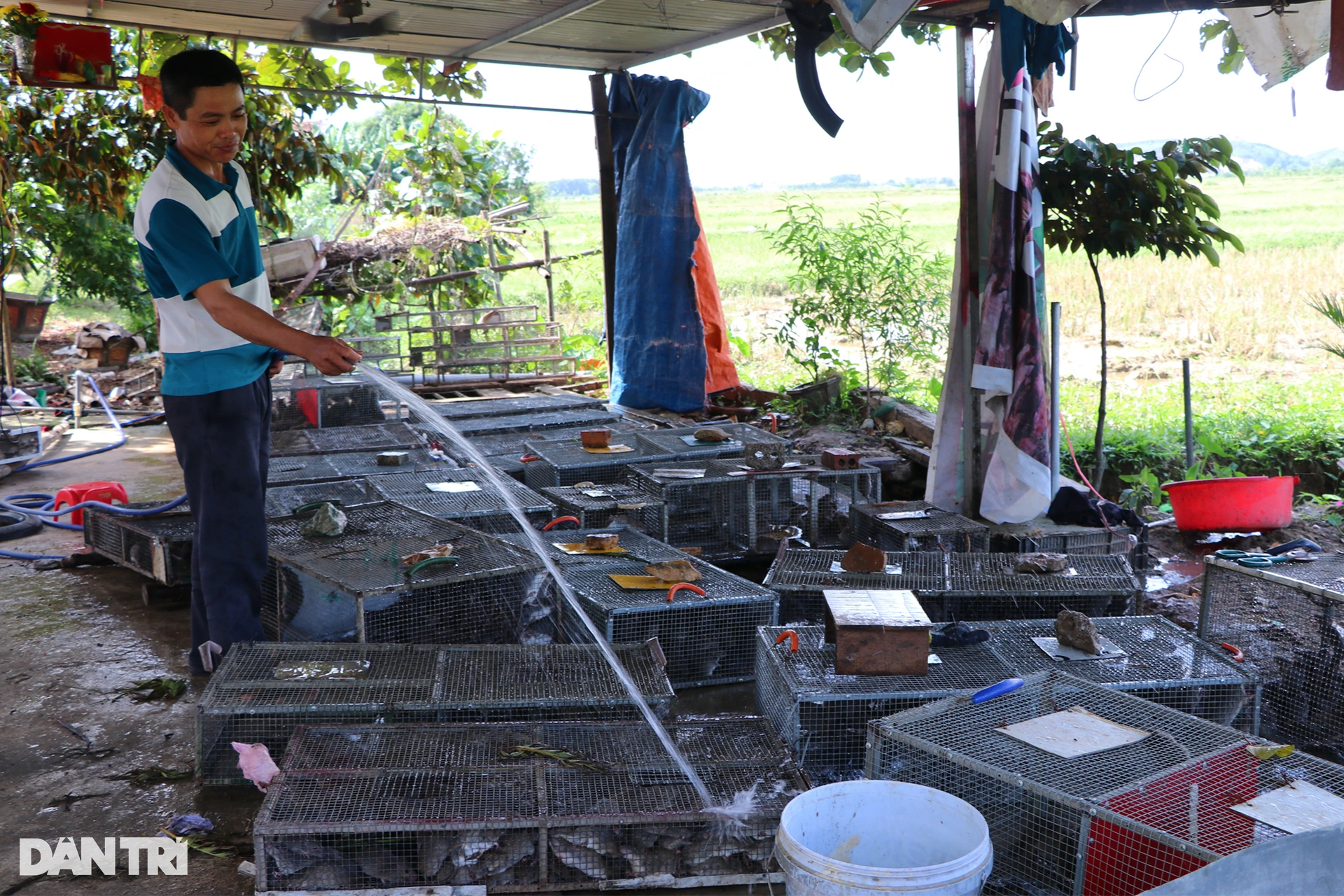
To ensure the collection, sorting, and transportation of rats, Mr. Vuong Dinh Mau's facility hired three additional workers.
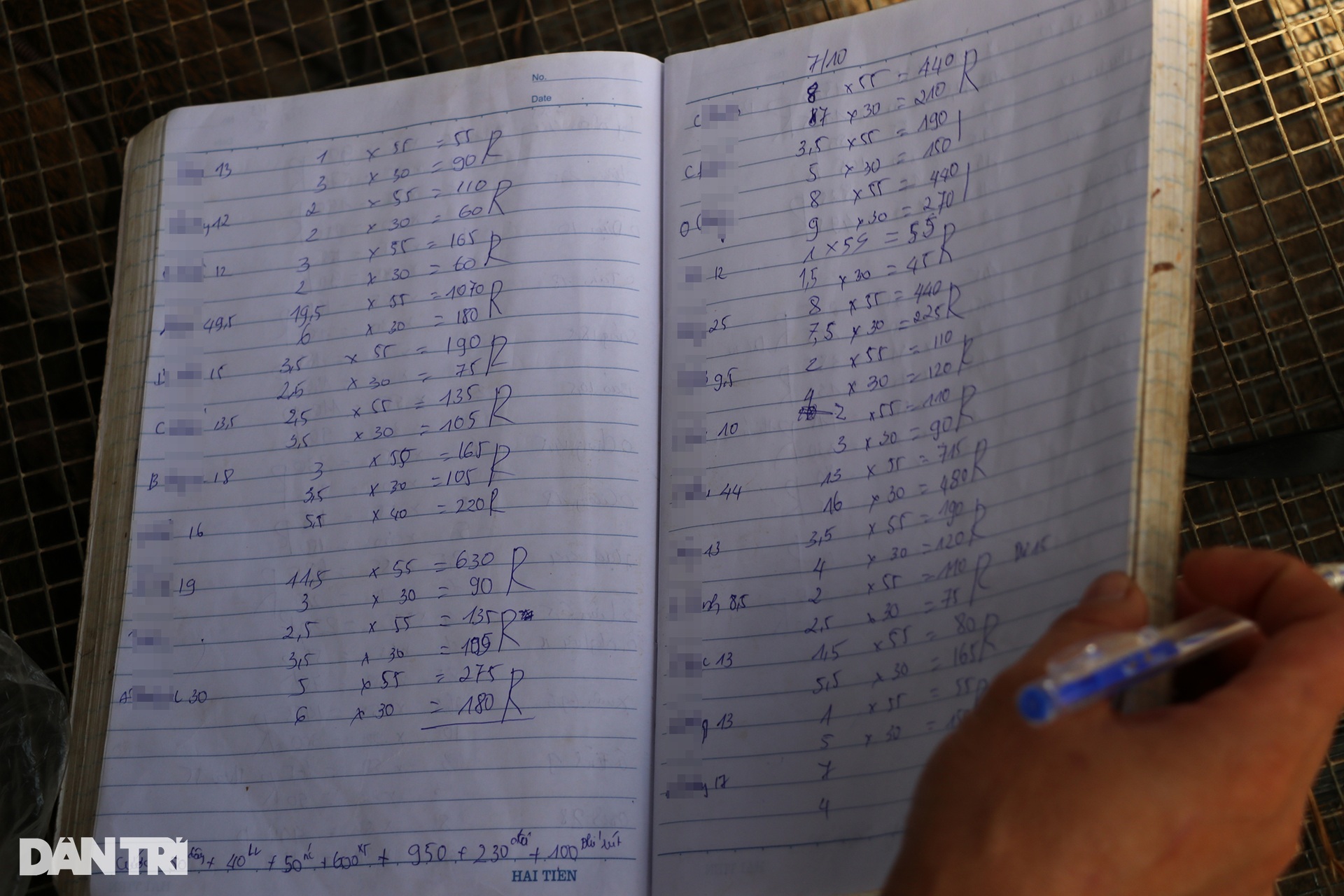
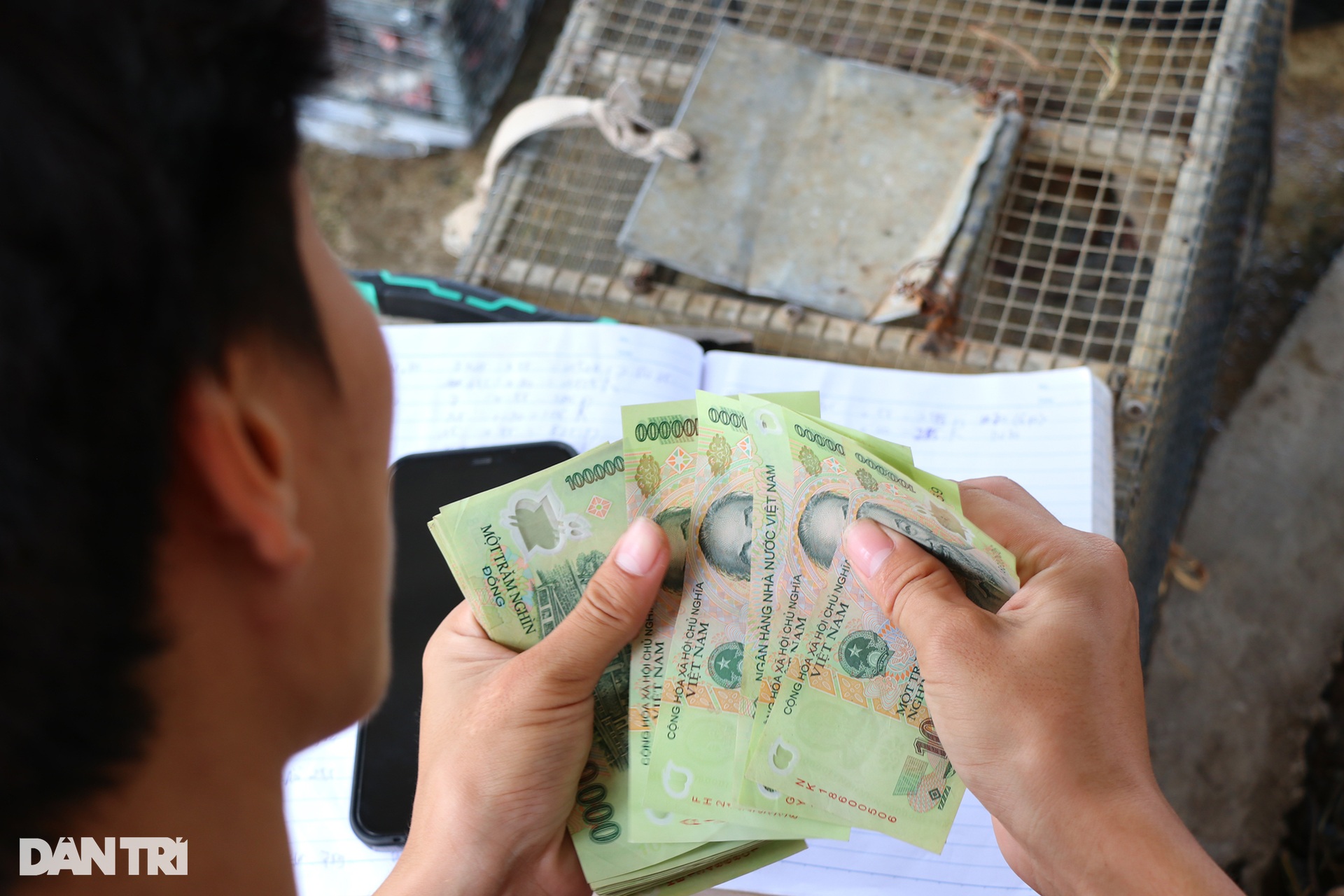
"Rats are sold by weight and size. Small rats cost around 35,000 VND/kg, larger ones cost 50,000-55,000 VND/kg, and at peak times up to 60,000 VND/kg. We buy rats from people in the commune and also from people in Dien Chau and Quynh Luu districts, averaging 5-7 quintals of live rats per day," said Ms. Loan, Mr. Mau's wife.
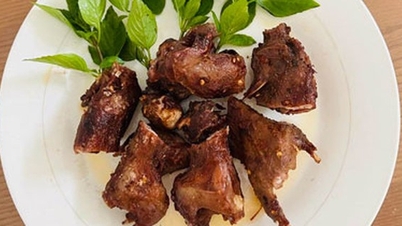
Besides large-scale rat purchasing centers, in Duc Thanh, many households process rat meat for retail sale, serving the needs of people in the commune.
The local residents are proud of this job, which many find daunting, because in addition to providing a stable income, they help farmers eradicate the rat infestation that destroys crops.
Source


























































































Comment (0)