

Hanoi officially launches measles vaccination campaign.
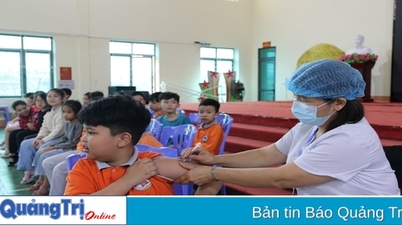
On October 14th, Hanoi officially launched its 2024 measles vaccination campaign.
During the first vaccination session, the reception, examination, consultation, vaccination, and post-vaccination monitoring were carried out seriously, rationally, safely, and in a one-way process at the vaccination sites.
 |
| On October 14th, Hanoi officially launched its 2024 measles vaccination campaign. |
To ensure the safety, effectiveness, and quality of the campaign, the Hanoi Department of Health has established three inspection teams to evaluate the organization and implementation of the vaccination campaign in districts, towns, and cities.
On the very first day of the campaign, vaccinations were implemented in eight districts: Long Bien, Phu Xuyen, Phuc Tho, Thuong Tin, Dong Anh, Hoai Duc, Son Tay, and Thach That. The remaining localities will implement vaccinations in the following days.
According to the Hanoi Department of Health, a statistical review indicates that approximately 70,000 individuals eligible for vaccination, including children aged 1-5 years living in Hanoi and healthcare workers at risk at medical facilities treating measles patients, have not yet received all the required doses.
On the first day of Hanoi's measles vaccination campaign, a large number of children of eligible age were brought to vaccination sites by their parents, who ensured they received all necessary vaccinations.
Previously, the Hanoi People's Committee issued Plan No. 278/KH-UBND on the implementation of the measles vaccination campaign in the city in 2024.
Accordingly, the target group for vaccination under this plan includes children aged 1 to 5 years living in Hanoi and healthcare workers at risk at medical facilities treating measles patients in the city who have not received all the required doses.
The plan excludes individuals who have already received a measles-containing vaccine or a measles-rubella (MR) vaccine or a measles-rubella-containing vaccine within one month prior to vaccination, and individuals who have received all required doses of a measles-containing vaccine.
The vaccination campaign will be rolled out in the third and fourth quarters of 2024, after the Ministry of Health supplies vaccines to all 579 communes, wards, and towns in 30 districts and municipalities across the city.
Vaccinations will be administered at health centers; preschools, kindergartens, and other mobile vaccination sites, depending on the local situation.
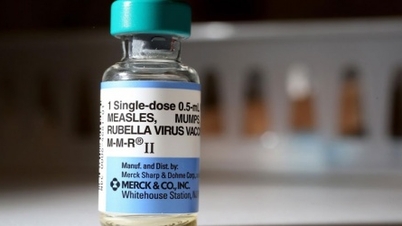
The goal is to ensure that over 95% of children aged 1-5 years living in Hanoi who have not received all the required doses of measles-containing vaccine receive one dose of the measles-rubella (MR) vaccine.
The World Health Organization (WHO) assesses the risk of a measles outbreak in Vietnam as very high. WHO also recommends that provinces and cities with high and very high risk, and those currently experiencing measles clusters, should implement vaccination campaigns. In other provinces and cities with low and medium risk, a review should be conducted to provide catch-up vaccinations for children who missed vaccinations due to the pandemic.
The implementation of vaccination campaigns and catch-up vaccinations needs to be carried out urgently to prevent outbreaks, especially in areas with clusters of cases, to prevent the spread of the disease.
Due to the complex epidemiological characteristics of measles, its rapid and widespread transmissibility, and its high dependence on vaccination, vaccination should be implemented as early as possible.
The Ministry of Health assesses that 18 provinces and cities are at risk of measles outbreaks, including Ho Chi Minh City, Ha Tinh, Dong Nai, Long An, Soc Trang, Binh Phuoc, Kien Giang, Quang Nam, Gia Lai, and Dak Lak. Since the beginning of the year, Ho Chi Minh City has recorded more than 500 cases of measles, including 3 deaths.
In response to this situation, the Ministry of Health has issued a plan to implement a measles vaccination campaign in 2024. This campaign will vaccinate children aged 1-10 years in high-risk areas against measles; and healthcare workers at medical facilities treating measles patients who have not received all the required doses of the measles-containing vaccine.
Priority will be given to vaccinating children aged 1-5 years. The specific age groups for vaccination will be decided by provinces and cities based on the local epidemic situation, vaccine supply conditions, local resources, and in consultation with regional Institutes of Hygiene and Epidemiology and Pasteur Institutes.
Local authorities will proactively investigate and compile vaccination lists for children aged 1-10 years, including transient children currently residing in the locality. Each child will receive one dose of the measles-rubella (MR) vaccine.
Except for children who have received a measles-containing or MR vaccine, or a measles and/or rubella-containing vaccine, within one month prior to the start of vaccination (with proof of vaccination shown on the vaccination record, immunization booklet, or immunization management software); children who have received all prescribed doses of measles-containing vaccine.
The goal of this campaign is to increase the measles immunity rate in the community in order to proactively prevent outbreaks, reduce the incidence and mortality rates of measles in high-risk areas and areas where measles cases or outbreaks are occurring.
The specific target is for 95% of children in high-risk areas or areas experiencing measles outbreaks who have not received all the required doses of measles-rubella vaccine to receive one dose.
Vaccinations are scheduled for the third and fourth quarters of 2024, to be implemented as soon as the vaccine becomes available.
Phase 1 of the project covers 135 districts and counties across 18 provinces and cities, including Ha Giang, Hanoi, Ha Tinh, Hai Duong, Nam Dinh, Nghe An, Gia Lai, Ho Chi Minh City, Dong Nai, Long An, Tay Ninh, Soc Trang, Ben Tre, Tra Vinh, Dong Thap, Binh Duong, Binh Phuoc, and Kien Giang.
Phase 2 will expand the implementation areas based on the results of the review and statistics from provinces and cities, and proposals from regional Institutes of Hygiene and Epidemiology and Pasteur Institutes, based on the measles situation at the time of the review, to add provinces, districts, and communes for implementation.
Health experts consider measles a global threat because the measles virus, belonging to the Paramyxoviridae family, spreads rapidly through the respiratory tract from sick people to healthy people in the community or even across borders.
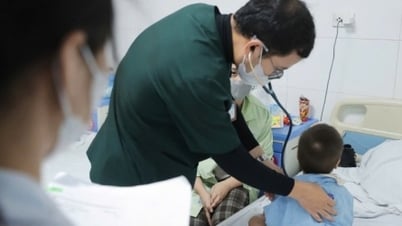
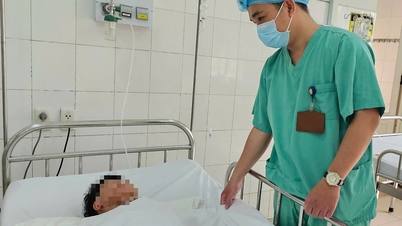
Measles is dangerous because it not only causes acute symptoms but also puts patients at risk of nervous system infections, musculoskeletal disorders, multi-organ damage, and can leave many severe and long-lasting complications, even lifelong ones, such as encephalitis, meningitis, otitis media, pneumonia, diarrhea, corneal ulcers, and blindness.
In addition, measles is particularly dangerous because it can erase immune memory, destroying an average of about 40 types of antibodies that fight off pathogens.
In children, a 2019 study by geneticist Stephen Elledge at Harvard University showed that measles eliminates between 11% and 73% of protective antibodies in children.
In other words, when a person contracts measles, their immune system is destroyed and resets to its initial, immature, and underdeveloped state, like that of a newborn baby.
To minimize risks and prevent the resurgence of measles, the WHO emphasizes that vaccination is the only way to protect children and adults from this potentially dangerous disease. Countries worldwide are required to achieve and maintain a coverage rate of over 95% with two doses of the measles vaccine.
Children and adults should proactively get vaccinated against measles fully and on schedule to help the body produce specific antibodies against the measles virus, helping to prevent the risk of contracting measles and severe complications, with an outstanding effectiveness of up to 98%.
In addition, everyone should proactively clean their eyes, nose, and throat with antiseptic solution daily. Limit gatherings in crowded places, avoid close contact with people showing symptoms of measles or suspected of having the disease, and do not share personal items with sick people. Maintain hygiene in your living space and supplement your diet with foods that boost the immune system.
If you experience symptoms of measles (fever, runny nose, dry cough, red eyes, sensitivity to light, rash all over the body), you should quickly go to the nearest medical center or facility for examination and timely treatment.








































































Comment (0)