

Recently, on the sidelines of the Shangri-La Dialogue in Singapore, US Secretary of Defense Lloyd Austin, along with Australian Deputy Prime Minister and Minister of Defense Richard Marles, Japanese Minister of Defense Hamada Yasukazu, and Philippine Minister of Defense Carlito Galvez, held talks. According to Nikkei Asia , during the meeting, the four ministers agreed to strengthen security cooperation to promote a free and open Indo- Pacific region.
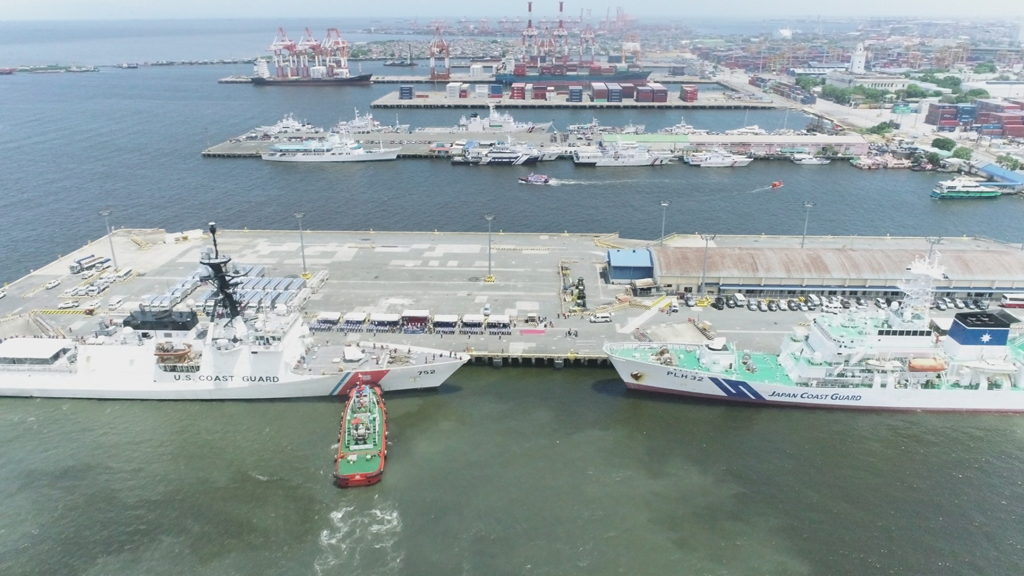
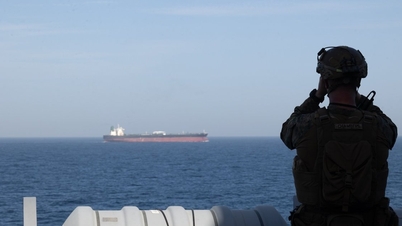
US and Japanese coast guard vessels are at a port in Manila to participate in the first-ever trilateral coast guard exercise.
Philippine Coast Guard
This marks the first time the four countries have held a four-way ministerial-level defense meeting, taking place against the backdrop of recent increased multilateral and bilateral military cooperation between the US, Japan, Australia, and the Philippines. From June 1-7, the US, Japan, and the Philippines held their first joint coast guard exercise in the South China Sea. Australia participated as an observer. Earlier in February, the US and the Philippines revealed they were considering deploying coast guard forces for joint patrols in the South China Sea – a move seen as a response to China's gray zone strategy in the region. Also in February, in an interview with Nikkei Asia during a visit to Japan, Philippine President Ferdinand Marcos Jr. affirmed that "protecting" the Philippines' territorial waters in the South China Sea is central to efforts to strengthen security agreements with the US and Japan. Speaking about military agreements with the US and Japan, he stated: "We don't want to provoke, but... we feel that cooperation will help ensure safe shipping lanes in the South China Sea. Furthermore, we are doing everything we can to protect our maritime sovereignty."
These developments raise the question of whether the US, Japan, Australia, and the Philippines are forming an alliance in the form of the "Quad" (US, Japan, Australia, and India)? To clarify this issue, international experts offered some insights in an interview with Thanh Nien newspaper on June 5th.
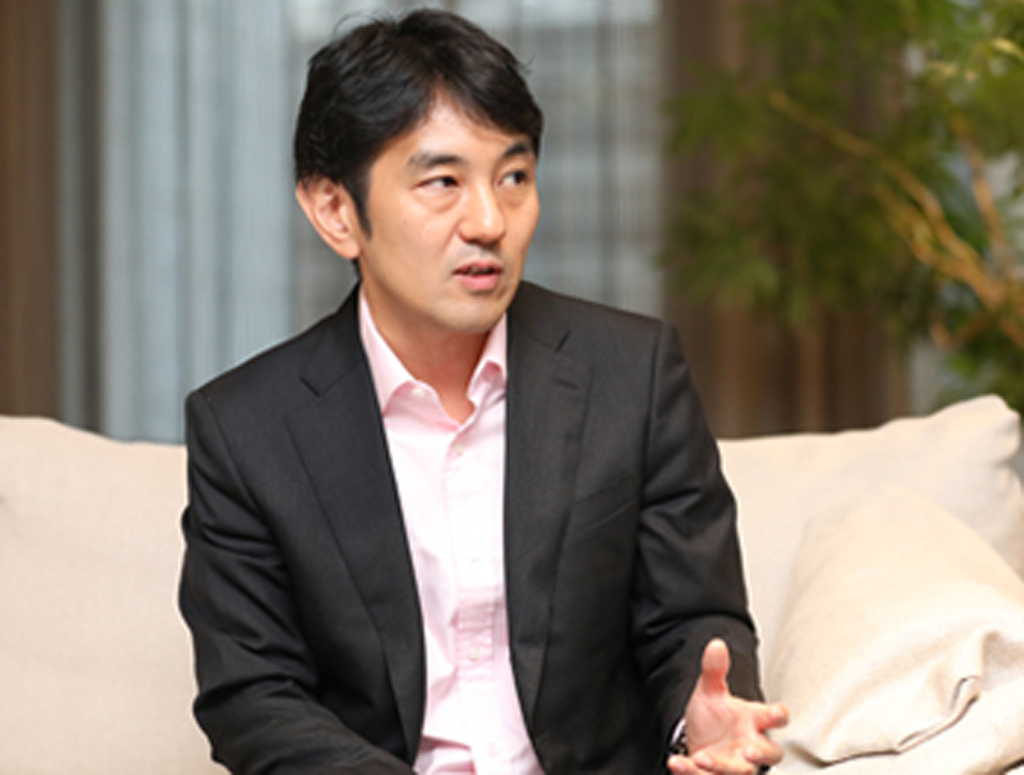
The "Four" group could form faster.
There is a high probability that the first meeting of the four defense ministers will pave the way for the formation of an East Asian version of the "Quad" (which originally included the US, Japan, Australia, and India), as the formation process is quite similar to the original "Quad," also starting from an informal meeting and gradually becoming institutionalized.
Moreover, the institutionalization process of the new alliance could be faster than the formation of the "Quad" for the following reasons: Japan, Australia, and the Philippines are all allies of the United States; the Philippines is now more balanced and willing to strengthen its relationship with the United States; Japan, Australia, and the United States have the capacity and willingness to provide support to help the Philippines enhance its maritime law enforcement capabilities, humanitarian assistance/disaster relief, etc.
Therefore, if everything goes smoothly, the four-party framework of the US, Japan, Australia, and the Philippines could develop much faster than the "Quad".
Assoc. Prof. Kei Koga (Programme on Global Issues and Public Policy - School of Social Sciences - Nanyang Technological University, Singapore)
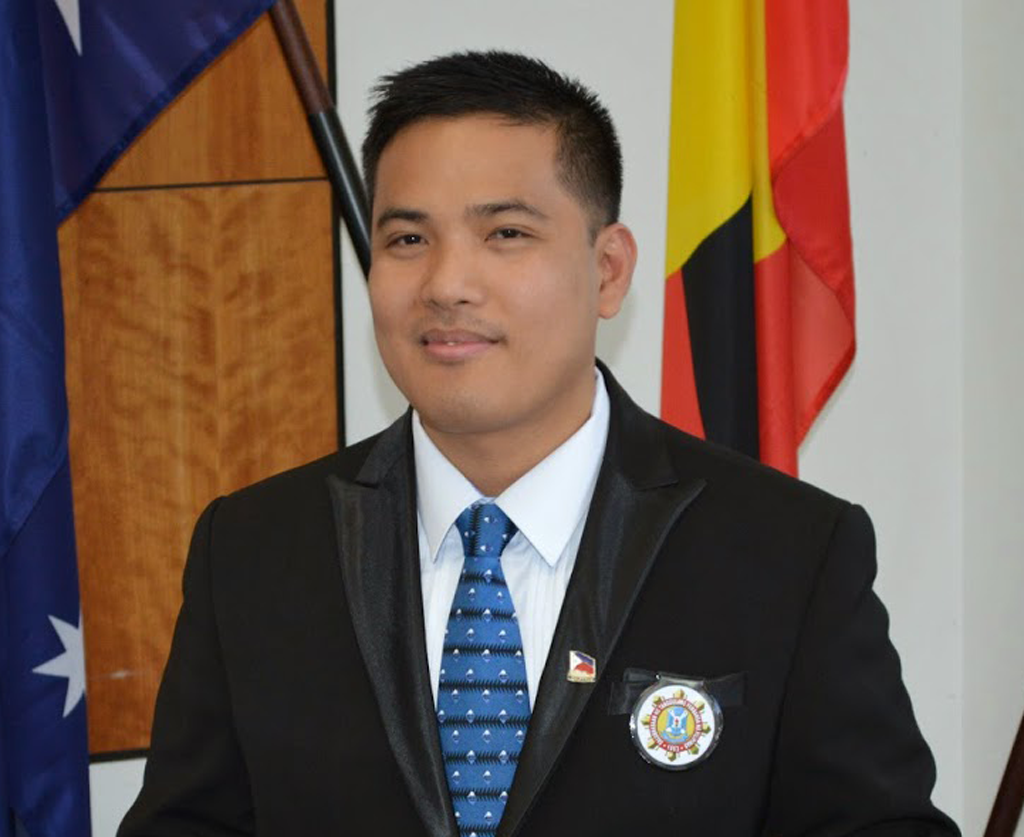
Sharing common aspirations
The first-ever four-way meeting of defense ministers from the United States, Japan, Australia, and the Philippines affirmed Manila's geographical importance and its expanding diplomatic and defense network in the region. All four countries share a desire for a rules-based maritime norm in the South China Sea and the Indo-Pacific.
In some respects, a second "Quad" could be expected, and while not comparable to India, the Philippines has its own place in the broader diplomatic alliances and military modernization. Washington, Tokyo, and Canberra are all supporting Manila in maritime defense and military modernization to shift toward external defense. There is significant potential for such a four-way alliance because the four countries share common foreign and security policies. The Philippines, representing Southeast Asia, would have an equal footing in various regional security agendas.
Dr. Chester B. Cabalza (Chairman of the International Development Research and Security Cooperation Organization, Philippines)
Efforts by the government of President Marcos Jr.
These four countries have cooperated bilaterally for some time. More recently, the administration of President Marcos Jr. has been working to strengthen security and investment ties with Japan, the United States, and Australia. This is a crucial factor in making a four-way alliance a possibility. And of course, China's actions in the South China Sea and the region are also significantly impacted.
Compared to the "Quad," this alliance, if formed, would differ both geographically and in its model. The "Quad" would not simply consist of treaty allies like the four countries of the United States, Australia, Japan, and the Philippines. And the scope of operations of this four-country alliance, if it were to materialize, would primarily revolve around the seas and exclusive economic zones of the Philippines.
Of course, aside from these differences, both the "Quad" and any alliance of four countries, if it exists, are driven by shared interests.
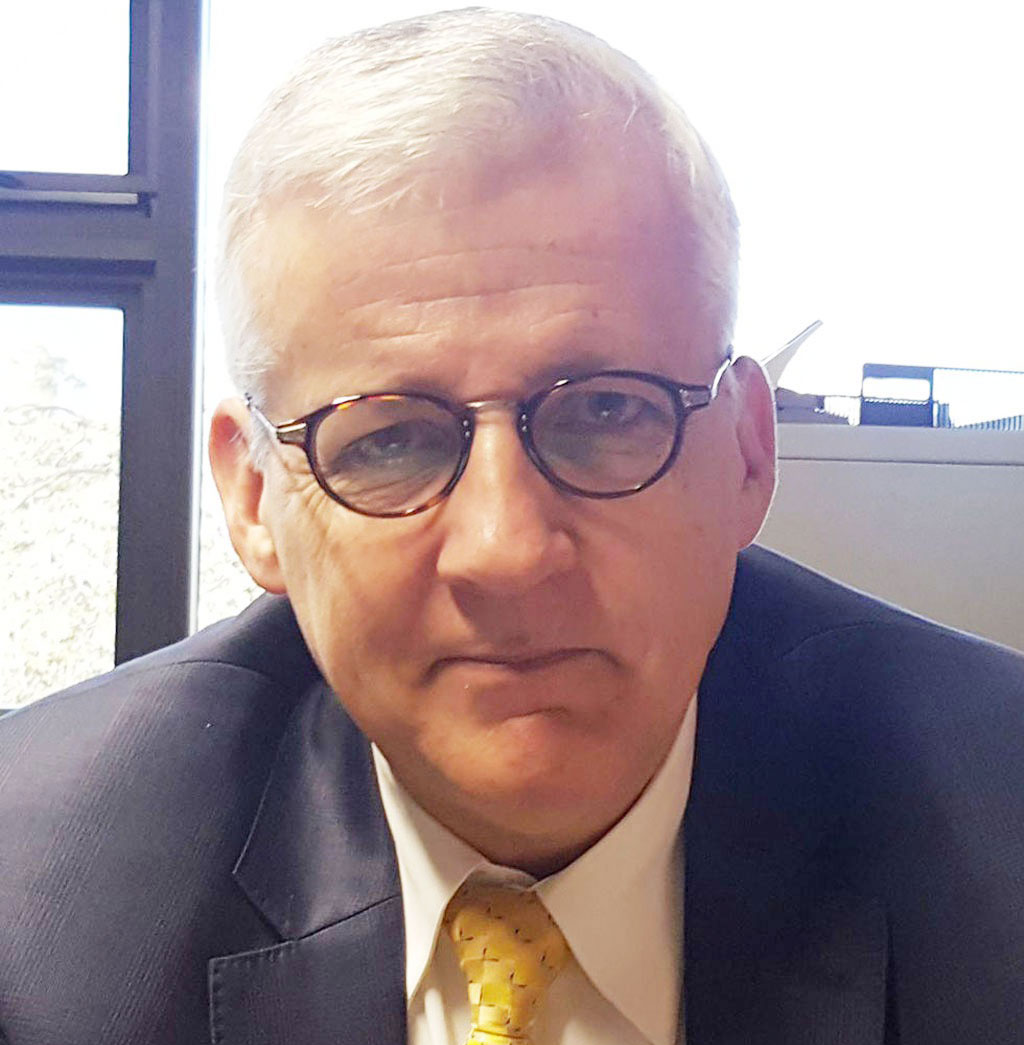
Professor John Blaxland (Centre for Defence and Strategic Studies, Australian National University)
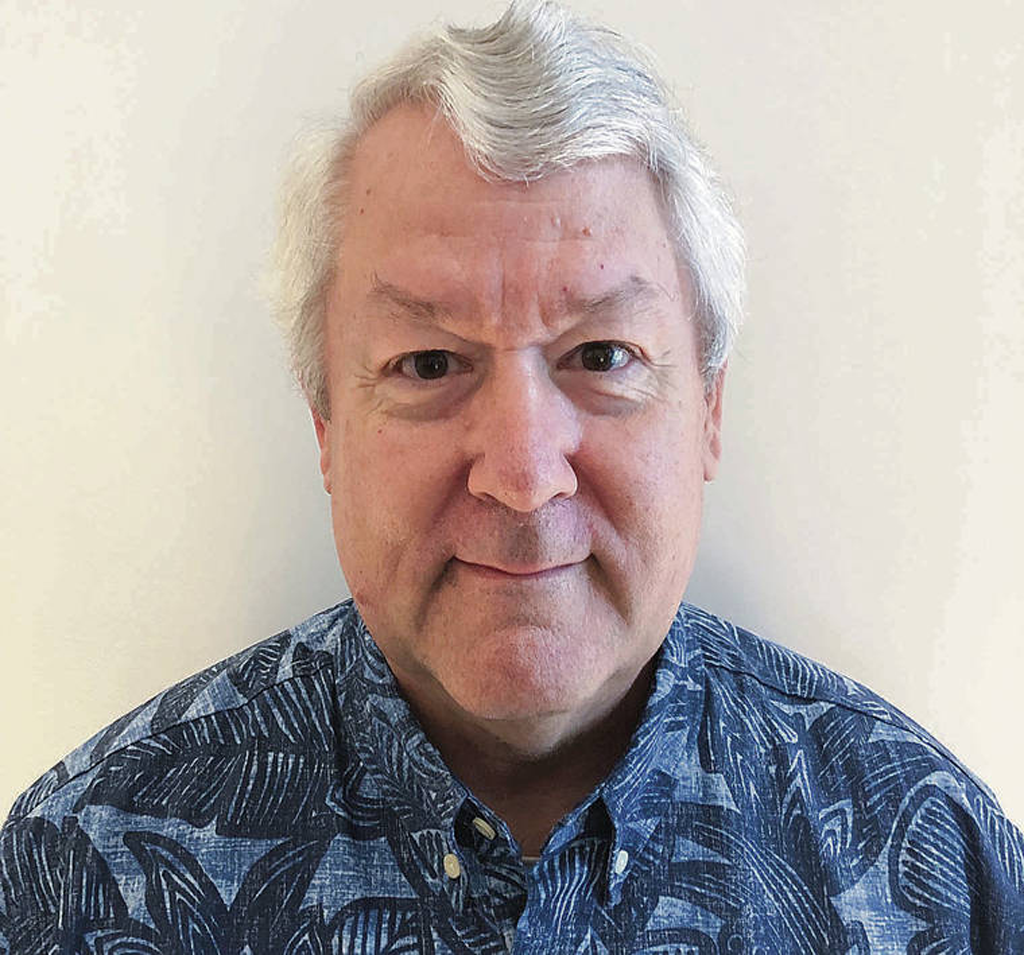
Strengthening deterrence capabilities
There is already an alliance between the US and the Philippines, but I think it would be difficult for Japan to join another formal alliance because the Japanese people would find it hard to agree. However, the reality is that the US, Japan, and the Philippines are expanding cooperation and military partnership to bolster deterrence against Chinese aggression, particularly in the South China Sea. This trilateral cooperation sends a message to Beijing that it faces increasing resistance.
Military exercises at sea involving the US, Japan, Australia, and the Philippines may soon take place. The participation of the Japan Air Self-Defense Force and the Japan Ground Self-Defense Force in exercises in the Philippines would be politically more complicated, but if China continues to escalate tensions, Tokyo may deploy the Air Self-Defense Force to participate in exercises with the US, Philippine, and Australian air forces in the Philippines in the near future. Tokyo may also deploy the Ground Self-Defense Force to participate in smaller-scale exercises if there is public consensus in Japan.
Beijing cannot be blamed for these developments. Both the Philippines and Australia are increasingly concerned about China. A general principle is that nations tend to cooperate to counter a common threat.
Former U.S. Navy Colonel Carl O. Schuster (former Director of Operations at the Joint Intelligence Center - U.S. Navy Pacific Command and currently teaching at the University of Hawaii Pacific)
The Philippines wants more "leverage".
The Philippines' participation in the trilateral defense cooperation between the US, Japan, and Australia under President Marcos Jr. reflects Manila's growing concerns about Beijing's behavior in the South China Sea. Marcos Jr. shifted his approach from his predecessor, moving away from appeasement towards Beijing and towards closer ties with Washington. From the perspective of the US and Japan, access to bases in the Philippines to facilitate remote operations also serves as a precaution against potential conflict in the region, particularly in the Taiwan Strait.
Manila is likely to seek military support from Washington, Tokyo, and Canberra to upgrade the Philippines' military capabilities, aiming to deter Beijing in territorial disputes but without provoking it. Typically, the Marcos Jr. administration has asserted that new U.S. access to Philippine bases cannot be used for offensive purposes, such as if conflict were to erupt in the Taiwan Strait. Using closer defense ties as leverage, President Marcos Jr. is attempting to negotiate a joint exploration agreement with China for resources in the South China Sea on terms more favorable to the Philippines.
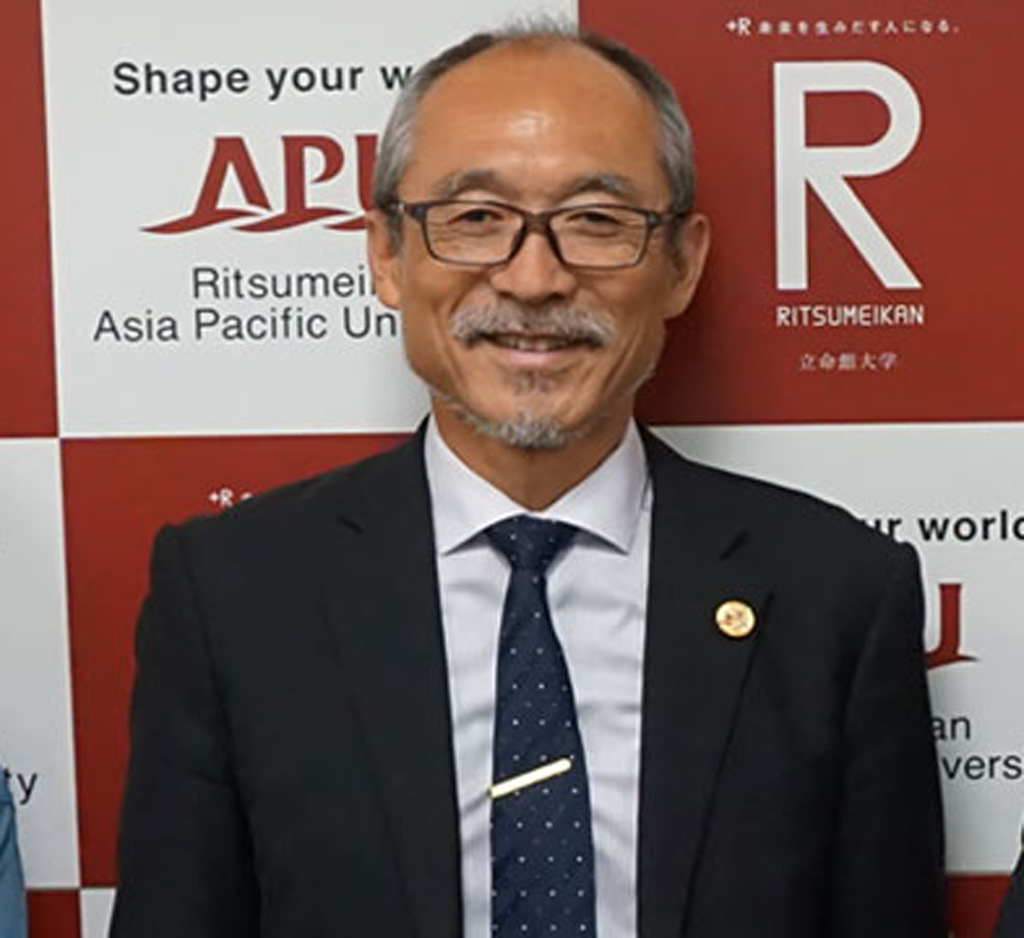
Professor Yoichiro Sato (Expert in international relations, Ritsumeikan University of Asia-Pacific, Japan; Senior Scholar at the Yusof Ishak Institute of Southeast Asian Studies, Singapore)
Source link


![[Image] National Assembly discusses the implementation of the socio-economic development plan.](https://vphoto.vietnam.vn/thumb/1200x675/vietnam/resource/IMAGE/2026/04/20/1776696707422_ndo_br_img-20260420-185419-jpg.webp)
![[Photo] General Secretary and President To Lam meets with National Assembly delegates from ethnic minorities.](https://vphoto.vietnam.vn/thumb/1200x675/vietnam/resource/IMAGE/2026/04/20/1776696701056_a1-bnd-8331-3342-jpg.webp)




























































Comment (0)