

On February 10th, Military Central Hospital 108 (Hospital 108) announced the successful completion of a multi-organ transplant from a brain-dead donor. The doctors successfully harvested and transplanted eight organs: heart, liver, kidney, kidney-pancreas, two arms, and two corneas.
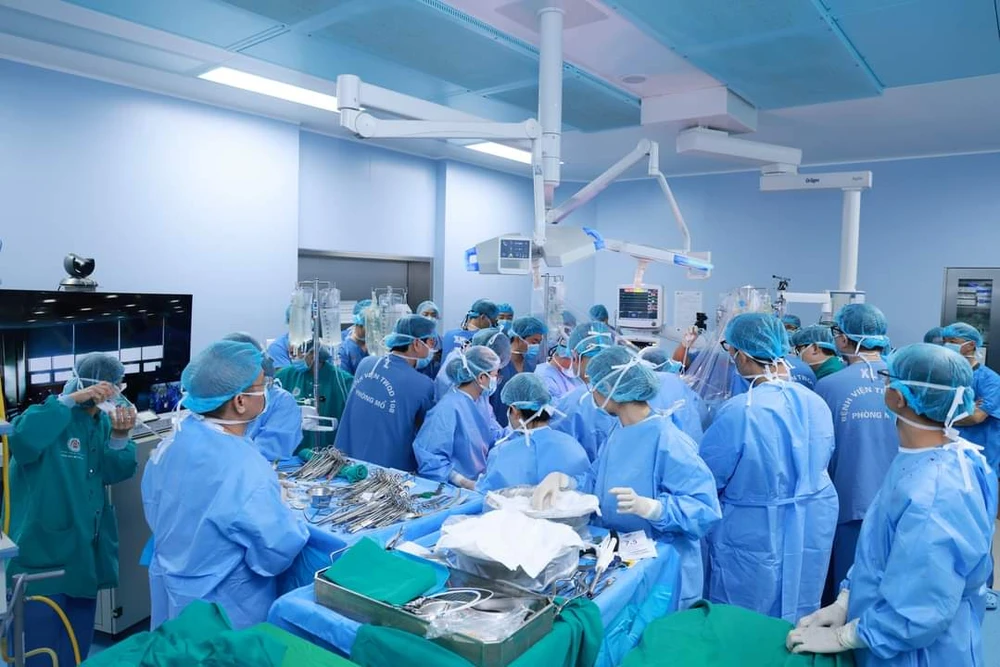
Notably, among the organs harvested and transplanted, two were performed for the first time at Military Hospital 108: heart transplantation and kidney-pancreas transplantation. Additionally, lungs were harvested and distributed to the National Lung Hospital for a lung transplant for a patient with severe lung damage.
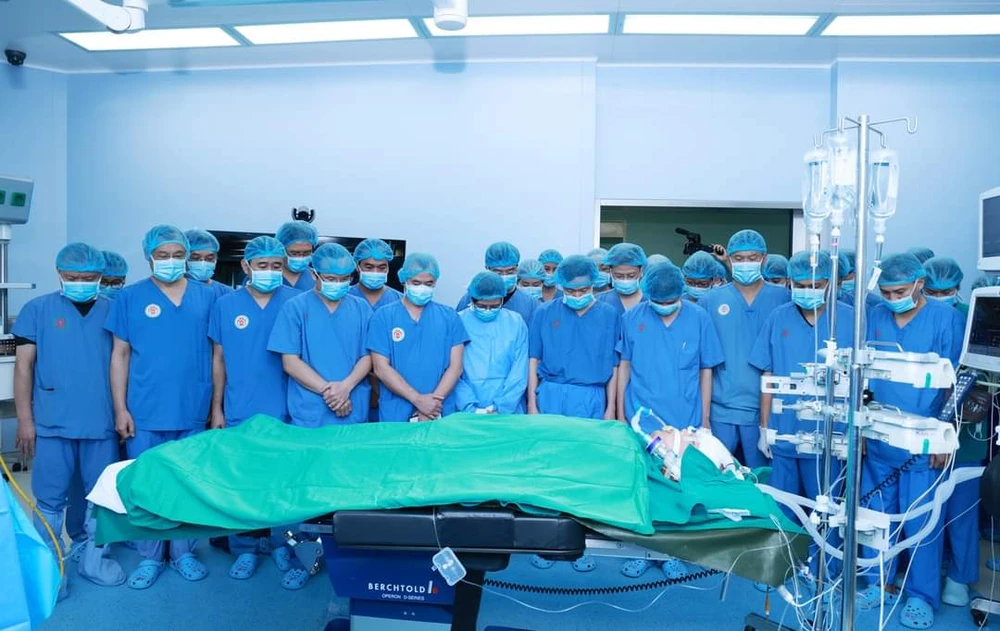
Major General Professor Dr. Le Huu Song, Director of Military Hospital 108, said that previously, the hospital received a 26-year-old male patient with severe traumatic brain injury due to a traffic accident. Doctors and nurses made every effort to treat and resuscitate him, hoping for a chance of survival, but unfortunately, luck was not on his side… After 3 days of treatment, the patient was diagnosed with brain death. After receiving information about the patient's condition and with a spirit of charity and humanity, the patient's family agreed to donate his tissues and organs to save the lives of many other critically ill patients.
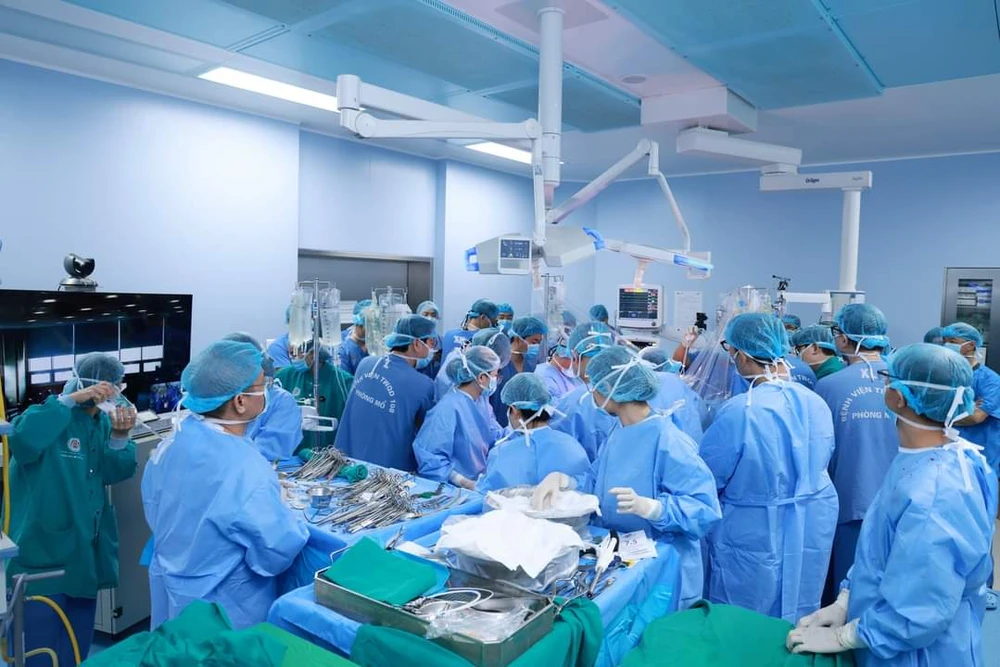
Immediately afterwards, on the evening of February 8th (the 29th day of the 12th lunar month), Military Hospital 108 urgently organized a consultation with leading experts to develop a plan for multi-tissue and organ transplantation that was safe, rigorous, scientific , and in strict compliance with regulations on tissue and organ transplantation.
Subsequently, over a period of approximately 11 hours, the hospital's doctors and medical staff successfully performed simultaneous multi-tissue and organ harvesting and transplantation for the patient. “For this major surgery, the hospital took complete control of the organization, coordination, and execution. The hospital mobilized over 150 staff members, including experts from various specialties, and personnel from organizational, coordination, logistics, equipment, information technology, and social work departments… to simultaneously harvest and transplant tissues and organs, including the heart, lungs, liver, kidneys, pancreas, limbs, and cornea, and meticulously organize the post-mortem care for the brain-dead patient who donated multiple tissues and organs,” shared Major General Professor Dr. Le Huu Song.
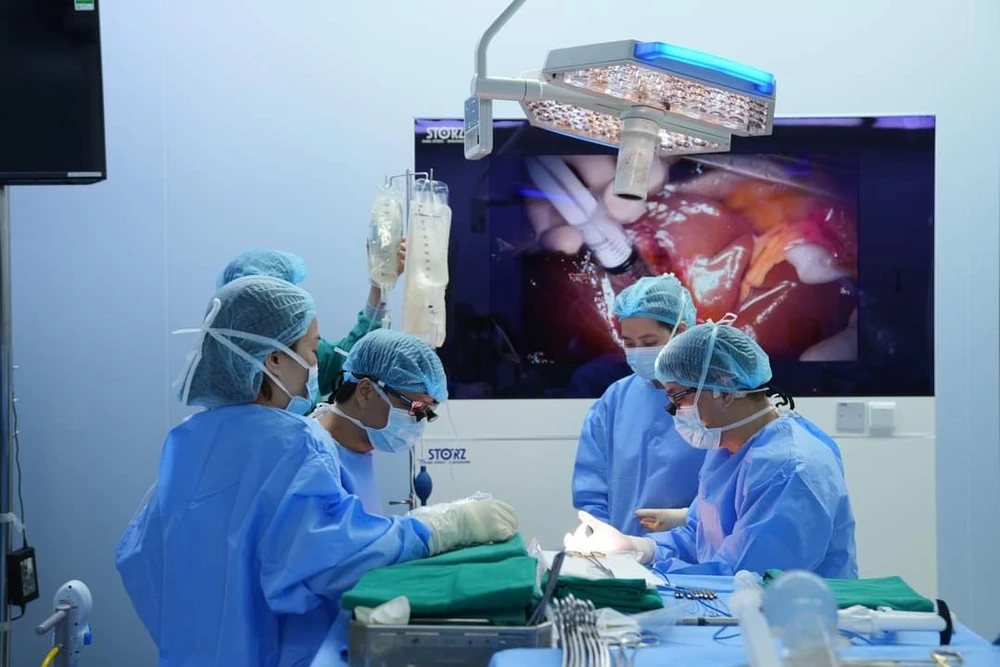
According to the leaders of Hospital 108, among the transplant cases, the simultaneous kidney-pancreas transplant is considered the most complex technique, requiring thorough assessment and preparation before transplantation regarding indications and compatibility between the donor and recipient. Any small mistake during pancreatic surgery can have a significant impact on other organs and endanger the recipient.
In particular, the patient had to undergo a very complex post-operative process with many potential risks and complications. However, to prepare for this transplant, the units within Hospital 108 coordinated closely, making the best possible preparations for both the donor and the recipient. The kidney and pancreas recipient has been continuously treated and monitored at the hospital for over a year now, ensuring they are always ready for transplantation when a donor becomes available.
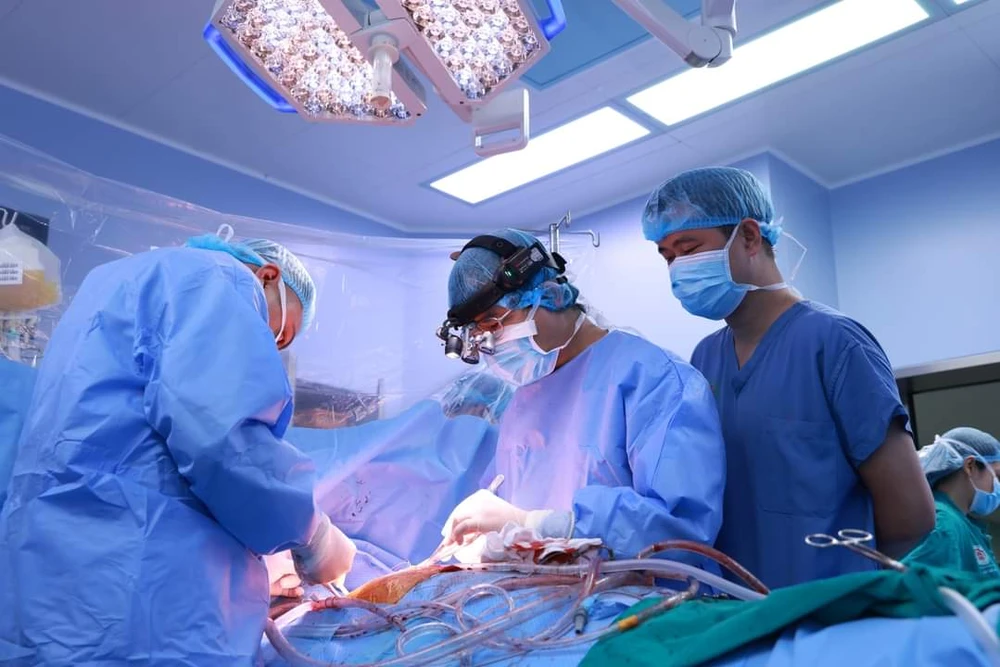
On the afternoon of the 30th day of the Lunar New Year, the first heartbeats of the heart recipients were detected on the continuous monitoring screen, along with other tissues and organs gradually reviving in the bodies of patients receiving liver, kidney, kidney-pancreas, and limb transplants, amidst the joy and happiness of the doctors... "This may be a once-in-a-lifetime Lunar New Year's Eve for a doctor at Military Hospital 108 like me, ending the old year to usher in a new one, beginning with many lives being reborn," Major General Associate Professor Dr. Pham Nguyen Son, former Deputy Director of Military Hospital 108, emotionally expressed.
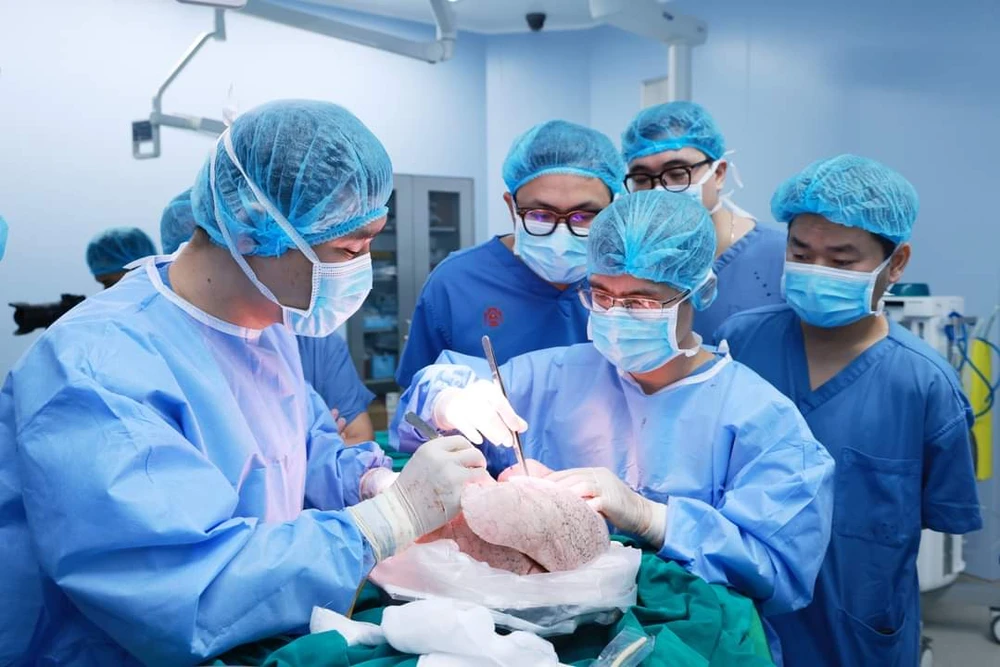
Meanwhile, regarding the lung transplant patient, the head of the Central Lung Hospital stated that this was a young patient with a rare disease, severely damaged both lungs, and a poor prognosis. However, after 6 hours, the complete double lung transplant was successfully completed. On the night of the 30th of Tet (Lunar New Year's Eve), the patient regained consciousness and no longer needed the extracorporeal membrane oxygenation (ECMO) system. By the 1st day of Tet 2024, the patient was weaned off the ventilator, alert, and able to talk to the doctors and nurses, much to the overwhelming joy of the medical staff and the patient's family.
NGUYEN QUOC
Source
































































Comment (0)