


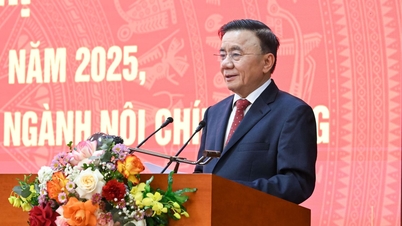
Mr. Le Khanh Luong, Director of the Gender Equality Department (Ministry of Labour, Invalids and Social Affairs), delivered a speech at the workshop.
Women and girls are 2.6 times more likely to be harassed than men and boys.
The survey was conducted online from June 9th to June 23rd, 2023, with 4,570 participants. Of these, women and girls accounted for 73.0%; men and boys accounted for 25.2%; and LGBTI participants accounted for 1.4%.
The survey results show that 87.6% of women and girls surveyed feel safe when traveling in public places. Compared to the 2021 survey, the percentage of women and girls feeling safe when traveling in public places tended to increase from 77.1% in 2021 to 87.6% in 2023. However, 12.4% of women and girls still feel unsafe when traveling in public places, mainly concentrated in mountainous and rural areas. Specifically, 18.5% of women and girls living in mountainous and rural areas feel unsafe when traveling in public places; while this rate is 10.6% in urban areas and 5.6% in island areas. The reasons women and girls feel unsafe are fear of robbery, theft, accidents, sexual assault, harassment, and kidnapping.
The percentage of women and girls who fear being sexually assaulted or harassed is 44.3%, 1.8 times higher than that of men and boys. Meanwhile, the percentage of women and girls who fear being kidnapped is 23.7%, 1.6 times higher than that of men and boys.
The survey results also showed that over 90% of women and girls feel safe using public transportation (an increase of 16.3 percentage points compared to 2021 (73.7%)). However, 9.9% of women and girls still feel unsafe using public transportation. Among them, young women aged 18 to under 30 and women and girls living in mountainous areas are the two groups with the highest rates of feeling unsafe using public transportation.
Coach buses and coaches are the public transportation methods that women and girls feel most unsafe with, accounting for 77.1%; followed by city buses at 59.8% and motorbike taxis at 46.9%. Up to 59.2% of women and girls believe they are 2.6 times more likely to experience harassment/teasing/violence on public transportation than men and boys.
The survey also revealed that over 30% of women and girls feel unsafe in certain public places where they live. The three public places where women and girls feel most unsafe are bus stations, train stations, ferry terminals, and bus shelters, accounting for 60.9%; followed by public restrooms (43.6%); and finally, streets and sidewalks (38.2%). These locations are prone to theft, harassment, teasing, and accidents.
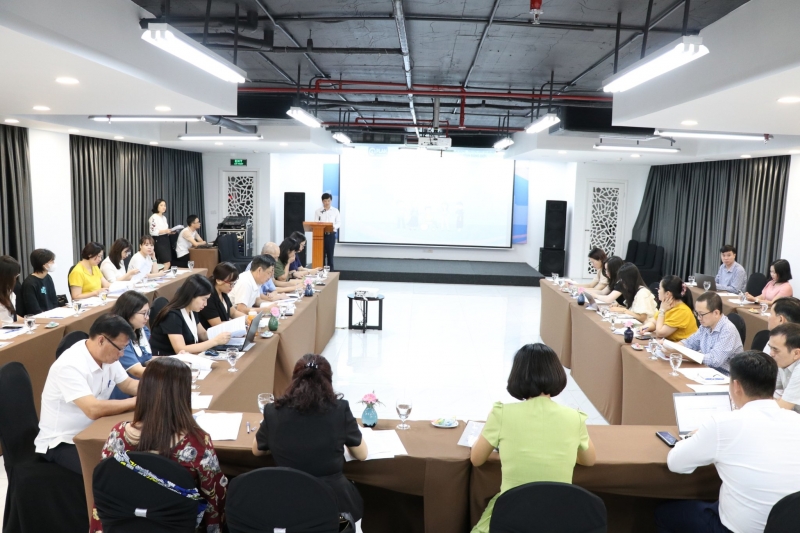
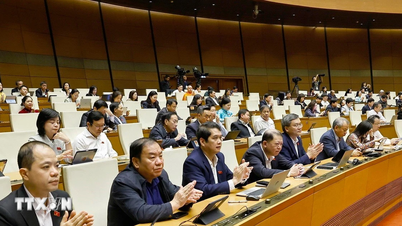
Overview of the Conference.
29.7% of victims of sexual harassment in public places choose to remain silent and endure it.
Up to 18.8% of survey participants reported having experienced or witnessed sexual harassment in public places or on public transport. The three most common forms of sexual harassment against women and girls were: exposure of genitals, being stared at, and intentional touching or groping. Streets, sidewalks, parks, playgrounds, buses, and public transport were the most frequent locations for sexual harassment. The majority of perpetrators of public sexual harassment were male, accounting for 92.3%. The most common reactions from victims were seeking help from others or walking away. However, 29.7% of victims chose to remain silent and do nothing in the face of the perpetrator's sexual harassment. Notably, when women and girls who have experienced sexual harassment seek support, 2.7% respond by "blaming the victim."
Speaking at the workshop, Mr. Le Khanh Luong, Director of the Gender Equality Department (Ministry of Labour, Invalids and Social Affairs), said that to minimize gender-based violence, the Prime Minister has approved the Project/Program for preventing and responding to gender-based violence for the periods 2016-2020 and 2021-2025. Accordingly, the Ministry of Labour, Invalids and Social Affairs is responsible for guiding the pilot implementation of several models, including the Safe and Friendly City model for women and girls, in order to refine guiding documents and apply them widely nationwide.
To collect information and data for research and the development of solutions to effectively implement prevention and response to gender-based violence in general, and the model of safe and women-friendly cities in particular, the Gender Equality Department collaborated with Plan International Vietnam to conduct an online survey on the safety of women and girls in public places during 2022 and 2023. This survey focused on understanding the current state of public safety; the issue of sexual harassment in public places; and seeking assistance for victims of violence and harassment in public places.
The survey results show that the safety of women and girls in public spaces has improved significantly through the implementation of socio -economic development policies and programs. However, a closer look at several aspects reveals that authorities at both the central and local levels need to continue their efforts to more effectively ensure the safety of the general public, and especially women and girls, when participating in public activities.
Source link























![[Photo] Prime Minister Pham Minh Chinh holds a phone call with the CEO of Russia's Rosatom Corporation.](/_next/image?url=https%3A%2F%2Fvphoto.vietnam.vn%2Fthumb%2F1200x675%2Fvietnam%2Fresource%2FIMAGE%2F2025%2F12%2F11%2F1765464552365_dsc-5295-jpg.webp&w=3840&q=75)














































Comment (0)