

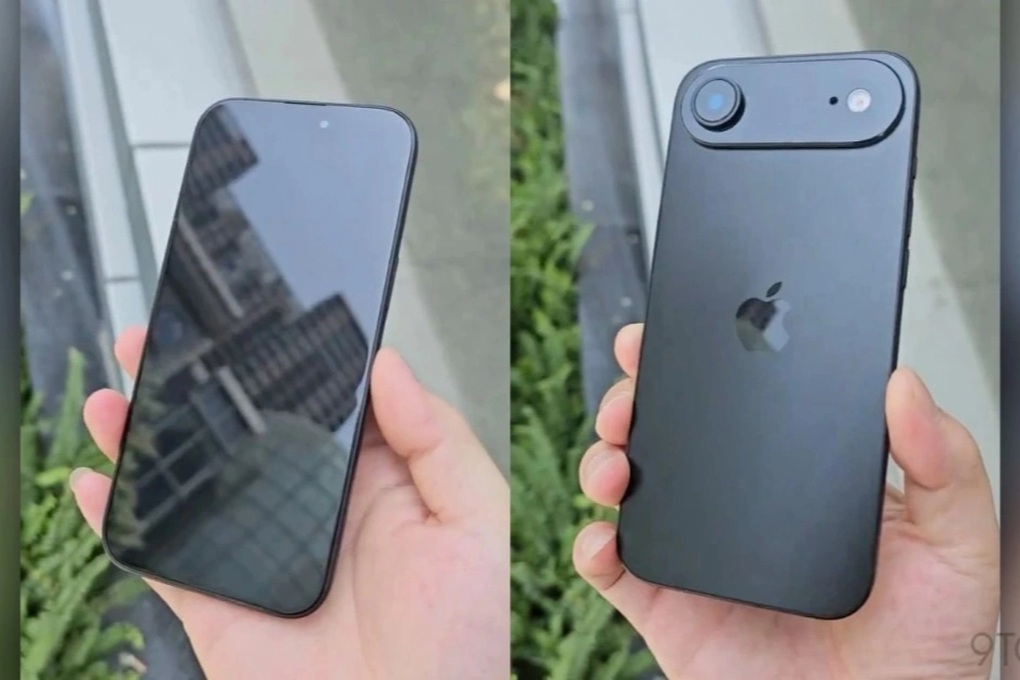
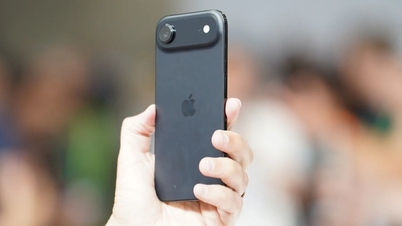
The iPhone 17 Air is expected to sacrifice many features in exchange for a thinner design (Image: 9ToMac).
This product is rumored to have a revolutionary ultra-thin design, which could be the biggest boost for the iPhone line in years.
However, behind the glamour lies a host of obstacles, from compromises in features and inflated prices to pressure from a volatile market.
With Apple's annual event scheduled for September 9th, the focus of attention will be the launch of the iPhone 17 Air.
According to Bloomberg expert Mark Gurman (known for his many reliable technology sources), this completely new version of the Air will bring about a design overhaul, promising to create a noticeable difference and spur a strong upgrade cycle.
However, the path to success for this flagship product was far from smooth.
iPhone 17 Air: A "slightly risky" gamble?
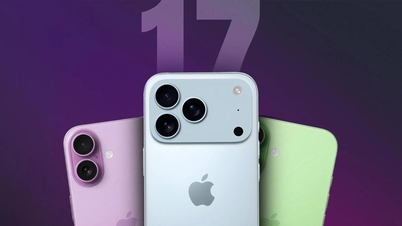
The biggest highlight of the iPhone 17 Air is said to be its thinner design, approximately 2mm thinner than current versions. This may not sound like much, but it's a significant change, enough to create a fresh and premium feel for long-time users.
However, this ultra-thin design comes with significant trade-offs.
The Air version is predicted to have only a single camera, instead of two on the standard version and three on the Pro models. This could be a major drawback for users who value photography capabilities and optical zoom.
In addition, a thinner frame means a smaller battery capacity. Apple will have to rely heavily on software optimization to ensure that battery life is not affected.
Notably, Apple is reportedly planning to increase prices across its entire product line. The iPhone 17 Air, the replacement for the iPhone Plus ($899), could cost between $949 and $999. Meanwhile, the Pro and Pro Max versions will also see a price increase of approximately $50.
Wall Street reacted with mixed opinions.
Despite these concerns, some analysts remain optimistic. Gene Munster from Deepwater Asset Management believes that Apple will see a solid upgrade cycle.
"About 80% of sales will come from users looking to upgrade," he told Yahoo Finance.
"For them, the issue isn't comparing features year after year, but comparing it to their four-year-old phone. In fact, they're comparing an iPhone 13 to an iPhone 17, and that's a huge leap," he said.
However, not everyone agrees. Wamsi Mohan of BofA Global Research argues that the slim and lightweight design may not be enough to create the same big impact as previous design changes. Similarly, Brandon Nispel from KeyBanc Capital Markets is skeptical, suggesting that the Air model may not be a major sales breakthrough.
"Headwinds" from the market
Beyond the inherent challenges of its products, Apple also faces pressure from the global market. Nabila Popal, research director at IDC, points out that smartphone sales in China – one of Apple's key markets – are projected to decline in the second half of the year.
This, combined with other factors, could hinder the growth momentum of the iPhone 17.
Nevertheless, there's a strong reason to believe in the success of the iPhone 17: A large number of users purchased iPhones during the peak of the pandemic. In 2021, iPhone sales grew by 39%, creating an army of potential customers who are now ready to upgrade.
Will the groundbreaking design of the iPhone 17 Air be enough to convince users to overlook its camera shortcomings and price? The answer will soon be revealed when the first units are expected to hit shelves later this month.
Source: https://dantri.com.vn/cong-nghe/iphone-17-sap-ra-mat-giua-ky-vong-lon-va-loat-thu-thach-chong-gai-20250905104440034.htm


![[Photo] Prime Minister Pham Minh Chinh holds a phone call with the CEO of Russia's Rosatom Corporation.](/_next/image?url=https%3A%2F%2Fvphoto.vietnam.vn%2Fthumb%2F1200x675%2Fvietnam%2Fresource%2FIMAGE%2F2025%2F12%2F11%2F1765464552365_dsc-5295-jpg.webp&w=3840&q=75)


![[Photo] Closing Ceremony of the 10th Session of the 15th National Assembly](/_next/image?url=https%3A%2F%2Fvphoto.vietnam.vn%2Fthumb%2F1200x675%2Fvietnam%2Fresource%2FIMAGE%2F2025%2F12%2F11%2F1765448959967_image-1437-jpg.webp&w=3840&q=75)







































![[OFFICIAL] MISA GROUP ANNOUNCES ITS PIONEERING BRAND POSITIONING IN BUILDING AGENTIC AI FOR BUSINESSES, HOUSEHOLDS, AND THE GOVERNMENT](https://vphoto.vietnam.vn/thumb/402x226/vietnam/resource/IMAGE/2025/12/11/1765444754256_agentic-ai_postfb-scaled.png)












































Comment (0)