

Jeonju, a cultural heritage city located in southwestern South Korea, is a place where long-standing traditions and culinary excellence intertwine. Especially in autumn, the city is bathed in vibrant red and yellow foliage, and the warm aroma of bibimbap wafts from the traditional Jeonju Hanok Village.
1. Jeonju Bibimbap – More than just a popular dish in Korea
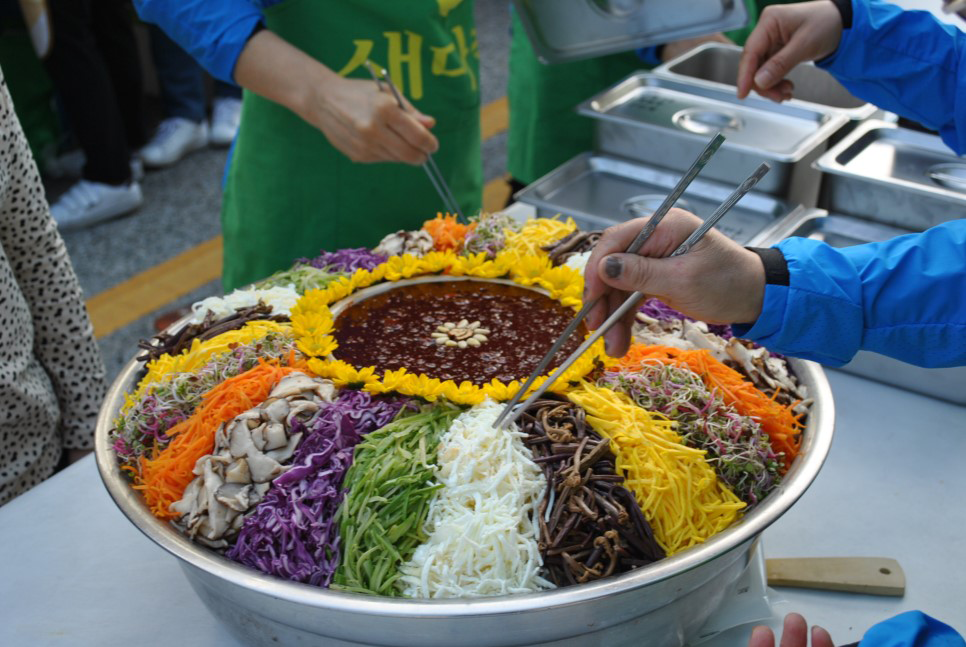
"Bibimbap" in Korean means "mixed rice," but this dish has more than just a simple definition. (Image: Collected)
What to eat in Korea in autumn? Jeonju Bibimbap, dubbed the "soul of Korean cuisine," consists of white rice, egg, beef, seasonal vegetables, Gochujang chili paste... all arranged meticulously like a work of art. Each ingredient has a color symbolizing the five elements and is carefully selected according to the season, following the Eastern philosophy of "eating to heal."
Jeonju is where this dish originated and perfected. And the Bibimbap Festival is a great opportunity to fully explore the meaning, preparation, and original flavor of this special dish.
2. What's in store for the Jeonju Bibimbap Festival 2025?
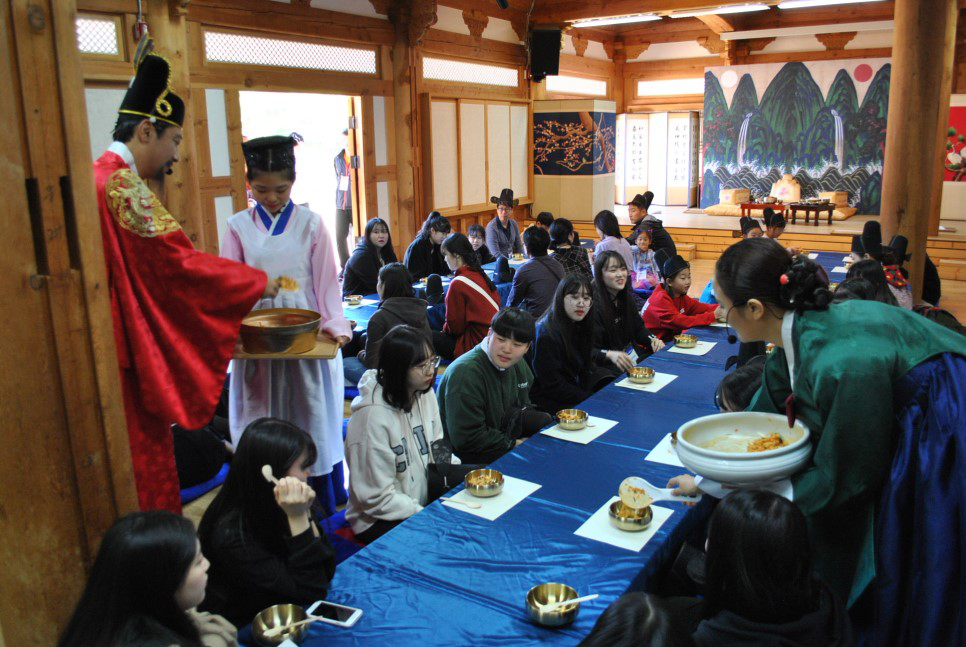
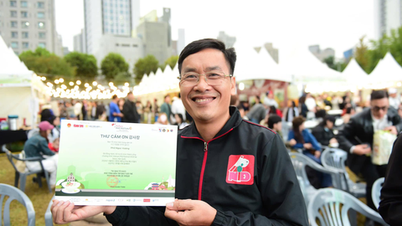
The lively atmosphere at the Jeonju Bibimbap Festival – where food, culture, and community blend together amidst the autumn colors of Korea. (Photo: Collected)
The festival is not just a culinary event, but also an emotionally rich cultural journey, with dozens of activities taking place in the Jeonju Hanok Village area:
Bibimbap Showroom
This exhibition showcases a wide range of Bibimbap variations throughout history: from royal court to folk cuisine, from traditional to modern. It's here you'll understand why this dish is recognized by UNESCO as part of the Korean culinary heritage.
Cooking Class and Bibimbap Master Workshop
You will learn how to prepare traditional Bibimbap under the guidance of local chefs and take home the secret to making this "everyone's favorite" dish.
Local Food Market
From homemade kimchi and handcrafted soy sauce to traditional snacks like tteok and yakgwa… Get ready to devour every stall with an empty stomach!
Performance of folk art and culture
Enjoying mask dances, pansori singing, or immersing yourself in folk games like rice sack throwing and traditional tug-of-war... brings the true festive atmosphere of Korean autumn.
3. How to get to Jeonju and travel tips for Jeonju, South Korea during the festival season.
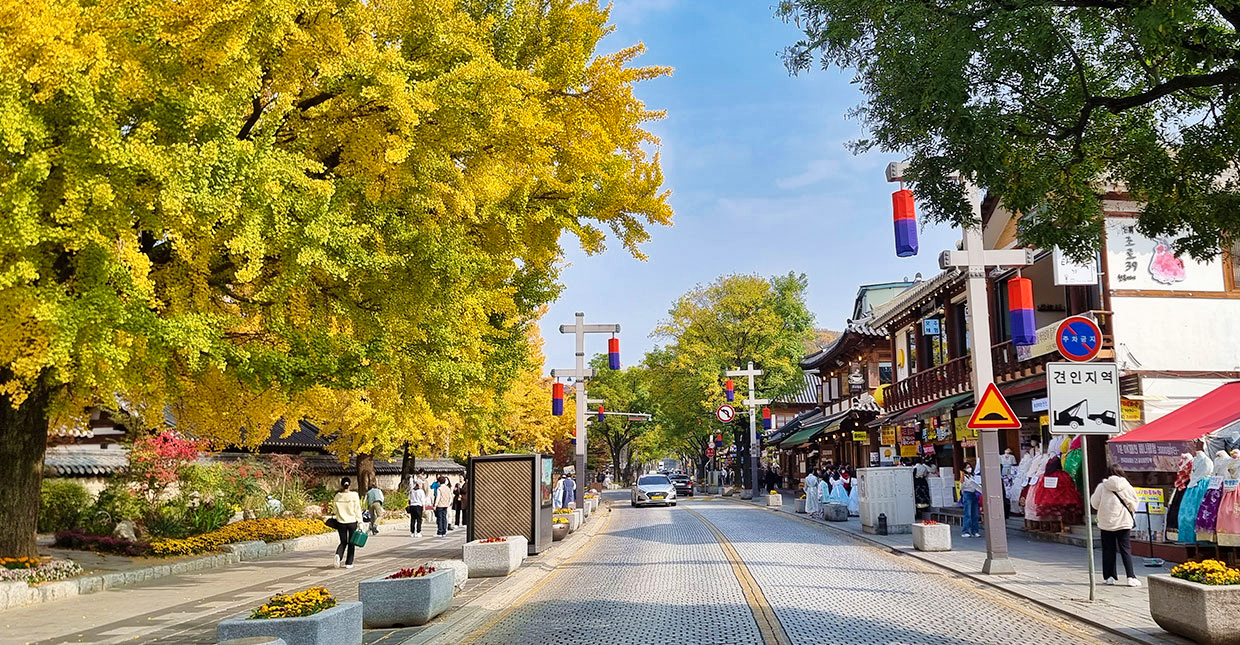
The KTX train glides through fields of red leaves, taking you straight to Jeonju – where autumn begins with a steaming bowl of Bibimbap. (Photo: Collected)
Travel to Jeonju
- From Seoul : You can take the KTX train from Yongsan Station to Jeonju (approximately 1.5–2 hours).
- From Busan : SRT train or intercity bus
Where to stay?
We suggest a Hanok Stay experience – sleeping in a traditional Korean house in an old village, close to festivals and enjoying the cozy autumn atmosphere.
Helpful tips for attending festivals
- Go early in the morning (before 10 am) to avoid the crowds and to easily take beautiful photos.
- Bring small change to make buying food easier, as many stalls don't accept cards.
- Wear comfortable clothing; you can rent a hanbok if you want to take special photos.
Jeonju in autumn isn't as bustling as Seoul, nor as noisy as Busan, but it's gentle, rich, and profound enough to leave a lasting impression. The bibimbap here is not just a blend of ingredients, but also a fusion of culture, memories, and people.
If you're looking for a place to truly experience autumn – Jeonju is the perfect destination. Don't let the festival season pass you by in other people's stories; experience the delicious flavors, the colors of autumn, and the warmth of Korean culture for yourself at the Jeonju Bibimbap Festival 2025 !
Source: https://www.vietravel.com/vn/am-thuc-kham-pha/jeonju-bibimbap-festival-2025-le-hoi-am-thuc-han-quoc-mua-thu-v17777.aspx


![[Photo] Explore the US Navy's USS Robert Smalls warship](/_next/image?url=https%3A%2F%2Fvphoto.vietnam.vn%2Fthumb%2F1200x675%2Fvietnam%2Fresource%2FIMAGE%2F2025%2F12%2F10%2F1765341533272_11212121-8303-jpg.webp&w=3840&q=75)


































































Comment (0)