

Around the world , many countries have digitized their heritage to protect it from war, natural disasters and urbanization. From the Zamani project in South Africa to the Open Heritage initiative of CyArk - Google or 3D models of Pompeii, technology is becoming an important tool to preserve the fragile remains of humanity. Vietnam has also started this journey through the cultural heritage digitization program for the period 2021 - 2030.
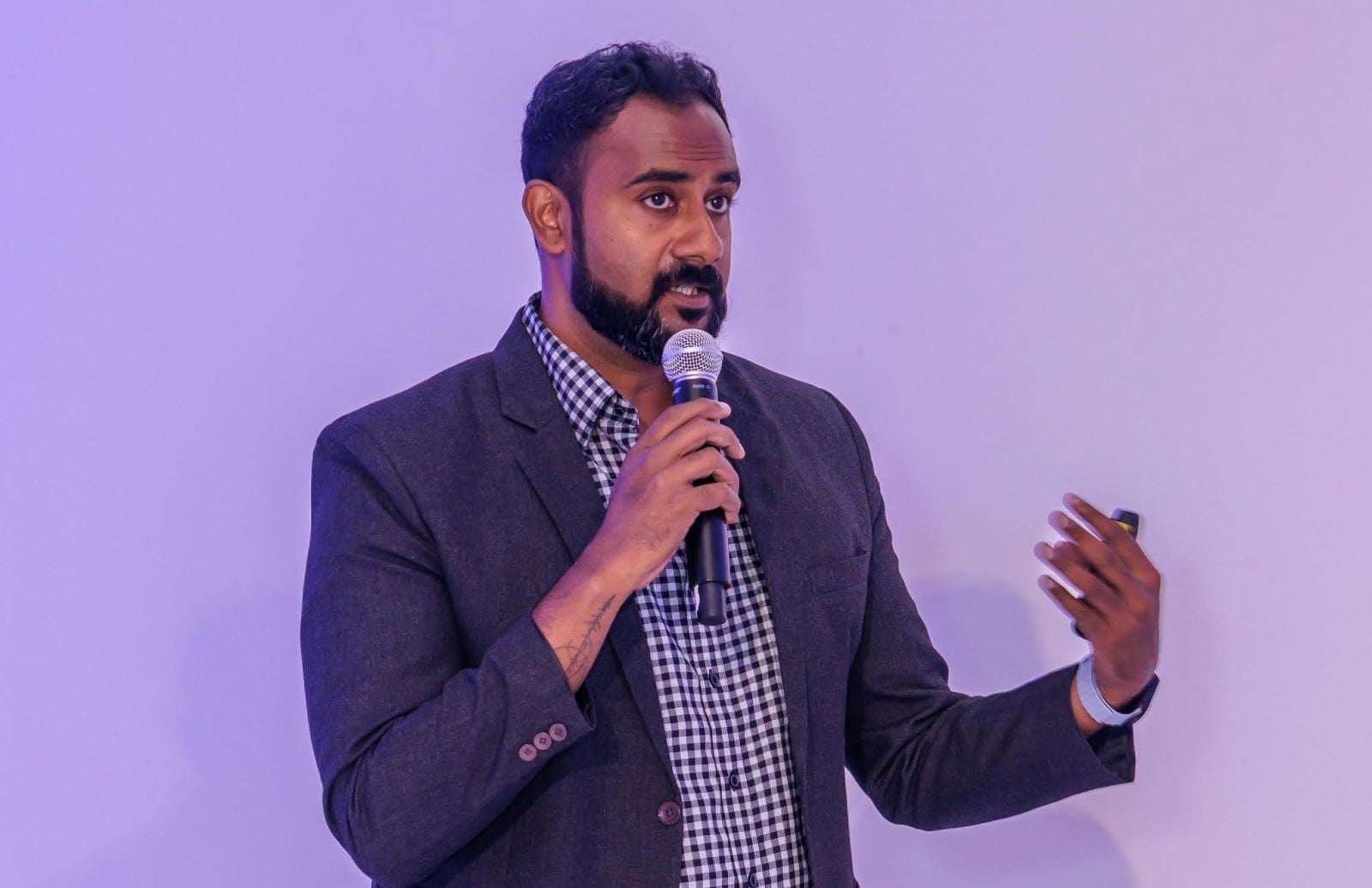
According to Dr. Surendheran Kaliyaperumal, lecturer in Digital Media at RMIT Vietnam, the rapid pace of development makes it easy for many places associated with community memories to be erased, especially those not on the conservation list. He believes that digitalization is important and urgent for a country with a rich heritage like Vietnam.
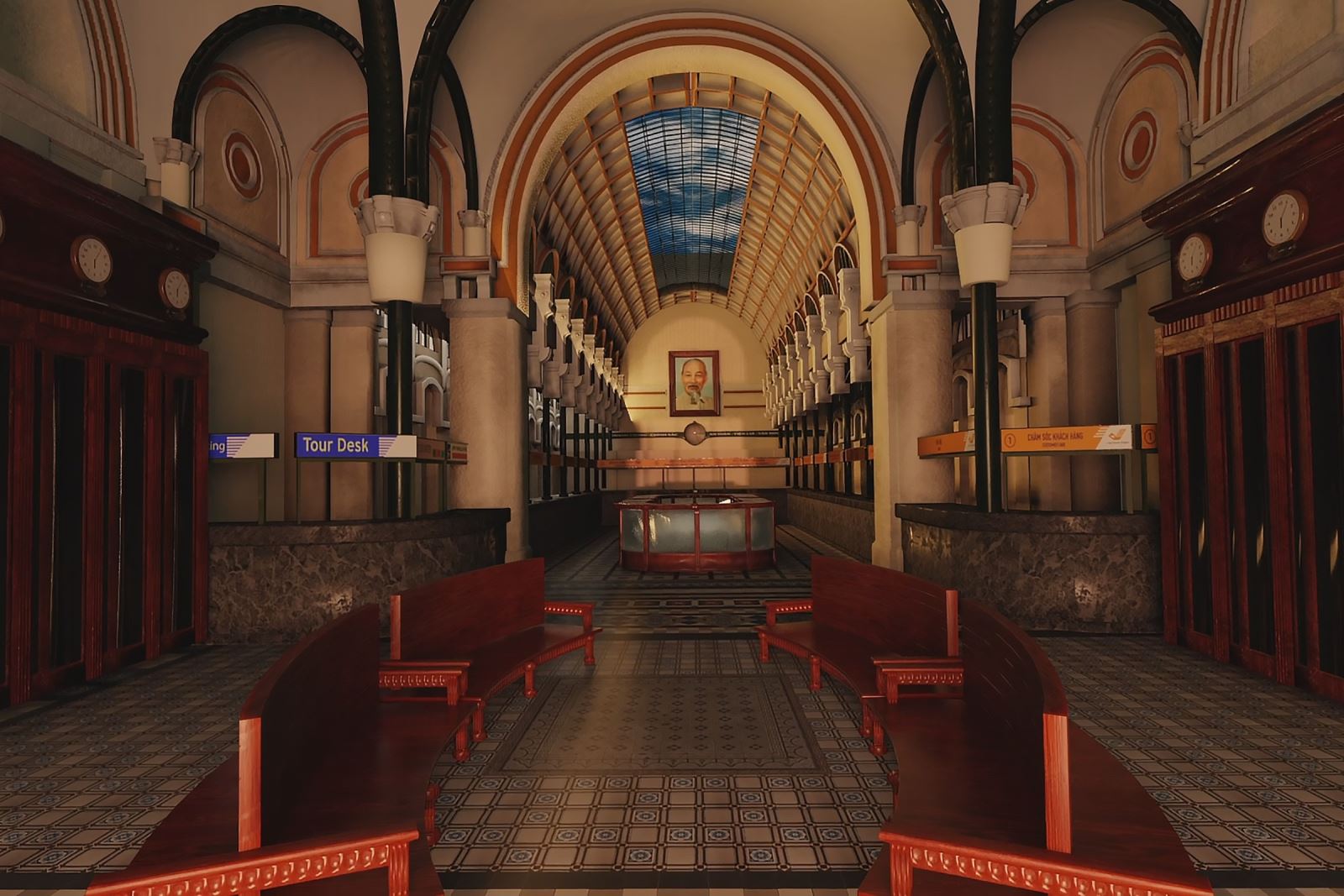
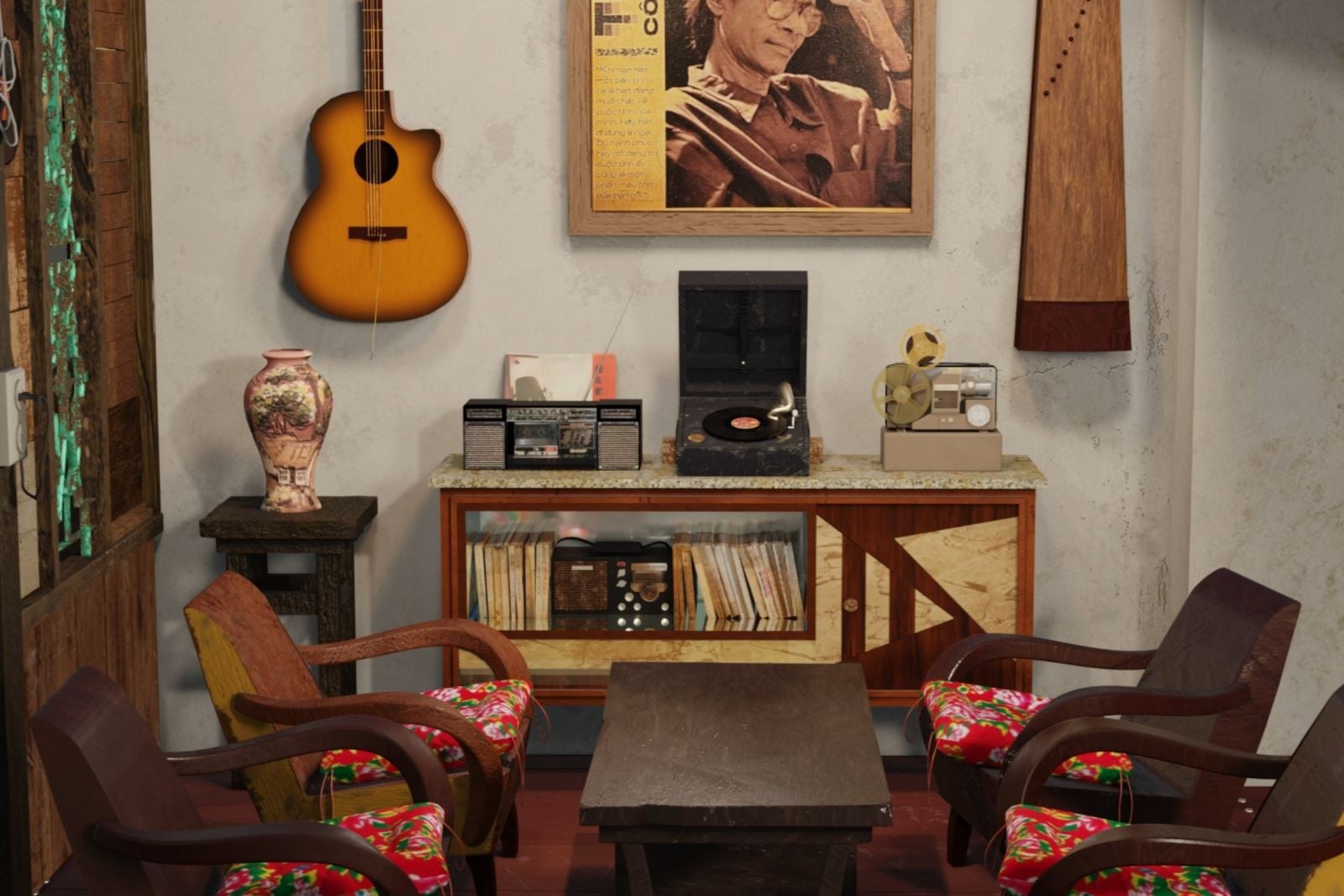
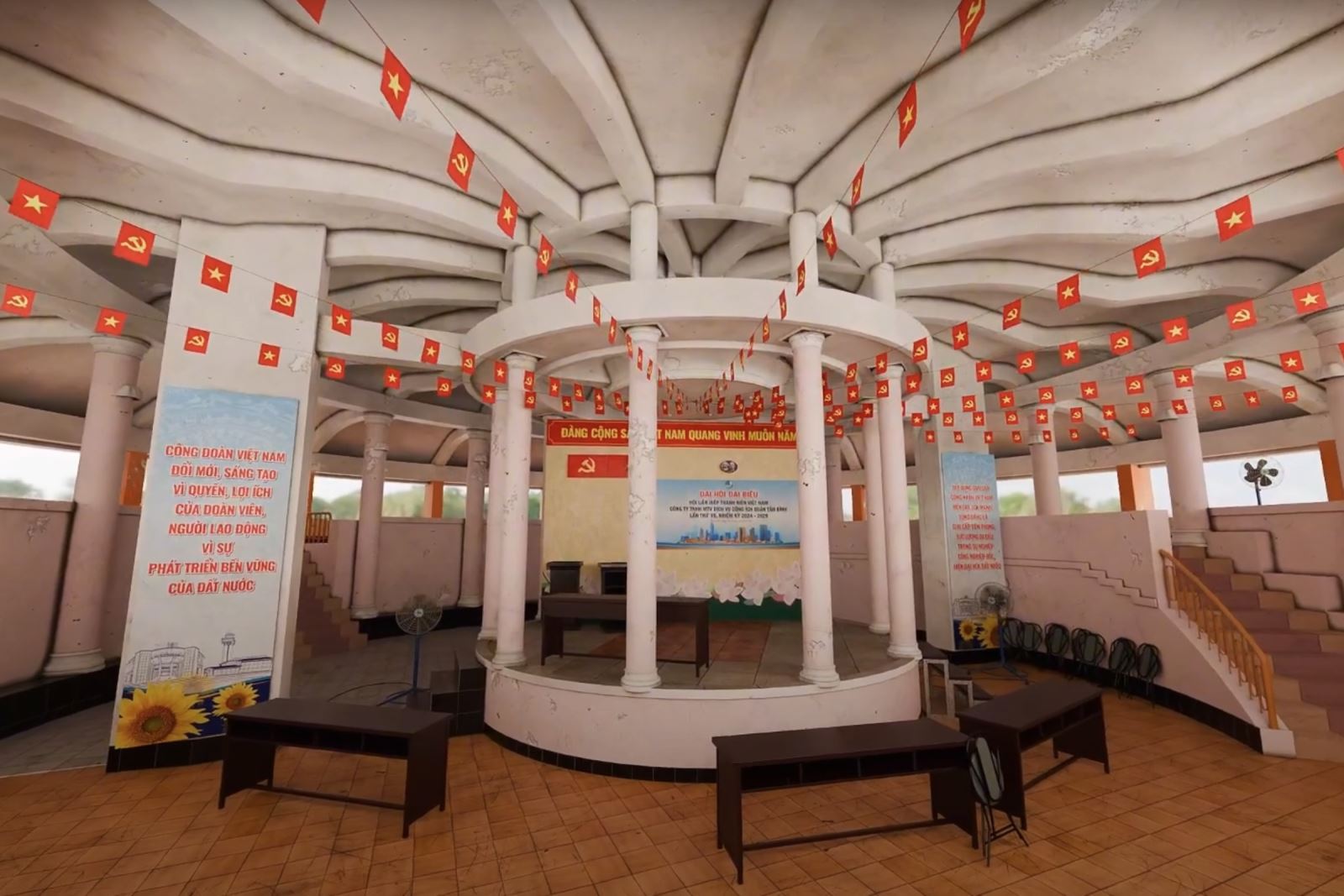
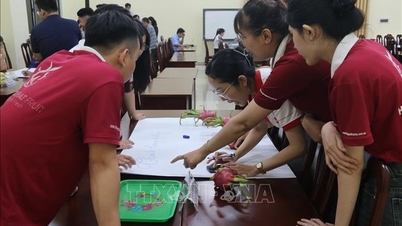
During his three years of teaching the Fundamentals of Creative 3D Design course, he used a method of having students choose a real location, from a monument, a park to a local restaurant, and reconstruct it using 3D Blender software. To date, more than 100 locations have been simulated, of which about 65 models are of archival quality.
One student said he had been attached to the restaurant since 7th grade, but that place no longer exists. The restoration project helps “keep the memory of the restaurant alive.” This evidence shows that heritage is not only about large buildings but also about familiar spaces and everyday stories.
The impact of the course goes beyond the technical. Many students who started out just wanting to “learn Blender” say by the end of the semester, “I want to save my grandmother’s house,” or “Now I understand the story behind the building I pass by every day.” These changes, according to Dr. Surendheran, have led to students gaining a greater understanding of culture, developing their storytelling skills, and developing a sense of appreciation for heritage.
The students’ models were also showcased at the school’s exhibition and at “Experience Day”, where parents saw their cultural memories in digital form for the first time. Many expressed their emotion because they had never thought that a memory could be preserved in this way.
The foundation of this approach is regenerative design, which aims to create products that provide more value than they consume. In education , this means that assignments do not end when they are submitted, but continue to be archived, developed, or shared widely.
According to Dr. Surendheran, the rebirth exercise “continues to exist,” helping students change their perspective on the role of design. Each course inherits the previous course’s archive, correcting incomplete models and adding new works. This is a continuous cycle, reflecting the spirit of cultural preservation.
This approach is also in line with the global trend where digital heritage is increasingly linked to creative industries such as AR, VR, immersive storytelling or cultural tourism. According to Dr. Surendheran, Vietnam is well-positioned to enter this orbit thanks to its young creative force and increasingly open access to digital tools. “Digital heritage lies at the intersection of design, storytelling, tourism, education and technology,” said Mr. Surendheran.
Mr. Surendheran also envisions a future of an open national archive, where students, artists, and the community work together to build a “digital map” of Vietnamese culture. Despite challenges in data and resources, he believes this model can inspire students to become “cultural guardians.”
Source: https://baotintuc.vn/giao-duc/khi-lop-hoc-tro-thanh-noi-phuc-dung-ky-uc-20251124101926129.htm


![[Photo] Cat Ba - Green island paradise](/_next/image?url=https%3A%2F%2Fvphoto.vietnam.vn%2Fthumb%2F1200x675%2Fvietnam%2Fresource%2FIMAGE%2F2025%2F12%2F04%2F1764821844074_ndo_br_1-dcbthienduongxanh638-jpg.webp&w=3840&q=75)

































































Comment (0)