

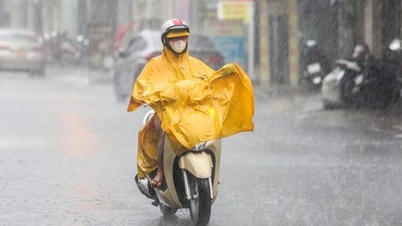
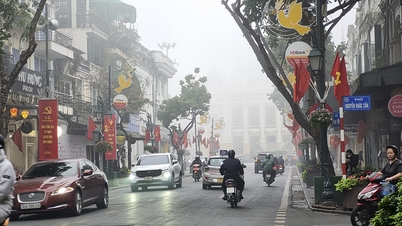
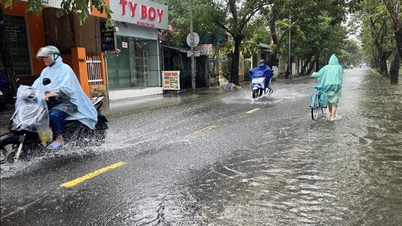
In March, cold air masses tend to shift eastward and undergo changes, causing many days of light rain, drizzle, and fog in the northern provinces. In March and April, hot weather may occur mainly in the Northwest and Central regions of Northern Vietnam.
According to Mr. Hoang Phuc Lam, Deputy Director of the National Center for Meteorological and Hydrological Forecasting, the ENSO phenomenon is currently in La Nina conditions, with sea surface temperature anomalies in the central equatorial Pacific Ocean 0.6 degrees Celsius lower than the multi-year average during the first week of February. From March to May 2025, ENSO has the potential to gradually shift to a neutral state with a probability of 60-70%.
At the same time, from March to May, the likelihood of typhoons/tropical depressions operating in the South China Sea is low and is equivalent to the multi-year average (0.9 storms).
In March, cold air activity was approximately at the multi-year average, with the continental cold high-pressure center tending to shift eastward, causing many days of light rain, drizzle, and fog in the North. From April 2025 onwards, cold air activity will gradually decrease.
Also in March, the Central and Southern regions may experience scattered showers and thunderstorms in some areas. From April onwards, rain is likely to appear earlier and increase in the Central Highlands and Southern regions; in the Northern region, the rainy season will be similar to the average of many years.
Hot weather is likely to appear later in the Central Highlands and Southern regions, with fewer days compared to 2024. In the Northern and Central regions, during March and April, hot weather may occur mainly in the Northwest of the Northern region and the Central region; the intensity of the heat is likely to be less severe than the same period last year. From May 2025, hot weather in the Northern region will gradually spread eastward, and hot weather in the Central region is likely to increase.
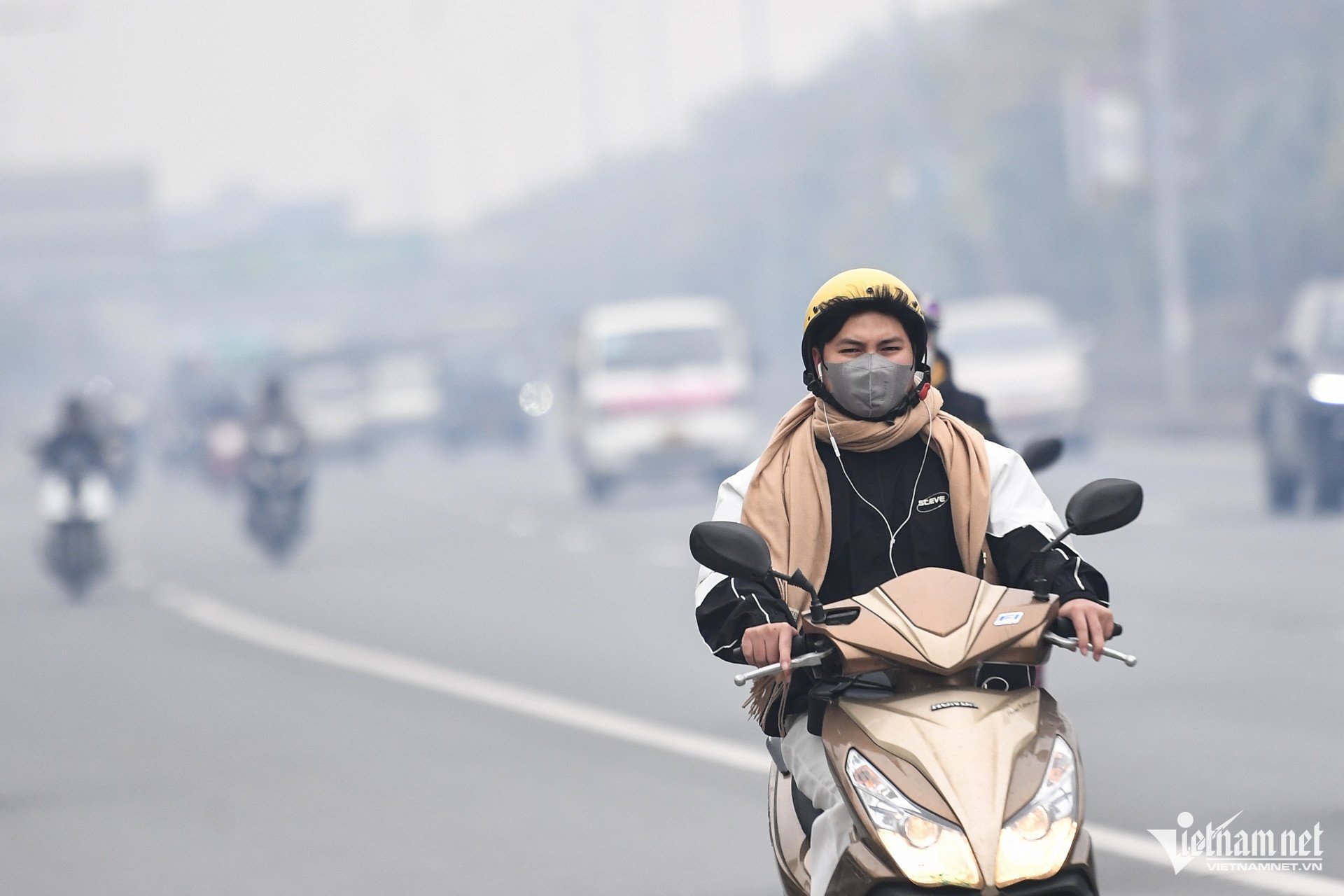
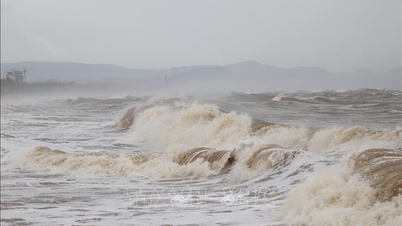
Dr. Hoang Phuc Lam noted that during this period, cold air masses are likely to cause strong winds and large waves, affecting the activities of ships and boats. On land, the cold air mass shifts eastward and changes its characteristics, causing many days of light rain, drizzle, and fog, especially in the northeastern and north-central provinces, impacting daily life and transportation for the people.
Furthermore, dangerous weather phenomena such as thunderstorms, tornadoes, lightning, hail, and strong gusts of wind are likely to occur nationwide. Heatwaves negatively impact daily life and public health.
Forecasts indicate that from March to May, average temperatures across the country will generally be close to the multi-year average; however, in May, temperatures in the Northwest region of Northern Vietnam will be 0.5-1 degree higher.
During the rainy season in the Central Highlands and Southern Vietnam, the total rainfall is less.
Regarding the meteorological, hydrological, and oceanographic trends from June to August 2025, Mr. Hoang Phuc Lam stated that during this period, the ENSO phenomenon is likely to remain in a neutral state. The activity of typhoons/tropical depressions in the East Sea and their direct impact on the mainland will be at a level equivalent to the multi-year average (multi-year average in the East Sea: 5.2 storms, landfall: 1.9 storms).
In the Central Highlands and Southern Vietnam, widespread heatwaves are likely to end from June 2025. From June to August, heatwaves are likely to persist in Northern and Central Vietnam. During the rainy season in the Central Highlands and Southern Vietnam, total rainfall tends to be lower than the multi-year average due to weaker-than-normal southwest monsoon activity.
In June, the average temperature across the country was generally close to the multi-year average; from July to August, it was 0.5-1 degree higher.
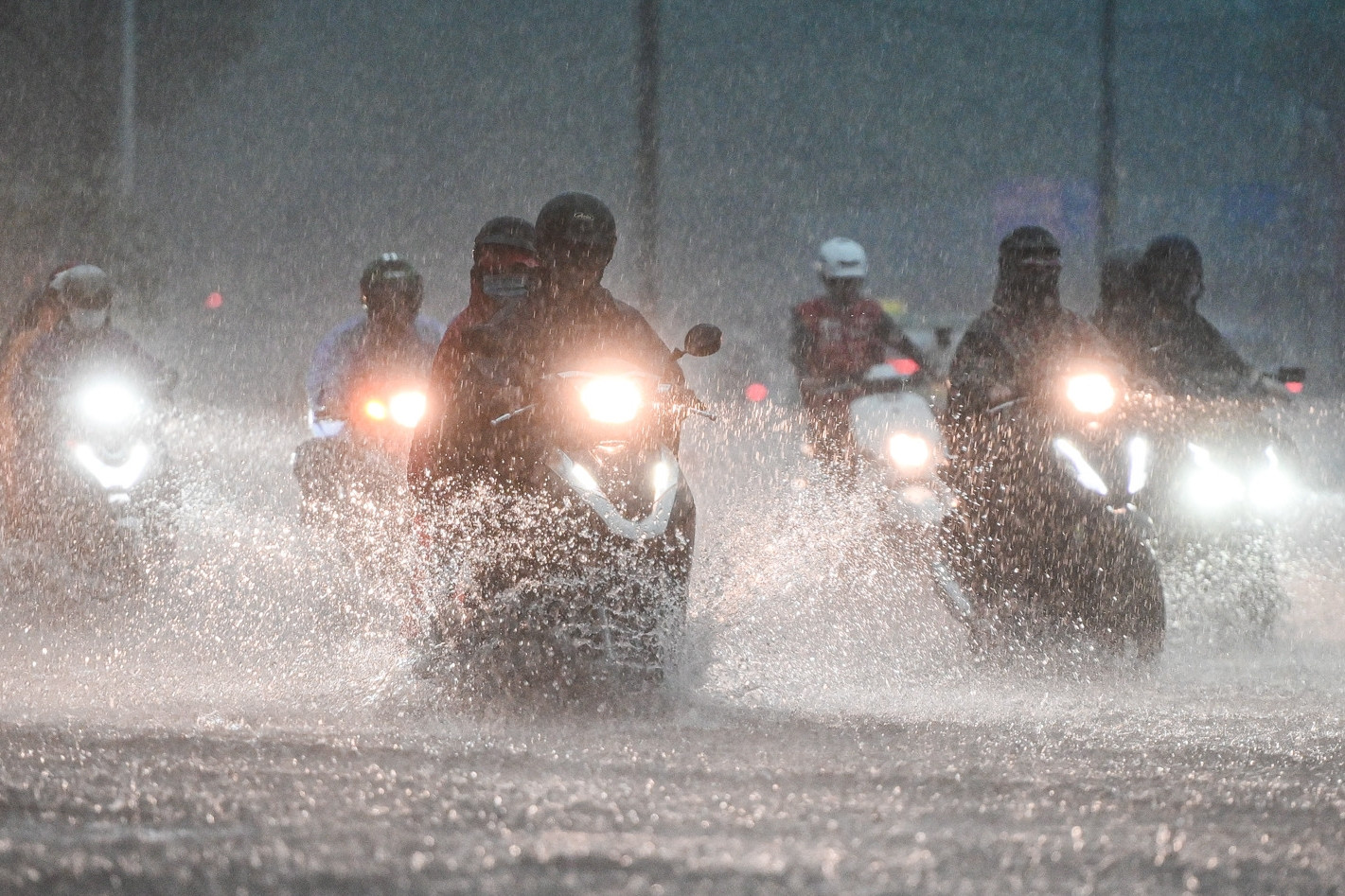
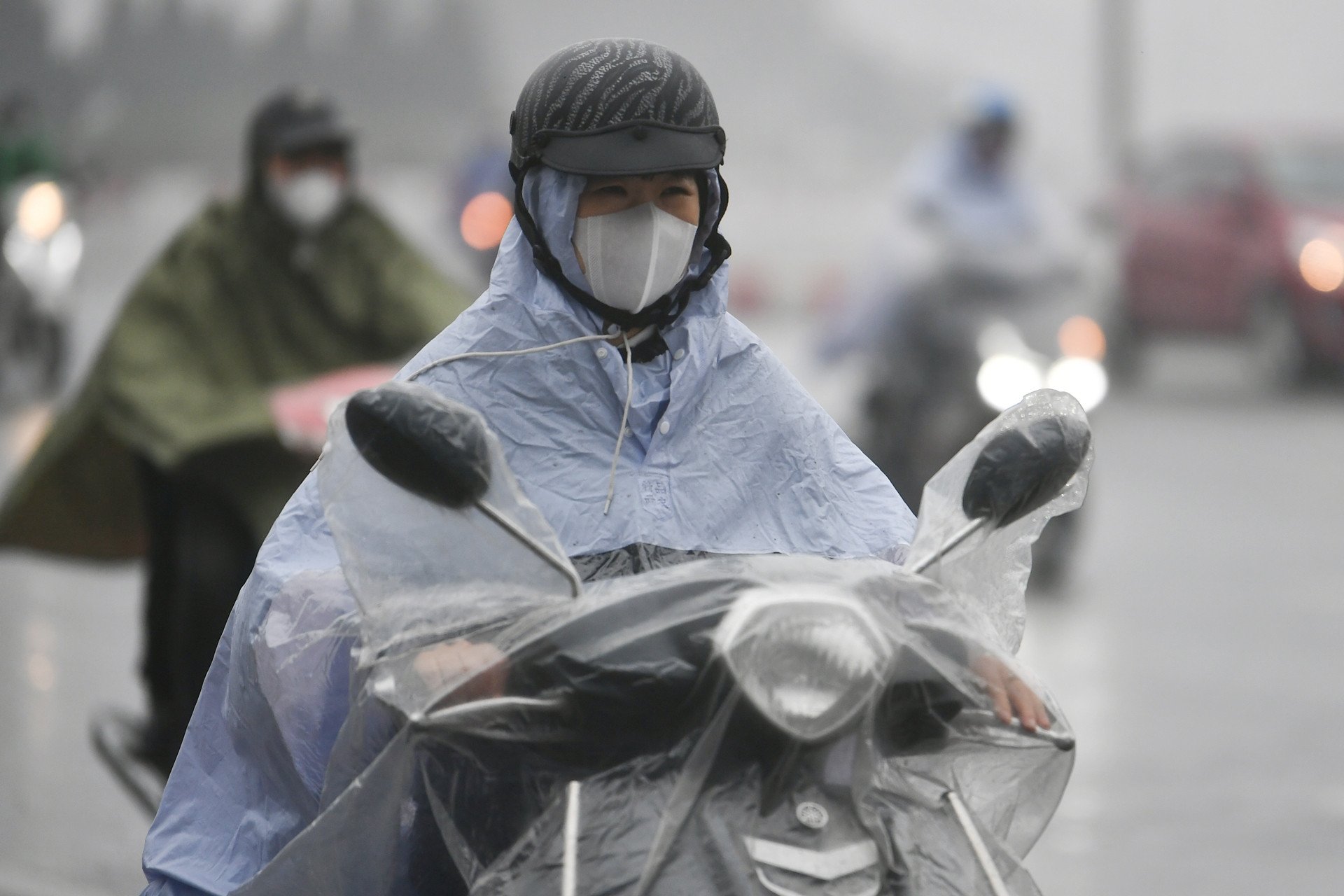
The cold air mass weakened rapidly, and the North was once again filled with fog and drizzle.
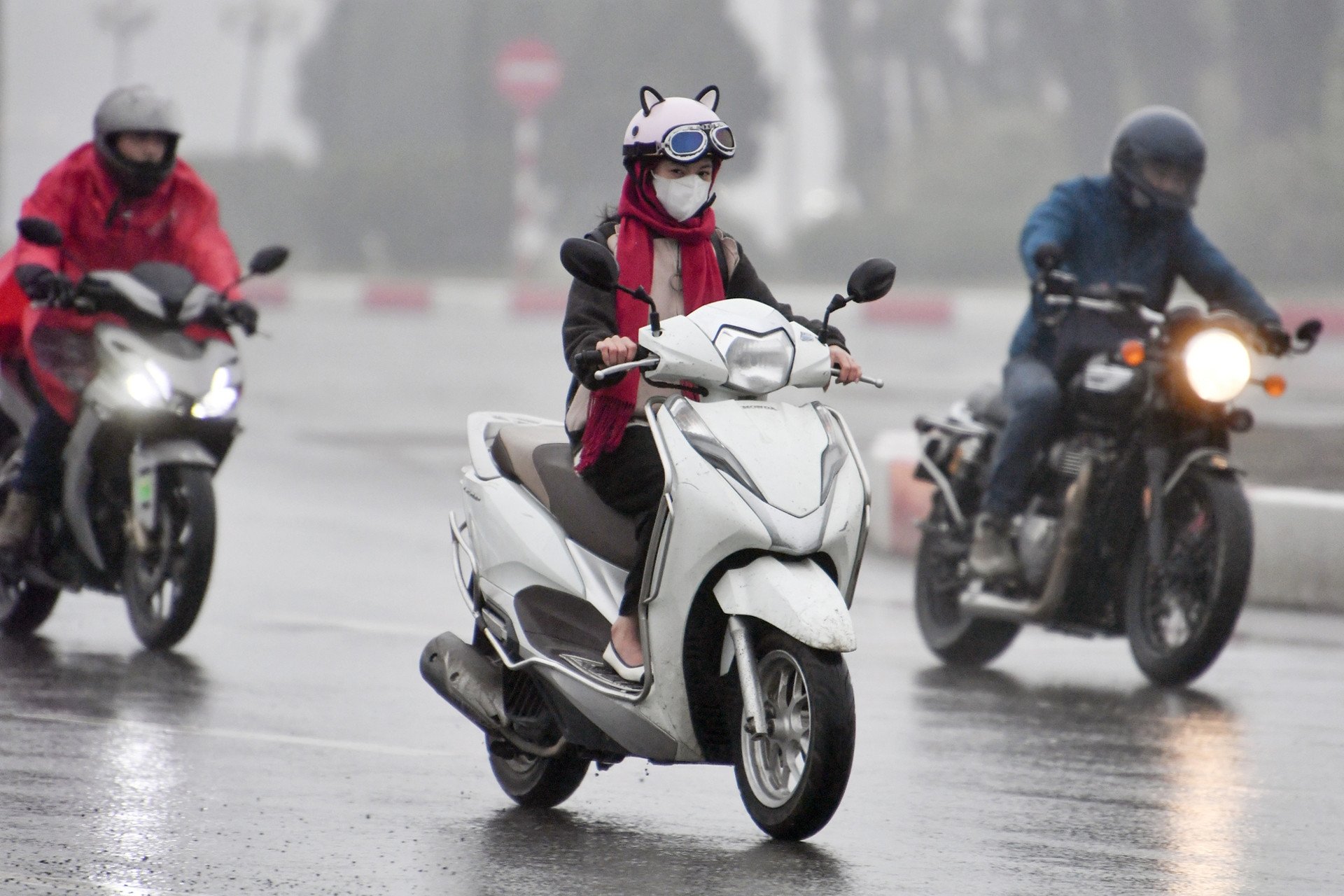
10-day weather forecast: Northern Vietnam to experience two more cold fronts with rain.
Source: https://vietnamnet.vn/khong-khi-lanh-lech-dong-bien-tinh-mien-bac-nhieu-ngay-suong-mu-mua-phun-2371610.html


![[Photo] Prime Minister Pham Minh Chinh holds a phone call with the CEO of Russia's Rosatom Corporation.](/_next/image?url=https%3A%2F%2Fvphoto.vietnam.vn%2Fthumb%2F1200x675%2Fvietnam%2Fresource%2FIMAGE%2F2025%2F12%2F11%2F1765464552365_dsc-5295-jpg.webp&w=3840&q=75)

![[Photo] Closing Ceremony of the 10th Session of the 15th National Assembly](/_next/image?url=https%3A%2F%2Fvphoto.vietnam.vn%2Fthumb%2F1200x675%2Fvietnam%2Fresource%2FIMAGE%2F2025%2F12%2F11%2F1765448959967_image-1437-jpg.webp&w=3840&q=75)












































































Comment (0)