

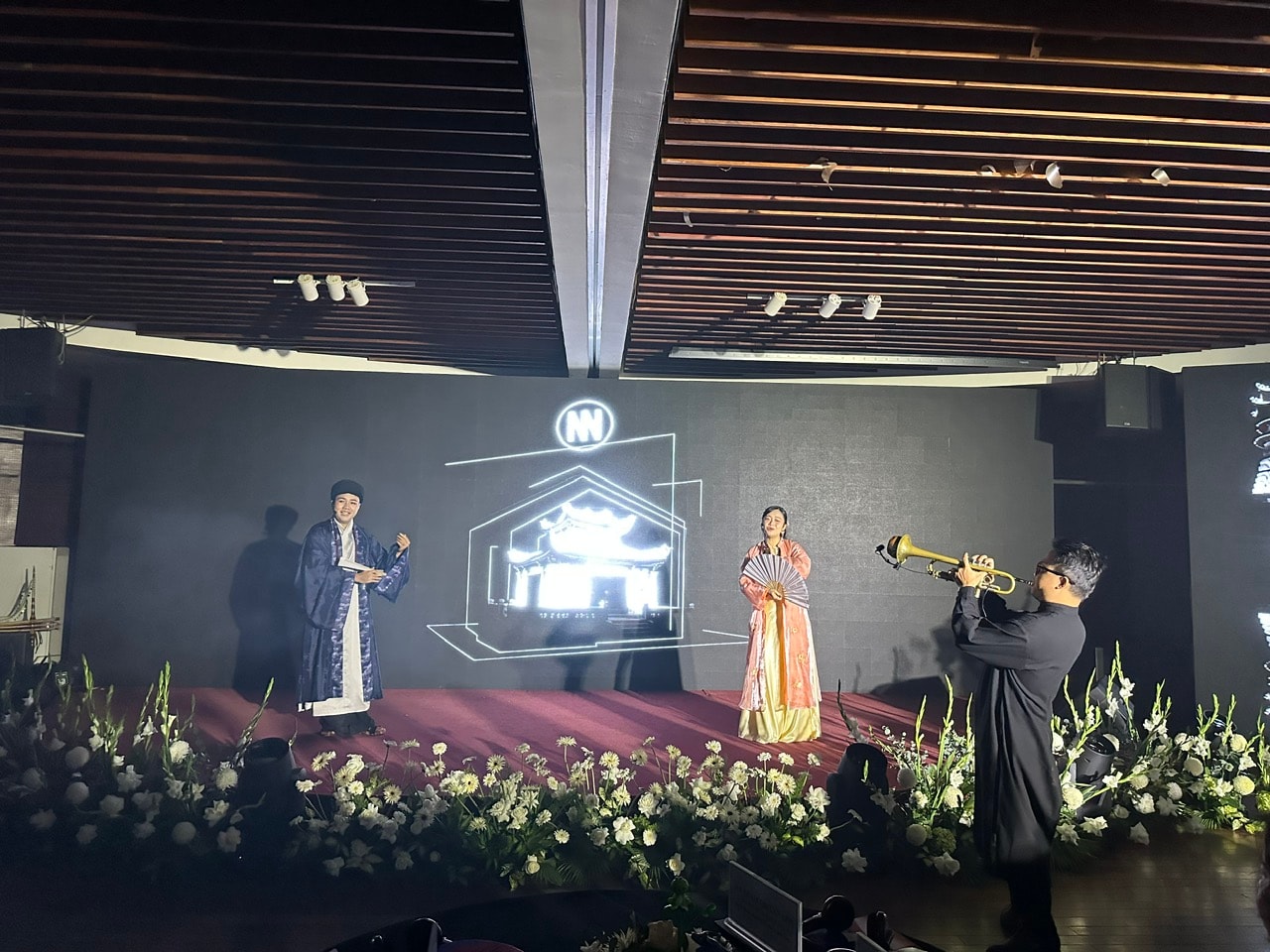
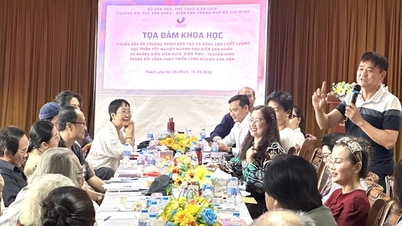
The conference brought together international experts and representatives from cities within the UNESCO Creative Cities Network to exchange ideas and promote global connectivity in organizing Creative Design Festivals, while building a common framework towards impactful, inclusive, and sustainable festival programs.
"The common denominator" for festivals
According to the Director of the Hanoi Department of Culture and Sports , Bach Lien Huong, after more than 6 years of being a member of the UNESCO Creative Cities Network, Hanoi has undertaken many concrete activities to fulfill its commitments to building a creative city. The city has been and is affirming its position as one of the most dynamic and creative cities in Asia. Hanoi is promoting creative design activities and connecting opportunities for cooperation between cities in the Network.
In 2024, the city established an expert advisory council; built creative activity spaces; developed criteria and creative activity spaces; established the Hanoi Creative Activities Coordination Center; built the Hanoi Creative Cultural Space Network connecting organizations, individuals, experts, artists, and community groups working in the field of creative design; attracted and connected creative resources locally and internationally; introduced, shared, and supported the creative community to develop and expand. A highlight was the organization of the Hanoi Creative Design Festival.
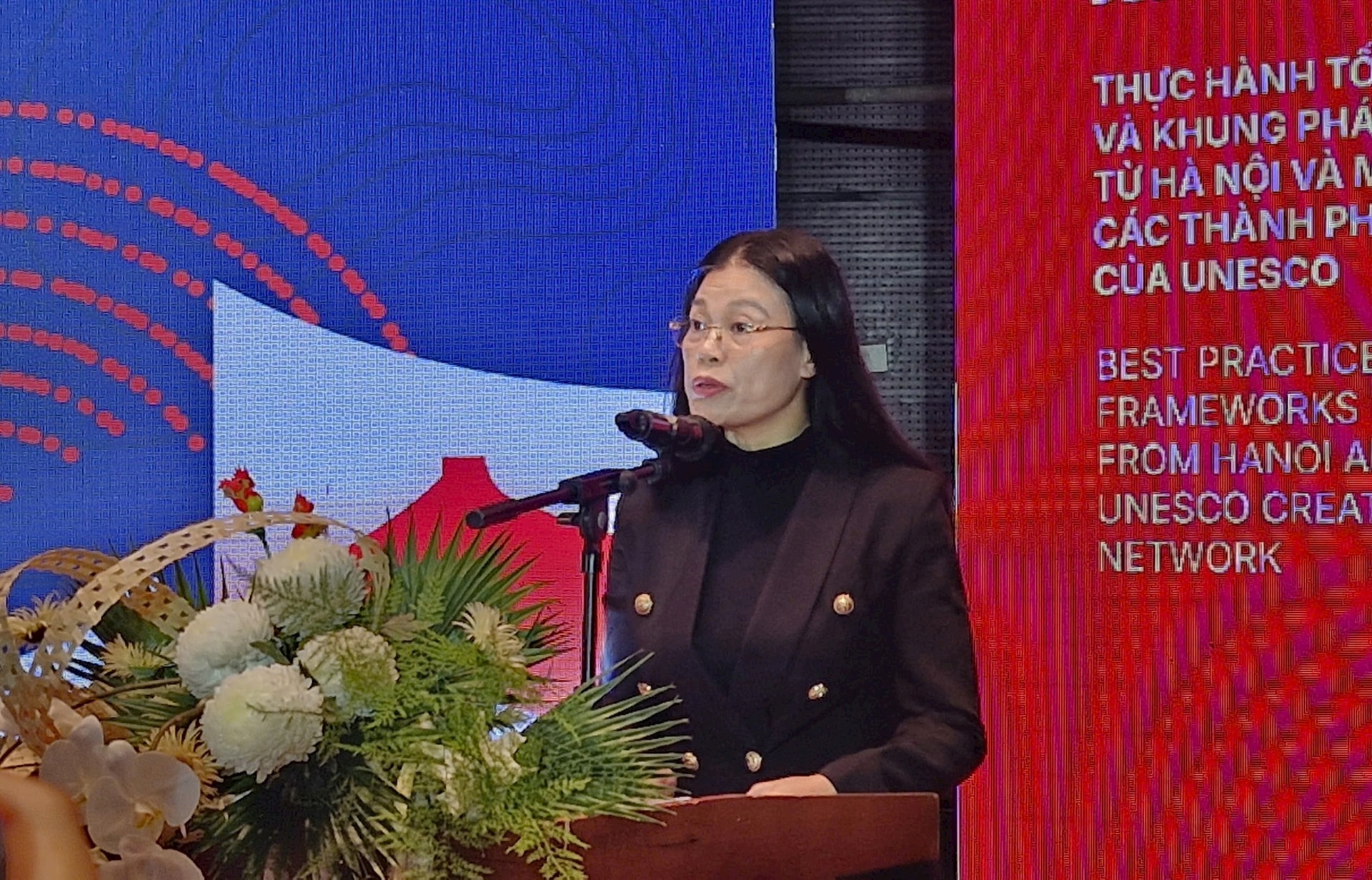
"The positive results we have achieved are primarily due to the attention, support, and advice the city has received from many talented experts in the field of creative design. We deeply appreciate their contributions and assistance," Ms. Bach Lien Huong expressed.
Speaking at the conference, Jonathan Baker, Head of UNESCO's Representative Office in Vietnam, said that Hanoi's recognition as a UNESCO Creative City in the field of Design has opened a new chapter – where creativity is no longer a supporting element, but becomes a key driver for development.
“Over the years, the City has fostered a vibrant creative ecosystem: festivals that enliven public spaces, networks that connect communities, and initiatives that empower young designers to envision and create new futures for their city,” Jonathan Baker observed.
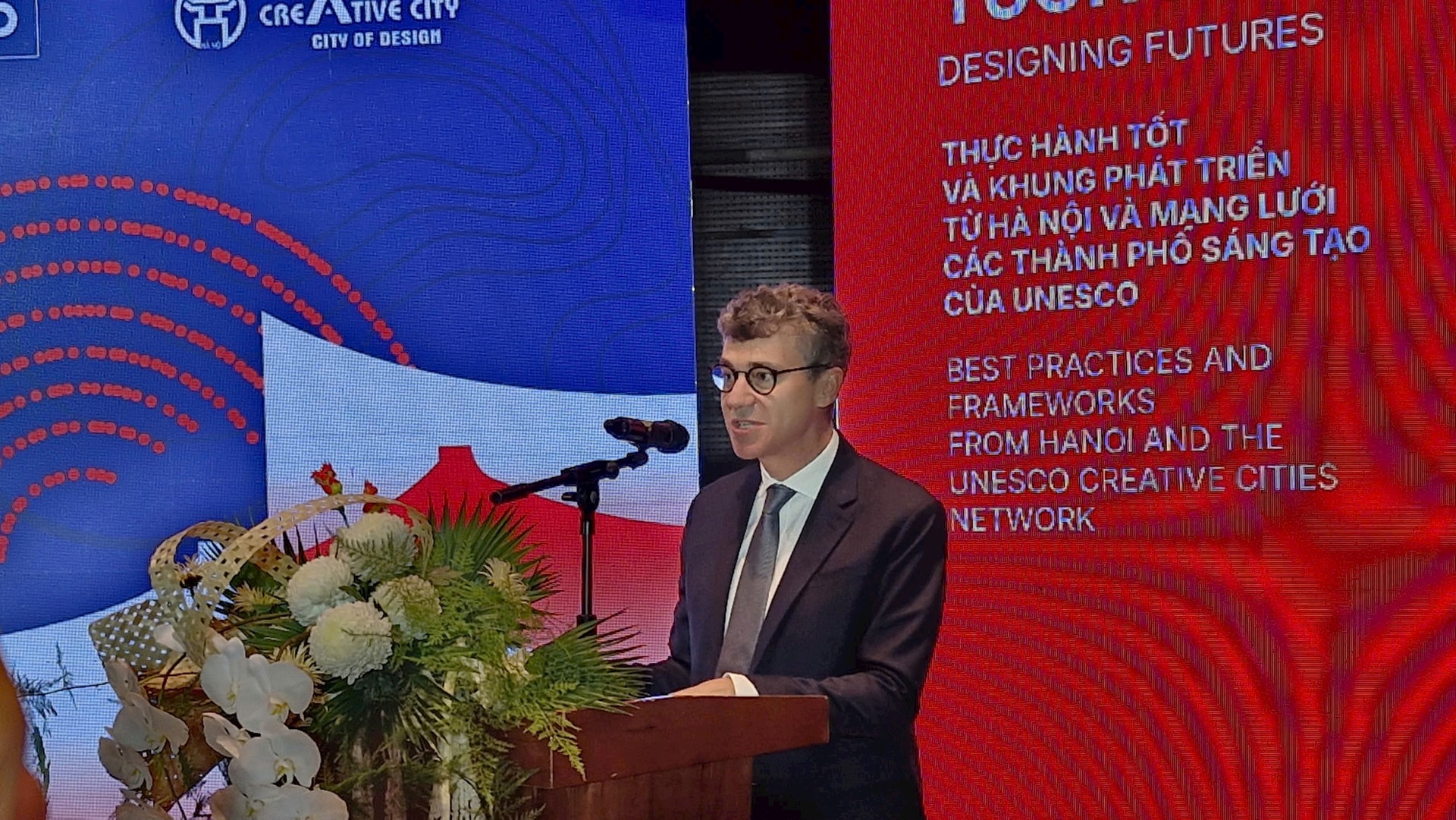
The Head of UNESCO's Representative Office in Vietnam also expressed the hope that at this conference, UNESCO's Creative Cities would not only learn from each other's experiences on effective public-private-community cooperation models, emphasizing the role of the community and transforming urban life through creativity, but also develop a common Festival Framework for cities. This framework would not be a rigid template, but a flexible guideline for cities to adapt to their own cultural identity and development aspirations.
Lessons from other countries
Sharing their experiences in building and developing Creative Cities, representatives from Creative Cities around the world provided a wealth of useful information about effective creative activities in their respective localities.
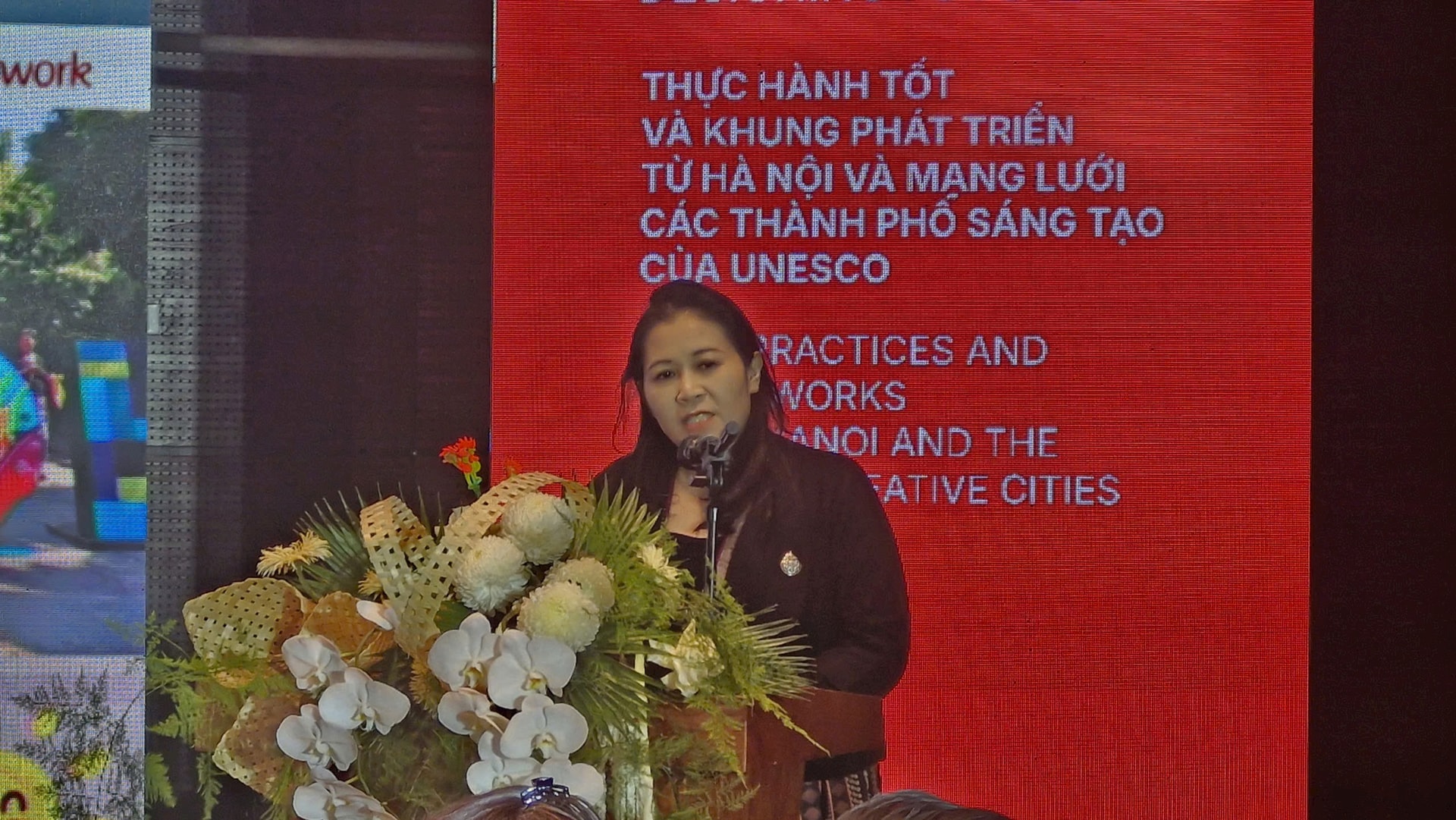
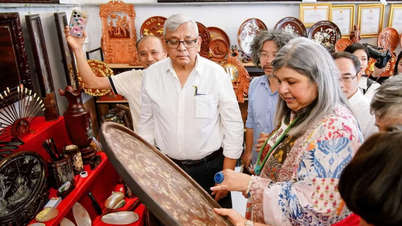
Ms. Suwannee Senee, representative of Chiang Mai Creative City (Thailand), stated that Chiang Mai is building a sustainable creative community with a three-way collaborative model: public-private-community. The city has been recognized for nine key handicraft sectors, including silversmithing, lacquerware, textiles, wood carving, and various other art forms. It boasts over 200 creative spaces supporting artists, designers, and artisans. Chiang Mai's creative industries employ over 60,000 workers and contribute 12-14% to the province's GDP.
Ms. Suwannee Senee also shared that in public-private partnerships (PPP) in Thailand, the public sector plays a key role in policy direction and facilitating support. Local and provincial governments develop creative zone plans, including the old town. The Chiang Mai Provincial Administration sponsors and implements handicraft programs.
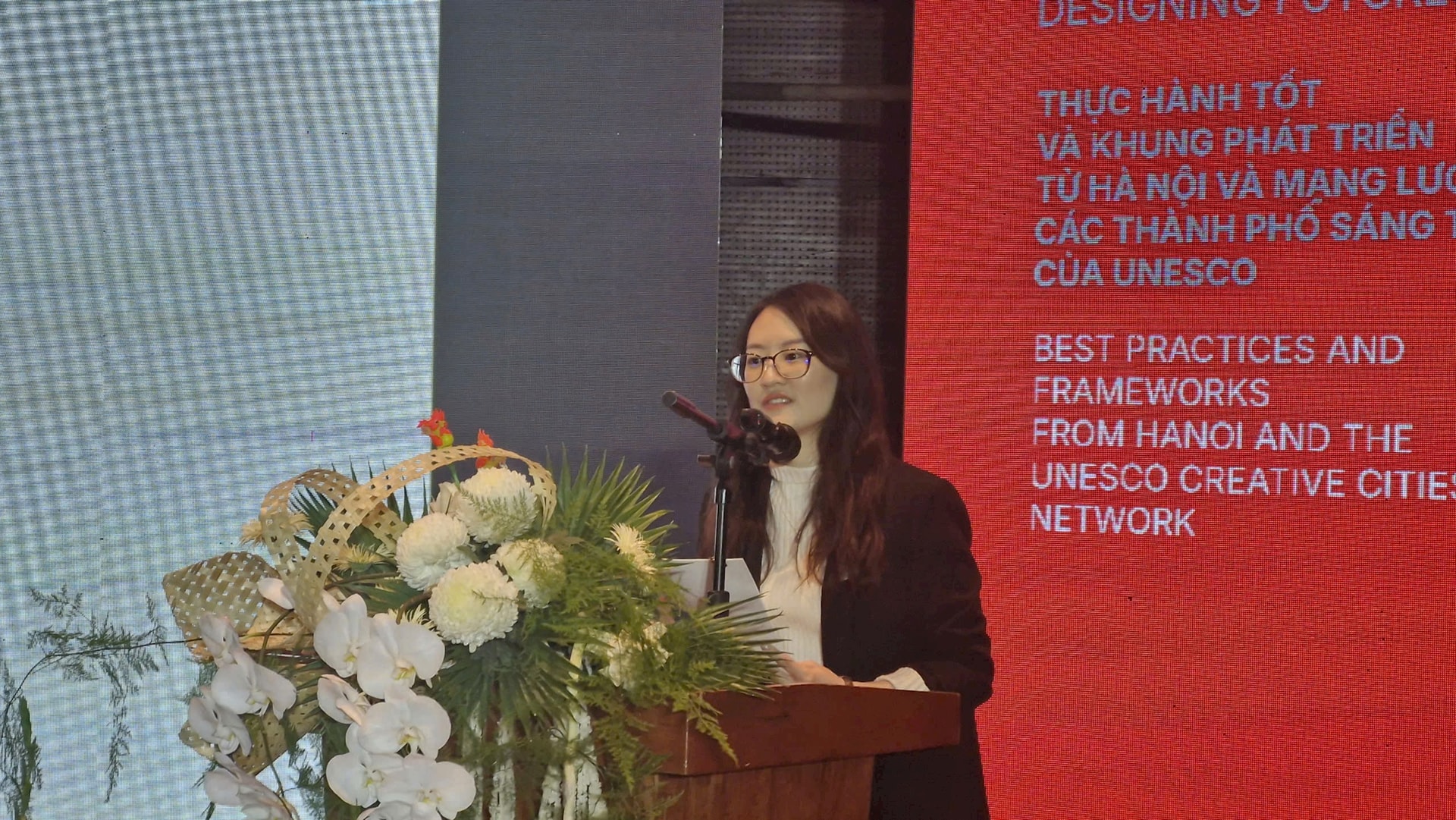
Meanwhile, Ms. Ho Rui Oi Chachael, International Relations Coordinator, Industrial Promotion Division (Economic Department, Asahikawa City Hall, Japan), shared her experience in engaging youth and the community at Asahikawa Design Week.
“We strive to enhance the appreciation and understanding of design for all citizens. This helps strengthen community cohesion within the design city. In particular, we encourage the younger generation – future leaders – to cultivate their understanding of design through every educational opportunity. We also expand the network of connections between design cities by learning from diverse cultures,” shared Ms. Ho Rui Oi Chachael.
At the workshop, representatives from many of Vietnam's Creative Cities, such as Da Nang and Lam Dong, also shared their experiences in building Creative Cities in their localities. All localities emphasized the role of the community, the participation and support of the government.
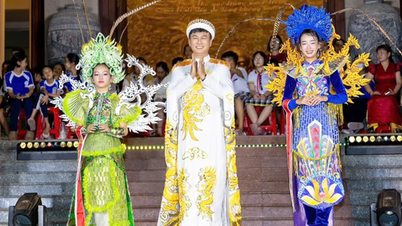
Also at the workshop, the Organizing Committee provided information on the preparations for the Hanoi Creative Design Festival 2026, scheduled to take place from January 10-11, 2026 at Dong Kinh Nghia Thuc Square. The program aims to connect the creative community, promote urban heritage, foster the development of the cultural industry, and honor innovative values in the context of the rapidly changing urban-rural landscape.
From March to May 2026, Hanoi will implement a Cultural Industry Center model in the Dong Xuan - Bac Qua area, encompassing two former school buildings (17 Nguyen Thien Thuat and 40 Thanh Ha) and the Dong Xuan Market area. Here, the city will pilot a Creative Workshop model at Dong Xuan Market, organizing creative residency activities and promoting interdisciplinary practices to create products for participation in the 2026 Creative Design Festival and the "Hanoi Creative Design 2026" competition.
Source: https://hanoimoi.vn/kien-tao-thanh-pho-sang-tao-tu-cac-le-hoi-725741.html
























































Comment (0)