

Leg cramps are sudden muscle contractions that cause pain and stiffness. Although usually benign, the pain can last from a few seconds to several minutes, affecting daily activities or sleep.
This phenomenon can happen to anyone, from athletes to normal people, especially when muscles are tired, dehydrated or have an electrolyte deficiency.
1. Causes of leg cramps
- 1. Causes of leg cramps
- 2. Symptoms
- 3. When should I see a doctor?
- 4. How to deal with cramps
- 5. Prevent leg cramps
Some common causes of cramps include:
- Excessive physical activity: Long, high-intensity exercise, especially in hot weather, can easily cause muscle fatigue and stimulate sudden contractions.
- Dehydration and electrolyte deficiency: Magnesium and potassium are important minerals that help muscles contract and relax normally. If deficient, muscles will have difficulty relaxing, increasing the risk of cramps.
- Pregnancy: Changes in circulation and increased pressure on muscles from the growing belly make pregnant women more susceptible to cramps.
- Age: Middle-aged and older people have muscles that tire easily and are sensitive to dehydration, leading to more frequent cramps.
- Medication side effects: Some medications, such as statins that treat high cholesterol, can cause muscle cramps.
Sometimes, cramps can occur for no apparent reason, but most are related to muscle fatigue, dehydration, or electrolyte disturbances.
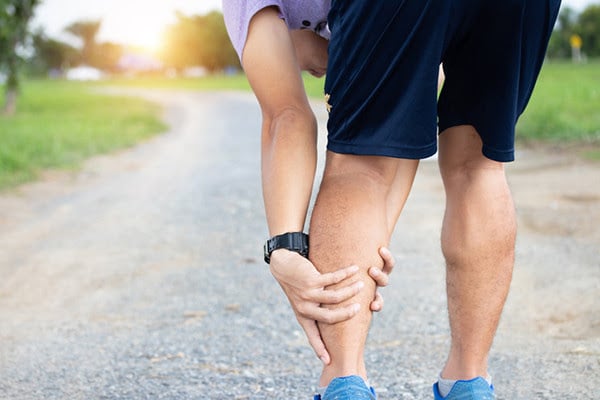
Middle-aged people have muscles that tire easily and are sensitive to dehydration, leading to more frequent cramps.
2. Symptoms
Leg cramps often appear suddenly, typically in the calves, with the following symptoms:
- Sudden pain, muscle stiffness and severe spasms.
- A hard lump or twitch appears under the skin, which can be seen and felt.
- In many cases, the pain can wake you up or keep you from walking normally for several minutes.
3. When should I see a doctor?
Most cramps are benign and go away on their own, however, you should see a doctor if:
- Cramps that occur frequently or are severe.
- Accompanied by other symptoms such as numbness and muscle weakness.
- Potentially related to serious health problems such as spine, blood vessels or liver.
4. How to deal with cramps
If you are experiencing cramps, you can try the following measures:
- Stretching and gentle massage: Helps muscles relax and relieve pain.
- Stand up if you are sitting or lying down: Gentle movement can help your muscles return to normal .
- Warm temperature: Apply a heating pad or warm towel to your muscles to relieve stiffness.
5. Prevent leg cramps
To limit the appearance of cramps in the future, you should pay attention to:
- Drink enough water: Especially before and during exercise to help muscles contract effectively.
- Warm up before exercise: Walking in place, jogging, or other warm-up exercises for your legs can help prevent cramps.
- Stretch after exercise: Do calf stretches for a few minutes to reduce the risk of muscle strain.
- Stretch before bed: If you often get cramps while sleeping, gentle stretching exercises can help reduce the frequency of the pain.
Leg cramps are a common condition that is not usually dangerous but can be uncomfortable and affect your daily life. Understanding the causes, recognizing the symptoms and taking preventive measures will help you control this condition well. Drinking enough water, stretching properly and paying attention to your diet are key to reducing the risk of cramps.
Please watch more videos :
Source: https://suckhoedoisong.vn/lam-the-nao-de-thoat-khoi-chuot-rut-co-o-chan-169251202213454019.htm


![[Photo] Cat Ba - Green island paradise](/_next/image?url=https%3A%2F%2Fvphoto.vietnam.vn%2Fthumb%2F1200x675%2Fvietnam%2Fresource%2FIMAGE%2F2025%2F12%2F04%2F1764821844074_ndo_br_1-dcbthienduongxanh638-jpg.webp&w=3840&q=75)

























































































Comment (0)