

Sinusitis is a common inflammatory condition that causes many uncomfortable symptoms and significantly affects the patient’s learning and work performance. If not treated promptly and properly, the disease can progress to dangerous health complications.
Typical symptoms of sinusitis include: constant sneezing, runny nose, nasal discharge, headache, pain in the nose and sinus areas, especially the front of the cheeks, forehead, and back of the neck. Nasal congestion and dry throat also often appear, especially in the morning or when the patient is exposed to polluted and dusty environments. In the cold season, these symptoms become more uncomfortable because the disease lasts a long time and is prone to recurrence.
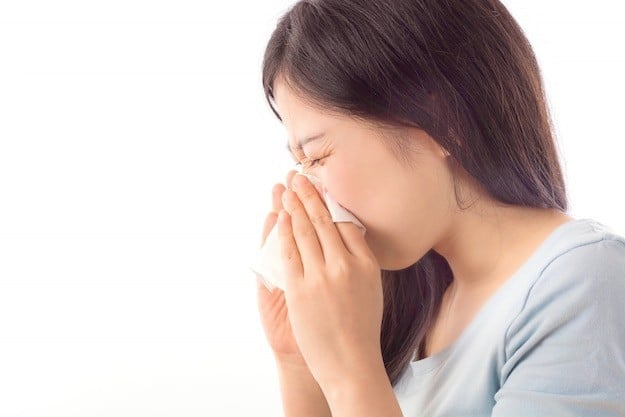
Patients with sinusitis will have special pain: pain above the eye socket, the pain increases from morning. Illustration photo
Sinusitis easily appears or gets worse in the cold season due to many environmental and physiological factors, causing strong impacts on the human respiratory system.
Sudden changes in weather, especially when changing seasons, cold, dry air directly affects the nose - an important organ of the respiratory system. This leads to the nasal mucosa, which is already thin, becoming more vulnerable to damage, causing inflammation and nasal pain.
The nasal mucosa becomes swollen, blocking the sinus openings and oxygen in the sinuses is absorbed into the blood vessels of the mucosa. This leads to negative pressure in the sinuses, which is the beginning of sinusitis.
During the changing seasons or when the air is cold, the body's immune system often weakens, creating favorable conditions for harmful agents to attack and cause disease.
On the other hand, the cold season is the time for bacteria, viruses and molds to grow. If the body is not protected, these harmful agents will easily penetrate and cause disease.
People who are allergic to pollen, indoor molds, or dust mites from carpets and clothing are at higher risk than the general population.
In addition, some reasons that make people susceptible to sinusitis in cold weather include: not keeping the body warm, poor nasal hygiene, etc.
People with sinusitis need to pay attention when the weather is cold and pollution increases.
Cold, dry weather and increased air pollution levels make people with sinusitis and allergic rhinitis more likely to relapse or worsen. To reduce discomfort and prevent flare-ups, patients should pay attention to the following care measures:
- Keep the respiratory tract warm
Cold air can easily irritate the nasal mucosa, increase secretions and cause nasal congestion. Therefore, you should pay attention to keeping warm by:
- Wear a thick mask when going out, especially in the early morning and evening.
- Keep your neck, chest and nose warm with scarves, woolen hats and turtlenecks.
- Limit going out when the temperature is low or when the wind is strong.
- Proper sinus hygiene
Washing your nose with saline helps clean mucus, dirt and reduce inflammation. Specifically, you should note:
- Should wash 1-2 times/day or after going out.
- Avoid using homemade solutions that are not guaranteed to be sterile.
- Blow your nose gently to avoid pushing fluid into the middle ear.
- Limit exposure to pollution and allergens
Air pollution, dust, pollen, pet hair, etc. are factors that cause symptom flare-ups. Therefore, you should limit exposure to allergens, so:
- Wear a dust mask (N95/KN95) when going out.
- Close windows during peak pollution hours, use air purifiers in the room.
- Regularly clean blankets, curtains, and air conditioners.
- Increase humidity in the air
Cold air easily dries out the nasal mucosa. Increasing the humidity in the air is essential:
- Use a humidifier or place a damp towel in the room.
- Drink enough water to help dilute fluid and clear airways.
- Avoid sitting under air conditioning or a fan blowing directly on your face.
- Maintain a healthy diet and lifestyle
- Increase foods rich in vitamin C, green vegetables, ginger, garlic.
- Avoid cold foods, alcohol, tobacco and spicy foods that can easily cause mucosal edema.
- Get enough rest and keep your mind relaxed to increase resistance.
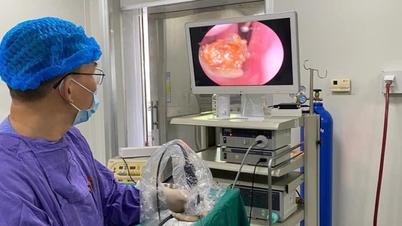
If symptoms such as nasal congestion persist, headache, fever, green-yellow or foul-smelling nasal discharge occur, the patient should go to an ENT facility for examination. Nasal-sinus endoscopy and paraclinical tests will help determine the level of inflammation and appropriate treatment.
Source: https://suckhoedoisong.vn/cham-soc-nguoi-viem-xoang-khi-troi-lanh-va-o-nhiem-tang-cao-169251203121729749.htm


![[Photo] Cat Ba - Green island paradise](/_next/image?url=https%3A%2F%2Fvphoto.vietnam.vn%2Fthumb%2F1200x675%2Fvietnam%2Fresource%2FIMAGE%2F2025%2F12%2F04%2F1764821844074_ndo_br_1-dcbthienduongxanh638-jpg.webp&w=3840&q=75)






























































































Comment (0)