

1. Lemon water – a "healthy" but not harmless habit
- 1. Lemon water – a "healthy" but not harmless habit
- 2. Why is lemon juice chosen by many people?
- 3. Who should not drink lemon water – or need to be especially cautious?
- 3.1. People with acid-related gastrointestinal diseases
- 3.2. People with tooth sensitivity or weak tooth enamel
- 3.3. People who often have mouth ulcers, stomatitis or sensitive oral mucosa
- 3.4. People who are taking certain medications that are sensitive to stomach pH
- 3.5. People sensitive to citrus fruits
- 3.6. People who are prone to dehydration or have kidney or bladder problems
- 4. Side effects of abusing lemon juice
- 5. How to drink lemon water safely and healthily
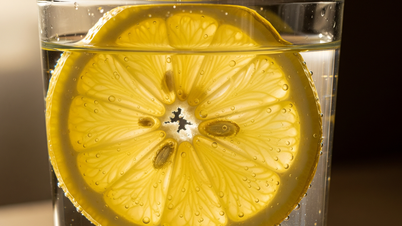
Whether on social media or in real life, the image of a glass of warm lemon water in the morning always evokes a feeling of cleansing, lightness, and health.
This seemingly simple drink is praised by many as helping to rehydrate, increase vitamin C, aid digestion or even "detoxify", "boost immunity", "lose weight". Many people start their day by squeezing half a fresh lemon into a glass of warm water and believe this is a healthy habit.
However, like many other health trends, lemon water is not a safe choice for everyone.
Medical experts warn that in some people, especially if taken incorrectly or in excess, lemon juice can have the opposite effect - from digestive upset, tooth sensitivity to aggravating existing medical conditions. The strong acidity of lemon juice is a "double-edged sword" that needs to be used by the right person at the right time.

Lemon juice is not a safe option for everyone.
2. Why is lemon juice chosen by many people?
While not a “miracle drink,” lemon water does have some benefits when consumed properly and in moderation. Here are some reasons why it’s become a part of many health routines today:
- Easy to drink, better hydration support: Many people find drinking plain water boring. A little sour taste helps them drink water more regularly, thereby ensuring enough water each day and limiting dehydration.
- Supplement vitamin C and antioxidants: Lemons contain vitamin C - an important micronutrient for immunity, iron absorption, skin and tissue health.
- May aid mild digestion: In some people, the natural acid in lemons may stimulate digestive secretions or increase saliva production, helping to reduce morning bloating.
Overall, when used in moderation, lemon water may provide small benefits as part of a healthy lifestyle, but this doesn't mean it's right for everyone.
3. Who should not drink lemon water – or need to be especially cautious?
According to information posted on the Toi page, the strong acidity and chemical properties of lemon juice can cause discomfort or aggravate many medical conditions. The following groups are advised to avoid or limit:
3.1. People with acid-related gastrointestinal diseases
Include:
- Gastroesophageal reflux disease (GERD)
- Chronic acid reflux
- Gastritis
- Stomach ulcer
- Sensitive stomach
Citric acid in lemon can irritate the lining of the stomach and esophagus, causing:
- Heartburn
- Flatulence
- Nausea
- epigastric pain
- Increased reflux
Drinking lemon water on an empty stomach can make the condition worse.
3.2. People with tooth sensitivity or weak tooth enamel
This group is at the highest risk because citric acid can erode tooth enamel – the natural protective layer of your teeth. Drinking concentrated lemon juice, sipping it or drinking it regularly can lead to:
- Toothache
- Increased risk of tooth decay
- Irreversible enamel damage
Once tooth enamel is damaged, it cannot regenerate itself.
3.3. People who often have mouth ulcers, stomatitis or sensitive oral mucosa
The acid in lemon juice can:
- Burning mouth
- Prolongs ulcer healing time
- Causes pain and discomfort when eating and drinking
3.4. People who are taking certain medications that are sensitive to stomach pH
Acidity can affect:
- Drug absorption efficiency
- How drugs are broken down
People on long-term medical treatment should consult their doctor before drinking lemon water regularly.
3.5. People sensitive to citrus fruits
Some people may experience:
- Migraine or tyramine-related headache
- Allergy to citrus (rash, itching, swelling, respiratory symptoms)
3.6. People who are prone to dehydration or have kidney or bladder problems
Lemon juice has a mild diuretic effect, which may cause:
- urinate more often
- Dehydration if not drinking enough water
People with kidney or urinary tract disease should consider before regular use.
4. Side effects of abusing lemon juice
Even healthy people can experience some problems if they abuse it:
• Tooth enamel erosion – the most long-term risk: This is the most common side effect. Tooth enamel erosion cannot be restored, leading to chronic tooth sensitivity, increased tooth decay, and permanent tooth damage.
• Increased stomach acid: Drinking lemon water every day or drinking too much can cause stomach pain, bloating, throat irritation, acid reflux...
• Frequent urination, electrolyte imbalance (if taken in excess): Mild diuretic effect can cause potassium loss or dehydration if not adequately hydrated.
Therefore, more is not always better, seemingly healthy habits can silently become a cause of discomfort if you ignore your body's warnings.
5. How to drink lemon water safely and healthily
If you like lemon water and don't fall into the diet category, you don't have to stop drinking it — just drink it properly.
Here's how to use it safely:
- Always dilute properly: Use half a lemon for a full glass of water, avoid drinking lemon juice that is too concentrated.
- Drink during or after meals: Acid will be neutralized better, helping to protect the stomach lining.
- Using a straw: Reduces direct contact between acid and teeth.
- Rinse mouth with clean water after drinking: Helps wash away acid remaining on tooth surfaces.
- Do not brush your teeth immediately after drinking: Acid temporarily softens tooth enamel, so wait at least 30 minutes before brushing.
- Limit frequency – maximum 1–2 glasses/day: Whether weak or strong, drinking too much still increases the risk of tooth damage and digestive disorders.
- Stop taking if your body sends warning signals such as: heartburn, toothache, stomach ache, burning mouth...
If symptoms persist, consult a healthcare professional.
Lemon water is a simple, popular drink that can bring some health benefits. However, it is not suitable for everyone and drinking it incorrectly can have the opposite effect. Know your body, use it in moderation and listen to the warning signs. Health does not come from temporary trends, but from the right and scientific habits every day.
Readers are invited to see more:
Source: https://suckhoedoisong.vn/nuoc-chanh-ai-can-tranh-va-cach-uong-tot-nhat-cho-suc-khoe-169251205173913064.htm


![[Photo] 60th Anniversary of the Founding of the Vietnam Association of Photographic Artists](/_next/image?url=https%3A%2F%2Fvphoto.vietnam.vn%2Fthumb%2F1200x675%2Fvietnam%2Fresource%2FIMAGE%2F2025%2F12%2F05%2F1764935864512_a1-bnd-0841-9740-jpg.webp&w=3840&q=75)
![[Photo] National Assembly Chairman Tran Thanh Man attends the VinFuture 2025 Award Ceremony](/_next/image?url=https%3A%2F%2Fvphoto.vietnam.vn%2Fthumb%2F1200x675%2Fvietnam%2Fresource%2FIMAGE%2F2025%2F12%2F05%2F1764951162416_2628509768338816493-6995-jpg.webp&w=3840&q=75)





































































































Comment (0)