

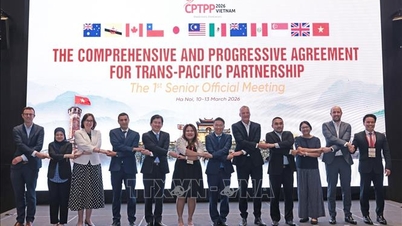
CPTPP The CPTPP includes member countries such as Australia, Brunei, Canada, Chile, Japan, Malaysia, Mexico, New Zealand, Peru, Singapore, the United Kingdom, and Vietnam. In the first 10 months of 2025, trade turnover between Vietnam and CPTPP members (including the United Kingdom – the new agreement came into effect with the UK on December 15, 2024) reached US$102.8 billion, an increase of 20.6% compared to the same period in 2024; of which, Vietnam's exports reached US$58.3 billion, an increase of 26%.
According to Mr. Cao Xuan Thang, Commercial Counselor of the Vietnam Trade Office in Singapore, in the first nine months of 2025, Singapore's total rice imports from the world reached approximately SGD 347.5 million, an increase of 3.4% compared to the same period in 2024. Vietnam holds a high market share in the categories of milled/hulled white rice and fragrant rice, and currently maintains its position as the third largest rice supplier to Singapore, after India and Thailand. Along with the advantages from the CPTPP Agreement, on October 30, 2025, Vietnam and Singapore signed a rice trade agreement, which is considered a new step forward in economic cooperation in their relationship. A comprehensive strategic partnership fosters confidence among businesses in both countries, promoting trade and investment cooperation.
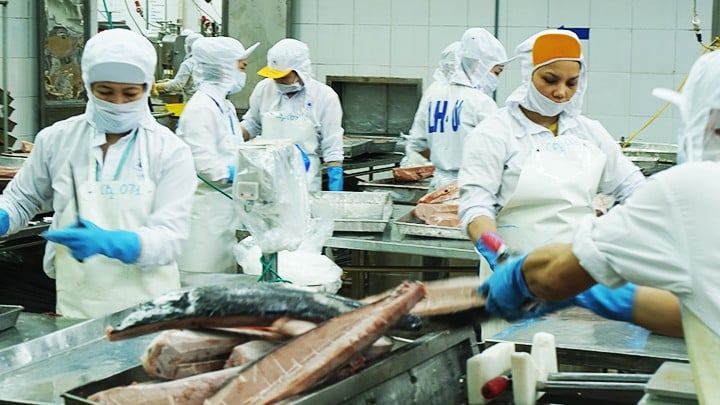
In the Australian market, the representative of the Vietnamese Trade Office in Australia stated that Vietnamese goods are increasingly present in this market, especially agricultural and aquatic products. Most impressively, cashew nuts account for 90% of Australia's total cashew imports; pepper also holds a market share of nearly 30%. In addition, Vietnam's strong seafood products such as shrimp, pangasius, and processed seafood have risen to dominate the market share in Australia. Overall, within the CPTPP bloc, Vietnam's pangasius export turnover in the first 10 months of 2025 reached US$305 million, an increase of 36% compared to the same period in 2024 and accounting for 17% of total pangasius export turnover. This market bloc holds a high proportion and maintains a stable market share. Among these, exports to Mexico reached US$63 million, a slight increase of 1%; exports to Japan reached US$39 million, an increase of 14%. Exports to Malaysia increased sharply by 37% year-on-year, reflecting a trend of expanding import demand in the region.
According to the Vietnam Association of Seafood Processing and Export (VASEP), export The strong increase in pangasius exports to CPTPP markets is due to the positive effects of preferential tariff policies from the CPTPP Agreement. Although these countries have clear quality and traceability requirements, many Vietnamese businesses have met them well, thereby increasing the average order value. It is predicted that by 2026, by taking full advantage of the CPTPP tariff preferences, the pangasius industry has the opportunity to recover and grow strongly.
Regarding the Canadian market, Tran Thu Quynh, Commercial Counselor of the Vietnamese Trade Office in Canada, stated that exports continue to grow well in most agricultural products such as fruits, vegetables, pepper, and coffee. In particular, after several months of continuous decline, cashew exports have resumed growth since September 2025. Among ASEAN countries, Canada has the highest trend of increasing imports from Vietnam, thus presenting an opportunity for agricultural businesses to thrive.
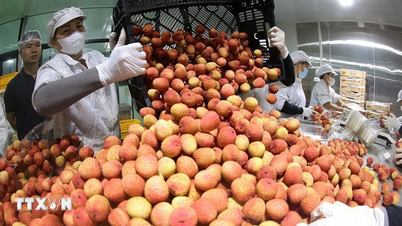
As one of the businesses actively promoting fruit exports to Canada, Mr. Nguyen Dinh Tung, General Director of Vina T&T Group , stated that Canada has high requirements for food safety and hygiene and plant and animal quarantine. Therefore, it is necessary to develop product lines with quality certifications such as Global GAP and HACCP; while also meeting the requirements of Smeta standards (corporate social responsibility). This is also a potential market with diverse product demands, high purchasing power, and plays an important role as a gateway for Vietnamese businesses to access the North American regional supply chain more deeply.
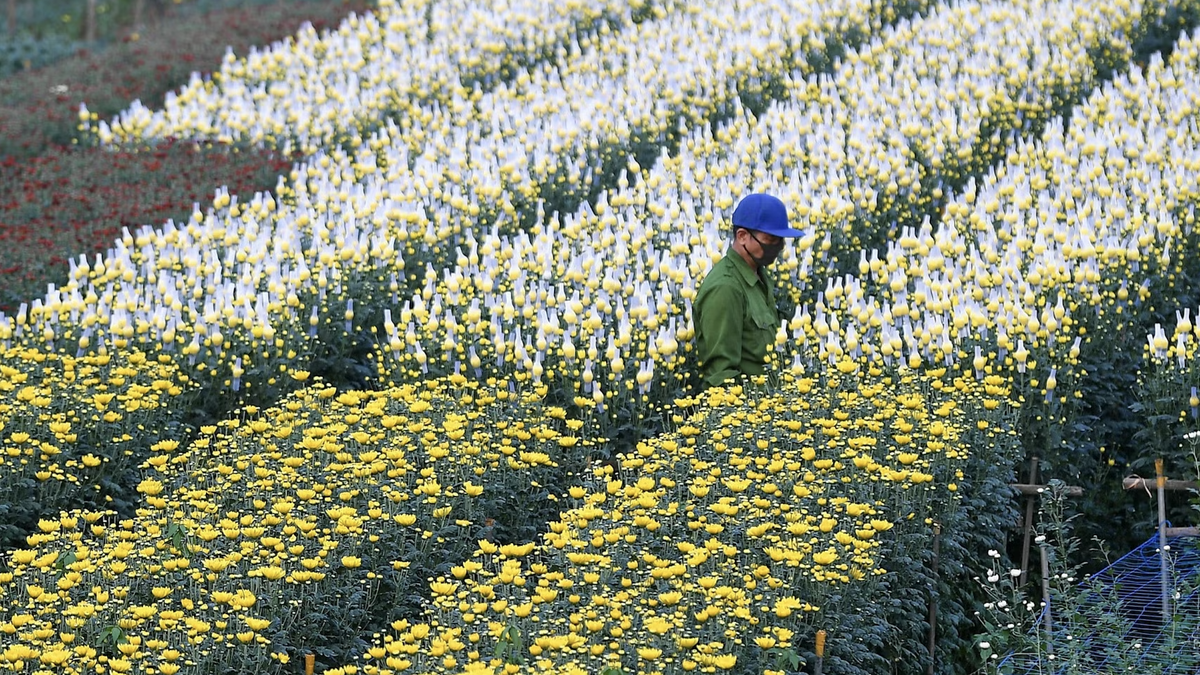
Vietnamese agricultural exports to CPTPP markets are showing many positive signs thanks to the increasing competitiveness of goods, the dynamism, and the better ability of agricultural businesses to meet standards. The CPTPP not only helps open up markets but also imposes requirements that force Vietnamese agriculture to transform in terms of traceability, quality, deep processing, and brand development. This creates pressure but also opens up significant growth potential if businesses improve their processing capabilities and perfect their supply chain linkages.
Source: https://baoquangninh.vn/mo-rong-khong-gian-xuat-khau-tu-cptpp-3388220.html






















































































Comment (0)