

Sources from the U.S., Iranian, and Israeli governments revealed to CNN that Washington had quietly resumed indirect talks with Tehran months ago. Brett McGurk, the White House coordinator for the Middle East and North Africa, was sent to Oman to hold indirect discussions with representatives of the Iranian government.
According to sources, negotiations resumed late last year, months after efforts to revive the Iran nuclear deal (JCPOA) collapsed. The administration of former US President Donald Trump withdrew from the JCPOA in 2018, which stipulated that Tehran would restrict its nuclear program in exchange for the easing of sanctions from Washington.
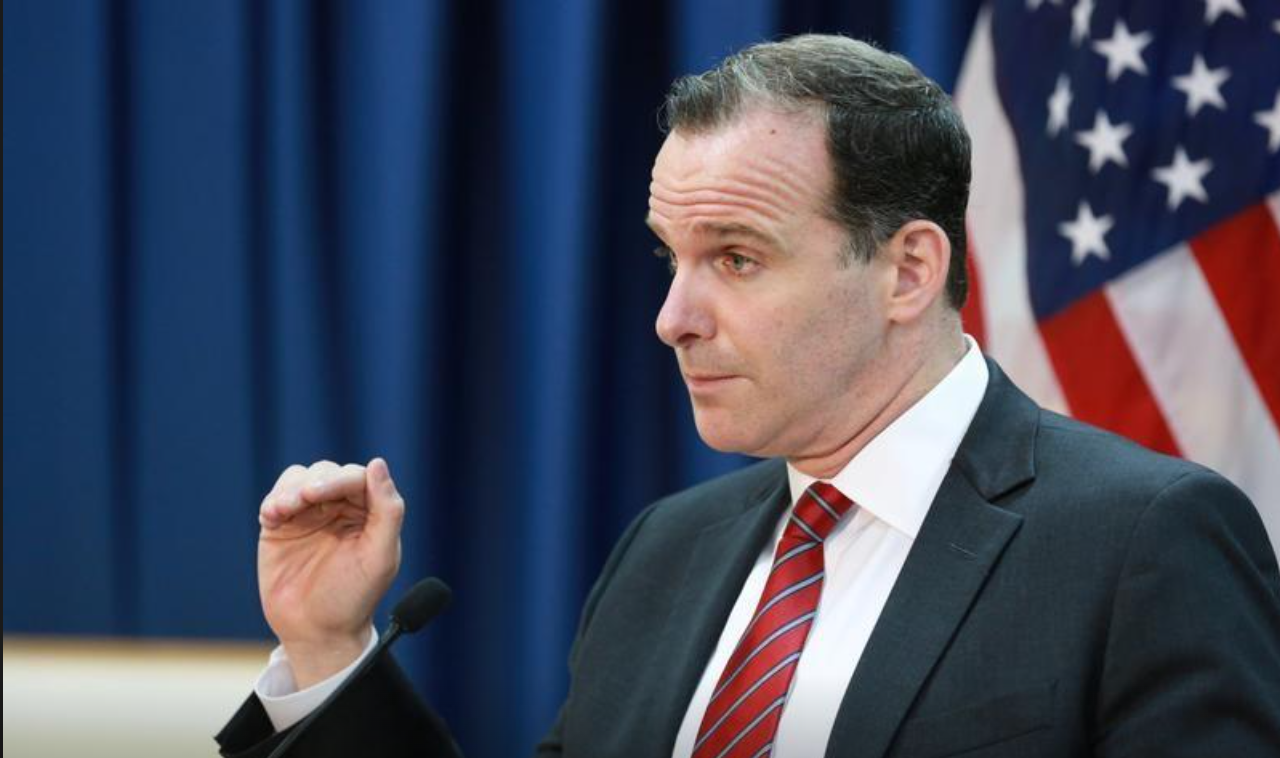
Brett McGurk, White House coordinator for the Middle East and North Africa, speaks at the U.S. Embassy in Baghdad, Iraq, in 2017.
Although negotiations have shown some signs of progress, a source said the parties have not yet formally reached any agreement. Notable advances in the talks include the US allowing Iraq to pay a $2.76 billion energy debt to Iran. According to the US State Department, this money will be used by Iran to purchase items such as food and medicine. Washington is also working to urge Tehran to release three US citizens detained in Iran – something the White House has called a top priority.
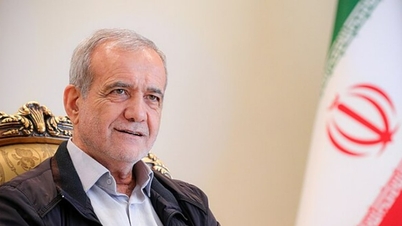
Iran has confirmed the information. The Washington Post quoted Iranian Foreign Ministry spokesman Nasser Kanaani on June 12 as saying that Iran had exchanged messages with the US through Oman as an intermediary "a few weeks ago."
"The basis of negotiations to lift sanctions is the JCPOA. We do not have a new framework. We do not endorse any negotiations for an interim agreement or new agreements to replace the JCPOA," Kanaani said during a briefing.
Russia faces a shortage of mid-range cars due to sanctions, while China and Iran benefit.
According to other Iranian officials, the country will also halt attacks targeting US contractors in Syria and Iraq, expand cooperation with international nuclear inspectors, and limit the sale of ballistic missiles to Russia.
In return, Iran wants the U.S. to ease sanctions, refrain from seizing oil tankers as it most recently did in April, and not push for new sanctions resolutions targeting Iran at the United Nations (UN) or the International Atomic Energy Agency.
Responding to The New York Times , Iran's delegation to the UN declined to provide details about the talks but said that "it is important to create a new atmosphere and move forward from the current situation."
However, the new talks have led some Israeli officials to worry that the U.S. and the West will ease economic pressure on Iran and will be unable to stop Tehran's nuclear activities.
Source link


![[Photo] Prime Minister Pham Minh Chinh holds a phone call with the CEO of Russia's Rosatom Corporation.](/_next/image?url=https%3A%2F%2Fvphoto.vietnam.vn%2Fthumb%2F1200x675%2Fvietnam%2Fresource%2FIMAGE%2F2025%2F12%2F11%2F1765464552365_dsc-5295-jpg.webp&w=3840&q=75)

































































Comment (0)