

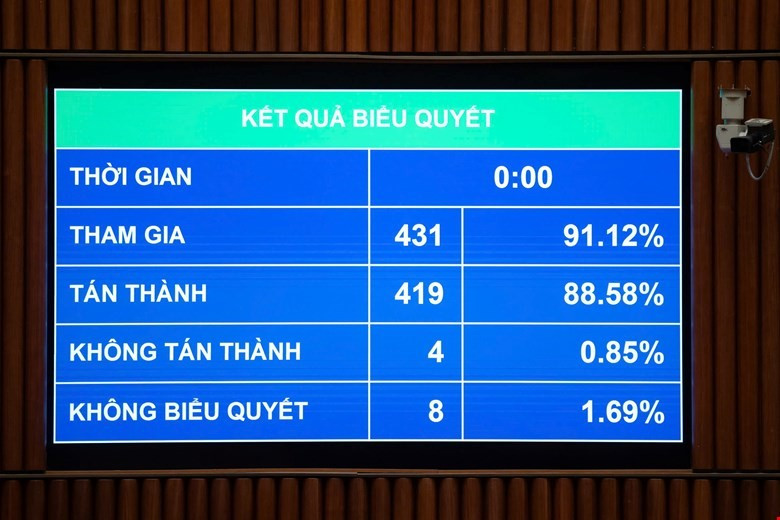
The majority of opinions supported the draft Resolution.
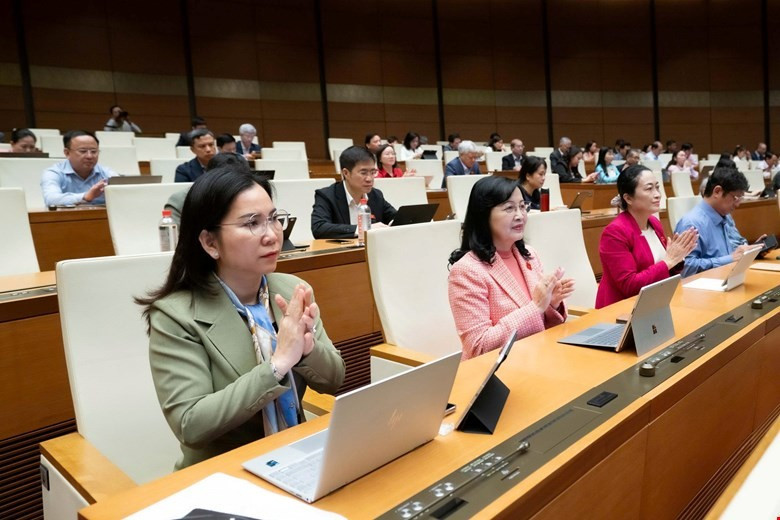
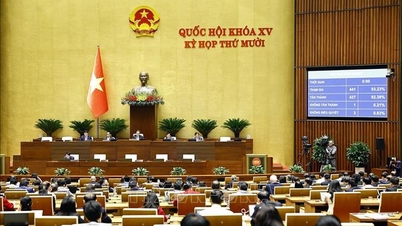
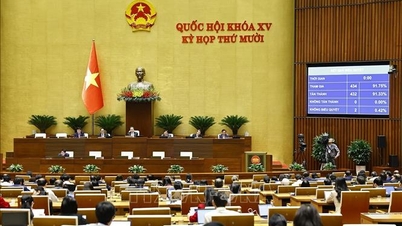
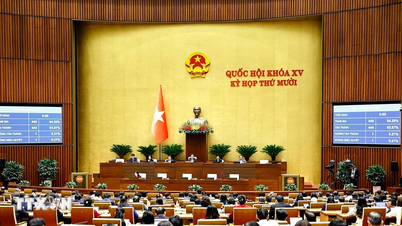
With 419 out of 431 attending delegates voting in favor (88.58%), the National Assembly officially passed the Resolution on some outstanding special mechanisms and policies for breakthrough development in education and training.
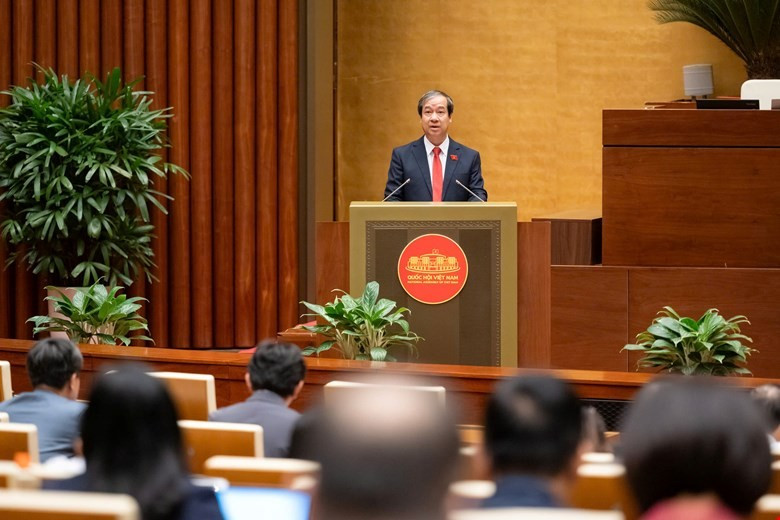
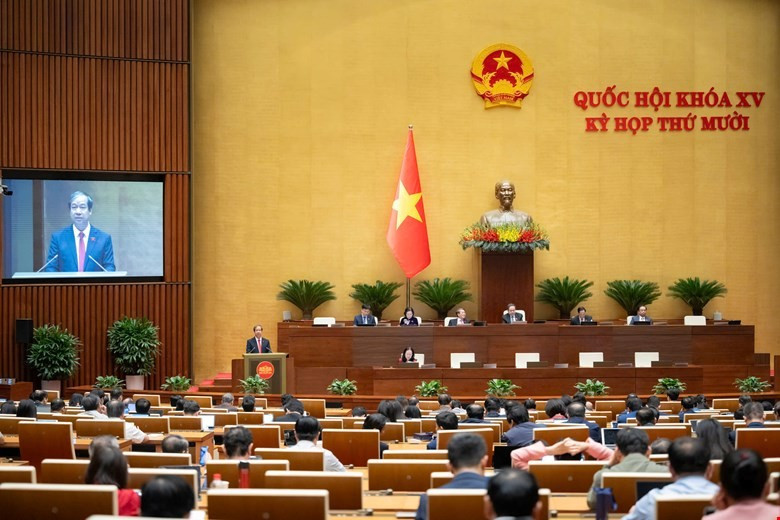
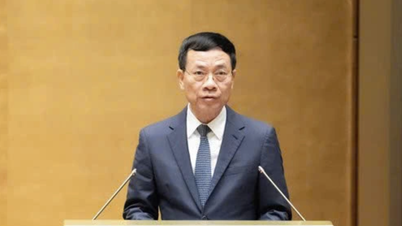
At the plenary session in the assembly hall on the morning of December 10th, on behalf of the Prime Minister, Minister of Education and Training Nguyen Kim Son presented a report on the acceptance, explanation, and revision of the draft Resolution of the National Assembly on some special and outstanding mechanisms and policies to achieve breakthroughs in education and training development.
Previously, on November 17th and 20th, the National Assembly discussed in committees and plenary sessions the draft Resolution of the National Assembly on a number of special and outstanding mechanisms and policies to achieve breakthroughs in education and training development (hereinafter referred to as the draft Resolution).
Based on the opinions of National Assembly deputies, the Government has directed the Ministry of Education and Training to proactively coordinate with the Standing Committee of the National Assembly's Committee on Culture and Social Affairs, and relevant agencies and organizations to seriously and thoroughly consider and explain all opinions.
The explanations, revisions, and amendments to the draft Resolution in the Government's Report No. 1135/BC-CP dated December 3rd have been largely approved by the National Assembly Standing Committee (in Notice No. 4824/TB-VPQH dated December 5th). The Government would like to briefly report on some major points that have been incorporated, revised, and finalized in the draft Resolution as follows:
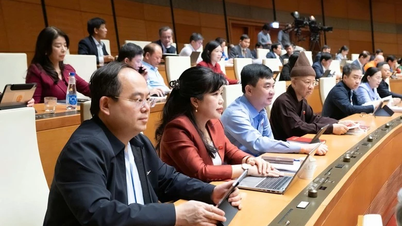
During the group and plenary discussions, 104 National Assembly delegates expressed their opinions on the draft Resolution, with the majority agreeing with its content. In addition, some opinions focused primarily on clarifying the feasibility of delegating the authority to recruit and appoint personnel in public educational institutions to the Director of the Department of Education and Training; the resources and roadmap for implementing the policy on preferential allowances for teachers; and the resources and methods for implementing a single set of textbooks.
Based on the opinions of National Assembly deputies, the Government has directed the completion of the draft Resolution in order to fully institutionalize the Politburo's guiding principles in Resolution 71-NQ/TW and to codify many policies mentioned in the draft Resolution, clearly demonstrating innovative and groundbreaking thinking to promote the development of education and training.
Many preferential policies
The government has incorporated and revised the draft Resolution to improve the mechanism for recruiting, utilizing, and managing human resources according to clearly defined levels of authority. The Director of the Department of Education and Training is responsible for recruiting and accepting personnel at public educational institutions within the province and for deciding on the transfer, reassignment, secondment, appointment, and change of job positions for cases falling under their authority or involving two or more communes.
The Chairman of the People's Committee at the commune level is responsible for the transfer, reassignment, secondment, appointment/dismissal, and changes in job positions for personnel in public educational institutions under the commune's management.
Simultaneously, the mechanism for autonomy is added for vocational and higher education institutions in determining job positions, recruiting, and signing contracts with foreign experts and scientists (PhDs) and Vietnamese residing abroad, and confirming exemption from work permits for up to 3 years for teaching and research.
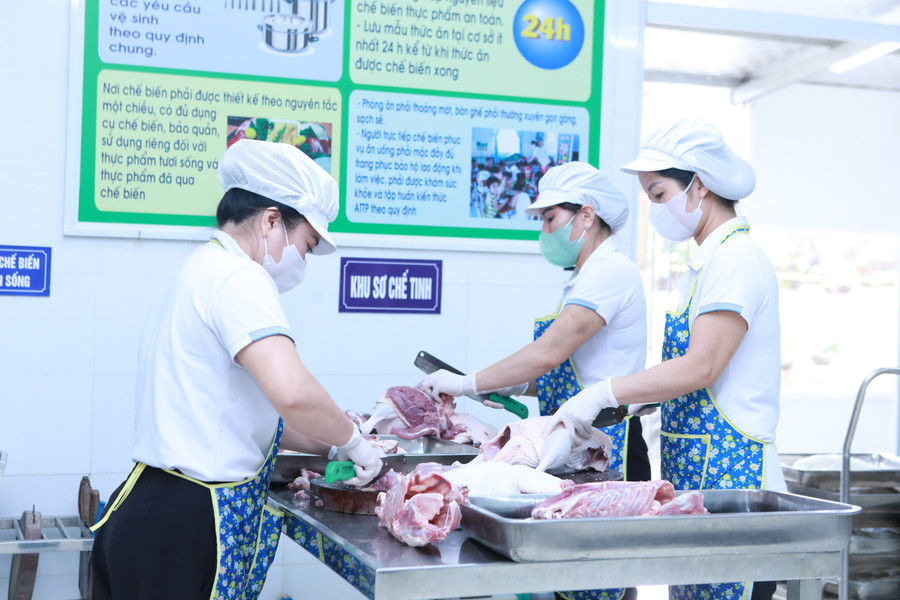
Regarding remuneration, regulations stipulate preferential allowances for vocational training according to a roadmap, with a minimum of 70% for teachers, a minimum of 30% for staff, and 100% for teachers in particularly difficult areas, ethnic minorities, border regions, and islands; at the same time, vocational and higher education institutions are allowed to independently decide on additional income from legitimate non-budgetary revenue sources that are retained.
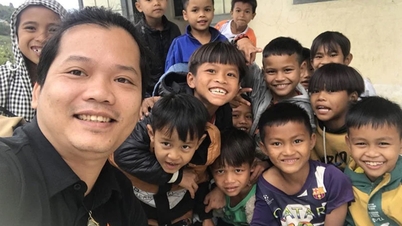
The government also incorporated and revised the draft Resolution to standardize textbooks and the roadmap for ensuring learning materials, while expanding cooperation in curriculum development. The Minister of Education and Training decided on a single set of general education textbooks to be used nationwide from the 2026-2027 school year; by 2030, free textbooks will be provided to students, prioritizing areas with special difficulties, ethnic minority areas, mountainous regions, border areas, and islands.
The State guarantees resources to provide tuition-free education and textbooks for the subject of National Defense and Security at vocational and higher education institutions according to a roadmap, consistent with the State budget balance and relevant laws. At the same time, it allows educational institutions to cooperate with scientific and technological organizations, research institutes, businesses, and other organizations to implement education and training programs linked to the needs of the labor market, scientific research, and innovation.
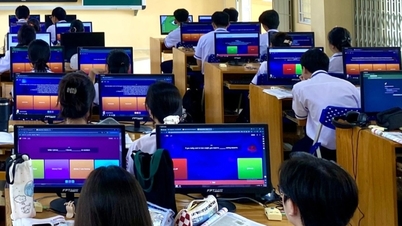
The State prioritizes resources for building a national database on education and training; and simultaneously invests in digital infrastructure and shared digital platforms, ensuring connectivity and interoperability throughout the entire system. By 2030, higher education institutions will complete their digital infrastructure and platforms, ensuring synchronization and interoperability; while also encouraging businesses to invest in and develop digital education products and services through public-private partnerships.
The Government has incorporated and revised the draft Resolution to ensure that students have access to preferential credit from the Social Policy Bank to cover their study and living expenses as stipulated; at the same time, the Government will consider and submit to the competent authority a priority mechanism for supplementing capital for this Bank to ensure the implementation of the policy.
For specialized fields such as arts and high-performance sports, the draft regulations stipulate a mechanism for early talent discovery, selection, and nurturing; the application of long-term training assignments/orders (with full special costs) and allowing training institutions to sign contracts with artisans, artists, and coaches to perform professional tasks, ensuring funding as prescribed.
Allocate more resources to education.
The Government has incorporated and revised the draft Resolution to empower provincial People's Councils to decide on supplementing medium-term investment projects in the field of education and training, and supplementing approved land use plans without waiting for the next adjustment period; at the same time, the procedures for changing land use purposes, allocating land, and leasing land for these projects will be carried out according to the simplified procedures stipulated by the Government.
In addition, the provincial People's Committee is responsible for prioritizing the allocation of sufficient land for educational and training facilities in the provincial planning and provincial land use planning; prioritizing the use of land managed by state agencies and organizations, and surplus public buildings to attract investment; and allowing organizations and individuals to lease surplus public buildings and state-owned facilities to serve educational and training activities.
At the same time, it allows the conversion of certain types of land (residential land; land for constructing agency headquarters and non-educational facilities; land for non-agricultural production and business) to educational and training purposes without being based on land use planning or plans.
At the same time, the State guarantees that at least 20% of the total state budget expenditure will be allocated to education and training; budget allocations from increased revenue sources will be made to develop education and training, prioritizing areas with particularly difficult socio-economic conditions.
The government has incorporated and revised the draft Resolution to stipulate that within a period not exceeding 6 months from the date the School Council ceases its activities, the agency directly managing the educational institution shall decide on the temporary implementation of management and operational tasks under the authority of the School Council related to organization and personnel; and simultaneously decide on the head of the institution based on the standards and conditions prescribed by the Ministry of Education and Training. For details of the summary report on the incorporation, explanation, and revision of the draft Resolution, readers can view it HERE.
Source: https://giaoducthoidai.vn/nang-phu-cap-uu-dai-nghe-70-voi-giao-vien-va-30-cho-nhan-vien-post759994.html


























![[Video] The craft of making Dong Ho folk paintings has been inscribed by UNESCO on the List of Crafts in Need of Urgent Safeguarding.](https://vphoto.vietnam.vn/thumb/402x226/vietnam/resource/IMAGE/2025/12/10/1765350246533_tranh-dong-ho-734-jpg.webp)














































Comment (0)