

Law graduate...cannot draft a contract
Opening the seminar, Master Tran Cao Thanh – Secretary of the Executive Board of the Network of Law Training Institutions in Vietnam – stated that many law students, despite having good academic records, are unable to draft basic documents and contracts when they start working. This is an "alarming" situation.
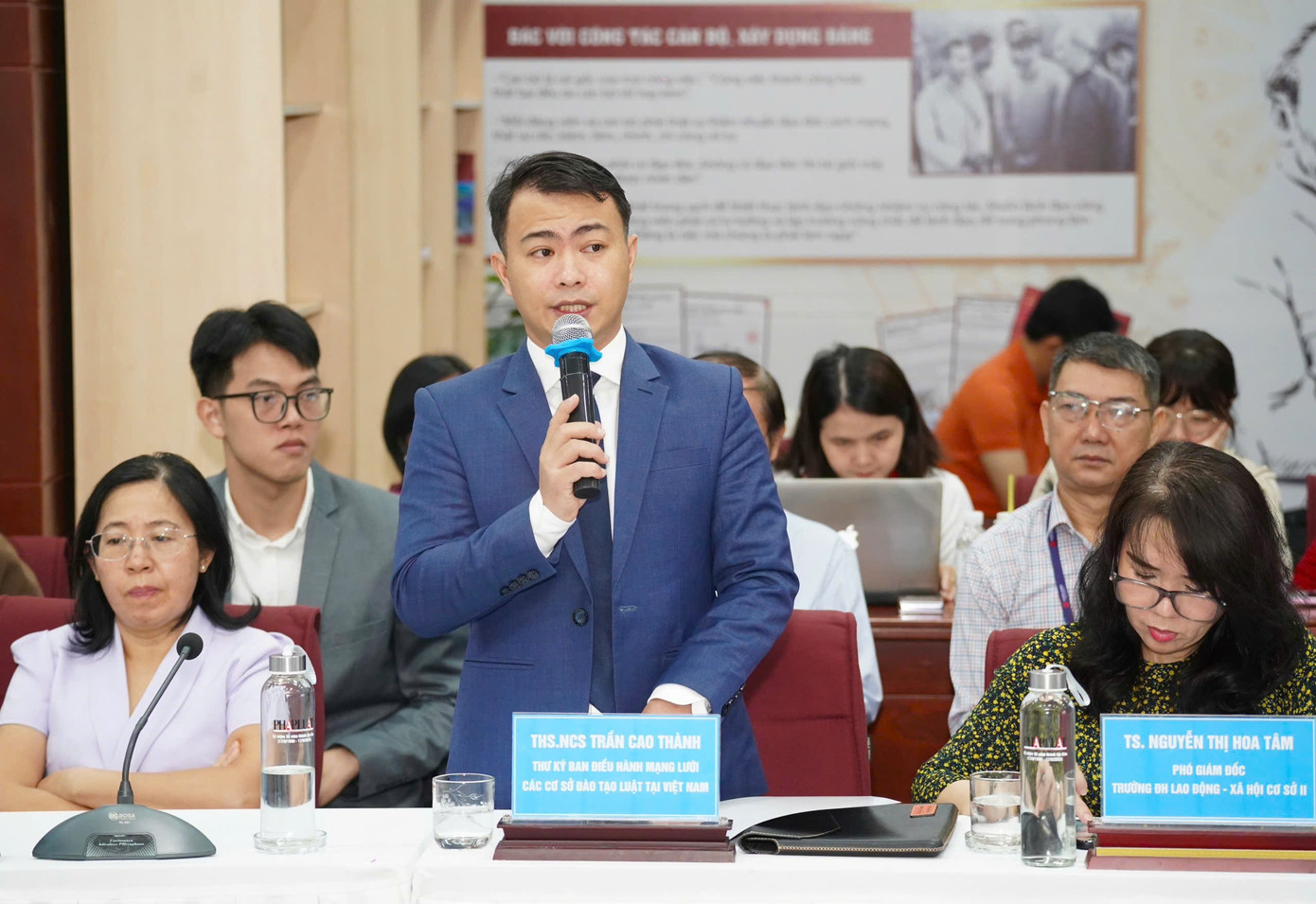
According to Mr. Thanh, Vietnam currently has three models of legal education: specialized law schools; law faculties within multidisciplinary universities; and law departments within faculties of multidisciplinary universities. In particular, the third model, if not properly invested in terms of faculty, facilities, and scientific research, will struggle to meet training standards, limiting students' access to practical legal experience, research activities, and professional skills development.
Mr. Thanh argued that although regulations exist for opening new programs, the quality of training still varies greatly between institutions, leading to a lack of uniformity in output standards.
From the perspective of legal professionals, Dr. Nguyen Gia Vien – Senior Prosecutor of the Supreme People's Procuracy – warned: "Most students today cannot even perform the most basic skill of drafting documents according to standards."
Mr. Vien asserted that many organizations are forced to retrain all their staff, including those in legal foreign languages, leading recruitment agencies to trust and hire candidates from a few familiar schools. This inadvertently narrows job opportunities for students from other institutions.
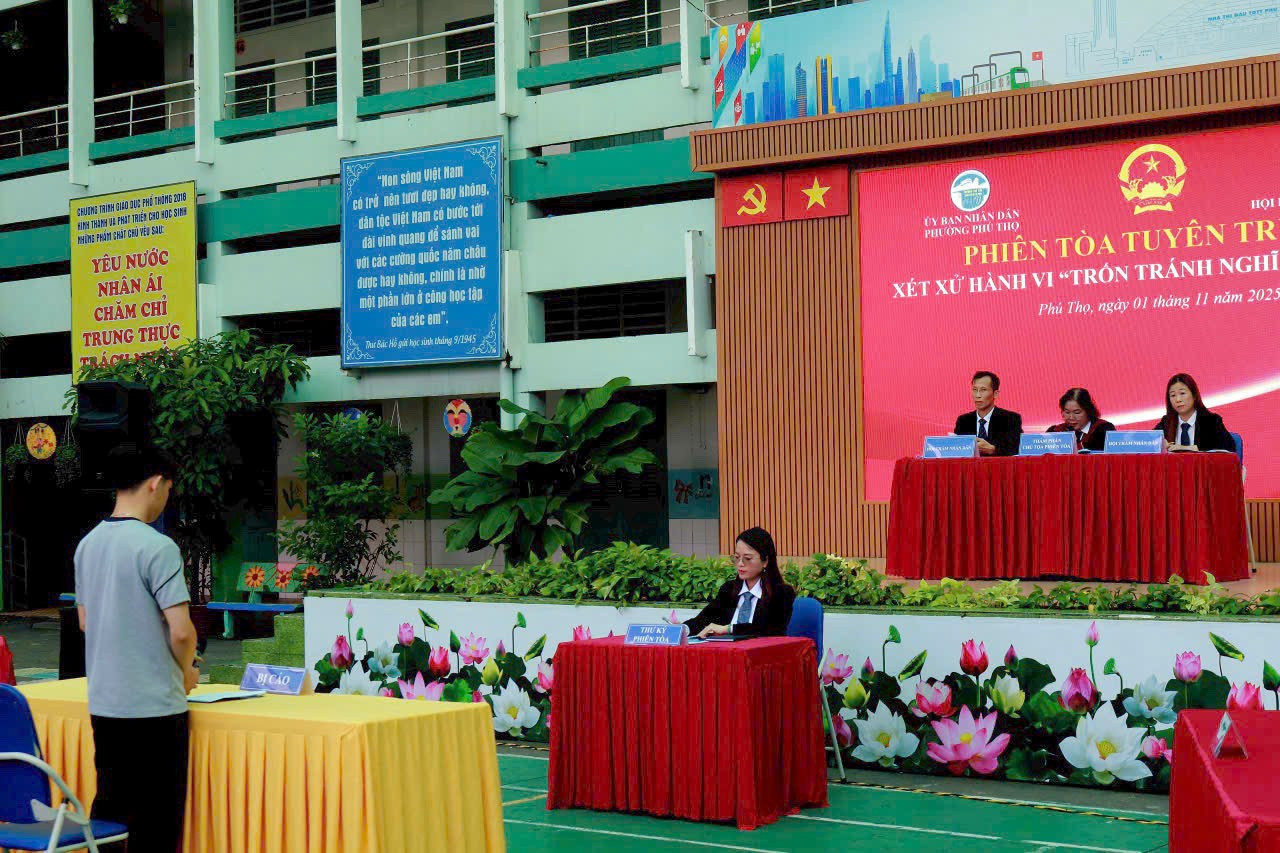
Mr. Vien suggested that training should be more closely linked to practice, with increased hands-on activities and aligned with the spirit of digital transformation as outlined in Resolution 57.
There should be no monopoly on training law graduates.
Acknowledging the uneven quality of training, Associate Professor Dr. Le Vu Nam, Vice Rector of the University of Economics and Law (Vietnam National University Ho Chi Minh City), pointed out the causes, both subjective and objective, including the reduction in the number of credits in training programs and the limited practical experience of lecturers outside the university.
According to Mr. Nam, to improve quality, training institutions need to increase the number of practical credits, invite experts from practice such as lawyers, judges, and prosecutors to participate in teaching; and at the same time, cooperation from employers is needed.
Mr. Nam emphasized: "The issue is not about training in specialized or multidisciplinary schools, but about testing and monitoring to ensure the quality of the graduates."
From a policy perspective, Associate Professor Dr. Le Minh Hung argues that a monopoly mechanism should not be applied to the training of law graduates, as this not only lacks a scientific basis but could also cause significant disruption to the training system.
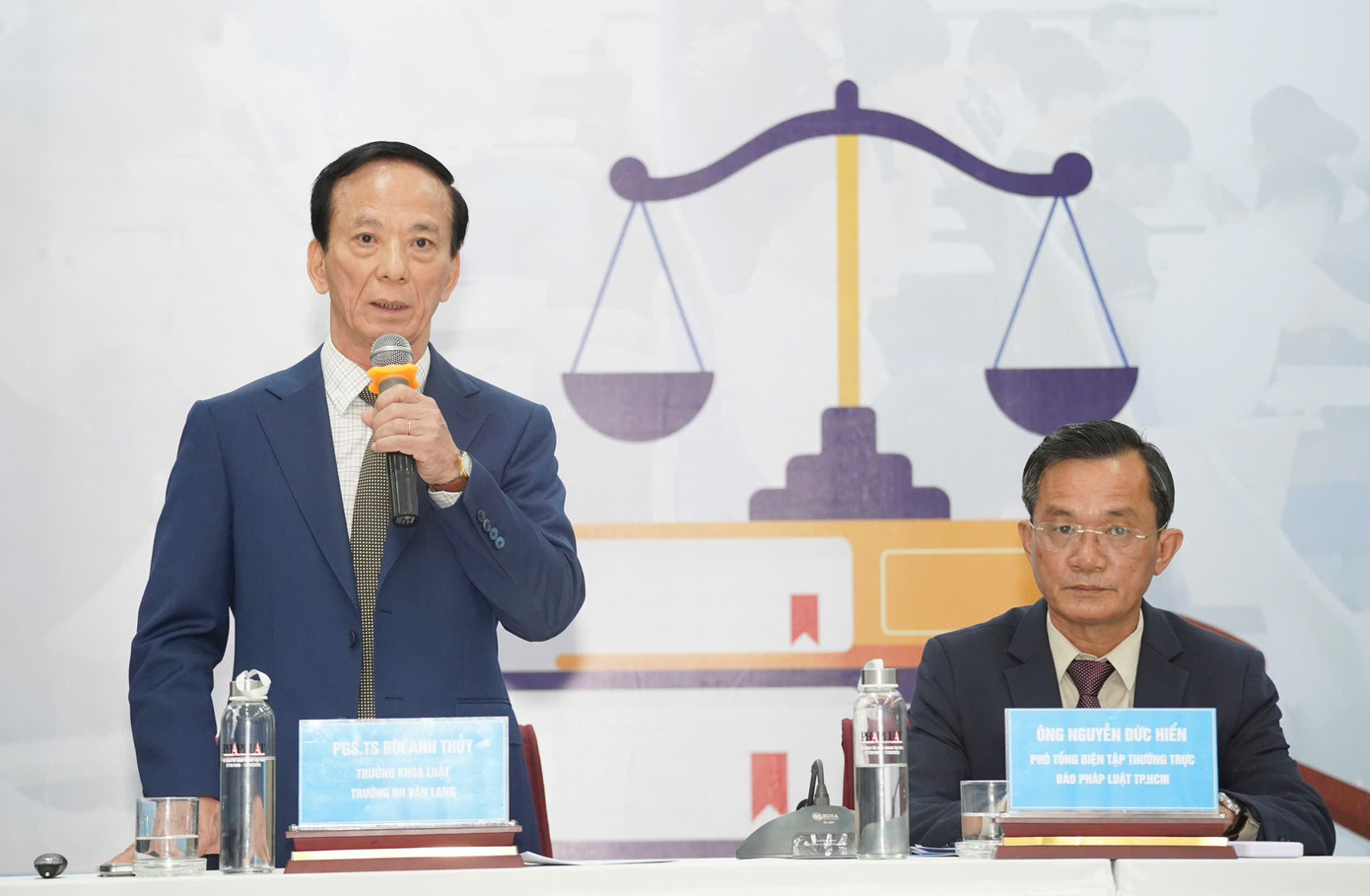
Concurring, Associate Professor Bui Anh Thuy, Head of the Faculty of Law at Van Lang University, stated that the demand for legal personnel is currently very high, not only in the judicial system but also in the private sector, state agencies, and social organizations.
Mr. Thuy cited the example of two central agencies that required the recruitment of civil servants only from 10 public universities with law programs, without relying on specific quality assessment methods, as unreasonable and not reflecting the actual capacity of the entire system.
Mr. Thuy emphasized: The State needs to reach a clear conclusion soon to avoid causing psychological distress to tens of thousands of law students and lecturers currently.
Based on the above analysis, experts agree that the core issue in legal education lies not in the organizational model of the school, but in the actual quality of training, especially practical skills, legal foreign language proficiency, and the ability to meet the needs of the labor market.
Source: https://tienphong.vn/nhieu-sinh-vien-luat-ra-truong-khong-soan-duoc-hop-dong-post1803384.tpo

















![[Photo] Prime Minister Pham Minh Chinh holds a phone call with the CEO of Russia's Rosatom Corporation.](/_next/image?url=https%3A%2F%2Fvphoto.vietnam.vn%2Fthumb%2F1200x675%2Fvietnam%2Fresource%2FIMAGE%2F2025%2F12%2F11%2F1765464552365_dsc-5295-jpg.webp&w=3840&q=75)
















































Comment (0)