

In the context of many agricultural import markets continuously introducing new regulations on maximum residue limits (MRLs) for pesticides, Mr. Nguyen Quang Hieu - Deputy Director of the Plant Protection Department (Ministry of Agriculture and Rural Development) - has issued recommendations for farmers.
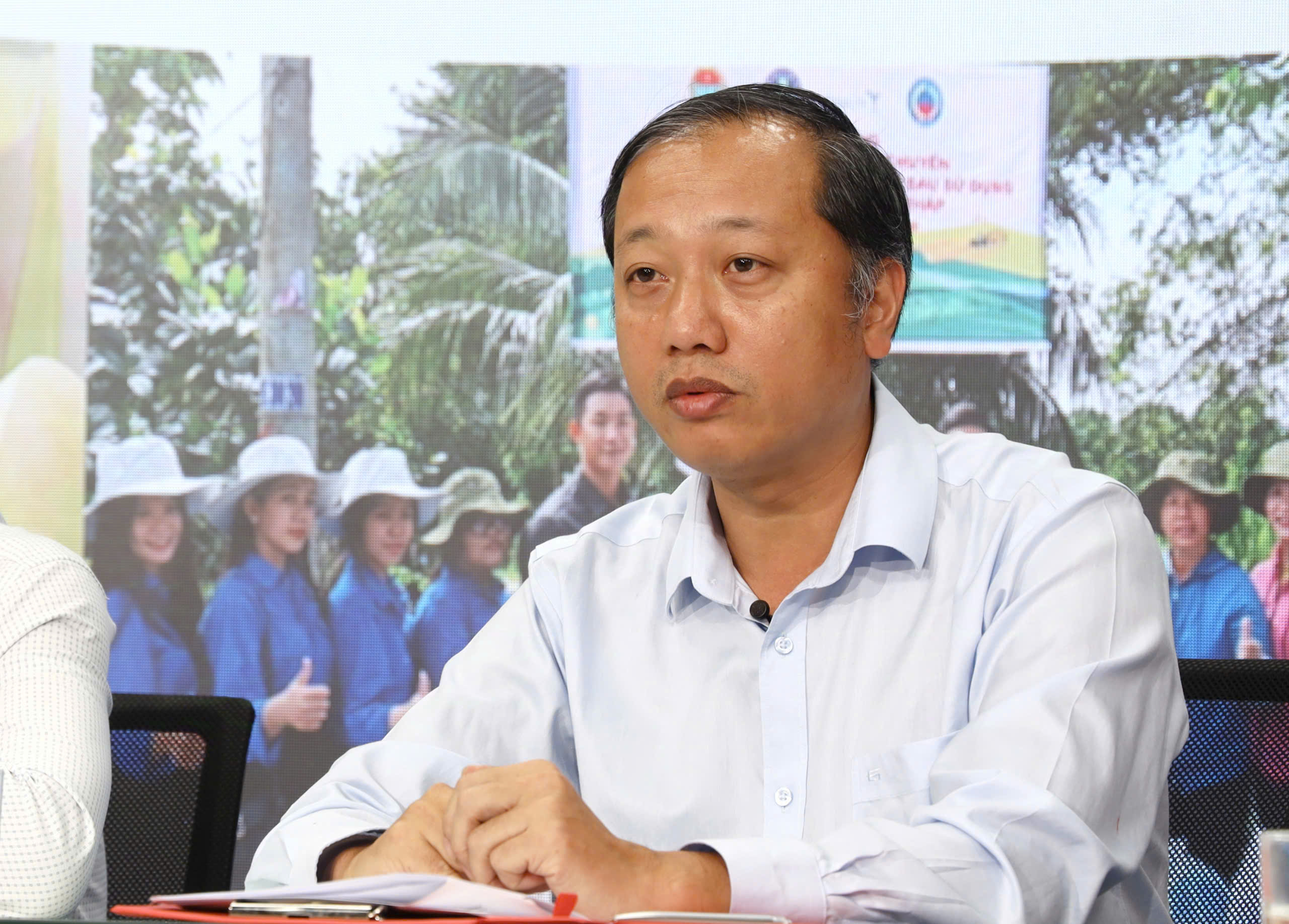
Mr. Nguyen Quang Hieu - Deputy Director of the Plant Protection Department (Ministry of Agriculture and Rural Development).
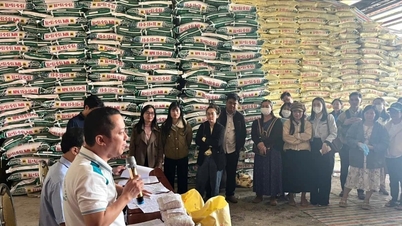
Mr. Nguyen Quang Hieu, Deputy Director of the Plant Protection Department (Ministry of Agriculture and Rural Development), gave recommendations to farmers on the use of pesticides for crops at the recent seminar: Research, Development and Management of Pesticides, jointly organized by the Plant Protection Department, the Vietnam Croplife Association, the Vietnam Pesticide Manufacturers and Traders Association (VIPA), and the Nong Thon Ngay Nay/Dan Viet newspaper.
Pesticides are an essential tool for protecting crops from diseases and pests, yet their overuse continues to this day. How is pesticide management currently being implemented, sir?
- Pesticides are essential tools for protecting crops from pests and diseases, ensuring food safety, and increasing agricultural productivity. However, we must also acknowledge that, if not used correctly, pesticides can cause undesirable effects on the environment and human health. Therefore, understanding and applying solutions for safe and effective pesticide management and use is an urgent task requiring the cooperation of all stakeholders.
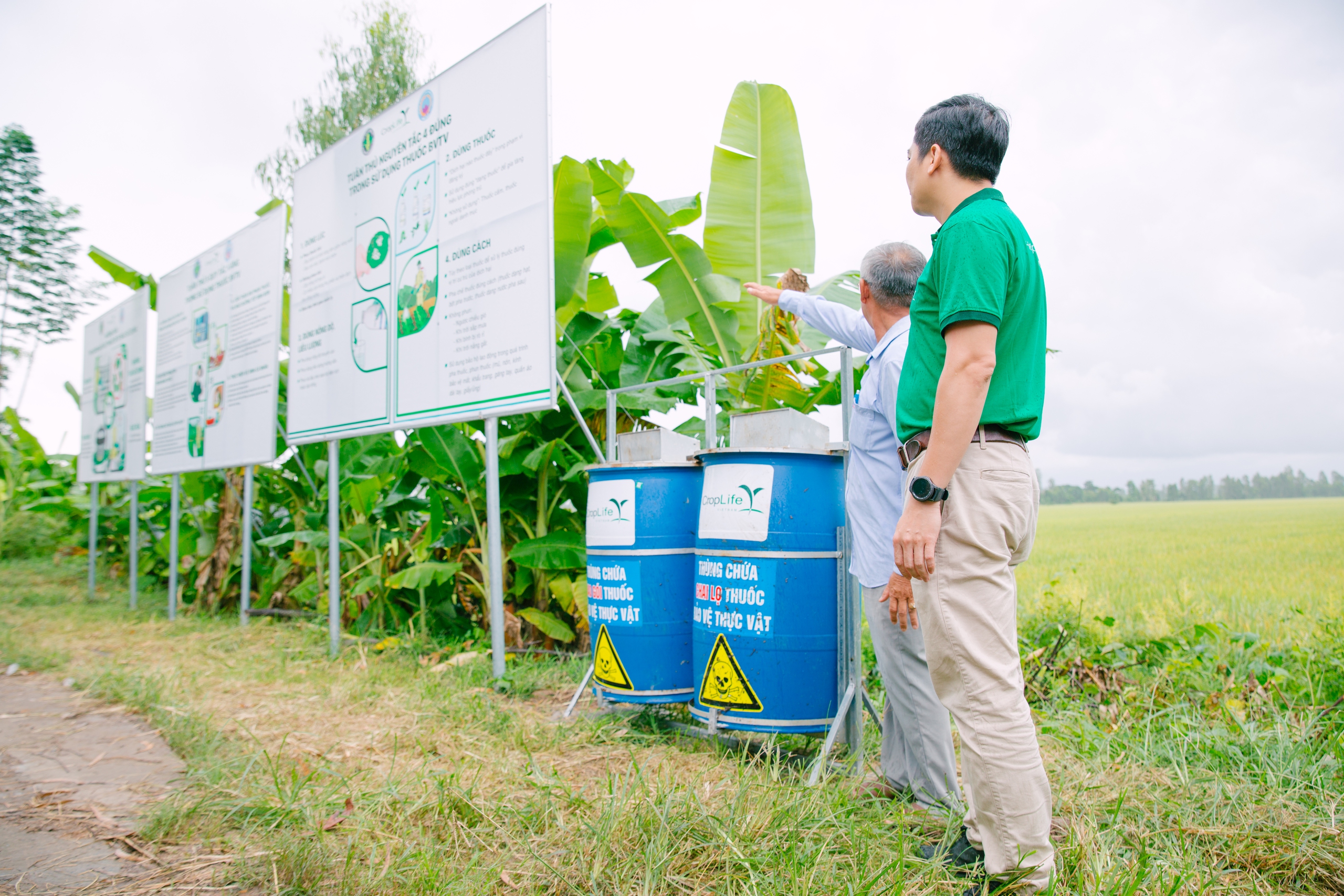
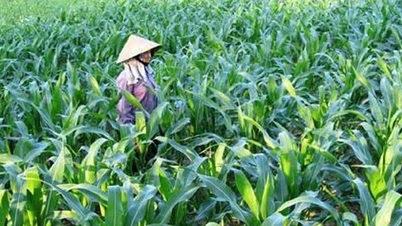
The model for using plant protection products was implemented in Dong Thap province by the Plant Protection Department in coordination with the Vietnam Croplife Association. Photo: AT
Pesticides are goods subject to conditional business regulations, belonging to group 2 as stipulated in Circular No. 16/2021/TT-BNNPTNT. Therefore, after registering them in the List of Pesticides Permitted for Use in Vietnam, organizations and individuals need to obtain product quality conformity certification before circulating them on the market.
Over the years, the Plant Protection Department has collaborated with associations to implement long-term programs aimed at providing detailed guidance and necessary technical support so that farmers and businesses can use pesticides safely, minimize potential risks, and meet the requirements of domestic and international markets.
Regarding the management of plant protection products, in the current period, the system of legal documents has been fully and comprehensively developed, from laws and decrees to guiding circulars, ensuring consistency and harmony with regional and international standards in the process of economic integration. This creates a solid legal framework, enhancing the effectiveness of state management of plant protection products by strictly controlling all stages.
Furthermore, the assignment and delegation of responsibilities in the management and supervision of pesticide use have been clearly and strictly regulated in legal documents, raising awareness and responsibility among pesticide users to comply with regulations, ensuring safety for humans, animals, plants, the environment, and food safety.
According to Article 48 of the Law on Plant Protection and Quarantine, plant protection products are goods subject to conditional business regulations and must be managed according to a list. Annually, the Minister of Agriculture and Rural Development issues a list of plant protection products permitted for use in Vietnam and a list of plant protection products prohibited from use in Vietnam. According to Circular 09/2023/TT-BNNPTNT dated October 24, 2023, there are currently over 4,500 registered trade names permitted for use in Vietnam.
Ten years have passed, and we have found that the law is very stable. Organizations and individuals are permitted to import, manufacture, trade, and use plant protection products included in the list of plant protection products permitted for use in Vietnam.
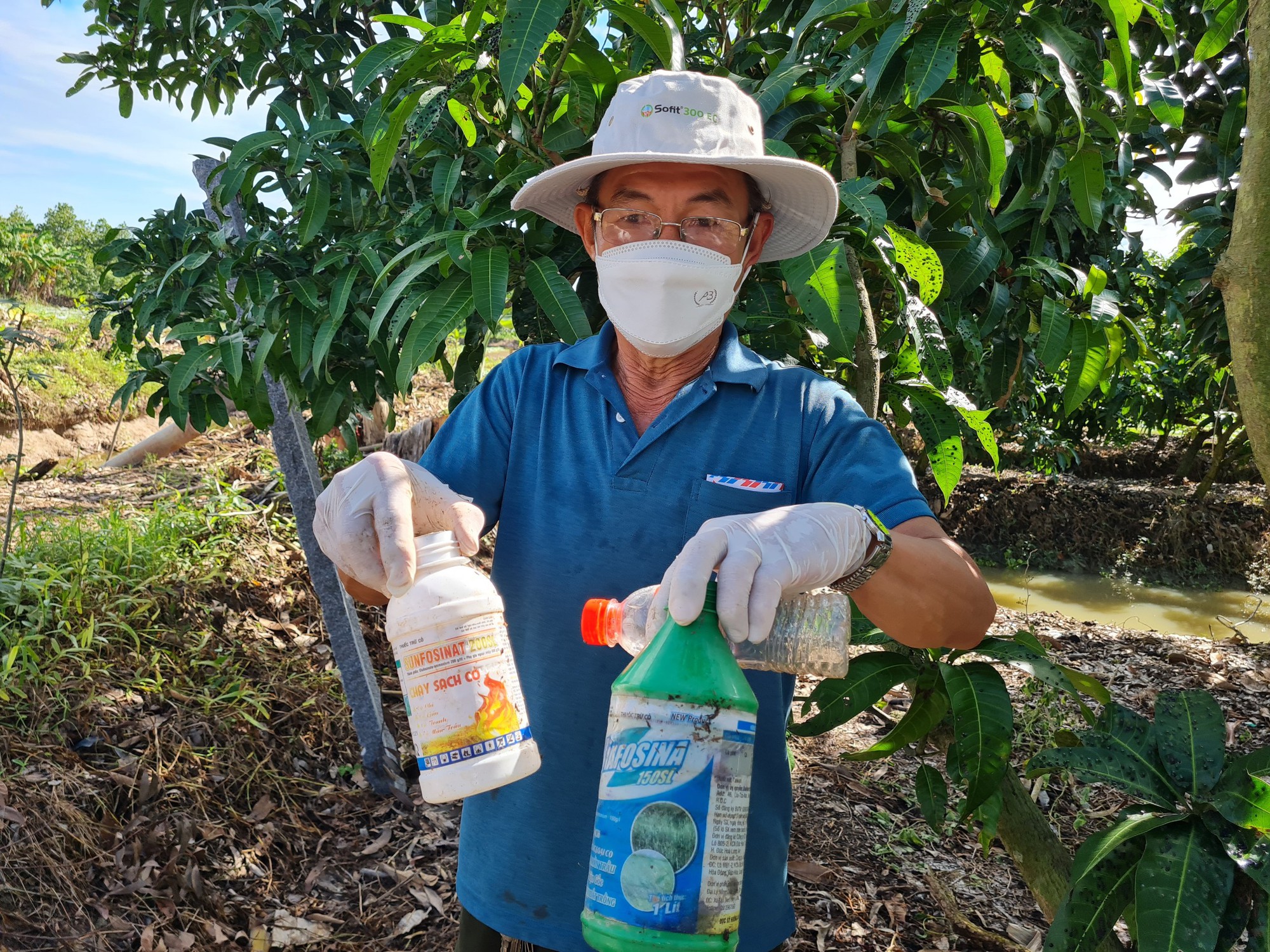
Farmers in Lap Vo district, Dong Thap province, collect empty pesticide containers and transport them to designated disposal sites in accordance with regulations. Photo: AT
5 "Golden" Rules for Using Plant Protection Products
Mr. Nguyen Huu Quang, an expert from the CropLife Vietnam Association, shared five crucial golden principles for us when using pesticides:
First, understand the safety instructions on the label. When buying, we must check how the medicine bottle is packaged, whether the instructions are complete, and how the medicine should be transported...
Secondly, strictly adhere to the measurement ratios and instructions regarding the toxicity level of the drug and the required withdrawal period.
Third, protective equipment must be used to ensure the safety of the person spraying.
Fourth, after spraying, if the container still contains a lot of pesticide, the proper disposal method, including rinsing the container, must be strictly followed.
Finally, maintain good personal hygiene after the spraying. Thoroughly clean your eyes, nose, ears, hands, feet, and other external body parts. The more thorough your hygiene, the safer you will be.
According to him, what challenges is the Vietnamese plant protection industry facing in implementing the policy of developing a green and sustainable agriculture ?
- In my opinion, the biggest challenge facing the plant protection industry today is how to properly understand plant protection products so that we can use them correctly, ensuring safety for health and the environment, as well as contributing to the sustainable development of agriculture. Currently, due to climate change, new harmful organisms are emerging, so the list of plant protection products also needs to keep pace with the development of these harmful organisms.
In addition, Vietnam's agricultural export market is expanding rapidly with impressive figures; however, all export markets impose strict regulations on food safety and pesticide residue levels.
In the long run, these regulations will become increasingly stringent, therefore user awareness also needs to be raised to ensure compliance not only in our country, but also to meet the requirements of export markets.
Currently, the Plant Protection Department has many programs to support businesses and farmers in meeting the above requirements, such as organizing training courses, developing usage procedures; eliminating low-efficacy pesticides that are harmful to human health and the environment; and encouraging agencies and businesses to research and register new products with better efficacy.
As you mentioned, markets now impose strict regulations on residue control and food safety. What advice do you have for farmers to ensure compliance and help Vietnamese agricultural products conquer more markets?
- The residue limits for imported agricultural products in countries around the world currently comply with general regulations and may also be subject to the requirements of the importing country or territory, with the general trend being to increasingly raise and tighten residue limits.
Information regarding changes in pesticide residue control levels is widely disseminated by the Vietnam National Notification and Inquiry Point Office on Sanitary and Phytosanitary Measures under the Ministry of Agriculture and Rural Development (Vietnam SPS Office). This office is responsible for disseminating information and answering questions on food safety and hygiene and plant and animal quarantine regulations; and requesting WTO member countries to provide information on risk assessment measures and procedures, inspections, and other related issues concerning food safety and hygiene and plant and animal quarantine.
Currently, we are moving towards sustainable agriculture, therefore it requires all citizens, cooperatives, and businesses to be responsible for using pesticides safely, effectively, and responsibly.
I believe that a thorough understanding of regulations regarding the use of pesticides is crucial. In the age of information technology and the internet, people can learn and equip themselves with knowledge, especially with the support of Big Data or AI – technologies that are becoming more accessible to everyone.
I urge farmers to be wise and responsible for their agricultural products by using pesticides effectively and safely, ensuring pest and disease control while also being safe for the environment and people, and meeting export standards.
Thank you, sir!
Source: https://danviet.vn/nong-dan-phai-la-nha-thong-thai-khi-su-dung-thuoc-bao-ve-thuc-vat-cho-cay-trong-20241110180404972.htm


![[Photo] Closing Ceremony of the 10th Session of the 15th National Assembly](/_next/image?url=https%3A%2F%2Fvphoto.vietnam.vn%2Fthumb%2F1200x675%2Fvietnam%2Fresource%2FIMAGE%2F2025%2F12%2F11%2F1765448959967_image-1437-jpg.webp&w=3840&q=75)







































![[OFFICIAL] MISA GROUP ANNOUNCES ITS PIONEERING BRAND POSITIONING IN BUILDING AGENTIC AI FOR BUSINESSES, HOUSEHOLDS, AND THE GOVERNMENT](https://vphoto.vietnam.vn/thumb/402x226/vietnam/resource/IMAGE/2025/12/11/1765444754256_agentic-ai_postfb-scaled.png)







































Comment (0)