

From a bold idea to a business model that generates stable revenue.
Having started out in various professions – from factory worker and service business to tourism and hospitality – Mr. Vo Van Nguyen (residing in Nam Village, Hung Nguyen Nam Commune, Nghe An Province) quickly recognized the potential of civet cat in the specialty food supply chain.
During a visit to a civet farm in the South, noticing that this small animal was easy to raise, rarely got sick, had high economic value, was suitable for the local climate, and could become a stable livelihood model, Mr. Nguyen began to research it thoroughly to experiment. “I found the model very special. Civets rarely get sick, are easy to care for, have a stable market, and high economic value. More importantly, it suits the conditions in my hometown; anyone can raise them, the food is easy to find, and the cost is low,” Mr. Nguyen recalled.
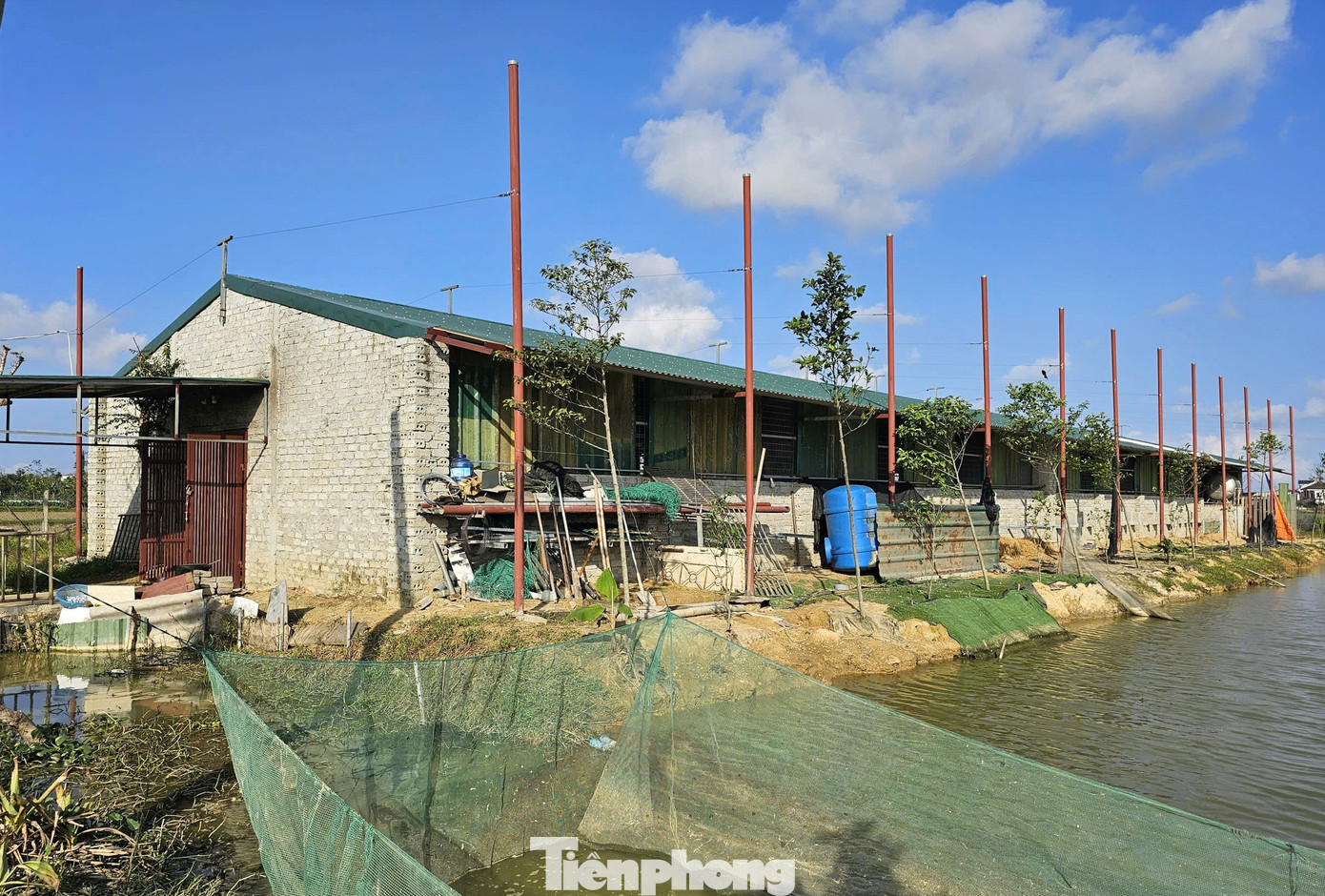
Without hesitation, Mr. Nguyen continued to travel to many places to visit and learn about effective civet farming models. From building cages and caring for the animals to their habits, Mr. Nguyen meticulously memorized everything.
Having gained solid knowledge, he decided to invest in purchasing breeding stock and building semi-industrial, bio-secure enclosures for experimental breeding. “The civet enclosures must be built to be dry, clean, easy to sanitize, prevent diseases, and ensure coolness in summer and warmth in winter. In particular, the enclosures must be quiet, minimizing noise as much as possible – this is a crucial factor determining success or failure in civet farming,” Mr. Nguyen said.
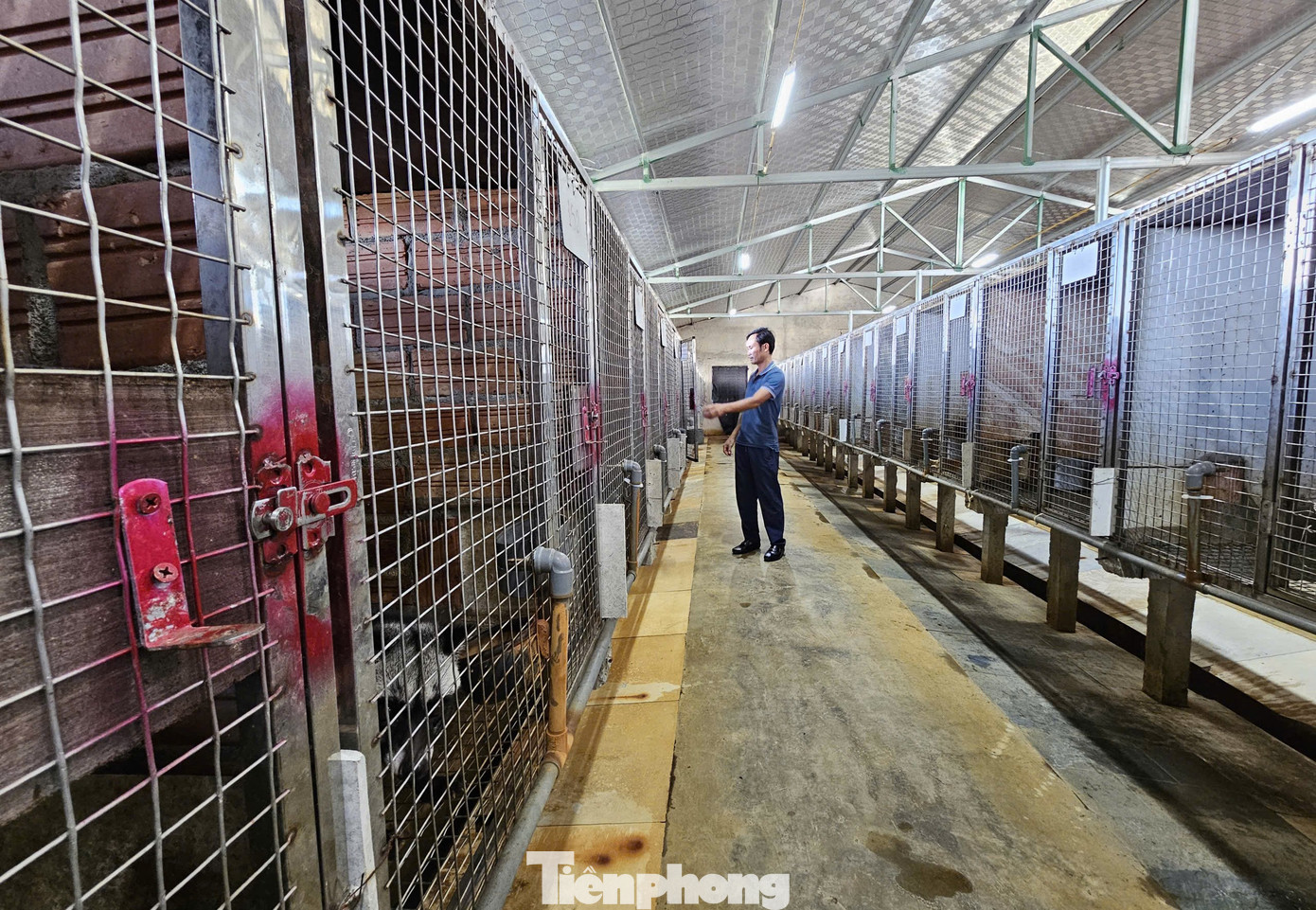
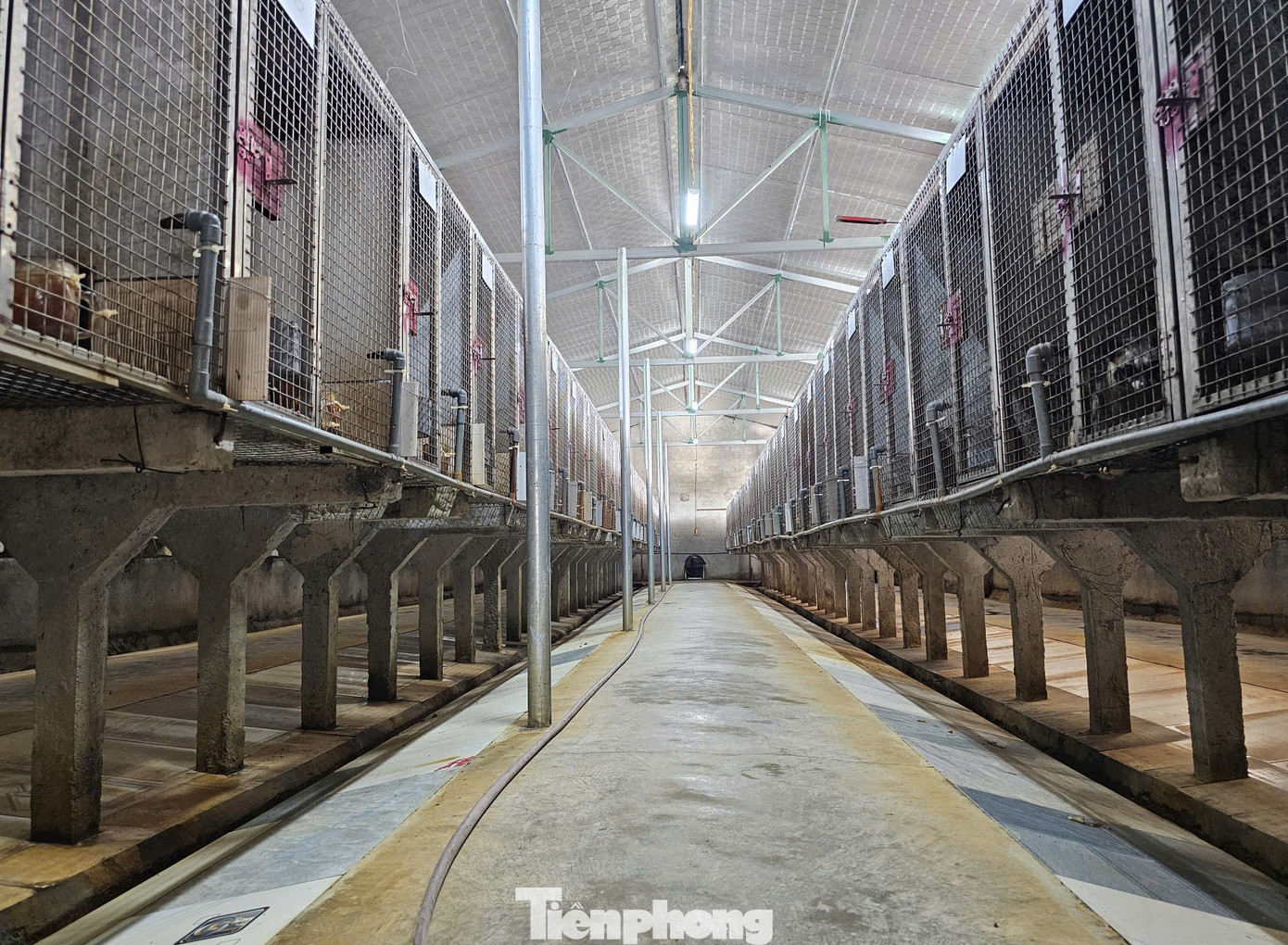
Once the enclosures were complete, Mr. Nguyen bought the first breeding pairs of civets to raise. Under his skillful hands and masterful breeding techniques, the civet herd thrived. In the first year, Mr. Nguyen focused on stabilizing the herd to establish a foundation for breeding. "In the first year, I almost didn't prioritize recouping my investment. I spent time observing the civets, learning their habits, diet, and care methods. Once the herd was stable, breeding and expanding the scale became much easier. In the second year, I focused on building the herd using the civets that had already reproduced. By the third year, the civet herd reproduced significantly, providing a stable source of income," Mr. Nguyen shared.
According to Mr. Nguyen, civets are relatively adaptable pets but are psychologically sensitive. Therefore, their care requires constant observation and strict adherence to hygiene and nutrition procedures.
To ensure the mink population thrives, he focuses on three key factors: a quiet living environment, hygienic cages and disease control, and diverse, safe nutrition. In addition, he emphasizes controlling odors, insects, and rodents to avoid stressing the animals. He also prioritizes providing a balanced diet for stable growth. “Minks are very sensitive to noise, especially metal clanking or other unusual sounds. If stressed, they stop eating or reduce their reproductive rate. Their diet mainly consists of fruits, fish porridge, and a combination of poultry and vegetables. Each mink meal needs to be nutritious enough to support stable growth and good reproduction,” Mr. Nguyen explained, adding that his mink farm is located far from residential areas and is double-layered to minimize noise, helping the minks develop stably.
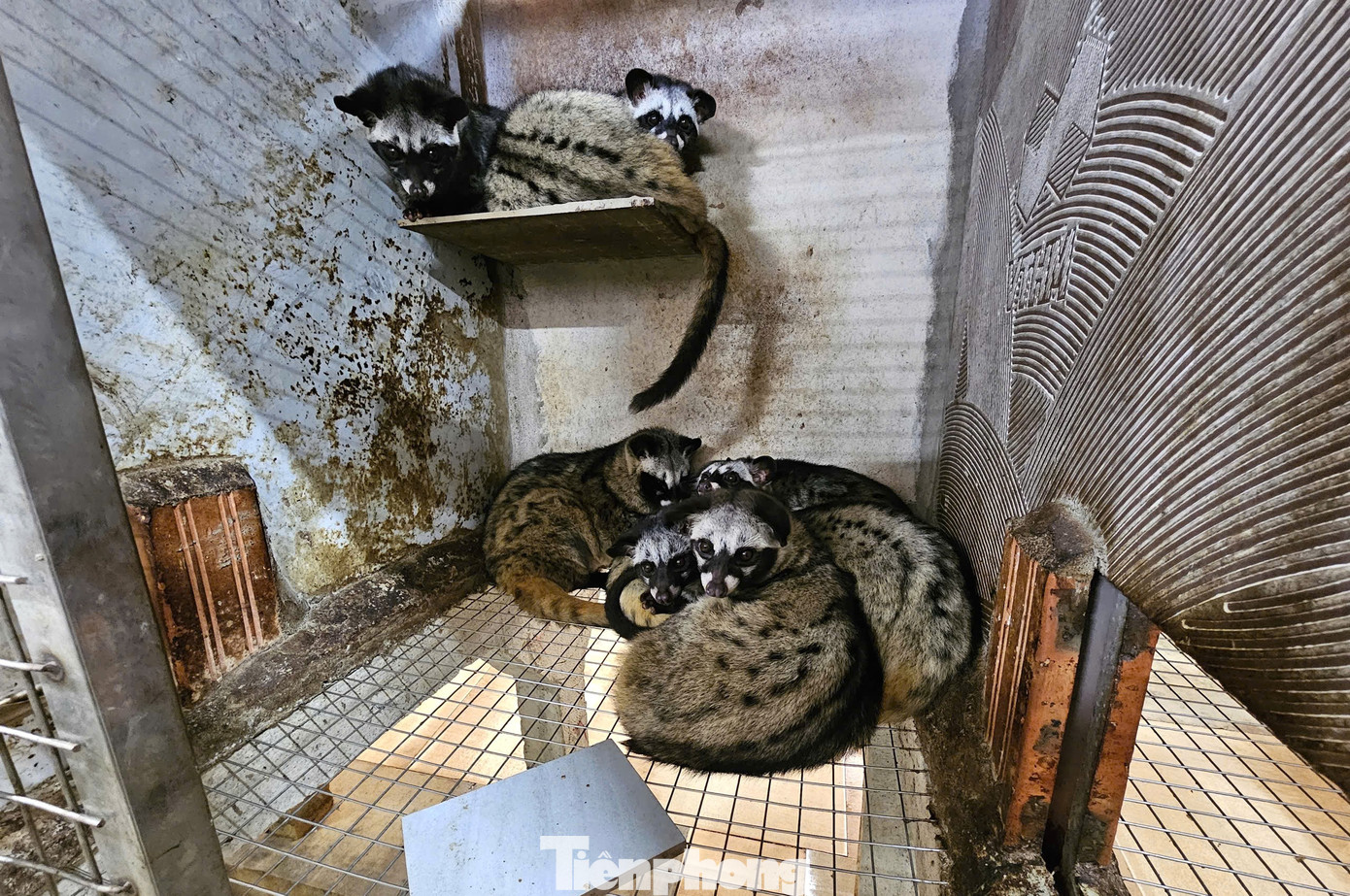
Thanks to a systematic and scientific approach, after three years of implementation, Mr. Nguyen's farm now has over 400 civets. This includes 300 breeding civets and about 100 for commercial purposes. The civets breed regularly, producing 1-2 litters per year, with 2-5 offspring per litter. As a result, the main source of income from selling breeding stock brings his family hundreds of millions of dong in revenue each year.
A safe production model that creates livelihoods for local people.
With its stable economic benefits, the civet farming model is expected to create a stable livelihood for local people. "This job isn't too difficult, but it requires meticulousness and passion. Anyone who is willing to learn and follow the techniques can do it," Mr. Nguyen said, adding that he is ready to support those who want to raise civets by providing technical guidance and supplying healthy, legally sourced breeding stock.
Thanks to its stable model, Mr. Nguyen's farm also provides regular employment for 3-4 local workers, with salaries ranging from 7-10 million VND per month. The work is not too strenuous, mainly involving feeding the minks, cleaning the cages, and monitoring the health of the herd.
Ms. Nguyen Thi Huong, a worker at the farm, shared: “Previously, I worked in agriculture with an unstable income. Since working here, the job is stable, the salary is good, and it's close to home, so I have more opportunities to take care of my family. Thanks to the stable income, I have more money to cover living expenses and pay for my children's education.”
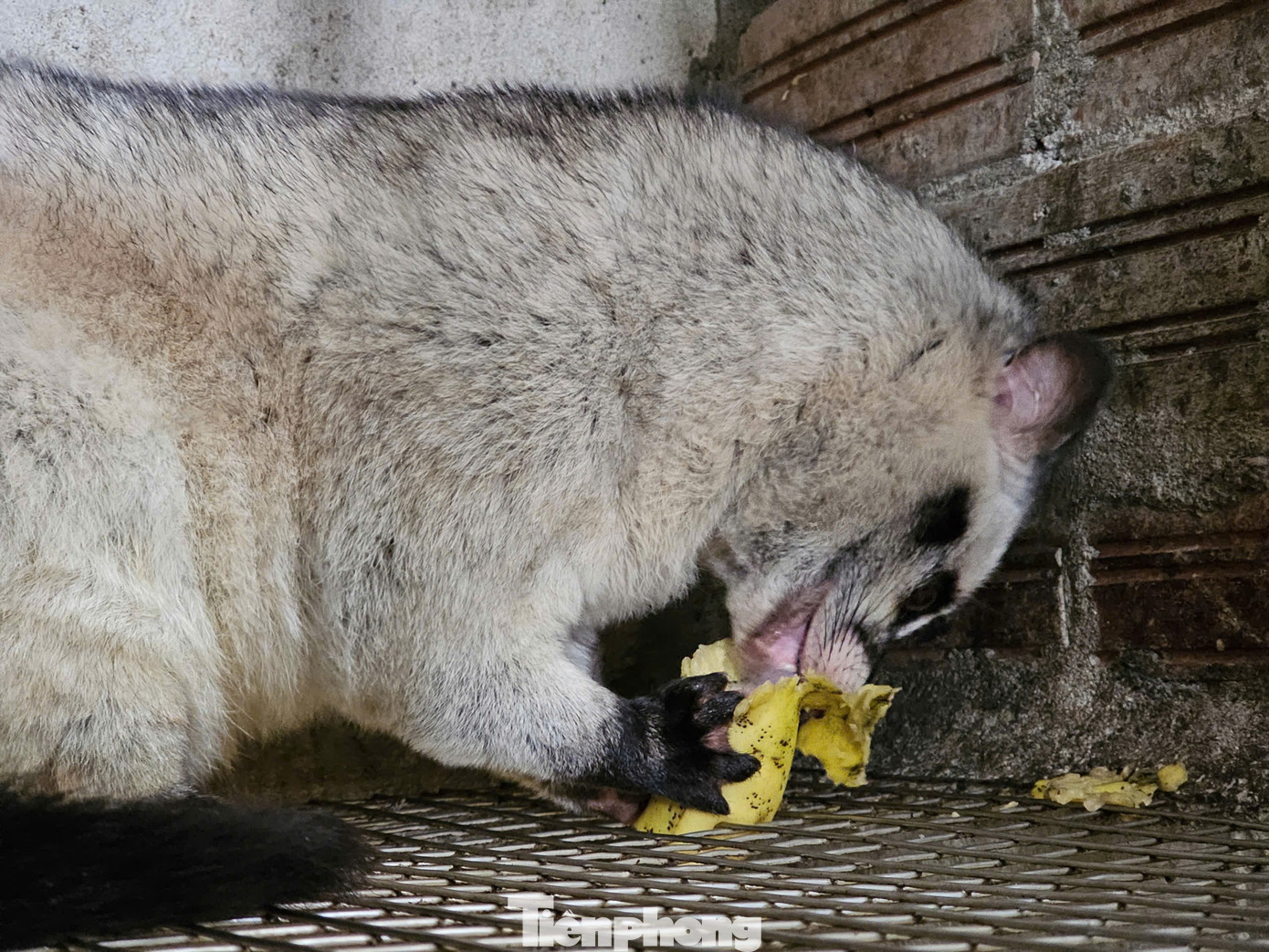
According to Ms. Nguyen Thi Nhan, Head of the Economic Department of Hung Nguyen Nam commune, Mr. Nguyen's civet farming model strictly adheres to veterinary regulations and biosafety standards, resulting in stable development of the civet herd and a reputable quality of breeding stock and commercial products in the region. The civet farming model also has brand recognition and is suitable for replication.
The head of the Economic Department of Hung Nguyen Nam commune added that the commune is coordinating with specialized agencies to support farm owners in meeting regulations on biosafety, disease prevention, and animal transportation documents, while also introducing the model for many local households to learn from.
In the coming period, the commune plans to develop a value chain model, open technical training classes, organize field trips, and consider providing support in terms of breeding stock and feed to eligible households.
Mr. Nguyen hopes to continue expanding the scale and improving the quality of seeds and commercial products in the future, while also supporting local people in accessing the model to gradually develop their economy. "I hope this model will not only be a livelihood for my family but also help many households in the commune to legitimately become wealthy, contributing to building our homeland."
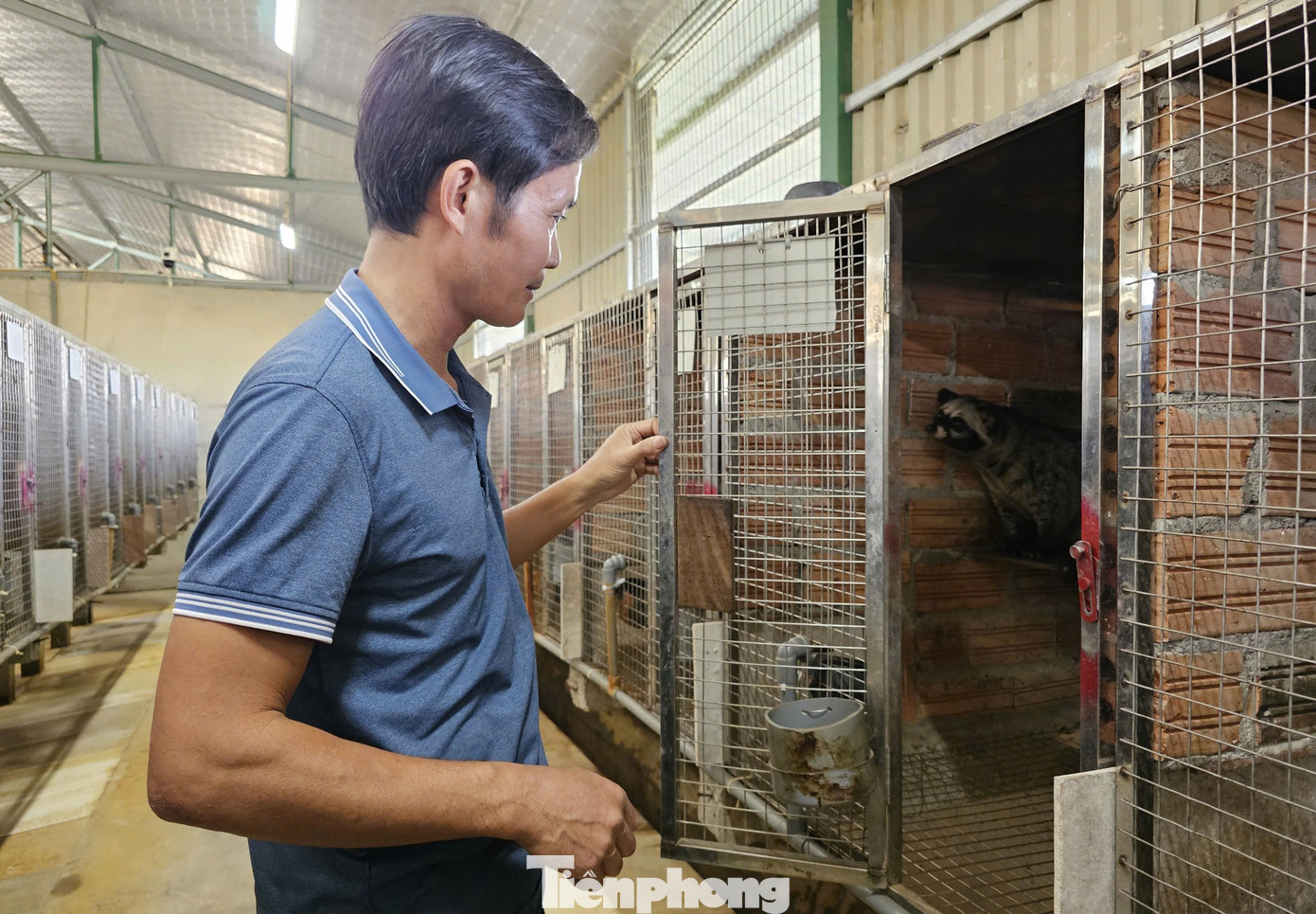
From a bold idea to a business model generating hundreds of millions of dong in annual income, Vo Van Nguyen's journey is a testament to the dynamism and daring spirit of farmers in Nghe An province. His civet farming model has not only helped his family achieve economic stability but also opened up new development opportunities for many households in the region.
With a systematic approach, emphasis on technical skills, and adherence to biosafety standards, this model of raising specialty livestock has the potential to become a key economic development direction, contributing to helping local people gradually escape poverty and achieve sustainable wealth right in their homeland.
Source: https://tienphong.vn/nuoi-con-dac-san-mo-huong-phat-trien-kinh-te-cho-nguoi-dan-post1802734.tpo


![[Photo] Closing Ceremony of the 10th Session of the 15th National Assembly](/_next/image?url=https%3A%2F%2Fvphoto.vietnam.vn%2Fthumb%2F1200x675%2Fvietnam%2Fresource%2FIMAGE%2F2025%2F12%2F11%2F1765448959967_image-1437-jpg.webp&w=3840&q=75)


![[Photo] Prime Minister Pham Minh Chinh holds a phone call with the CEO of Russia's Rosatom Corporation.](/_next/image?url=https%3A%2F%2Fvphoto.vietnam.vn%2Fthumb%2F1200x675%2Fvietnam%2Fresource%2FIMAGE%2F2025%2F12%2F11%2F1765464552365_dsc-5295-jpg.webp&w=3840&q=75)






































![[OFFICIAL] MISA GROUP ANNOUNCES ITS PIONEERING BRAND POSITIONING IN BUILDING AGENTIC AI FOR BUSINESSES, HOUSEHOLDS, AND THE GOVERNMENT](https://vphoto.vietnam.vn/thumb/402x226/vietnam/resource/IMAGE/2025/12/11/1765444754256_agentic-ai_postfb-scaled.png)




































Comment (0)