

On the afternoon of December 10th, with a majority of participating delegates voting in favor, the National Assembly passed the amended Law on Execution of Criminal Sentences. This law will take effect from July 1st, 2026.

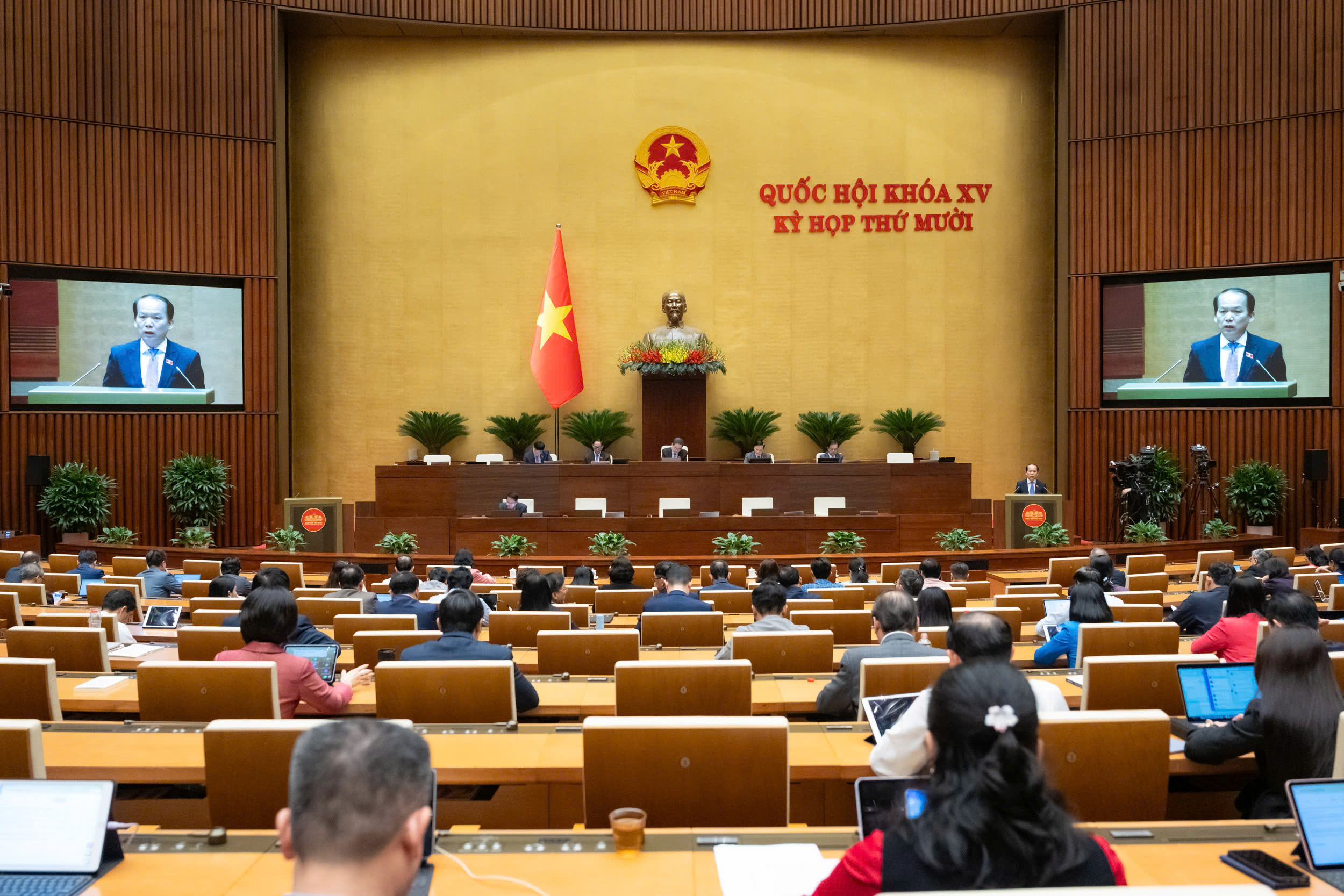
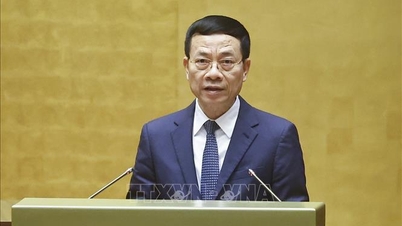
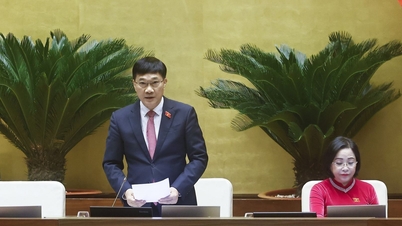
Chairman of the Committee on Law and Justice Hoang Thanh Tung
PHOTO: GIA HAN
Prisoners are allowed to donate tissues and organs.
The amended law stipulates the rights of prisoners. One of these is the right to donate tissues and organs; and the right to receive benefits and policies as prescribed by law regarding the donation of human tissues and organs.
During the law-making process, some opinions supported the above regulation but suggested adding stricter conditions, such as allowing prisoners to donate tissues and organs only to relatives; only applying it to prisoners who have committed less serious crimes; and having a short remaining sentence...
The Standing Committee of the National Assembly stated that adding the right of prisoners to donate tissues and organs is a major policy, demonstrating the humanitarian nature of the law, creating conditions for prisoners to show filial piety and goodwill, and giving them a chance to help their own relatives.
To ensure strict enforcement, the law stipulates that prisoners can only exercise this right when they meet the following conditions: voluntary; donating to a relative; being in good health to continue serving their sentence after donation; bearing all related costs; and being convicted of a less serious crime…
Notably, some opinions support allowing prisoners to store sperm. Conversely, many opinions suggest reconsideration.
According to the National Assembly Standing Committee, adding a provision allowing prisoners to store eggs and sperm would require enormous resources, demanding a high level of expertise in medical technology and detention management, making it difficult to implement.
Therefore, the law does not stipulate the above content, and suggests that the Government conduct thorough research and propose a solution at an appropriate time.
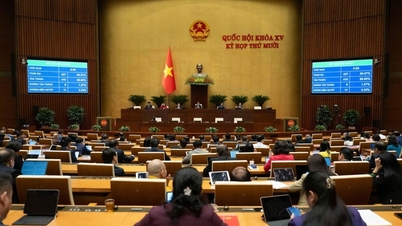
The National Assembly passed a law allowing prisoners to donate tissues and organs when they meet the eligibility criteria.
PHOTO: GIA HAN
Electronic monitoring has not yet been implemented for those released on bail.
Later that same day, the National Assembly also passed the draft law on the implementation of temporary detention, provisional custody, and prohibition from leaving the place of residence, effective from July 1, 2026.
During the drafting process of this law, some opinions suggested adding provisions on the application of technological measures to manage individuals prohibited from leaving their place of residence.
However, according to the National Assembly Standing Committee, applying electronic technology measures to monitor and manage people prohibited from leaving their place of residence is a general trend in the context of promoting the application of science and technology, but it is still complex and needs further research.
The current Juvenile Justice Law stipulates electronic monitoring as an independent preventive measure alongside the measure of prohibiting leaving one's place of residence. The current Criminal Procedure Code does not yet provide for this preventive measure.
Therefore, if regulations require individuals prohibited from leaving their place of residence to be subject to electronic monitoring, it would lead to the application of another restrictive measure without an order from a competent authority.
Furthermore, from an economic and technical perspective (costs for equipping, operating, monitoring, and maintaining operations in over 3,300 communes nationwide), as well as issues related to implementation (responsible agencies, inspection and monitoring mechanisms, and necessary conditions), careful consideration and calculation are also needed to ensure feasibility.
Therefore, the Standing Committee of the National Assembly acknowledges the opinions of the delegates and requests the Government to continue researching and selectively referencing foreign experiences so that they can be applied when conditions permit.
Thanhnien.vn
Source: https://thanhnien.vn/pham-nhan-duoc-hien-mo-bo-phan-co-the-khong-duoc-luu-tru-trung-tinh-trung-185251210152019474.htm






















































































Comment (0)