

These results are not only demonstrated by impressive numbers, but are also vividly evidenced by the inspiring stories of women in many fields.
The proportion of women in leadership positions is constantly increasing.
.jpg)
The Beijing Declaration and Platform for Action were adopted at the 4th World Conference on Women held in Beijing in 1995, with the participation of 189 countries, committing to addressing the concerns and rights of women worldwide by the end of the 20th century.
By adopting 12 key areas for improvement to achieve equality, from eradicating poverty and enhancing access to education to combating violence and improving women's rights, the Beijing Declaration and Platform for Action not only sets clear goals but also provides a concrete action plan to achieve gender equality and improve women's rights worldwide.
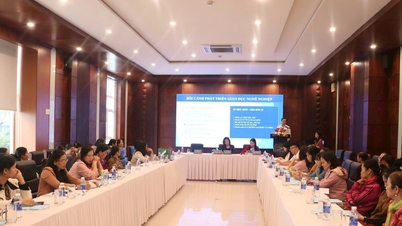
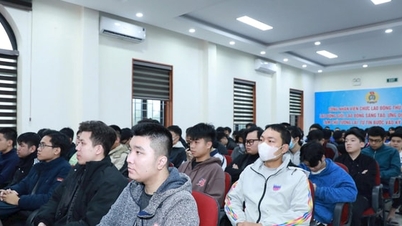
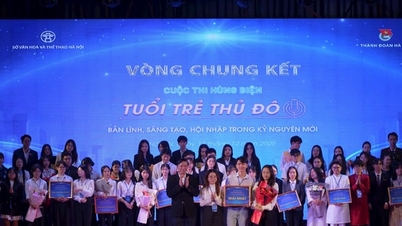
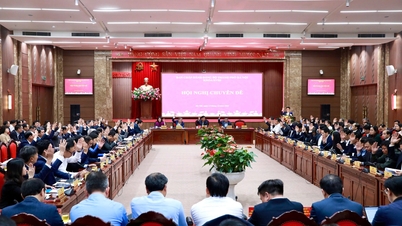
In Hanoi , the Vietnam Women's Union Central Committee, in collaboration with the United Nations Entity for Gender Equality and Women's Empowerment (UN Women) Vietnam, organized an intergenerational forum themed "Women and Gender Equality in the New Era." The forum attracted over 200 delegates representing generations of female leaders, policymakers, experts, entrepreneurs, young women, and representatives from international organizations.
The event was held in a special context, commemorating the 30th anniversary of the Beijing Declaration and Platform for Action (1995-2025) and the 10th anniversary of Vietnam's implementation of the Sustainable Development Goals (SDGs). It was also an opportunity for generations of women to reflect on achievements and lessons learned, while sharing aspirations and responsibilities in continuing and promoting gender equality in the new era.
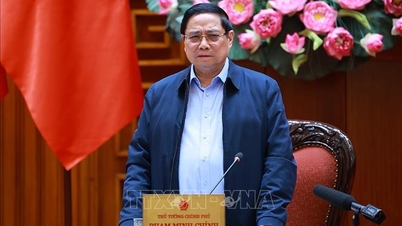
According to Nguyen Thi Tuyen, Member of the Central Committee of the Communist Party of Vietnam, Vice Chairwoman of the Central Committee of the Vietnam Fatherland Front, and President of the Vietnam Women's Union, the Beijing Declaration and Platform for Action, adopted at the Fourth World Conference on Women in 1995, is one of the most important documents promoting women's rights globally. Consistent implementation of the commitments in this document has contributed to perfecting the legal framework, creating equal opportunities for women to participate in decision-making positions, and thus promoting social progress.
In Vietnam, gender equality has always been identified by the Party and the State as one of the important goals in the process of national construction and development. This content is institutionalized in Party documents, the Constitution, and the legal system, including the Law on Gender Equality and many national target programs.
.jpg)
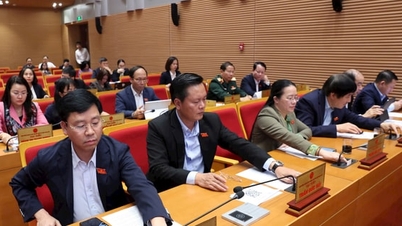
After 30 years of implementing the Beijing Platform for Action, Vietnam has achieved significant results in most areas. In politics, the proportion of women participating in leadership, management, and elected bodies has steadily increased. In the three most recent Party Congress terms (2010-2025), the percentage of female cadres participating in Party committees, standing committees, and executive committees at all levels has tended to increase. Currently, the percentage of women in provincial-level Party committees is over 15%, and in commune-level committees over 25%.
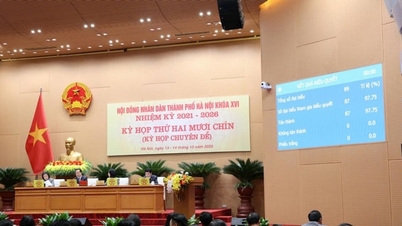
Notably, the percentage of female delegates in the 15th National Assembly (2021-2026) reached 30.26%, placing it among the highest in the Asia-Pacific region and higher than the global average of 25%. This reflects significant progress in ensuring women's right to political participation.
In the economic sector, Vietnamese women account for 46.8% of the country's workforce; the female labor force participation rate is expected to reach approximately 63% by 2024, among the highest in the world. Women currently own about 26.5% of all businesses, demonstrating their growing role in economic development and entrepreneurship.
A study on gender equality in education published by the Vietnam Academy of Social Sciences in February 2025 showed that female students accounted for 52.8% of the total student population in the 2016-2017 academic year and increased to 54.2% in the 2021-2022 academic year. This demonstrates the effectiveness of policies promoting universal education and expanding learning opportunities for women.
Let's work together for genuine gender equality.
.jpg)
Vietnam's efforts in promoting gender equality have also been recognized by the international community. Caroline Nyamayemombe, UN Women Representative in Vietnam, affirmed: “The Vietnamese government has maintained momentum in promoting gender equality for many years. Since implementing the Sustainable Development Goals, Vietnam's gender equality ranking has improved significantly.” According to the World Economic Forum's 2023 Global Gender Gap Report, Vietnam ranked 72nd out of 146 countries, an increase of 11 places.
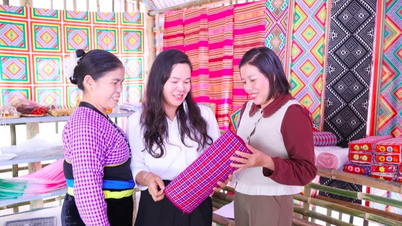
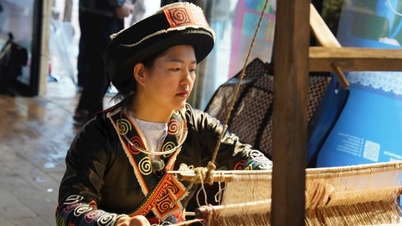
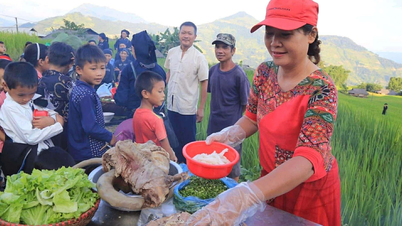
Achievements in gender equality are not only reflected in numbers, but also vividly portrayed through the real-life stories of women across all regions, especially ethnic minority women. At the intergenerational forum "Women and Gender Equality in the New Era," the entrepreneurial story of Ms. Thach Thi Chal Thi, a Khmer woman from Vinh Long province, left a strong impression.
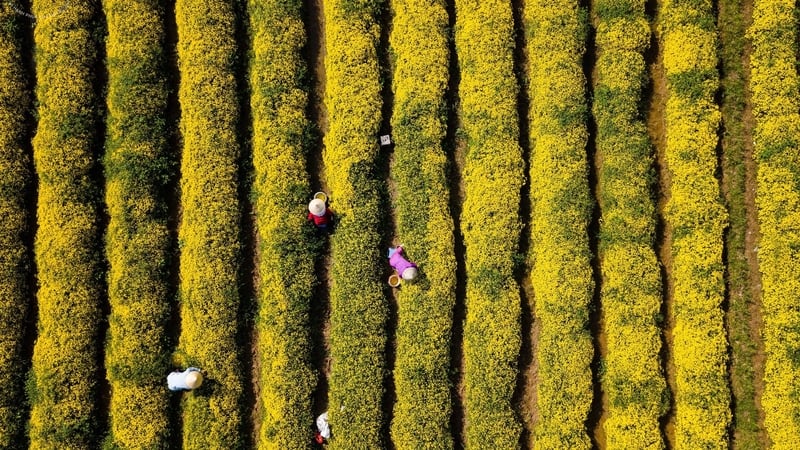
Born in 1989 into a farming family in the former Tieu Can district, Chal Thi was concerned about the fluctuating price of dried coconuts, which caused many difficulties for coconut farmers. From there, she diligently researched and revived the traditional Khmer craft of harvesting coconut flower nectar – a profession that had been lost in the area.
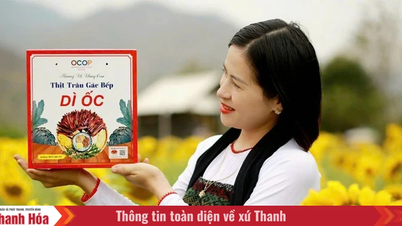
In 2019, Tra Vinh FARM Co., Ltd. (Sokfarm) was officially established, marking a turning point in bringing coconut blossom nectar products to domestic and international markets. Currently, Sokfarm's coconut blossom nectar beverage has achieved OCOP 5-star certification and is exported to many countries.
Sharing at the Forum, Chal Thi said: “Khmer women used to work without a structured system, so tolerance and empathy are needed to guide them and gradually bring about change. As fellow women from ethnic minorities, I can easily share and understand the feelings of my colleagues, thereby creating cohesion and effectiveness in our work.”
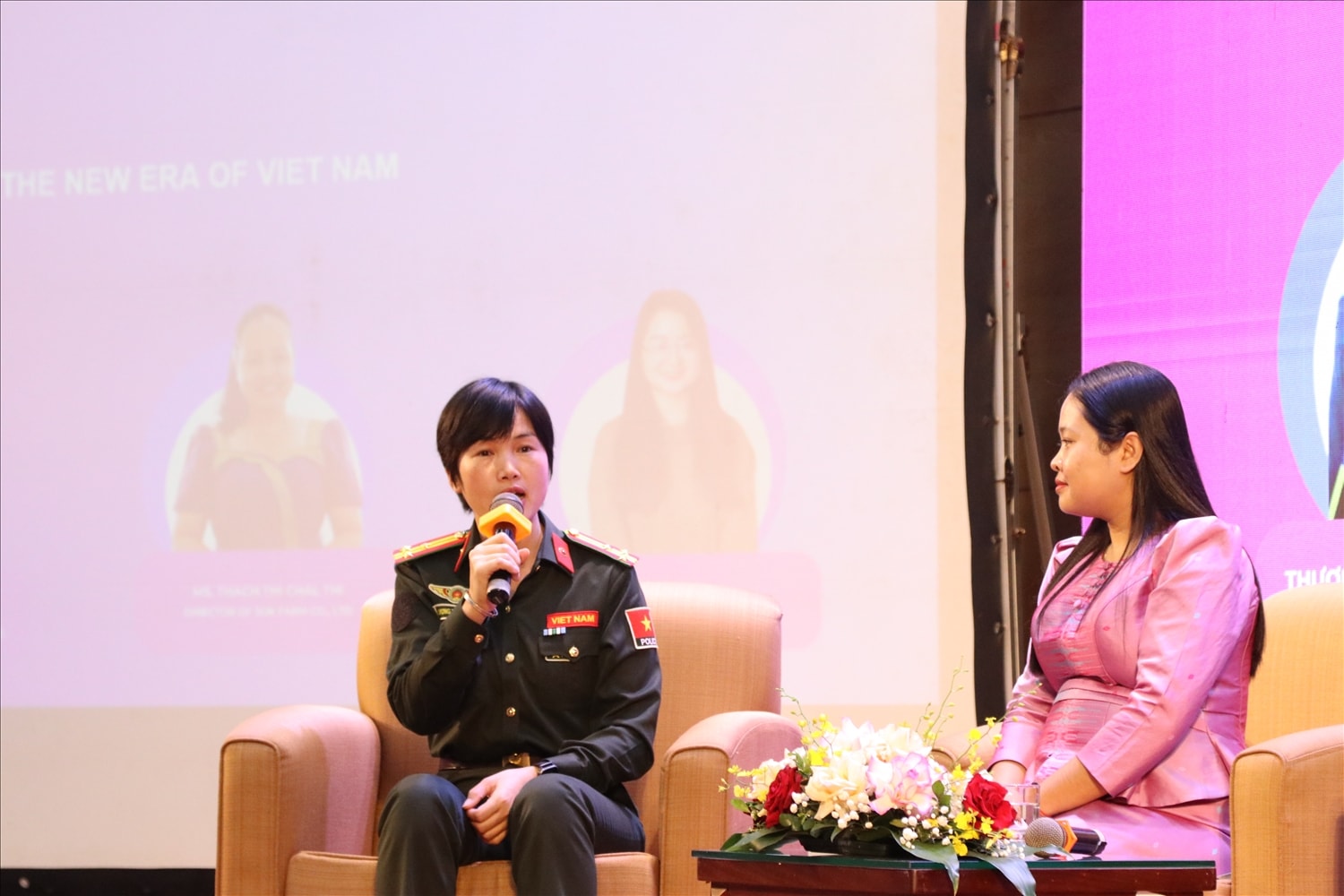
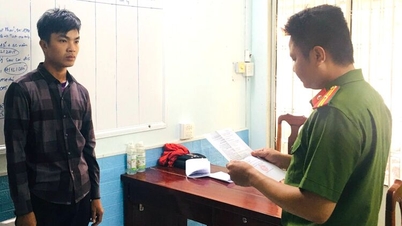
The example of female officer Luong Thi Tra Vinh, the first woman in the Vietnam People's Public Security Force to overcome gender stereotypes and participate in United Nations peacekeeping operations (from February 2022 to March 2024), is noteworthy. UN peacekeeping operations are considered difficult and dangerous, requiring participants to possess good health, strong political resolve, excellent professional skills, foreign language proficiency, and survival skills in harsh conditions. For female police officers, these difficulties and challenges are multiplied many times over.
Lieutenant Colonel Luong Thi Tra Vinh stated that during her participation in peacekeeping operations, she observed that gender inequality still persists in many places, in many fields, and in many countries. Prejudices about the role of women, especially in politically unstable countries like South Sudan, create numerous obstacles for female military personnel in their work.
Despite significant progress, gender stereotypes and biases remain the biggest challenges affecting women and girls in their participation in various aspects of society, such as gender-based violence, limited access to reproductive health rights and services, and low participation rates in leadership roles across different sectors.
Ensuring genuine equality between men and women in terms of opportunities, participation, and benefits in the political, economic, cultural, and social fields is a long-term, continuous task that requires the active and effective involvement of the entire political system, the efforts of all levels, sectors, agencies, organizations, and society as a whole.
The Chairwoman of the Vietnam Women's Union, Nguyen Thi Tuyen, stated that ensuring genuine gender equality requires the synchronized and continuous involvement of the entire political system and society. "In the current context, the younger generation needs to leverage their roles, potential, and aspirations, demonstrating a spirit of self-reliance, readiness to continue and spread progressive values, and contributing to building the image of Vietnamese women in the new era," emphasized Ms. Nguyen Thi Tuyen.
Hopefully, with the solutions to promote gender equality from the Party, the State, political and social organizations, and the potential and strengths of the younger generation, gender equality will be promoted positively in the new era.
Source: https://hanoimoi.vn/phu-nu-va-thuc-day-binh-dang-gioi-trong-ky-nguyen-moi-726714.html






























































Comment (0)