

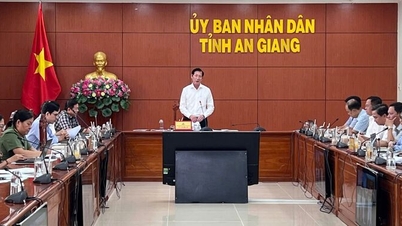
This afternoon, with 419/420 delegates present in favor, the National Assembly voted to pass the Emergency Law. The law consists of 6 chapters and 35 articles.
According to the new law, measures applied in a state of emergency regarding national security, order and social safety include the organization of special propaganda teams and special patrol teams.
In a state of emergency, in addition to the person with authority to detain people and handle violations according to the provisions of law, the captain of the special patrol team has the authority to detain people who commit administrative violations and the authority to handle administrative violations as the authority of the Chief of the Border Guard Station and the Chief of the Commune-level Police as prescribed in the Law on Handling of Administrative Violations.
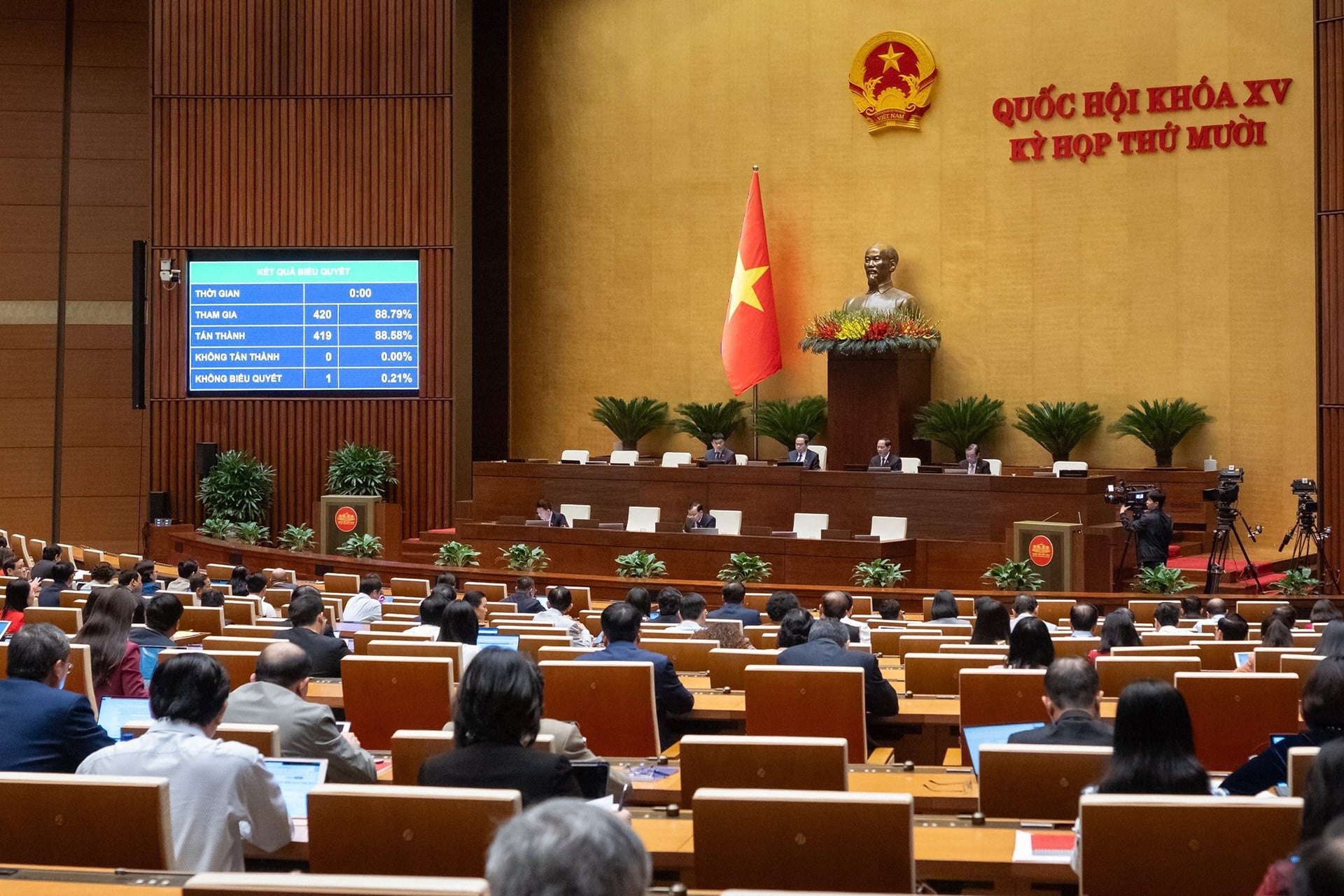
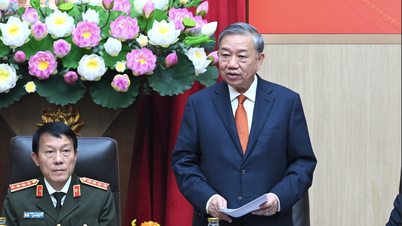
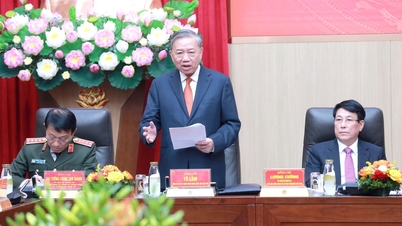
The National Assembly voted to pass the Emergency Law. Photo: National Assembly
The force performing the task of preventing, responding to and overcoming emergencies includes core forces and broad forces.
The core force includes the army, police, militia, and forces participating in protecting security and order at the grassroots level; and forces from ministries, branches, and localities. Emergency response teams, special propaganda teams, and special patrol teams are established from the core force.
A broad force participated by all people.
Give more power to the Prime Minister
A state of emergency is a social state declared by a competent authority, declaring a state of emergency in one or more localities or nationwide when there is a disaster or risk of a disaster that seriously threatens human life, health, property of the State, agencies, organizations and individuals, or there is a situation that seriously threatens national defense, national security, social order and safety.
According to the law, a state of emergency includes: a state of emergency due to disaster; a state of emergency due to national security, social order and safety; a state of emergency due to national defense.
Regarding authority, the law clearly states that the National Assembly Standing Committee decides to declare or lift a state of emergency. Based on the resolution of the National Assembly Standing Committee, the President orders the declaration or lift of a state of emergency. In case the National Assembly Standing Committee cannot meet, the President orders the declaration or lift of a state of emergency.
According to the law, the Prime Minister requests the National Assembly Standing Committee to decide to declare or lift the state of emergency. If the National Assembly Standing Committee cannot meet, the Prime Minister requests the President to order the declaration or lift of the state of emergency.
The state of emergency is lifted when there is no longer a risk of disaster or the disaster has been prevented or overcome; the national defense and security situation, social order and safety have stabilized.
Notably, the law clearly stipulates the authority to apply measures in a state of emergency. Accordingly, in cases of real necessity, for the benefit of the nation, people, life and health of the people, after receiving the consent of competent authorities, the Prime Minister has the right to decide to apply measures not yet prescribed by law to respond to and overcome the state of emergency, or apply measures prescribed in this law when a state of emergency has not yet been declared or announced.
The Prime Minister will report on the application of these measures to the competent authorities of the Party, the National Assembly, and the National Assembly Standing Committee in the nearest future.
The Law also clearly stipulates that the application, adjustment and termination of measures in a state of emergency must be timely, public and transparent.
Measures restricting human rights and civil rights must be truly necessary, have clear grounds, be commensurate with the nature and extent of the incident or disaster, and be non-discriminatory.
Source: https://vietnamnet.vn/quoc-hoi-dong-y-co-doi-tuan-tra-dac-biet-trong-tinh-trang-khan-cap-2468974.html
![[Photo] Cat Ba - Green island paradise](/_next/image?url=https%3A%2F%2Fvphoto.vietnam.vn%2Fthumb%2F1200x675%2Fvietnam%2Fresource%2FIMAGE%2F2025%2F12%2F04%2F1764821844074_ndo_br_1-dcbthienduongxanh638-jpg.webp&w=3840&q=75)






































![[VIMC 40 days of lightning speed] Da Nang Port: Unity - Lightning speed - Breakthrough to the finish line](https://vphoto.vietnam.vn/thumb/402x226/vietnam/resource/IMAGE/2025/12/04/1764833540882_cdn_4-12-25.jpeg)







































Comment (0)