

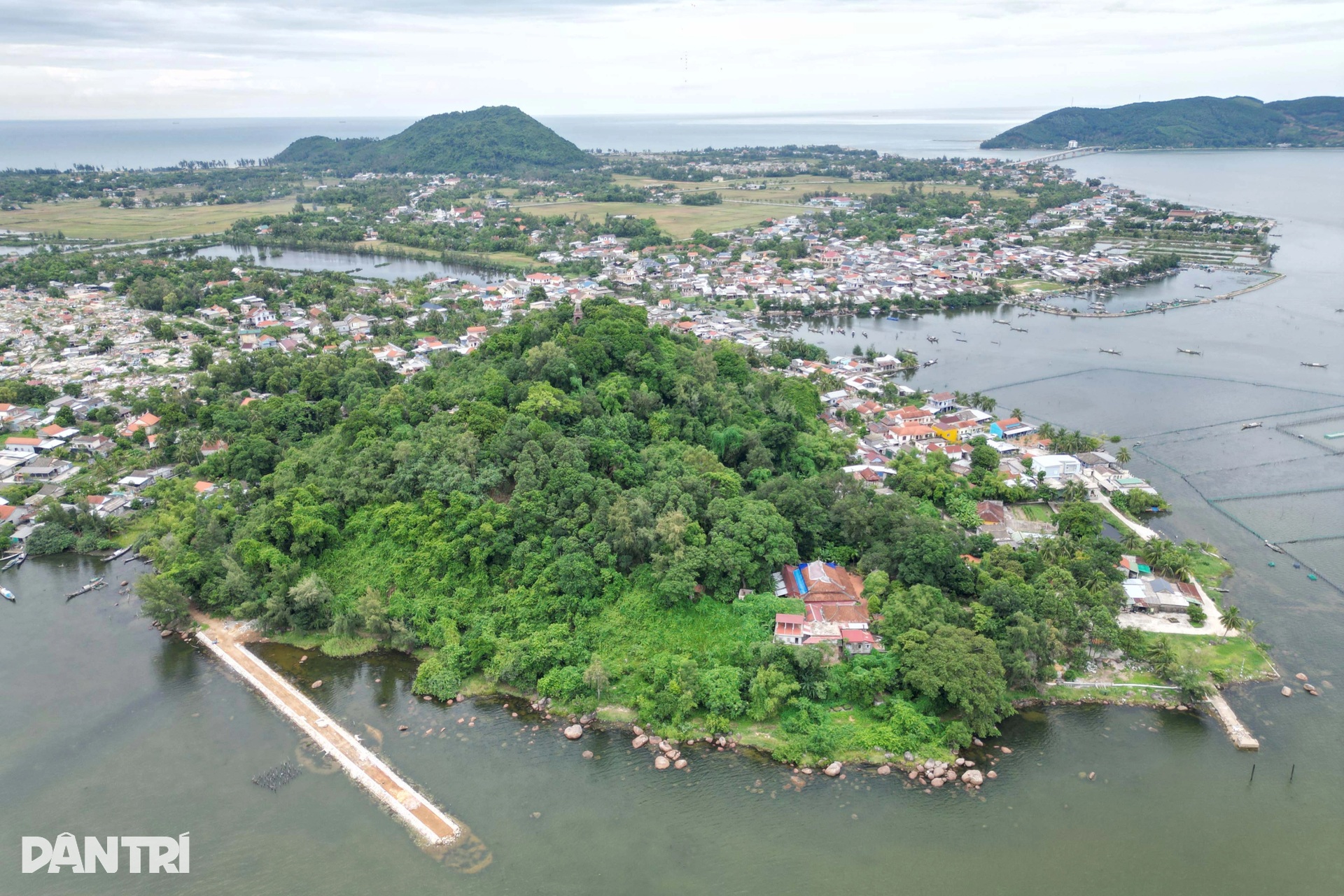
The Thánh Duyên Pagoda is located on Túy Vân Mountain, on the banks of Cầu Hai Lagoon and Tư Hiền estuary, now within Vinh Lộc commune, Huế city. According to historical records, this mountain was once ranked 9th among the 20 most beautiful landscapes of the imperial capital by Emperor Thiệu Trị.
Thanh Duyen Pagoda was built in the latter half of the 17th century, during the reign of Lord Nguyen Phuc Tan. In 1825, King Minh Mang ordered its reconstruction and later bestowed upon it the status of a national temple.
In 1996, the pagoda was recognized by the state as a national cultural and historical relic.
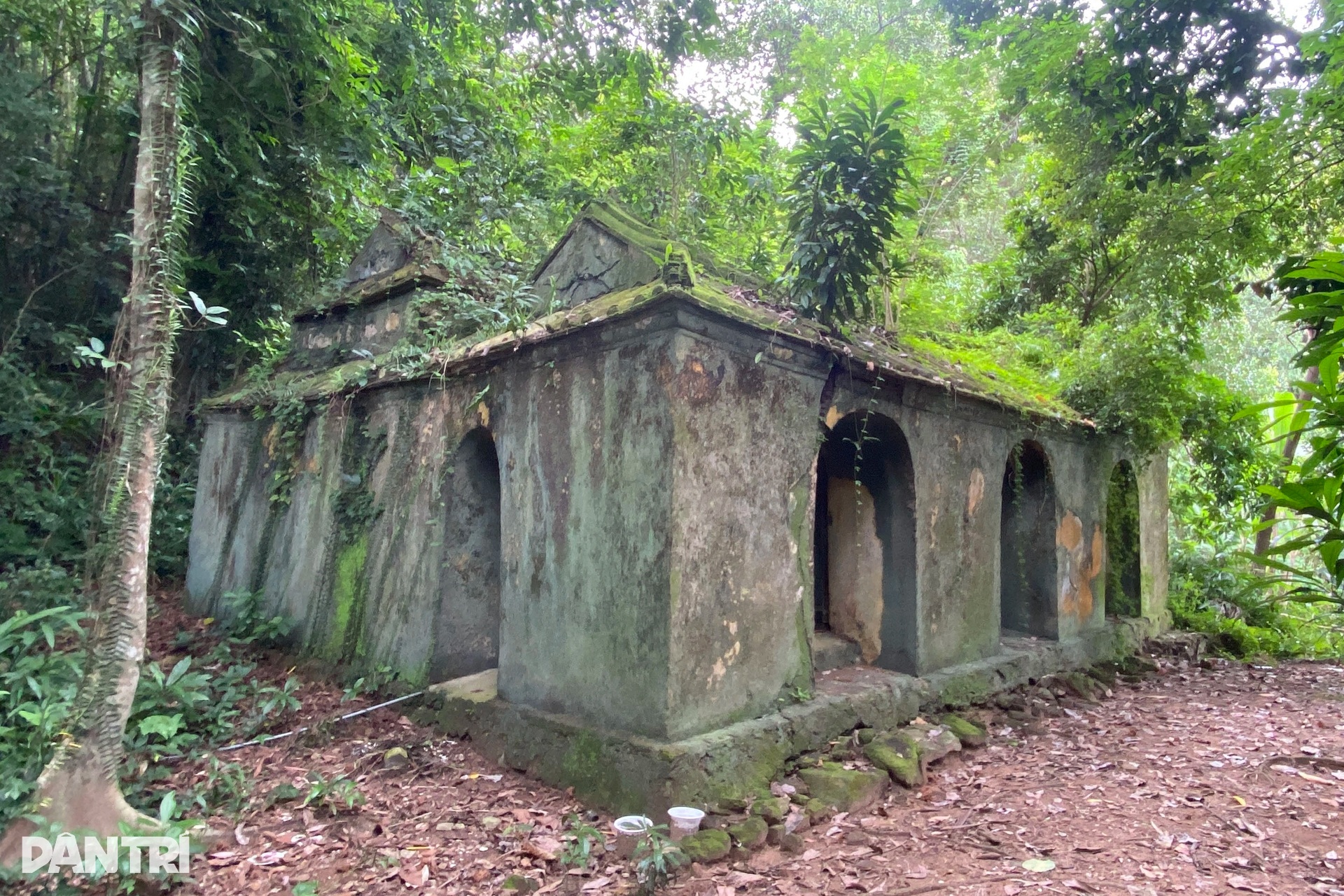
According to the Đại Nam nhất thống chí, in 1648, Lord Nguyễn Phúc Tần, during a tour of inspection to the Câu Hai swamp area, discovered a small thatched hut. The Lord ordered the construction of a small temple on the site of the hut to serve as a place for people to pray for blessings.
Today, the old relics are still preserved, located to the right of the main hall of Thanh Duyen Pagoda.

The photo shows the main hall of Thanh Duyen Pagoda today. Besides worshipping Buddha, it also houses the ancestral tablets of King Minh Mang.
The main hall is built in the traditional Hue style, blended with palace architecture, featuring a tiled roof, windows decorated with the Chinese character "壽" (longevity), and surrounded by a wall.
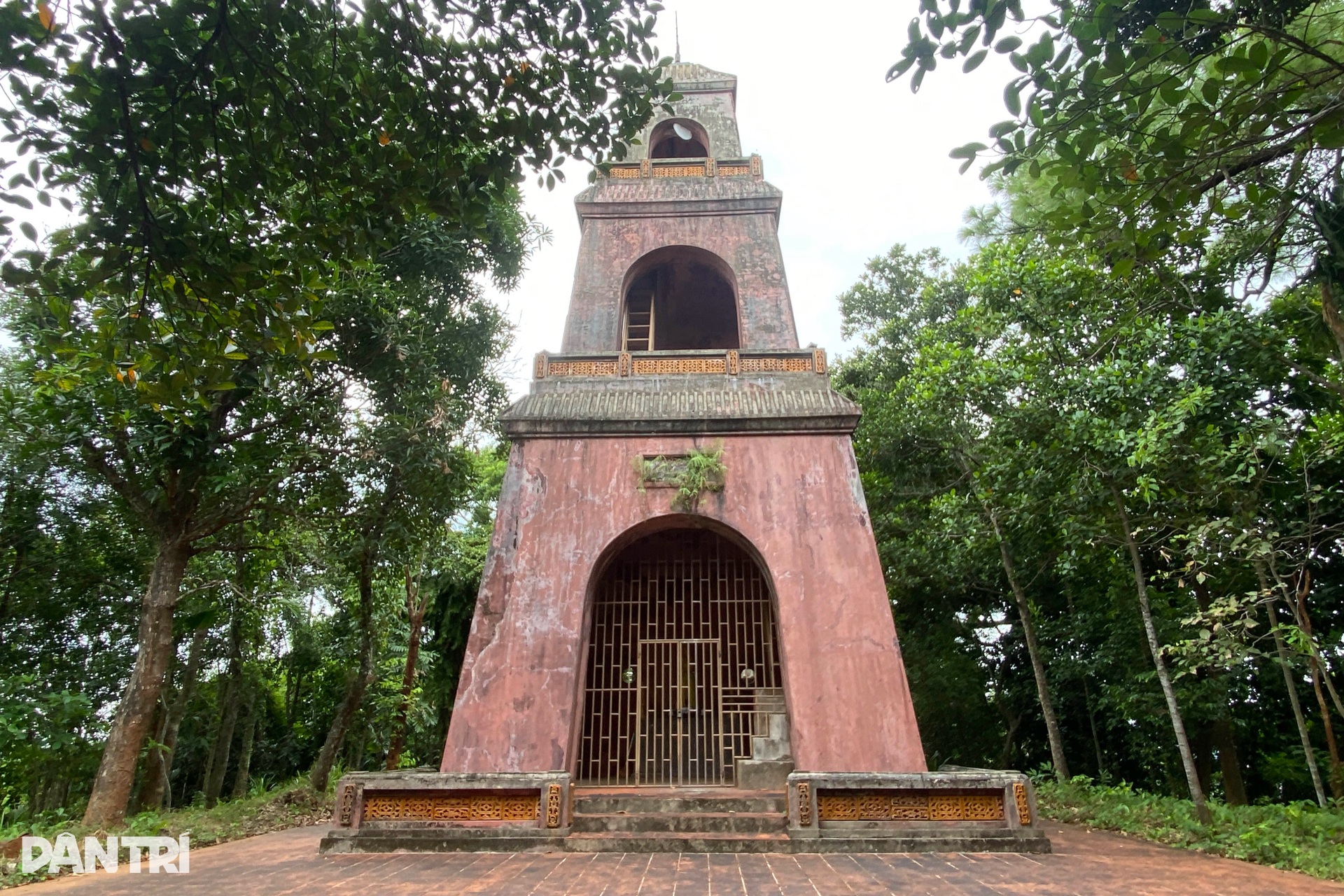
The Điều Ngự Tower, one of the main structures at Thánh Duyên Pagoda, is located on the summit of Túy Vân Mountain.
According to historical records, Tuy Van Mountain and Thanh Duyen Pagoda were once frequented by literati and scholars, including famous Nguyen dynasty emperors Minh Mang, Thieu Tri, and Tu Duc.
Many magnificent poems and literary works praising the beauty of this place, written by emperors, were inscribed on stone tablets and are still preserved at the temple.

According to Buddhist monk Pháp Ấn (who practices at Thánh Duyên Pagoda), the national temple currently possesses 38 ancient bronze statues, some of which are over 200 years old.

Notably, Thanh Duyen Pagoda possesses the largest set of 18 ancient bronze Arhat statues in the country, which was recorded in the Vietnam Book of Records in 2008.
In addition, the temple also houses a set of eighteen Arhat statues made of gilded bamboo, which are currently being carefully preserved.
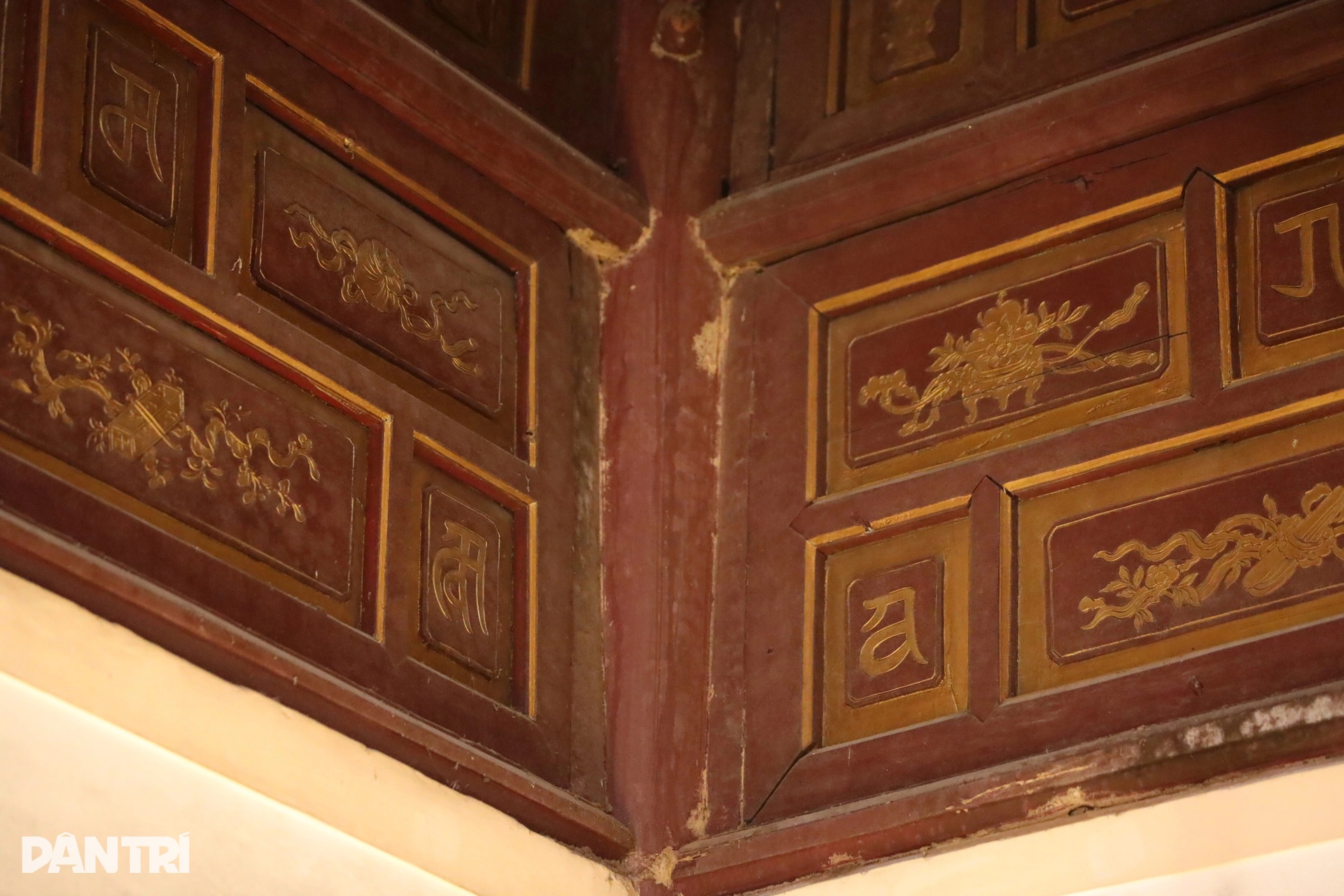
According to the monks, over its long existence, many parts of the main hall of Thanh Duyen Pagoda have deteriorated, and the wooden structure has been damaged by termites.

Thanh Duyen Pagoda is also frequently affected by major storms. According to monk Phap An, after a storm in early 2023, many roof tiles on the main hall of the pagoda fell and shattered. Since then, the pagoda has had to use tarpaulins to temporarily cover the roof to prevent rainwater from entering.
Since this is a national historical monument, the temple is preparing documents to submit to the competent authorities for approval of the restoration and renovation project.

A stele house within the grounds of Thanh Duyen Pagoda is also damaged and dilapidated, and needs to be restored.
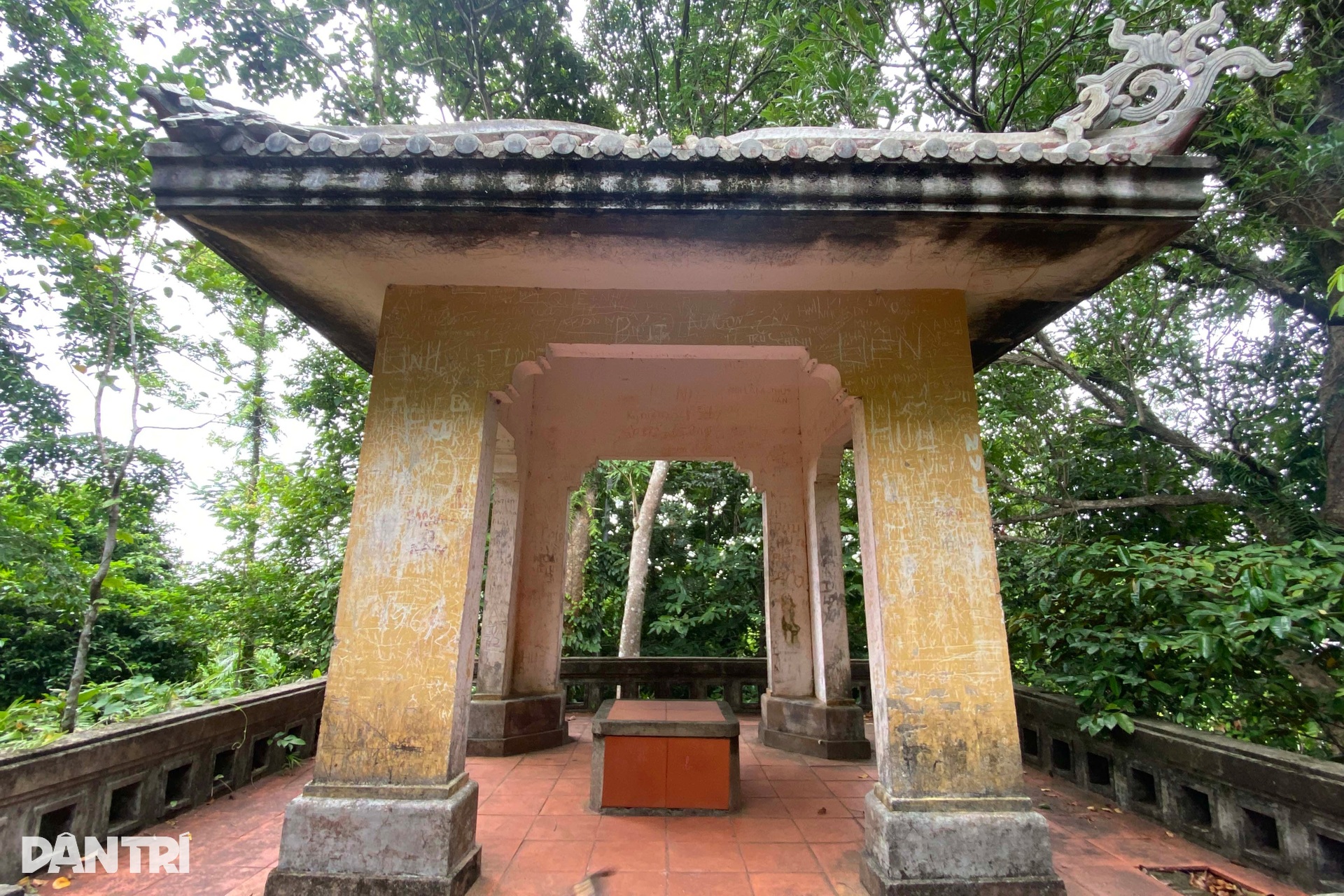
The Tien Sang communal house, located behind the Dieu Ngu tower on the summit of Tuy Van mountain, has suffered partial roof damage. The structure has also been vandalized with graffiti and drawings by locals and tourists.
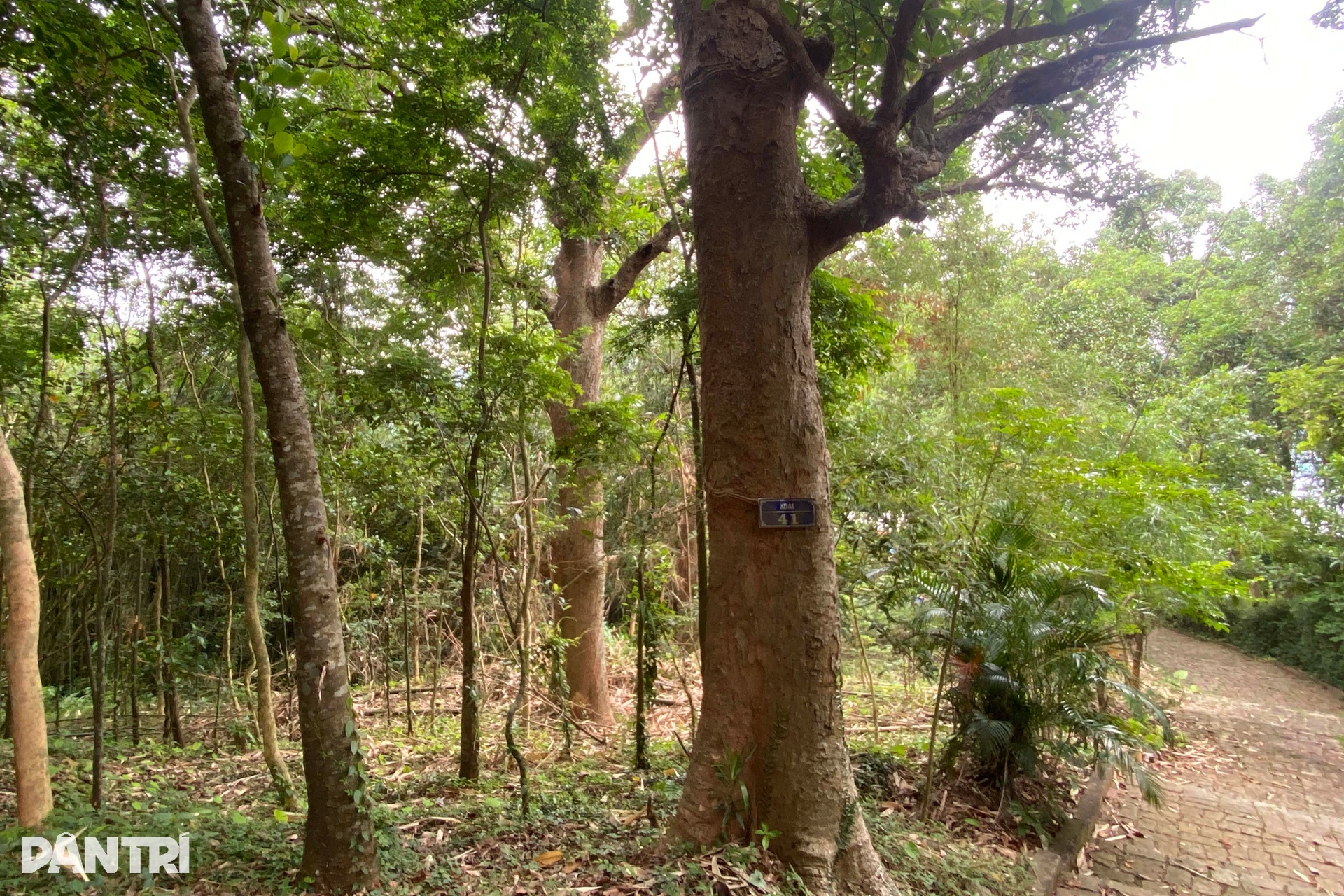
Besides its architectural system bearing the distinctive mark of the Nguyen Dynasty style, Thanh Duyen Pagoda also boasts 113 ancient trees, aged 200-300 years, including species such as pine, mango, jackfruit, oil palm, and teak, which have been numbered sequentially.

The photo shows the archaeological site of a square well located at the foot of the mountain, in the courtyard of Thanh Duyen Temple.
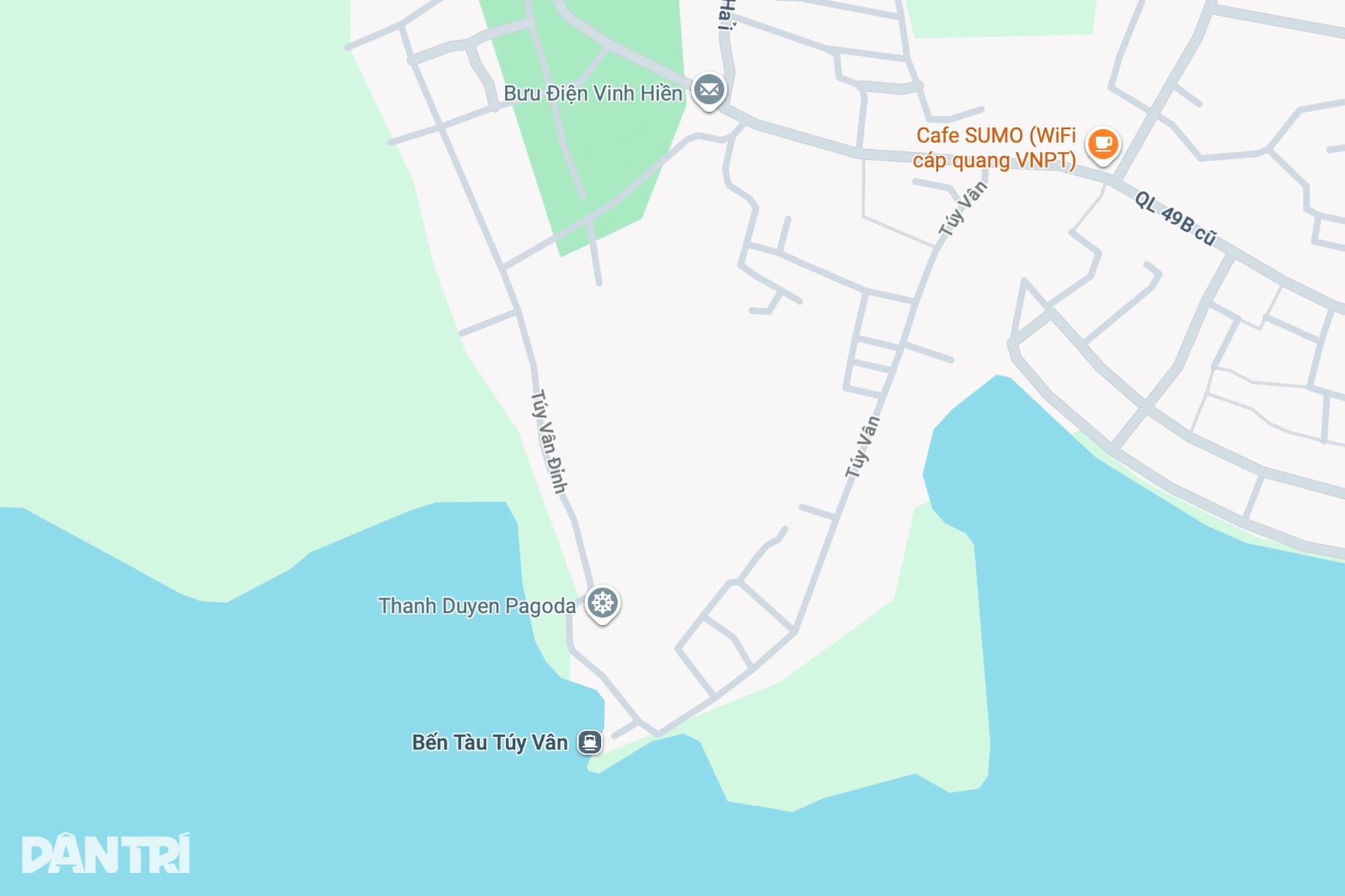
Location of Thanh Duyen Pagoda on the map (Image: Google Maps).
Source: https://dantri.com.vn/du-lich/quoc-tu-so-huu-loat-tuong-dong-co-lon-nhat-viet-nam-xuong-cap-can-ton-tao-20250926104733478.htm

![[Photo] Explore the US Navy's USS Robert Smalls warship](/_next/image?url=https%3A%2F%2Fvphoto.vietnam.vn%2Fthumb%2F1200x675%2Fvietnam%2Fresource%2FIMAGE%2F2025%2F12%2F10%2F1765341533272_11212121-8303-jpg.webp&w=3840&q=75)


![[Photo] The captivating scenery of the fragrant maple forest in Quang Tri](/_next/image?url=https%3A%2F%2Fvphoto.vietnam.vn%2Fthumb%2F1200x675%2Fvietnam%2Fresource%2FIMAGE%2F2025%2F12%2F10%2F1765353233198_lan09046-jpg.webp&w=3840&q=75)





























![[Video] The craft of making Dong Ho folk paintings has been inscribed by UNESCO on the List of Crafts in Need of Urgent Safeguarding.](https://vphoto.vietnam.vn/thumb/402x226/vietnam/resource/IMAGE/2025/12/10/1765350246533_tranh-dong-ho-734-jpg.webp)





























































Comment (0)