

According to Ms. Nguyen Ngoc Tram Anh, a sports nutrition expert at Evole Clinic (Ho Chi Minh City), high-intensity training has many effects on the body, such as energy depletion, muscle tissue damage, and dehydration. Post-training recovery not only helps the body recover quickly but also improves adaptability to training and reduces the risk of injury.

High-intensity training has many negative effects on the body, such as energy expenditure, muscle tissue damage, and dehydration.
ILLUSTRATION: AI
Below are key nutritional and lifestyle principles that help athletes recover effectively after each training session or competition.
Recharge your energy with carbohydrates.
Carbohydrates are the primary fuel source for physical activity, especially in high-intensity sports. After exercise, the body enters a state of glycogen depletion – the energy stored in muscles. Therefore, replenishing carbohydrates as soon as possible helps to replenish glycogen, preparing for the next training session.
Recommendation: Consume 6-10 g of carbohydrates per kg of body weight per day, depending on the level of exercise.
For example, a person weighing 70 kg needs to consume at least 420 g of carbohydrates per day, equivalent to about 3 cups of rice per meal x 3 main meals, combined with whole grains and bread in snacks.
The ideal time to consume carbohydrates is within 4 hours after exercise, to take advantage of the body's maximum absorption capacity.
Muscle recovery with high-quality protein.
Protein plays a vital role in repairing and building muscle tissue after exercise-induced damage. Amino acids, particularly leucine, present in high-quality protein, stimulate muscle protein synthesis.
Recommendation: Supplement with 20-25g of protein every 3-5 hours after exercise. Suitable protein sources include: milk, whey protein, eggs, lean meat, fish (such as salmon), soy, etc.
For example, one serving of whey protein (25 g), 100 g of salmon, or 400-500 ml of fresh milk can all meet this requirement.
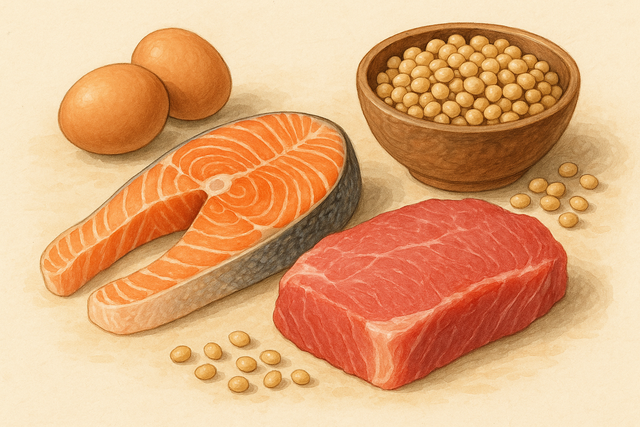
Protein plays a vital role in repairing and building muscle tissue after injury from exercise.
ILLUSTRATION: AI
Proper hydration and electrolyte replacement
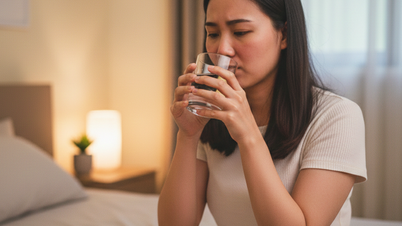
Dehydration not only affects exercise performance but also slows down the recovery process. During exercise, the body loses not only water but also electrolytes, especially sodium.
Note: Drink fluids with electrolytes such as oral rehydration solution (ORS), effervescent electrolyte tablets, salted apricot juice, salted lemon juice, etc., instead of just plain water. Avoid alcoholic beverages as they are diuretics and slow down overall recovery.
Coffee after a workout: Should you or shouldn't you?
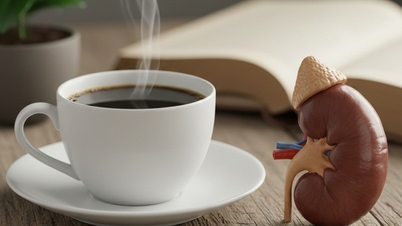
Caffeine is commonly used to boost alertness and improve workout performance. However, consuming coffee after exercise should be done with careful consideration.
Caffeine after exercise is not harmful and may even support increased glycogen synthesis. However, caffeine also increases cortisol—the stress hormone—which can slow recovery if levels remain high. In particular, drinking coffee in the afternoon or evening can disrupt sleep, which is crucial for recovery.
Therefore, if you exercise in the morning, you can have a cup of coffee afterward. If you exercise in the afternoon or evening, avoid coffee to protect your sleep quality.
Sleep is a crucial factor in post-workout recovery.
Sleep is the period when the body carries out the most profound self-healing processes. For people who exercise regularly, especially at high intensity, the need for sleep will be higher than that of the average person.
Recommendation: Adults should generally get 7-9 hours of sleep per night. For athletes, the ideal number is 8-10 hours per day.
"Numerous studies on athletes have shown that longer sleep duration significantly improves performance, reaction speed, and mood," shared Master's student Tram Anh.
Source: https://thanhnien.vn/sau-tap-luyen-cuong-do-cao-co-the-can-bo-sung-thuc-pham-nao-de-hoi-phuc-185250711161642133.htm




















































































Comment (0)